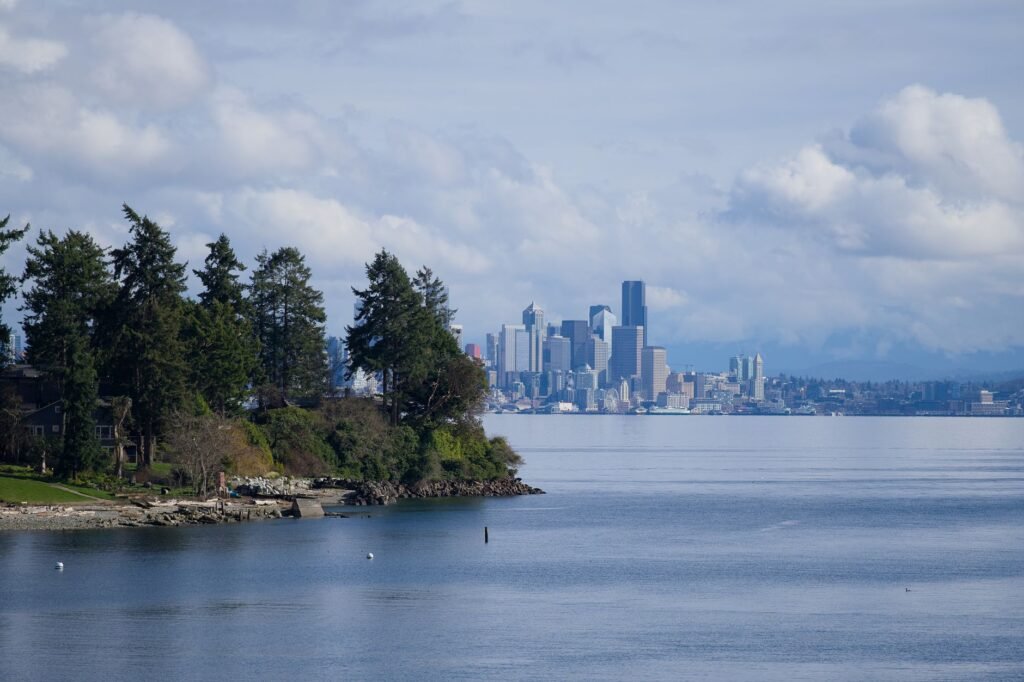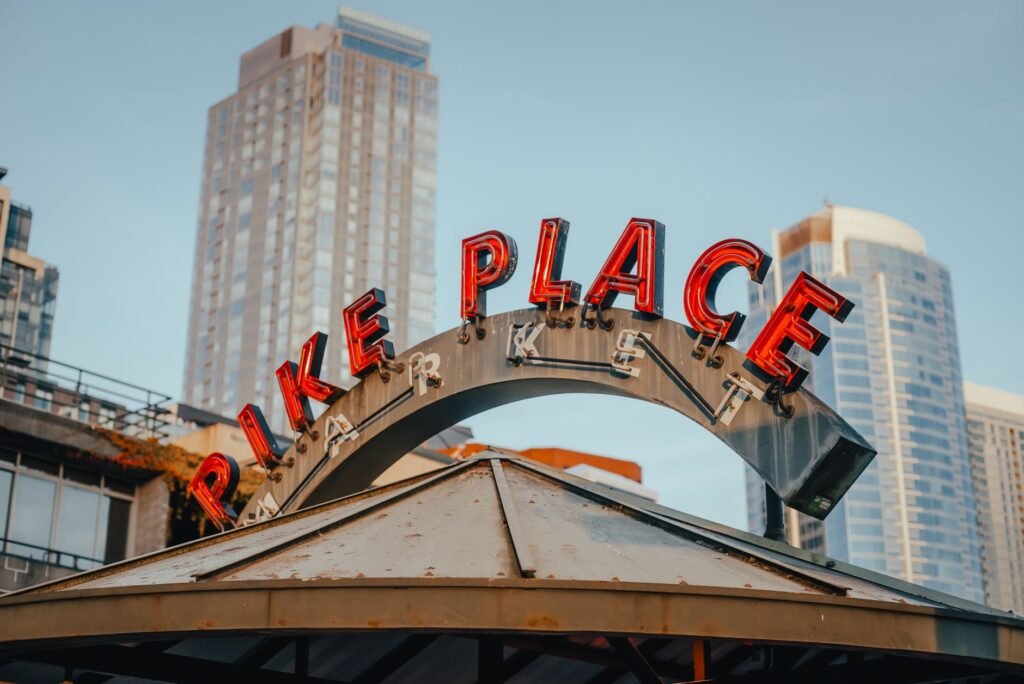

Seattle is a manageable city for solo travelers. It has walkable neighborhoods, reliable transit, plenty of counter seating, and many things to do that suit one person. Going alone lets you set your own pace. This guide covers safety basics, where to stay, how to get around, and what to do. Details such as fares, hours, and prices change, so confirm them on official websites before you go.
Is Seattle Safe for Solo Travelers?
Like most large cities, Seattle has areas where you should be more alert, particularly at night. The most common issue for visitors is property crime, such as items stolen from parked cars. Basic precautions go a long way:
- Never leave bags or valuables visible in a parked car.
- Keep your phone and wallet secure in crowded places such as markets and transit.
- Use well-lit streets after dark, and consider a rideshare or taxi late at night.
- Check recent local news and your accommodation’s advice about areas to avoid, since conditions vary by block and by time of day.
- Share your plans with someone at home, especially before hiking.
Some downtown blocks, including parts of Third Avenue and Pioneer Square, can feel less comfortable at night. Neighborhoods such as Queen Anne, Fremont, Ballard, and Capitol Hill are popular with visitors, though standard city awareness applies everywhere.
Best Neighborhoods to Stay
Capitol Hill: Busy and walkable, with cafés, bookstores, restaurants, and Link light rail. Fremont: A relaxed neighborhood with public art, a canal path, and independent shops. Ballard: Historic Nordic roots, breweries, restaurants, and a Sunday farmers market. Downtown / Belltown: Central for Pike Place Market, the waterfront, and transit, though it can be quieter after offices close.
Getting Around
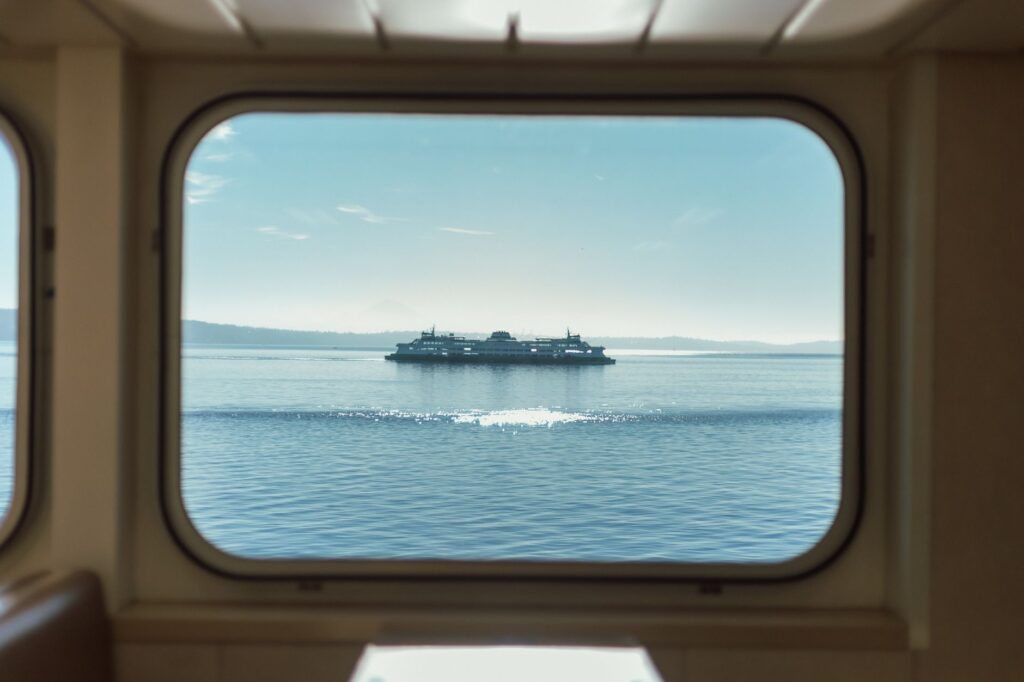
You can do a lot of Seattle without a car. Link light rail runs from Sea-Tac Airport through downtown and Capitol Hill to the University of Washington, and King County Metro buses cover most other areas. An ORCA card works across buses, light rail, and ferries, and you can usually buy and load one at light rail stations. Check Sound Transit and King County Metro for current fares. Washington State Ferries depart from the downtown waterfront for Bainbridge Island, a good way to see the skyline from the water.
Seattle is hilly, so comfortable shoes matter, and downtown parking is expensive. If you plan to visit Mount Rainier, the Olympic Peninsula, or the Cascades, consider renting a car for those days only.
Also read: Vancouver to Seattle Drive: Distance, Time and Route
Things to Do on Your Own
- Pike Place Market: Visit early in the morning for fewer crowds.
- Observation decks: The Space Needle and the Sky View Observatory at Columbia Center both offer city views. Compare current prices and hours.
- Chihuly Garden and Glass: Glass art next to the Space Needle at Seattle Center.
- Museum of Pop Culture and Seattle Art Museum: Good for a rainy day.
- Elliott Bay Book Company: A large independent bookstore on Capitol Hill.
- Parks: Discovery Park, Olympic Sculpture Park, and Gas Works Park all work well for solo walks.
- Ballard Locks: Free to visit, with boats and, in season, salmon.
- Lake Union: Kayak or paddleboard rentals are available in warmer months.
Eating and Drinking Solo
Seattle has plenty of counter seating, cafés, and casual spots where eating alone is comfortable. Bars at oyster and seafood restaurants are often first-come, first-served and well suited to a single diner. Neighborhood coffee shops, the Chinatown-International District for noodles and pho, and Pike Place Market’s casual counters are all easy choices. Because restaurants open and close often, check current reviews and hours before heading out. Many local breweries have casual taprooms where it is easy to strike up a conversation.
Saving Money
- Visit in spring or fall, when hotel rates are often lower than in summer.
- Look for free attractions: the Ballard Locks, Olympic Sculpture Park, Kerry Park, and the Seattle Central Library.
- Check museum websites for free or discounted days, as these change.
- Use light rail and buses rather than rideshares for longer trips.
What to Pack
A waterproof jacket with a hood, layers, and comfortable walking shoes cover most conditions. Locals often skip umbrellas in favor of rain jackets. Add a hat and extra layer for ferry rides, and a small daypack with water and a portable charger.
Weather
Seattle’s reputation for rain is mostly about frequent light drizzle from fall to spring. Its annual rainfall total is actually lower than in some East Coast cities. July through September is generally the driest and sunniest period. On rainy days, museums, the central library, and cafés make easy backups.
Also read: Best Skiing and Snowboarding Near Seattle
Final Tips
Keep plans flexible, avoid overpacking your days, and pick one or two neighborhoods at a time. Locals can seem reserved at first, a trait sometimes called the “Seattle Freeze,” but they are generally happy to help if you ask for directions or recommendations.
Information changes often. Spotted an error? Tell us via the contact page.