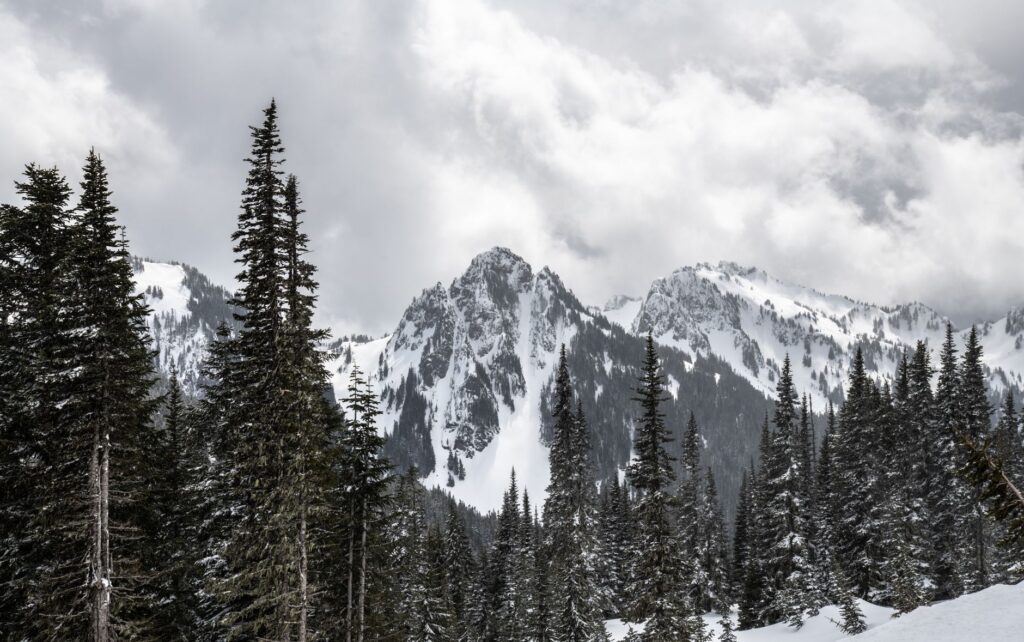
If you live in Seattle and want to ski or snowboard, you don’t have to fly across the country to find quality snow. Several solid resorts sit within a few hours of the city, and the closest skiing to Seattle offers enough vertical drop and terrain variety to keep you busy for a full day or weekend getaway. The Pacific Northwest has its own skiing culture, one that’s a bit rainier and slushy than the Colorado Rockies, but that’s exactly why locals know how to handle variable conditions. You can be carving turns by mid-morning without the hassle of a flight or long drive through multiple states.
The best skiing near Seattle breaks down into two main categories: resorts you can reach in under two hours, and those requiring three to four hours of driving. Knowing which bucket matters before you plan your trip. A weekend warrior looking for a quick fix will want something closer. But if you’re willing to drive, the bigger mountains offer more runs, longer seasons, and a deeper variety of terrain. Either way, Washington and Northern California have options that work.
Snoqualmie Pass and Crystal Mountain: The Close Calls
Snoqualmie Pass sits just over 60 miles from Seattle, making it the obvious choice when you want to ski without committing your whole day to travel. The pass is home to three small-to-mid-sized resorts: Snoqualmie, Alpental, and Hyak. All three share a joint ticket, and the vertical is modest by Western standards. You’re looking at around 2,200 feet of vertical across the combined terrain. What matters more is accessibility.
Snoqualmie Pass gets crowded on weekends because of that proximity. If you can ski on a weekday or go early on Saturday morning, you’ll have a much nicer time. The snow here tends to be wetter and heavier than you’ll find at higher-elevation resorts further east. Winter storms that dump feet of powder in the Cascades or Rockies often mean rain at Snoqualmie Pass elevation. Don’t expect champagne powder or long spring-skiing days. What you get is convenient, consistent open terrain and a good place to work on technique during wet winters when the pass stays above freezing.
Crystal Mountain is about 90 minutes from Seattle, nestled higher in the Cascades at just over 7,000 feet elevation. The resort has about 2,600 feet of vertical and a much larger trail network than Snoqualmie Pass. You’ll find everything from wide-open groomers to steep glades and technical tree runs. Crystal gets more snow than Snoqualmie Pass, and the higher elevation keeps the base a bit colder and the snow a touch lighter. Lift tickets run about $75 to $95 depending on when you buy them and what day you go, while Snoqualmie Pass tickets hover around $50 to $70. The drive is longer, but the skiing is noticeably better if you’re willing to invest the extra hour.
Where most Seattle-area skiers get tripped up is expecting Colorado conditions at Washington elevations. It doesn’t happen. Go to Crystal or Snoqualmie Pass expecting variable spring-like snow, even in January. Dress in layers and be ready to adjust throughout the day. That approach makes the whole experience a lot more fun.
Mount Baker: The Local Favorite
Mount Baker sits about 140 miles northeast of Seattle, right on the border with Canada. The drive takes roughly two and a half hours, but it’s worth every minute. This is where Pacific Northwest skiers actually spend their time. The resort is smaller than you might expect from a place so well-regarded, but it sits in a snow-loading zone that rivals anywhere in North America. Baker receives an absurd amount of snow, often topping 600 inches per season. That’s 50 feet. The current elevation is 10,000 feet at the peak, and the base is at 3,500 feet, giving you a generous 6,500 feet of vertical.
The terrain here leans toward intermediate and advanced runs. Baker isn’t loaded with beginner terrain or wide-open parks. If you’re just learning, come back when you’re stronger. But if you can hold an edge and navigate moguls, you’ll find excellent tree skiing, steep chutes, and runs that feel properly challenging without being suicidal. The runs are also quieter than you’d expect. Big storms bring crowds, but most Sundays you can actually find space on the slopes.
Lift tickets run about $75 to $85, which is reasonable for what you get. Snow conditions are often exceptional, and the skiing season at Baker extends longer than at lower-elevation resorts. Late spring, when Snoqualmie Pass is slushy and running only a few lifts, Mount Baker often still has solid snow and full terrain open. That’s a huge advantage if you like to ski through May.
The one drawback is weather. When storms roll in from the Pacific, you’ll get snow, but visibility can go sideways quickly. Some days you’ll ski in cloud. That comes with the territory in the Pacific Northwest. Bring goggles with good light transmission, check the weather before you go, and plan for patience.
The Longer Drive: Lake Tahoe and Beyond
If you have three to four hours to drive, Lake Tahoe opens up an entirely different world. Heavenly, Northstar, and Kirkwood are all within reach from Seattle. Heavenly is closest to the California side of the lake, and it’s massive. Over 4,800 acres of skiable terrain and 3,600 feet of vertical make it one of the largest resorts in the country. The views of Lake Tahoe from the top of some runs are genuinely stunning. Lift tickets run $125 to $160, which is considerably more expensive than Washington resorts, but the volume of terrain justifies the price if you’re planning a full day.
Northstar is worth considering if you want a more modern resort setup. The base village is well-designed, there are actual restaurants and shops, and the trail network is huge. Kirkwood is smaller and skews more toward intermediates and advanced skiers who want fewer crowds than Heavenly. All three sit at higher elevations than Mount Baker, meaning snow here is often drier and stays colder longer. This is where you come when you want that higher-altitude Western snow experience.
The drive to Tahoe is doable for a weekend trip, but you’re looking at eight to ten hours in the car combined with your driving days. That’s a lot of time on I-90 and then south through California. Most Seattle skiers do this once or twice a season, not every weekend. It’s better suited to a long weekend or a dedicated ski trip where you plan to stay two or three nights.
When to Go and What to Expect
Snow conditions in the Pacific Northwest vary widely depending on the month and how storms are tracking. December can go either way. Early-season snow is possible, but rain is common too. January and February are typically the snowiest months. March sees variable conditions, with spring snow common. April is when things get slushy and wet, but it’s also when the most terrain is open and crowds are manageable on weekdays.
Weekends fill up fast at every resort mentioned here. If possible, take a day off and ski midweek. The difference in crowds is night and day. Early morning also matters. Most resorts see their longest lift lines between 10 a.m. and 2 p.m. If you can be on the slopes by 9 a.m., you’ll catch groomers before they get tracked out and find shorter lines at the lifts.
Driving conditions on mountain passes can get sketchy during storms. Check the Washington State Department of Transportation website before heading out, and carry chains if you’re unfamiliar with winter driving. Many resorts require them during high-snow days. Your vehicle needs to be capable of handling snow and ice, or a high-clearance vehicle with good tires is essential. Don’t risk it in a low-clearance sedan with all-season tires. That’s how people end up stuck or sliding off the road.
What to Pack and Bring
You’ll need more than just skis and a jacket. The Pacific Northwest’s wet snow can soak through inadequate gear quickly. Waterproof pants and jacket are non-negotiable, not just water-resistant. Your gloves need to be truly waterproof or you’ll have numb hands by noon. A base layer that wicks moisture works better than cotton, which holds sweat and gets cold fast. Bring goggles with a clear or light lens for cloudy days and a darker lens for sun. Sunscreen is essential, especially at higher elevations. The reflection off snow amplifies UV exposure even on overcast days.
Most resorts have rental equipment available if you don’t own gear. Quality varies. Renting from the resort itself is usually better than going to an off-mountain shop, though you’ll pay a bit more. Budget about $40 to $60 per day for skis or a board.
Making the Decision
For pure convenience, you can’t beat Snoqualmie Pass or Crystal Mountain. They’re close enough that you can ski in the afternoon if conditions allow. For a real day trip with solid terrain, Crystal Mountain wins. For actual quality skiing and longer runs, Mount Baker is where local skiers spend their time. The snow is better, the terrain is more interesting, and the experience feels less like a regional walk-up and more like an actual mountain day.
Tahoe works if you’re ready to invest the drive time and want that drier, colder snow experience. It’s not a quick weekend getaway from Seattle. It’s a destination trip. But that’s also why it’s worth planning for occasionally.
Start with Mount Baker if you want to find the best skiing near Seattle. Pick a midweek day in January or February, check the forecast, and plan to get there early. You’ll understand why locals are loyal to the mountain.