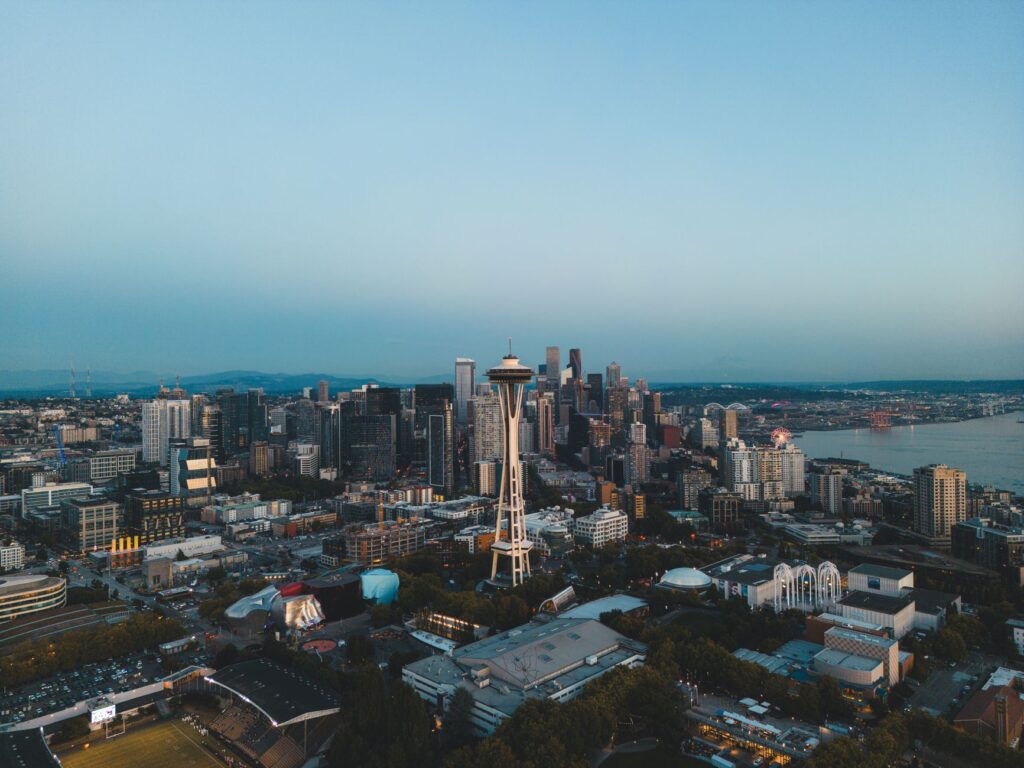
Seattle’s hotel scene runs the gamut from glass towers downtown to quirky converted warehouses in industrial neighborhoods. But if you’re tired of chain hotels and want a stay that actually reflects the city’s personality, you need to look beyond the usual suspects. The unique places to stay in Seattle range from houseboats to luxury lodges tucked into forests, and choosing one depends more on what kind of trip you’re planning than on your budget alone.
This city isn’t just about Pike Place Market and the Space Needle. Your accommodation choice shapes how you experience the whole visit. Stay in the right place, and you’ll wake up to views that justify the entire trip. Pick wrong, and you’ll spend money on a nice room that could be anywhere in America. Here’s what actually stands out when you dig past the standard downtown hotels.
Houseboats and Waterfront Living
Want something genuinely different from standard hotels? Floating homes on Lake Union and Lake Washington aren’t just a gimmick. They’re a legitimate way to experience how a certain slice of Seattle actually lives. A few operators rent out houseboats short term, and the experience is surreal in the best way. You’re technically in the city, but the water underneath and the mountain views across the lake make it feel like a retreat.
The houseboat stays range from $150 to $400 per night depending on size and season. Most have full kitchens, hot tubs, and decks where you can watch seaplanes land on the water. Lake Union Waterfront properties get the most traffic, literally and figuratively. Seaplanes take off and land constantly, which is either charming or annoying depending on your tolerance for noise. By evening, the activity dies down, and you get a quiet waterfront night that you won’t replicate in a downtown hotel room.
One real consideration: houseboats move slightly with the water. Not dramatically, but enough that some people feel it. If you have any motion sensitivity, test this before committing to a full night. Otherwise, this is the move for travelers who want bragging rights and an actual memory instead of just a roof over their heads.
Historic Hotels with Character
The Paramount Theatre building, built in 1928, hosts a hotel that captures old Hollywood glamour without feeling like a museum. The lobby alone justifies a walk through, even if you’re not staying there. High ceilings, intricate tilework, and a genuine sense that decades of important people have passed through these doors. The rooms feel contemporary but respect the building’s bones, and you’re steps from Pike Place Market and the waterfront.
The Hotel Andra nearby is another solid option that trades some period charm for modern comfort. It’s Scandinavian-inspired, which fits Seattle’s design sensibility. Minimalist but warm. The price point hovers around $200 to $300 per night, and you’re getting actual design choices, not generic corporate rooms.
Belltown has smaller historic properties that survived the neighborhood’s rapid transformation. These places have personality and local knowledge built in. Staff can tell you where to eat based on what you actually like, not just the restaurants with the highest Google ratings. That kind of guidance is worth paying slightly more than you’d spend on a major chain.
Capitol Hill and Fremont Boutiques
Capitol Hill’s independent hotels tend toward the artistic and unconventional. The Hotel Orca is one example, though smaller independent properties open and close regularly. What matters is the neighborhood vibe. Capitol Hill accommodations put you in walking distance of record shops, vintage clothing stores, coffee roasters that take their craft seriously, and bars that don’t serve bottle service. You’re near the action but not drowning in tourists unless you’re visiting during one of the seasonal festivals.
Fremont is slightly quieter and weirder. The neighborhood’s art scene and independent culture attract travelers who want to experience Seattle outside of downtown’s gravity. Hotels here tend to be smaller and more personal. Expect modern rooms in older buildings, local art on the walls, and staff who actually know the neighborhood because they live there. Rates run $120 to $250 per night, and you’re buying access to a real neighborhood, not a theme park version of Seattle.
The trade-off is walkability to major attractions like the Space Needle. You’re looking at a 10 to 15 minute drive or a bus ride. Some travelers love this trade. Others find it frustrating. Know which category you fall into before booking.
Luxury Lodges Outside the City
If you’re willing to drive 20 to 40 miles from downtown Seattle, the options shift dramatically. Small luxury lodges in the Cascade foothills or near state parks offer stays that feel entirely removed from urban life. These places have fireplaces, private forests, and restaurants on-site with local menus. Some offer outdoor hot tubs with views of mountain ridges or old growth forest.
Snoqualmie has properties near the famous waterfall, about 30 miles east of Seattle. Salish Lodge is the obvious choice, a high-end resort that caters to couples and travelers seeking weekend escape energy. Rooms start at $300 and climb from there, but you’re paying for the full experience. Afternoon tea service, spa facilities, hiking trails on the property. It’s self-contained, which some people love and others find isolating.
Smaller independent lodges scatter throughout the area, often more affordable and less polished. That’s not a weakness. These places usually have owners who started them because they love the region, and it shows. You’ll get recommendations for hikes, local restaurants, and shortcuts that don’t appear on any app. Staying at a small lodge means trading some convenience and luxury for authenticity and local knowledge.
Industrial-Chic Converted Warehouses
South Lake Union and the Georgetown neighborhood contain converted warehouses that lean into exposed brick, high ceilings, and contemporary art. These buildings have history. They used to be actual working spaces before the tech boom converted them into restaurants, offices, and boutique hotels. The architecture does the heavy lifting. Modern furniture inside old concrete shells just works.
These hotels often have smaller inventories, 20 to 50 rooms instead of 200. That means less bureaucracy and more ability to actually help guests. Request something, and the staff can often make it happen. Prices run $150 to $280 per night. You’re paying for atmosphere and authenticity, not extra amenities like fitness centers you won’t use.
The downside is that some converted warehouse spaces have quirks. Room sizes vary wildly. Natural light depends on which wall your room faces. Plumbing or electrical systems occasionally act their age. These aren’t disasters, just realities of buildings that predate modern code. Ask about the room specifically before booking if you have concerns about size or light.
Practical Things to Know Before Booking
Seattle’s rainy reputation is earned, and where you stay affects how much that matters. Hotels with covered parking and indoor connections to attractions matter more in November and December than in July. If you’re visiting during the dry season (roughly June through September), weather becomes less of a decision factor.
Peak season runs through September. Summer weekends fill up fast, especially unique properties that have limited inventory. Book early if you’re coming during school breaks or summer vacations. Off-season rates (November through March) can be 30 to 40 percent lower than peak rates. Rain and gray skies come with those lower prices, but the city has fewer tourists and a different energy altogether.
Transportation between neighborhoods is doable without a car. Seattle’s bus system is functional, and some neighborhoods connect well. However, certain unique places to stay in Seattle benefit from having a vehicle. Lodges outside the city center nearly require one. Check your specific hotel’s location against your planned activities before deciding whether to rent a car.
Parking in Seattle ranges from annoying to expensive depending on the neighborhood. Downtown hotels often charge $30 to $50 per night for parking. Some independent properties include free parking, which is increasingly rare. Factor this into your total cost. A $150 room with free parking might be a better deal than a $120 room with $35 per night parking fees.
Where to Start Your Search
The unique places to stay in Seattle aren’t always listed prominently on the major booking sites. Smaller independent hotels sometimes have low search algorithm priority. Ask locals for recommendations once you have a neighborhood in mind. Instagram location tags for neighborhoods reveal what travelers are actually staying at and talking about.
Airbnb has entire apartments and unique spaces, though many have minimum stays during peak season. Hostels in Capitol Hill and Pioneer Square offer private rooms alongside dorm options, which works if you want neighborhood immersion on a tight budget. Hotel specific websites sometimes offer rates and packages that booking aggregators miss, so check the property directly once you’ve identified something you like.
Weather drives some decisions but shouldn’t drive all of them. Rainy weather in Seattle means cozy indoor spaces matter more, which makes historic hotels and converted warehouses even better choices. A waterfront houseboat in December is quieter and more peaceful than one in July.
Think about what you actually want from the trip. Are you here for museums and major landmarks? Downtown or Capitol Hill makes sense. Want to experience local neighborhoods and skip the tourist trail? Fremont or Ballard. Seeking pure relaxation and nature? A lodge outside the city wins. Your accommodation choice amplifies whatever trip you’re planning, so be honest about your travel style before you book.