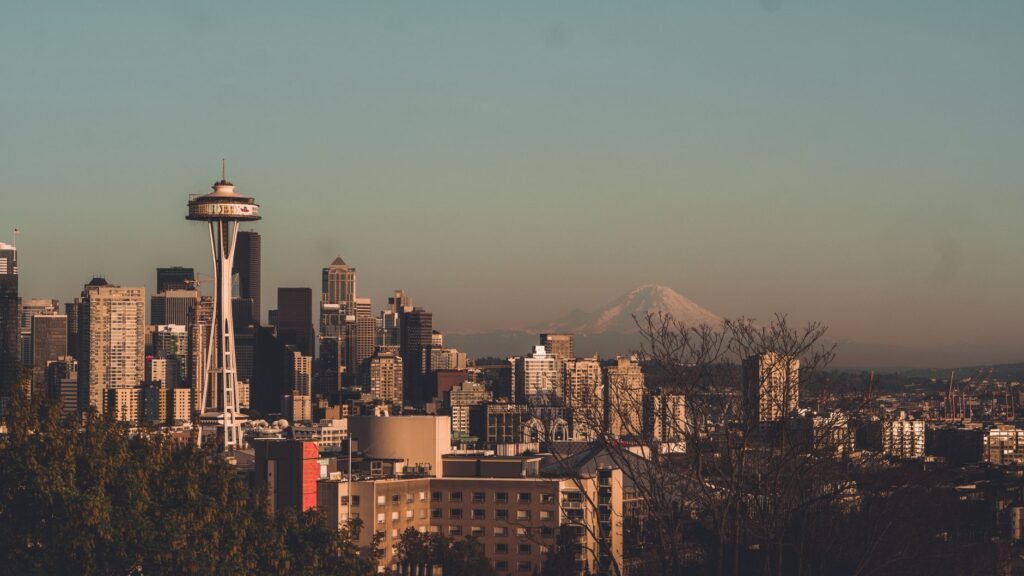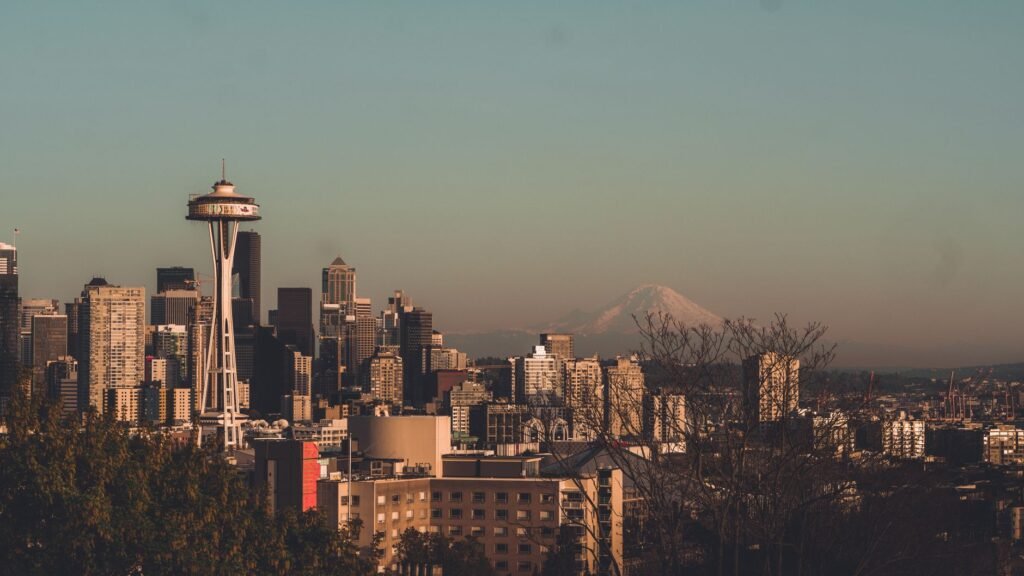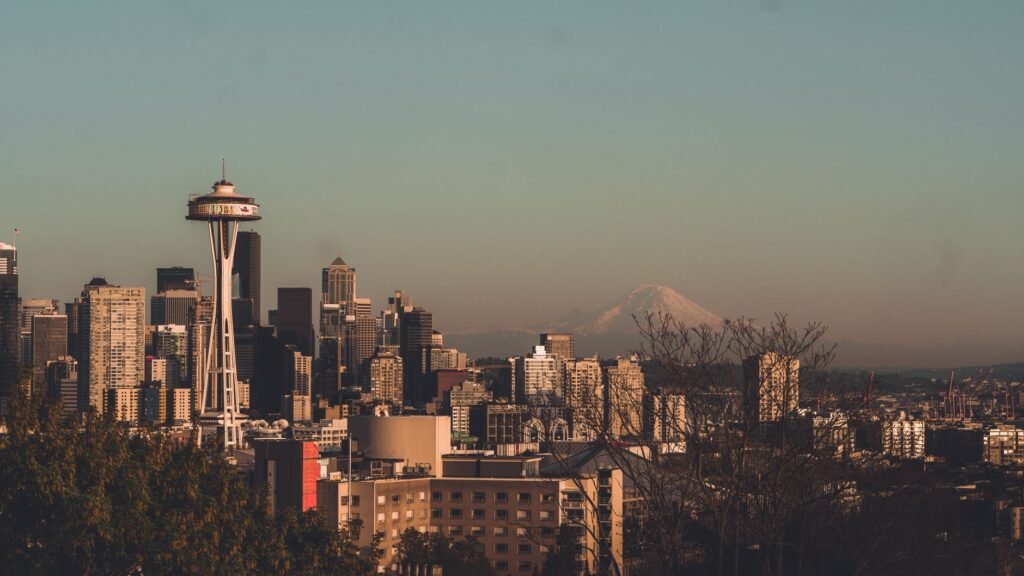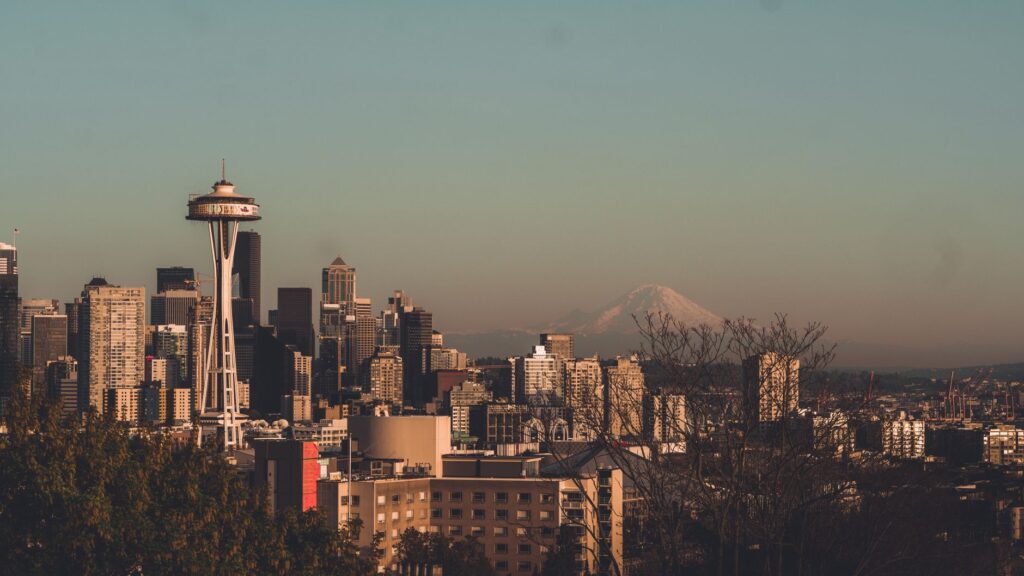
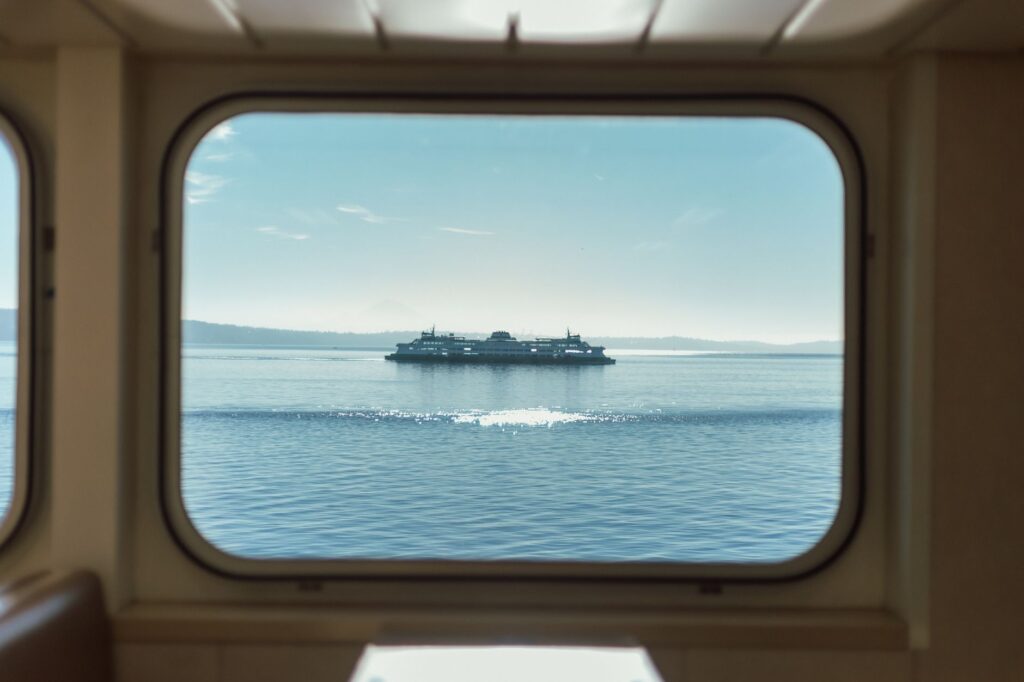
The best day trips from Seattle put you in the mountains, on the water, or in small towns within two hours of the city. You don’t need to commit to an overnight stay. You don’t need much planning. You just need a car and a morning start, and you can hit something genuinely worth the drive.
Seattle itself is fine, but it’s the edges that sing. The Puget Sound and the Cascade foothills are the real reason to visit this region. Most visitors never see them. They stay downtown, hit Pike Place Market, and call it a trip. That’s the trap. The real Seattle is the stuff you can reach before lunch.
San Juan Islands Ferry Trip from Seattle
Getting to the San Juans requires a ferry ride from Anacortes. That’s about 90 minutes north of downtown Seattle. From there, you catch a ferry to Orcas Island or San Juan Island. Yes, this adds time. But you’re not fighting city traffic the whole way.
Orcas Island is the bigger play for a real day trip. The ferry ride itself is the best part of the morning. You’re on the water for about an hour. You’ll see eagles. You’ll see mountains across the strait. The air gets cleaner the farther you get from the city.
Once you land, skip the tourist trap restaurants at the ferry terminal. Drive up to Moran State Park instead. The park sits about 20 minutes inland. You get a road that winds through old growth forest. You get views that open up when you least expect them.
Moran’s main draw is Mount Constitution. The road loops around it and climbs to about 2,400 feet. You can hike to the top. You can just drive the scenic loop. Either way, the view of the San Juans, the strait, and the Cascades beyond is a reminder that this region is not about the city at all.
Skip Eastsound village unless you want casual lunch. The restaurants are decent but not special. Pack a picnic instead. Eat it at one of the park overlooks. Come back down the mountain by mid-afternoon. Catch a ferry that gets you back to Anacortes by 5pm or so.
The ferry costs about $15 per car, $7 per passenger, depending on which island. Add the drive time and the ferry time, and you’re looking at a six or seven hour round trip. For most trips, that’s an easy call. The islands themselves shift something in how you see the region.
Snoqualmie Falls and the Cascade Foothills
Snoqualmie Falls is 30 miles southeast of downtown. It’s a 270-foot waterfall that roars in spring and early summer. The location is dramatic. The falls drop straight down through a canyon. You get the power of it even from a distance.
The visitor center sits right above the falls. Parking is free. A short path takes you down to the base where the mist hits your face. The smell of fresh water and stone is the whole point here. This is not a hike. This is a 15-minute stop.
But Snoqualmie is worth stretching into a longer morning. Drive east another 20 minutes to North Bend. The town sits in the valley below Mount Si. Mount Si is a steep 8-mile hike with a 3,150-foot gain. It’s brutal but quick. Most people summit in about three hours.
You don’t have to hike Si to make the trip work. The drive through the Snoqualmie Pass area alone is worth it. The road follows the Snoqualmie River valley. It’s green and tight and nothing like the city. The temperature drops as you gain elevation. In summer, it’s noticeably cooler here than downtown.
Grab lunch in North Bend. Prices are reasonable. The local shops are real, not imported. From there you can either push east toward the pass or double back toward the falls and head home. The whole trip takes four or five hours if you skip the hike. Add another three hours if you climb Si.
Why go? The Cascades get drier and more dramatic the farther east you go. Snoqualmie is the gateway. It’s the spot where you see the forest change. You see the river carve through rock. You see why people settle this close to the mountains.
Also read: Drive from Seattle to Portland Oregon
Vashon Island and Bainbridge Island
Both islands sit in Puget Sound directly west and northwest of Seattle. Both are accessible by ferry from downtown. Both feel removed from the city even though they’re only 30 to 40 minutes away.
Bainbridge Island is the richer, more polished option. The ferry terminal anchors the town of Winslow. Walkable shops and restaurants line the main street. The houses near the water are substantial. This is Seattle money, moved to a quieter location.
Vashon Island is grittier and quieter still. The ferry dock sits on the southern tip. The main drag, if you can call it that, is more modest. Farms and forests dominate the interior. Artists live here. Families live here. You won’t see investment bankers.
For a day trip, Vashon works better than Bainbridge. There’s less to do on Bainbridge if you’re just passing through. You walk around Winslow for an hour. You get coffee. You get lunch. Then what? The residential neighborhoods are lovely but not tour-worthy.
Vashon gives you more of an island feel. Drive from the ferry dock north through the center of the island. Stop at local farms or farmstands. Visit galleries if that appeals. There’s a small museum. There’s access to beaches and coves on the west side of the island. The whole island is only about 15 miles end to end.
The ferry ride to either island takes about 35 minutes from the downtown terminal. Both islands cost the same to reach. For Bainbridge, plan three or four hours on the island. For Vashon, plan four to five hours. Both trips work as morning outings. You’re back in the city by dinner.
Tacoma and the Museum District
Tacoma sits 50 miles south of Seattle. The drive takes about an hour. Most Seattle visitors skip Tacoma entirely. They see it as a gray industrial town. That read is dated.
The waterfront has transformed. The Museum District especially is strong. The Tacoma Art Museum is good. The Pacific Northwest Art Museum is better. The Point Defiance Zoo is solid if you’re traveling with kids.
But the real reason to go to Tacoma is the waterfront walk and the view back north across the sound. The Olympic Mountains are clearer from here than from Seattle. On a clear day, you see Mount Rainier rising behind the city. That view changes how you see the whole region.
Walk the waterfront for an hour. Eat lunch at one of the newer spots along the water. The restaurants here are less crowded and cheaper than Seattle. The quality is often higher. Then drive through Point Defiance Park before heading back north. The park road climbs through forest and opens onto the water.
Tacoma works as a half-day trip. You can be there, eat, and back in Seattle by early evening. For most people, it’s useful as a break from the city rather than a real outdoor escape. Still, it’s worth knowing about.
Mount Rainier from the Nisqually Entrance
Mount Rainier National Park sits about 90 minutes southeast of Seattle. The Nisqually Entrance is the closest gate to the city. From there, you drive the Wonderland Road as far as Paradise, about 20 miles up into the park.
This is a serious mountain. Rainier is 14,411 feet high. The snow never fully melts from the upper elevations. Even in summer, patches stay on the ground. The road climbing up through the park enters a different world.
Most people drive to Paradise and turn around. The visitor center sits at about 5,400 feet. The alpine meadows open below the glaciers. The air gets thin. The light changes. In July and August, the wildflowers are stunning.
If you have time for a hike, the Skyline Trail at Paradise is the move. It’s a four-mile loop with about 1,600 feet of elevation gain. Most people can do it in two to three hours. The trail puts you right at the base of Rainier’s glaciers. The sound of meltwater echoes through the valleys.
Bring warm layers even in summer. The weather can flip fast. Rain comes without warning. The temperature drops noticeably as you climb. Pack water and snacks. The food at the visitor center is basic and expensive.
The park entrance fee is $30 per vehicle. You can spend three or four hours here and call it a day. You can also spend eight hours and still feel like you’ve only scratched the surface. The mountain pulls your attention in a way city sights don’t.
Read more: Mount Rainier National Park
The Route Up to the Pass
Snoqualmie Pass is the main highway crossing the Cascades between Seattle and Spokane. The pass sits at about 3,000 feet. The drive from the city takes roughly 90 minutes.
This is mostly a scenic drive rather than a destination. But the drive itself is worth doing. The road follows the Snoqualmie River east from North Bend. The canyon gets tighter as you climb. The forest changes. The granite shows through the trees.
There’s a ski area at the pass. In winter, the parking lot fills with skiers. In summer, the area is quiet. A short walk from the lodge parking area takes you to a view of the surrounding peaks. The air gets crisp. The smell of evergreen is constant.
This route makes sense as an extension of a Snoqualmie Falls trip. Stop at the falls in the morning. Eat lunch in North Bend. Drive to the pass for a late afternoon walk. Head back down as the light changes. You’re home by dark.
Timing and Logistics
Most of these trips work best from May through October. Winter rains make the drive less appealing. The higher elevations get snow, closing roads unpredictably. Spring and fall are actually better than summer. The crowds are smaller. The light is richer. The temperature is comfortable for hiking.
Start early. Leave the city by 8am or earlier. You dodge commute traffic on the way out. You gain three or four hours of daylight at your destination. Traffic coming back north can be brutal on weekend afternoons. Leave a spot by 4pm. You’ll still hit rush hour but not the worst of it.
The season matters for specific trips. San Juan Islands ferries run year round but get crowded in July and August. Book a return ferry in advance if you’re going mid-summer. Snoqualmie Falls is most powerful in May and June when snowmelt is heavy. Mount Rainier access depends on snow. The high roads usually open by late June.
Bring layers. The coast is 10 to 15 degrees cooler than Seattle. The mountains are 15 to 20 degrees cooler. Rain gear is not optional. Waterproof jackets pack small. Bring them. Pack water. Pack snacks. Bring a full tank of gas. Not all spots have convenient fill-ups.
Download offline maps before you leave the city. Cell service is spotty once you leave the main highways. Know your ferry times. Ferries don’t wait. Plan your return carefully. This is the difference between a smooth day and a scramble.
Each of these trips lets you understand something true about the region. The San Juans show you why people move to the Pacific Northwest. Snoqualmie shows you the raw landscape beneath the city. Mount Rainier shows you the scale of this place. Vashon shows you the quieter life possible on the water. Do one of these trips before you decide if Seattle is the place for you. The city itself is secondary to what surrounds it.