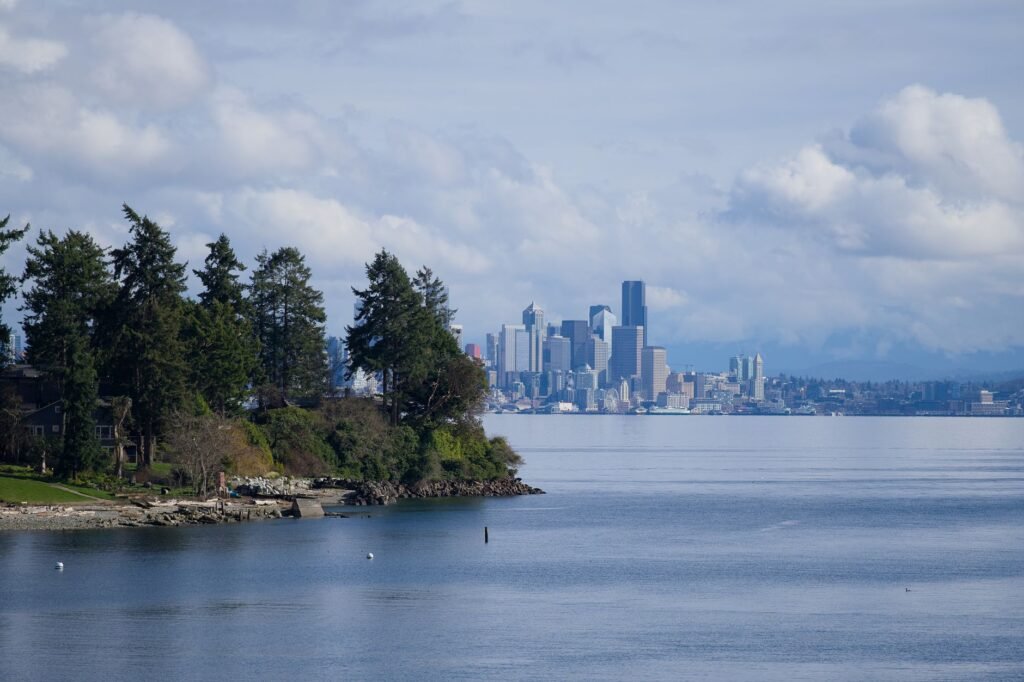

Seattle to the Pacific coast is roughly a three-hour drive or more, depending on where you are going and how traffic and ferries line up. The Washington coast is not one continuous beach, so choose a region first. The Olympic Peninsula has wild, rocky shores and rain forest, while the southern coast has long sandy beaches. Check current road, ferry, and park conditions before you travel. Start early, since Seattle-area traffic can slow the first part of the drive.
If you are traveling alone, see our solo trip to Seattle guide for city planning tips.
Choose Your Coastal Destination
The Northern Coast: Olympic National Park
The northern coast is known for sea stacks, driftwood-covered beaches, and forests that reach the shore. Popular spots include:
- Rialto Beach near La Push: Large driftwood and sea stacks. Tides and conditions matter, so check a tide table before walking along the shore.
- Second Beach: Reached by a short forest trail from a parking area near La Push.
- Ruby Beach: A scenic beach along US-101 on the Olympic coast, with sea stacks and driftwood.
Facilities are limited and the weather is often cool, windy, and wet. Some beaches are part of Olympic National Park, so check park rules, fees, and any requirements for camping or wilderness permits.
The Southern Coast: Long Beach Peninsula
The Long Beach Peninsula in southwest Washington has a long stretch of sandy beach, small resort towns, and kite flying. Drive routes usually involve I-5 south and then highways west, including US-101 and state routes. Use a map app for the best current route from your starting point. Some beaches allow vehicles under specific rules, so check local regulations first.
The Olympic Peninsula Loop
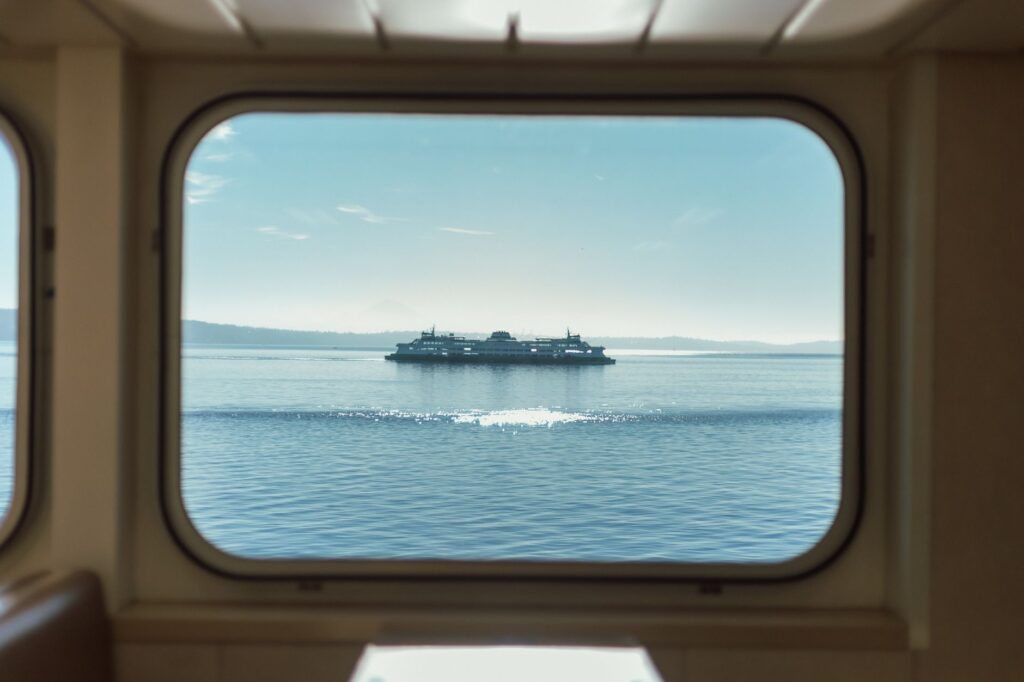
A loop around the Olympic Peninsula is a classic multi-day trip. Plan at least two to three days, since roads are winding and distances are long. A common starting point is the Washington State Ferry from Seattle to Bainbridge Island, which takes about 35 minutes. From there, you can continue north toward Port Townsend, then west on US-101 toward Port Angeles.
- Port Townsend: A Victorian seaport with shops and restaurants.
- Port Angeles: Gateway to Olympic National Park and Hurricane Ridge. Check road status before heading up.
- Lake Crescent: A deep, clear lake on US-101. The Marymere Falls trail is a short, relatively easy walk of under two miles round trip.
- Hoh Rain Forest: A temperate rain forest with mossy trees and short trails. Check the park website for current access.
From the west side, the route continues south along the coast. Cell service can be limited, so download maps ahead of time.
Also read: Road Trip From Seattle to Yellowstone National Park
What to Pack
The coast can be cool and windy even in summer, and the ocean is cold year-round.
- Windproof and waterproof jacket
- Sturdy shoes with good grip
- Extra socks and a change of clothes
- Waterproof bag for electronics
- Layers rather than swimwear
Southern Route Toward Astoria
If you want to continue south, a drive through southwest Washington can take you across the Columbia River to Astoria, Oregon, via the Astoria-Megler Bridge, which is about four miles long. Aberdeen, in Grays Harbor, is a former timber and port town. Astoria has historic buildings, a working waterfront, and local breweries and restaurants. Check driving times and conditions on a map app.
Where to Eat
Seafood is a highlight along the coast. Oyster farms and small seafood restaurants are common near Hood Canal and the coast, including the Hama Hama Oyster Saloon in Lilliwaup on Hood Canal. Hours are often seasonal, so check before you go. In many small towns, services close early, and some places accept limited payment methods, so keep some cash and fill up on food and fuel when you can.
Driving Tips
- Coastal highways are mostly two lanes and can include logging trucks, so keep a safe following distance.
- Use pullouts to let faster traffic pass. Washington law requires slow vehicles with a line of traffic behind them to pull over when safe.
- Watch for deer and elk, especially at dawn and dusk.
- Fill up the gas tank before heading to remote areas, as stations can be far apart.
Best Time to Go
Summer is generally the driest period but also the busiest, with lodging booking up early. Spring and fall have fewer visitors but more rain. Winter storms can bring dramatic waves, but also road closures and fewer open businesses. Check weather and tide forecasts before you go.
Where to Stay
Lodging on the coast includes small motels, vacation rentals, campgrounds, and lodges. Kalaloch Lodge is a well-known lodge in Olympic National Park on the Pacific coast. Seabrook is a planned beach community on the coast with vacation rentals. Forks and Port Angeles are other bases with motels. Reserve ahead for summer, and check current rates and policies.
State Parks and Passes
Washington State Parks usually require a Discover Pass for vehicle access, available as a day pass or annual pass. Prices change, so check the official site. Parks along the way include Fort Worden near Port Townsend and Cape Disappointment near Ilwaco. Olympic National Park has its own entrance fees and passes.
Final Tips
- With one day, choose a single destination rather than trying to see several.
- With a long weekend, consider the Olympic Peninsula loop.
- Carry some cash, since small stands and shops may not accept cards.
- Check ferry schedules, road conditions, and weather before you leave.
Information changes often. Spotted an error? Tell us via the contact page.