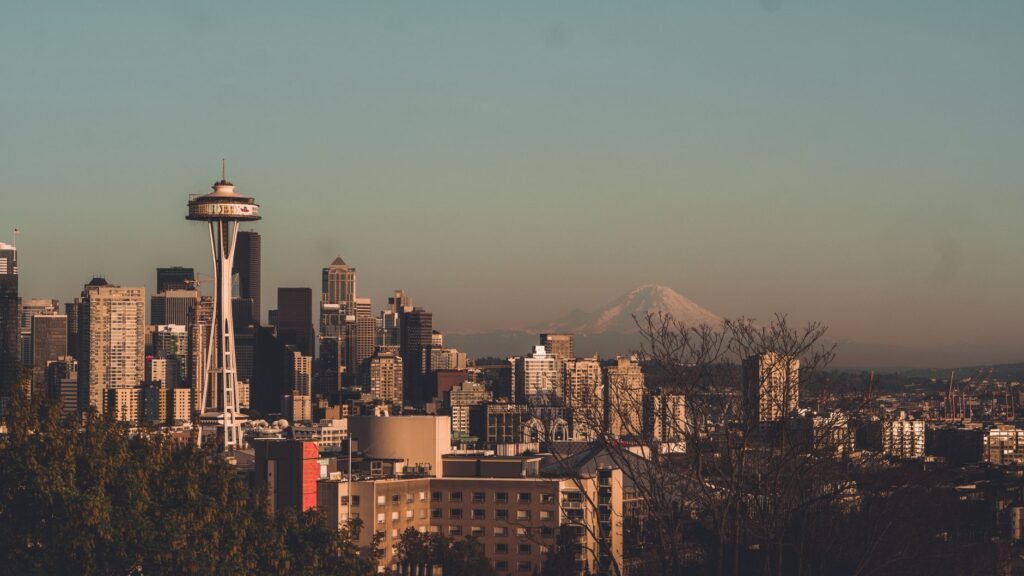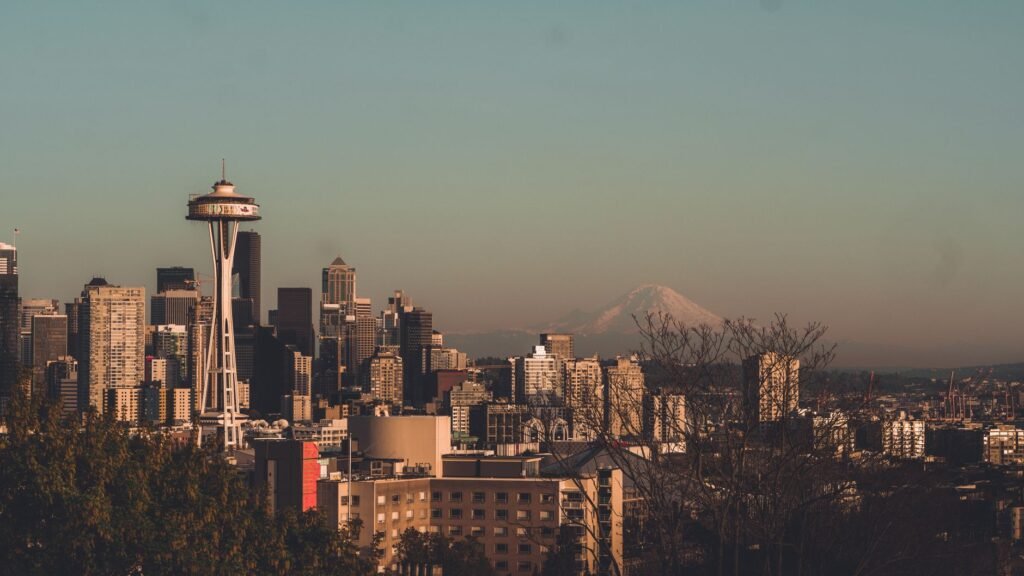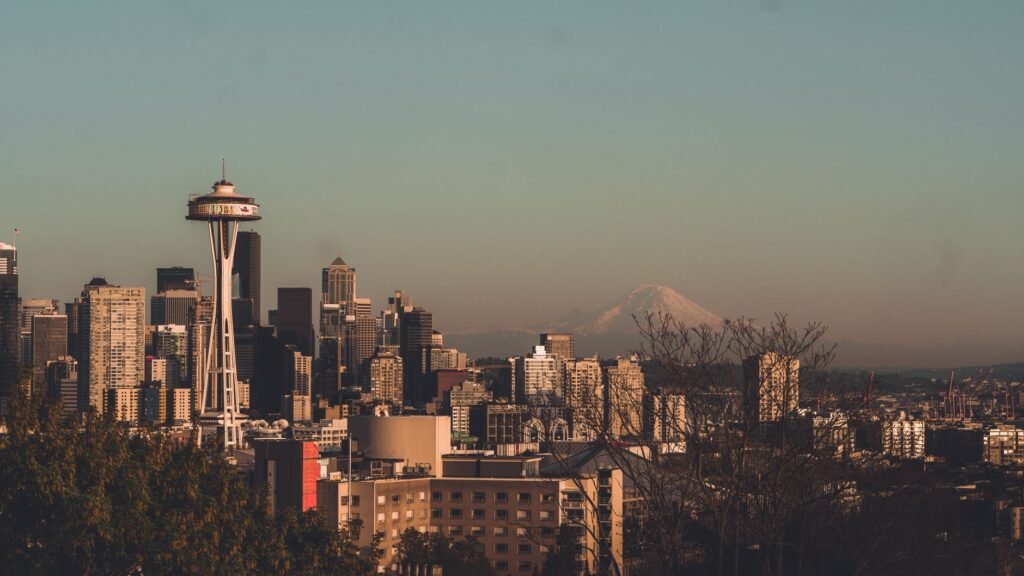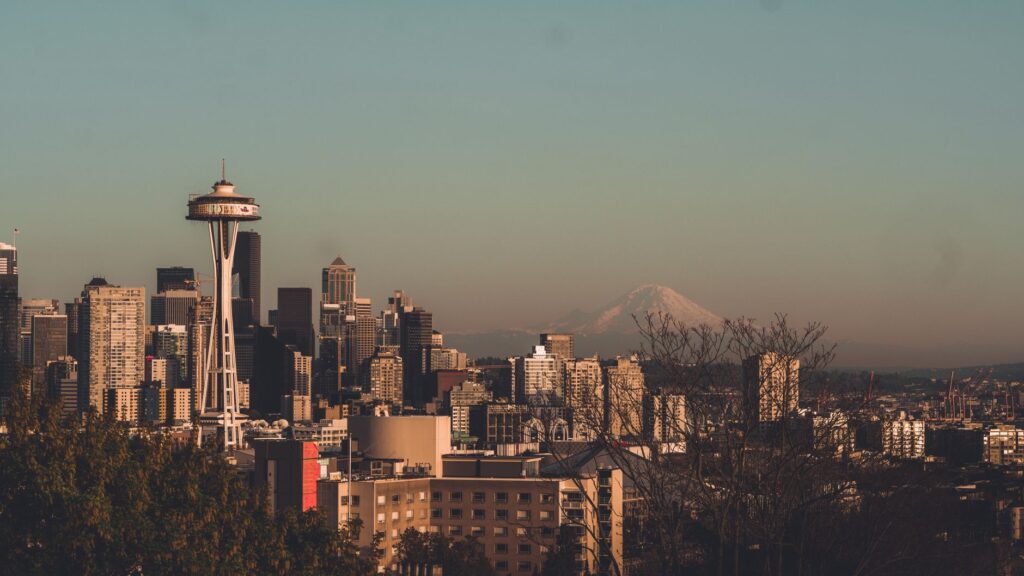
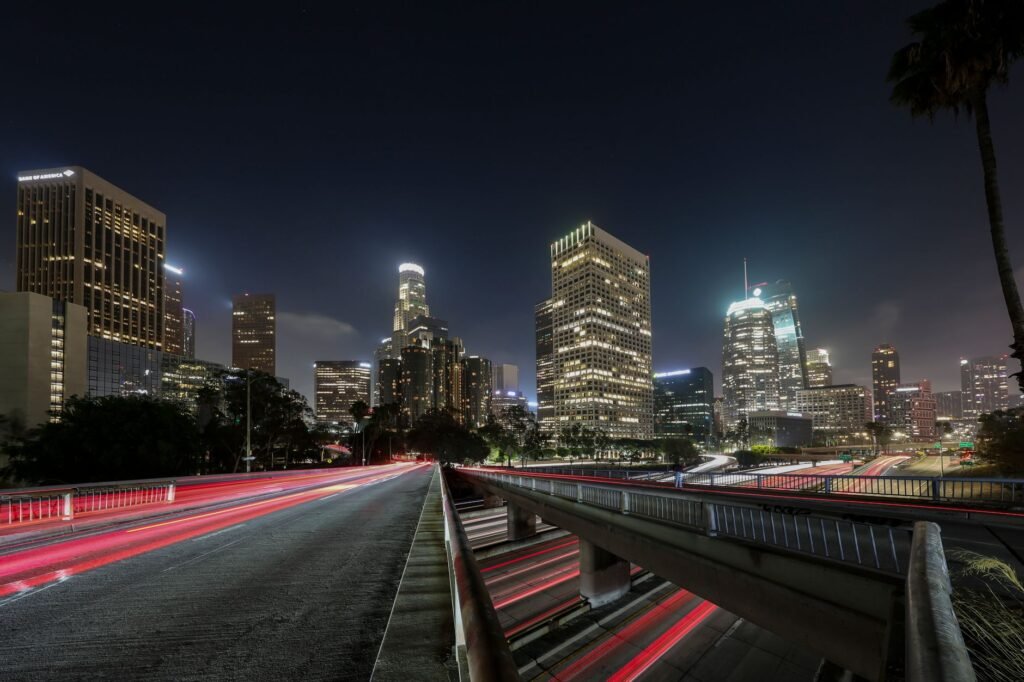
The Seattle to Los Angeles road trip takes about 20 hours of driving spread across three to five days. That’s the skeleton. The real trip is what happens in between, and frankly, most people skip the good parts. You can blast down Interstate 5 and hit both cities in 48 hours. You can also waste a week and still not see what makes this coastline worth the fuel money. The difference where you stop and why.
I took this drive five times before I figured out the real route. The first time I did the full I-5 haul. The second time I swore I’d never do it again. By the fifth run, I had a list that actually worked. It’s not complicated. But there are traps you need to know about.
The Route Breakdown
Your basic los angeles to seattle road trip follows one of two paths. The inland route hugs I-5 straight through the Central Valley. The coastal route takes Highway 101 and adds two to four hours but gives you the Pacific for half the drive. The inland route is faster and cheaper on gas. The coastal route is slower and costs more and is worth every dollar.
I recommend the coastal version if you have the time. Not because the scenery is nice. Because the drive itself is more interesting, and you’ll actually see something that changes your thinking about the West Coast. The inland route through agricultural California gets dull after the first 100 miles. You see fields. Then more fields. Then truck stops.
If you’re in a hurry, take I-5. You’ll get there. You’ll also wonder why anyone romanticizes this drive at all. For a three to five day trip with no strict deadline, the 101 is the better call. The actual time difference is smaller than people think, and you break up the monotony with actual places instead of rest stops.
Breaking Down the Route
The coastal route runs from Seattle south through Portland, then cuts down the Oregon coast to Northern California. From there it follows Highway 101 through Eureka, past the redwoods, and into wine country. You hit San Francisco around day two or three. From San Francisco, the 101 curves south through Big Sur and into Los Angeles. The drive is roughly 840 miles, but the route doesn’t run in straight lines.
Your stops matter more than your speed here. A logical three day push takes you from Seattle to Eugene on day one. From Eugene down to San Francisco on day two. From San Francisco to Los Angeles on day three. That’s doable but tight. A four day run gives you breathing room. You stop somewhere near the Oregon Coast on day one. You push down to Big Sur on day two and stay overnight. Then you finish to Los Angeles on day three.
The five day version is the one I recommend for anyone who isn’t desperate. It lets you actually see things instead of just drive past them. You stop in Portland the first night. You spend the second night on the Oregon Coast. You spend the third night in or near San Francisco. You break up the Big Sur drive to Monterey or Carmel. Then you finish to LA the last day. Sound like a lot? It spreads the driving to five to six hours per day. That’s easy.
Where to Stop and Why
Portland happens naturally about four hours south of Seattle. If you’re leaving Seattle early, you’ll hit Portland around noon. The food scene is worth two hours. The neighborhoods north of downtown are good for a walk and lunch. Don’t try to cram too much. Portland is not a pit stop. It’s a place that rewards a slow approach. If you only have 90 minutes, grab food in the Pearl District and move on. If you have three hours, walk around the Alberta Arts District. The older, funkier Portland lives there, not downtown.
Where you spend night one depends on your pace. If you stop in Portland for real, you’ll leave at four in the afternoon. That puts you in Eugene by nine at night. Eugene is fine. It’s a college town with decent hotels and decent food. Nothing special. But it’s a real place with real restaurants. You can eat well without hunting.
The real prize is the Oregon Coast stretch from Eugene down to the California border. This takes five to six hours and most people skip it entirely. They drive inland and save time. This is where you learn to think of the 101 as worth the detour. The coast between Coos Bay and Crescent City has vertical cliffs, sea caves, and empty beaches. The town of Bandon sits on a black rock peninsula. The Heceta Head lighthouse sits on a high point looking south. These aren’t theme park attractions. They’re just good places that reward a stop.
Your second night often lands you at Eureka or just south near Fortuna. Eureka is a Victorian logging town that’s slowly coming back to life. The downtown is shabby in the right way. Hotels are cheap. The food is basic but solid. You’re close enough to the Humboldt Lagoons that you could do a morning kayak if that appeals to you. Most people don’t. But the option is there.
Also read: Road trip from seattle to yellowstone national park
The Drive South Through California
From Eureka to San Francisco is a long day. It’s about 300 miles and takes six to seven hours with breaks. The drive starts in redwood country, which is actually dense and quiet in a way that . The trees are genuinely massive. Then the 101 curves inland and the landscape flattens out. By the time you hit the wine country north of San Francisco, you’ve been driving too long. Plan to stop in Napa or Sonoma if you have the time. Plan to push straight through if you don’t.
San Francisco is the pivot point. You arrive late afternoon or early evening. Check into your hotel. Do not drive around the city looking for sightseeing. Spend 24 hours in the city if you can. Walk the neighborhoods. Eat well. See the Golden Gate Bridge from the city side, not the tourist overlook. Go to the Ferry Building Market early in the morning. The smell of fish and coffee near the market at 7am will tell you more about the place than any guidebook. Then leave the next afternoon.
The drive from San Francisco to Los Angeles is where people usually get foolish. The direct route is 380 miles and takes six hours straight. That road is Highway 101 through the central coast. You can cover it in one day. Some people do. They leave San Francisco at eight in the morning and hit Los Angeles at three in the afternoon.
Don’t do that.
The Big Sur Detour
The better route leaves San Francisco heading south and cuts inland to the coast at Monterey. From Monterey, you take Highway 1 down the Big Sur coast. This adds about 50 miles and four to five hours to your total time. Those hours are the best hours of the entire drive. The road runs right along the edge of 1,000 foot cliffs. The ocean sits directly next to you. The curves are tight. The views are constant. There’s nothing to compare it to unless you’ve driven the Amalfi Coast or the edge of Corsica. For most Americans, this is the most dramatic coastal driving they’ll ever do.
Stop at Pfeiffer Beach. Stop at McWay Falls. Stop at Bixby Bridge. Stop often. The weather can be foggy or clear, and both conditions feel different enough to warrant an extra stop each. You’ll understand why people make this drive multiple times. The return trip usually involves the inland route. That’s fine. But if this is your first time, Big Sur is mandatory.
You’ll need to allocate a full day for the San Francisco to Big Sur to Carmel leg. That’s eight to nine hours of driving with stops. It’s better to stay overnight in Carmel or Monterey and finish to Los Angeles the next morning. Carmel is a small, expensive town with good hotels and good restaurants. Monterey is bigger and more touristy but has more options at lower prices.
Final Push to Los Angeles
From Carmel or Monterey to Los Angeles is about 320 miles and takes six hours without serious stops. You’ll pass San Luis Obispo, Santa Barbara, and Ventura. San Luis Obispo is a nice college town. You could stop for lunch. Santa Barbara has expensive hotels and good restaurants. Unless you want to spend the night, it’s a lunch stop only. Ventura is less charming but still real. By Ventura, you’re in the Los Angeles metropolitan area. The drive gets more congested as you approach the city.
Arrive in Los Angeles in the afternoon or evening. Don’t try to drive the city the same day you arrive. Find your hotel, park the car, and walk. Los Angeles is a driving city, but you don’t need a car for your first evening. Rest.
Also read: How far is seattle from los angeles
What to Pack and Know Before You Go
The coast is cooler than inland areas. Bring layers. The sun is strong in the afternoons. Bring sunscreen. The drives are long. Bring water and snacks. If you plan to do any hiking or beach walking, bring shoes rated for wet conditions. The rocks are slippery.
Timing matters more than speed on this route. Here’s what works practically:
- Leave Seattle early morning, aim for Eugene by evening.
- Leave Eugene mid-morning, stop at Oregon Coast spots, aim for Eureka.
- Leave Eureka mid-morning, drive to Monterey or Carmel, no stops.
- Spend day four on Big Sur with frequent stops.
- Leave Carmel early, arrive Los Angeles by evening.
Gas costs about $80 to $120 for the full trip depending on your car. Hotels run $80 to $200 per night depending on location and season. Food depends on how you eat. Budget $40 to $80 per day if you’re eating out for most meals.
The weather changes rapidly. Bring rain gear even in summer. The coast fogs up without warning. Don’t panic. It’s normal. It passes.
The Real Reason to Make This Drive
Most road trips are excuses to get somewhere. This one is the reason. The drive itself is the point. You’ll see why people stay in the Pacific Northwest or move to California after they make this trip. You’ll understand the geography in a way no flight ever teaches. And you’ll know that some drives are worth slowing down for.
Reference: Wikipedia