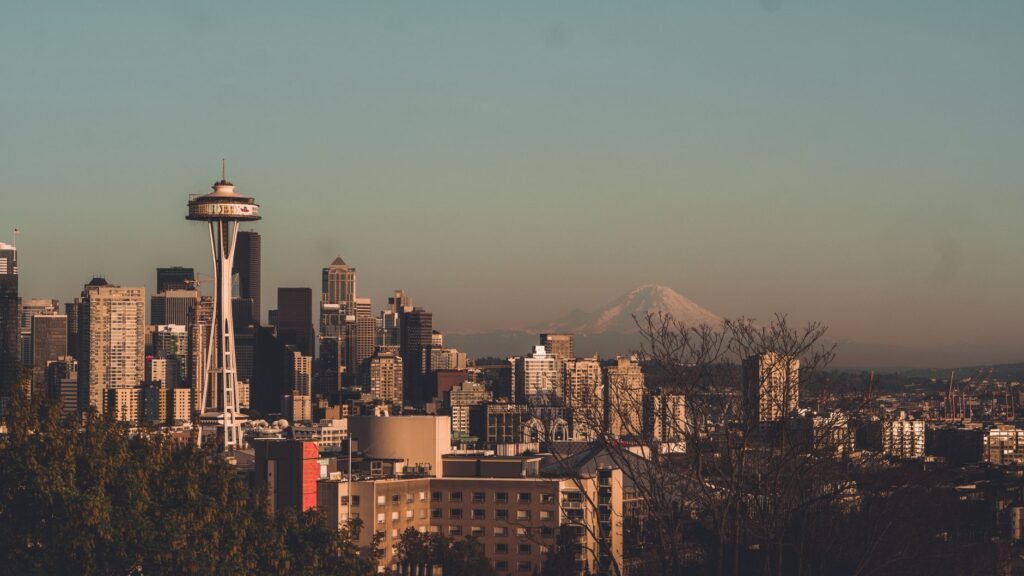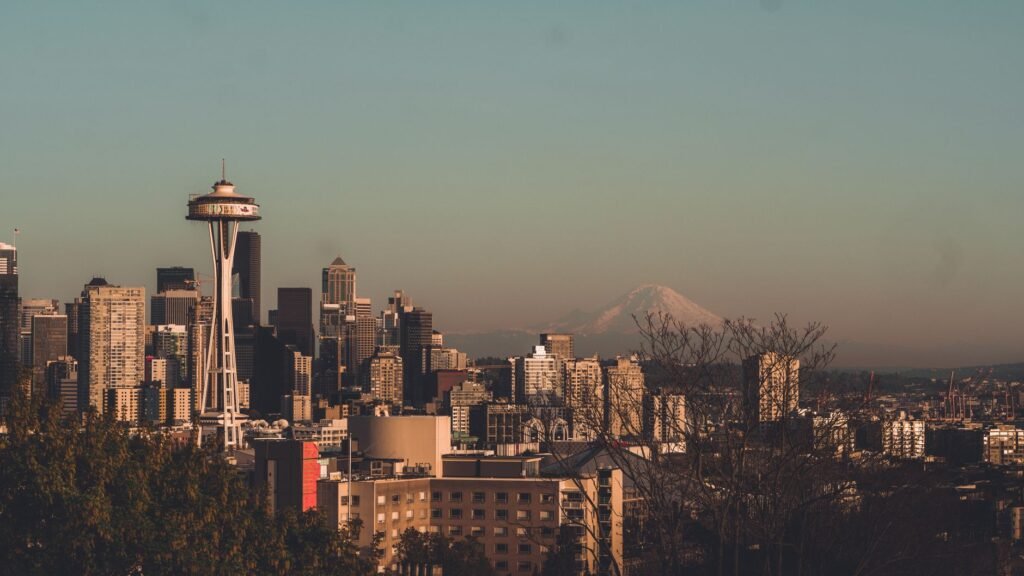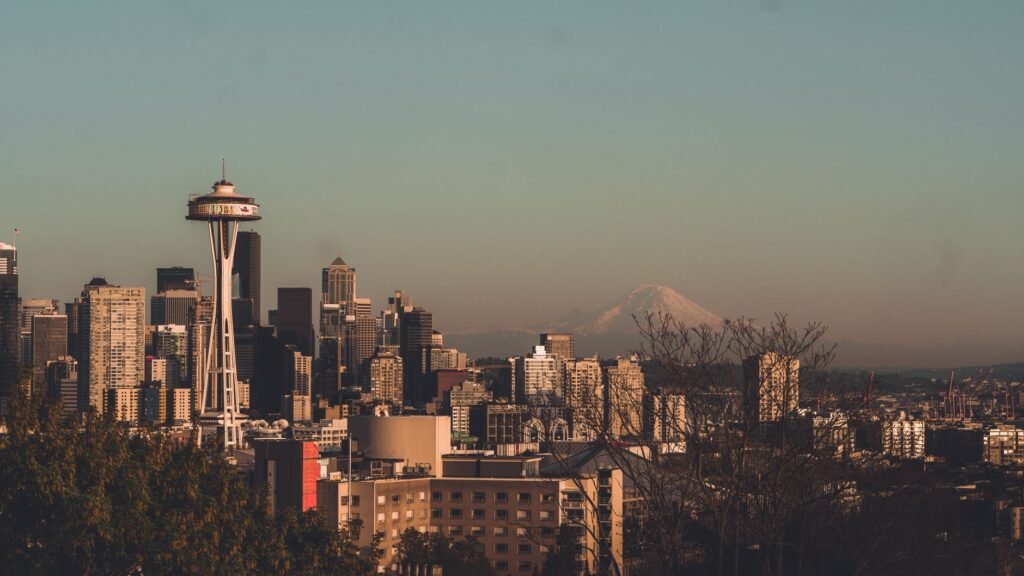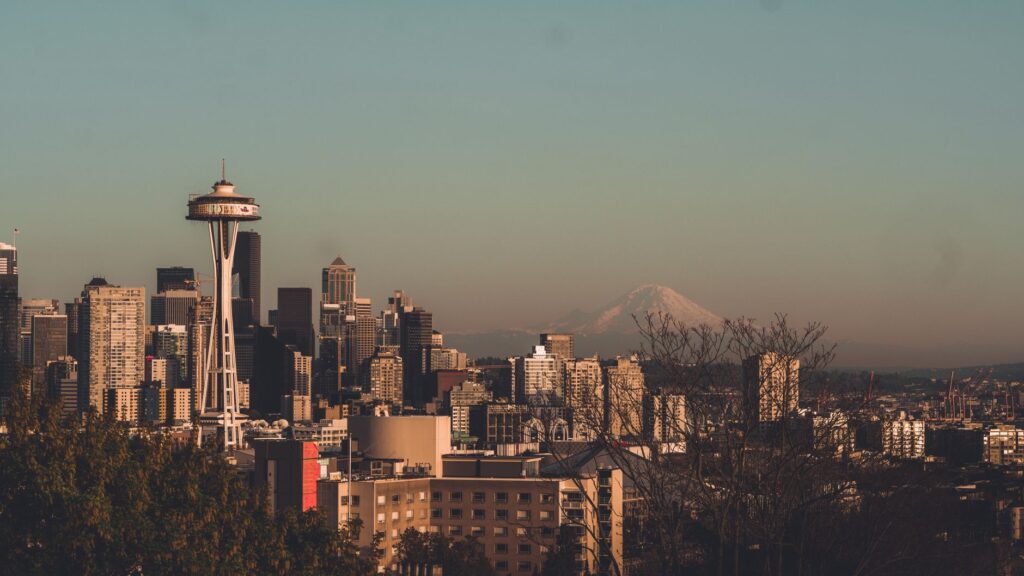
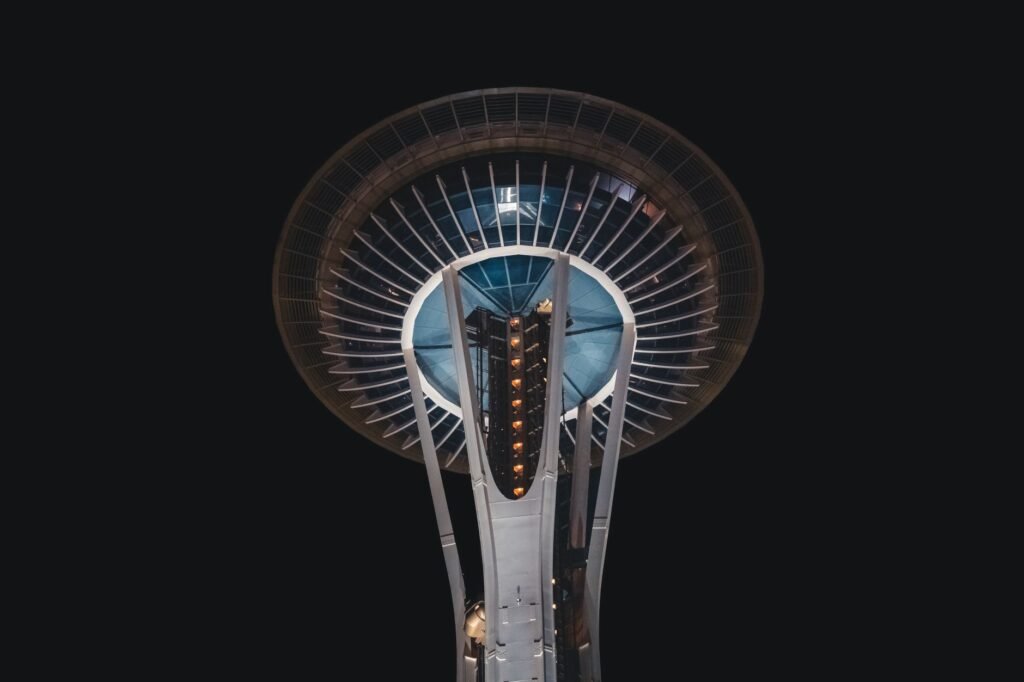
The Space Needle area of Seattle offers far more than just the tower itself. You can fill two full days here with museums, parks, markets, and neighborhoods worth your time. Most visitors spend only a few hours at the Needle and miss the real Seattle that surrounds it.
The Space Needle is a landmark, but it is not the whole story. Walk out of the observation deck and you have the entire Seattle Center campus at your feet. Add the neighborhoods just beyond that. Suddenly your trip goes from a quick photo op to something much richer.
What to Do at Seattle Center
Seattle Center is the hub where the Space Needle stands. It occupies about 74 acres just north of downtown. The grounds host museums, theaters, gardens, and open spaces. Most of what you want to see is walkable. Plan to spend the better part of a day here.
Start with the museums because the lines move fast early. The Chihuly Garden and Glass is the main draw here. It showcases glass art in a way that feels immersive. The collection is enormous and the garden outside is genuinely good. Budget two hours minimum. Admission runs about $25 to $30 per person.
The Museum of Flight is a solid choice if you like aviation. It lives at the southern edge of the Center. Kids love the flight simulators. Adults often find the vintage aircraft collection worth the visit. Admission is roughly $23 to $28.
The Pacific Science Center appeals most to families with younger children. It has hands-on exhibits and an IMAX theater. If your group skews older or has no kids, the other museums offer more depth. Entry costs around $20 to $25.
What you should actually do depends on your interests and how long you have. Here is a realistic timeline for different visit lengths:
- Two hours: Space Needle only plus a walk around the grounds and a quick lunch.
- Four hours: Space Needle, one museum, and lunch at one of the food vendors.
- Full day: Space Needle, two museums, a meal, and time in the parks.
- Two days: Add neighborhoods beyond the Center, Pike Place Market, and a second evening activity.
The Space Needle itself takes about 90 minutes from arrival to exit. Go early, before 10am. Afternoon crowds are brutal. Skip the paid dinner reservation unless you have money to burn. The view is the point, not the mediocre food.
The grounds between the museums are worth a walk. The International Fountain is photogenic and free. The Key Arena hosts events but is mostly closed to walkers. The green space is pleasant on a clear day. Seattle weather is not tropical though. Even in summer, bring layers.
Pike Place Market and Nearby Neighborhoods
Pike Place Market sits about one mile south of the Space Needle. It is the most famous market in the Pacific Northwest. Do not skip it based on the hype. The market is real and worth a visit.
Get there before 10am or after 3pm if you value breathing room. Mid-morning and afternoon are peak times. The experience is still good in a crowd, but not ideal. Parking nearby is tight. Use the paid lots rather than hunting for street spots. Save 90 minutes for a first visit.
Walk the main floor first for the fish vendors and produce stands. The smell of fish and coffee near the stalls at 7am is nothing like the cleaned up version at noon. Fish mongers throw salmon for tourists. It is silly and worth seeing once. Then move on.
The upper levels hold vintage shops, jewelry vendors, and random finds. You can waste two hours here easily. Some shops are overpriced for tourists. Others offer genuine deals on local goods. The best buys tend to be in the less flashy stalls away from the main corridor.
Eat while you are there. The market has dozens of quick options. Piroshky Piroshky serves Russian hand pies that are filling and cheap. Matt’s in the Market is a proper restaurant with a view if you want to sit down. The produce is fresh and the experience is real.
Just south of Pike Place is the historic Pioneer Square neighborhood. It is older than Seattle Center and has more character. The brick buildings and cobblestone streets feel like actual Seattle history. The neighborhood also has more bars and restaurants than you need.
Head east from the market toward the waterfront. The Seattle Aquarium is there. If you have kids or love sea life, it is worth 90 minutes. The otters and jellyfish tanks are the highlights. Parking is pricey and limited. Take the monorail back to the Needle if you came that way. It connects directly to Seattle Center.
The waterfront itself is walkable and has improved a lot in recent years. The Ferris wheel is new and offers a different view than the Needle. It is shorter and closer to the water. The crowds are smaller. If you enjoy heights, both are good. If you get queasy, pick one.
Also read: Things to Do in Seattle Near Pike Place
Ballard and Fremont: Neighborhood Character
Ballard is about three miles northwest of the Space Needle. It is a neighborhood with actual residents rather than tourists. The streets feel like real Seattle, not a postcard version.
The Nordic heritage is still visible here. You will find good Scandinavian restaurants and shops. The Ballard Locks are free and genuinely interesting. You watch fish swim upstream toward their spawning grounds. It is better than it sounds. Most people spend 30 to 45 minutes here.
The neighborhood also has strong breweries and coffee culture. Stoup Brewing is worth a stop if you like beer. The tap room is casual and the staff knows the product. No pretense. Several coffee roasters operate here too. Convoy Coffee is a favorite of people who live in Seattle.
Fremont is just east of Ballard, separated by the Ballard Bridge. It is the odd-duck neighborhood in Seattle. The tone is creative and slightly weird. Tourists often find it overrated. Locals like it partly because tourists often find it overrated.
The Fremont Sunday Market runs Sundays year-round. It is smaller than Pike Place but has more personality. Local artists and craftspeople sell directly. Prices are fair and the crowd is mixed with locals. If you are in Seattle on a Sunday, go.
The Fremont Troll lives under the Aurora Bridge. It is a massive sculpture holding a car. It is free and takes five minutes to see. It is exactly as strange as it sounds. Kids like it. Adults find it oddly charming or just odd. Worth the detour if you are in the neighborhood.
Neither Ballard nor Fremont are on the way to or from the Space Needle. You have to drive or take a bus. Both neighborhoods reward a visit if you have a second day. The food is better than downtown. The vibe is more relaxed.
Capitol Hill and University District
Capitol Hill lies directly east of downtown and south of Lake Union. It is the cultural heart of Seattle. The neighborhood has excellent bars, music venues, restaurants, and shops.
The Pike-Pine corridor is the main strip. It runs for about six blocks. Most of what you want to do is within a few blocks of this street. Parking is terrible on evenings and weekends. Use a rideshare or the bus. Your wallet will thank you.
Live music venues are the main draw. The Crocodile is a legendary spot. Neumos and Q Nightclub host bigger acts. Smaller venues like Kremwerk offer lower pressure admission. Cover charges range from free to $20 depending on the band. Check ahead or you might arrive to an empty room.
The food scene is diverse and not expensive. Oddfellows Cafe serves coffee and simple food. Momiji serves excellent Japanese food. Skillet Street Food runs a food cart but also has a sit-down space. Thai, Vietnamese, Ethiopian, and Italian restaurants dot the neighborhood. You will not go hungry.
The main reason to visit Capitol Hill is the evening scene. This is where Seattle’s nightlife lives. Tourists sometimes skip it in favor of Pike Place and the waterfront. That is a mistake. One evening in Capitol Hill beats a full day of paid attractions.
The University District is north of the city near the University of Washington campus. It is worth an afternoon if you have time. The neighborhood has a younger vibe and good bookstores. University Book Store is the main draw. It occupies an entire city block. The used section is excellent.
The Ave, as locals call University Way, has cheap food and shops. It feels like college town America. If you want to blend with students and young professionals, spend a few hours here. Parking is easier than Capitol Hill but still difficult.
Practical Things to Know
Getting around Seattle without a car is realistic near the Space Needle. The monorail connects the Needle to downtown in ten minutes. Buses run frequently from Seattle Center to most neighborhoods. The light rail opened between downtown and the airport. Do not expect the frequency of New York or San Francisco. Seattle transit is adequate, not excellent.
Driving is an option but downtown parking is expensive. Most lots run $15 to $25 per day. Neighborhoods like Ballard and Capitol Hill have cheaper street parking but it fills up quickly. A car is useful if you want to visit multiple neighborhoods in one day. Otherwise, use transit and walking.
Weather is the main variable. Seattle rains more than it snows. Rain is light most of the time, not the torrential downpours other cities see. Bring a jacket and accept that you might get damp. Summer is dry and mild. Fall and winter are grey and rainy. Spring is a nice middle ground. Pack layers regardless of season.
Seattle is safe by American standards. Downtown and the Space Needle area have normal urban issues. Petty theft from cars and bags happens. Violent crime is rare outside specific neighborhoods. Use normal city sense. Do not leave a bag on the seat of your car. Keep phones in your pocket downtown. Watch your drink at bars. These are common sense rules that apply everywhere.
Restaurants range from cheap to expensive. Pike Place has fast casual options from $10 to $20 per meal. Capitol Hill and Ballard have sit-down restaurants from $15 to $50 per plate depending on the place. Tipping is expected at 15 to 20 percent. Sales tax is about 10 percent and is added at the register.
The Space Needle area is best as part of a two or three-day Seattle visit. One day is enough to see the tower and walk around Seattle Center. Two days lets you add Pike Place and one neighborhood. Three days lets you explore Ballard or Capitol Hill in depth. Anything longer and you have time to find your own spots rather than relying on this guide.
Skip the underground tour downtown. It is touristy and overpriced. Skip the waterfront hotels unless money is no object. Stay on Capitol Hill or in the Central District if you want neighborhood feel. Stay near Seattle Center if you want to be near the main attractions.
The Space Needle area is good but it is not the whole city. The neighborhoods around it have the real texture of Seattle. Use the Needle as your anchor and explore outward. That is how you actually see the place.
Reference: Seattle