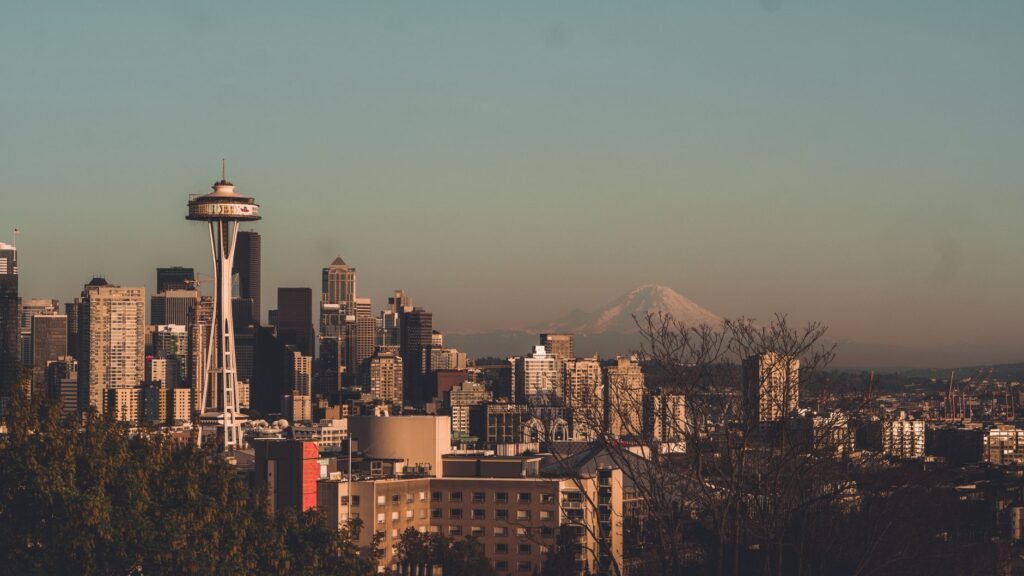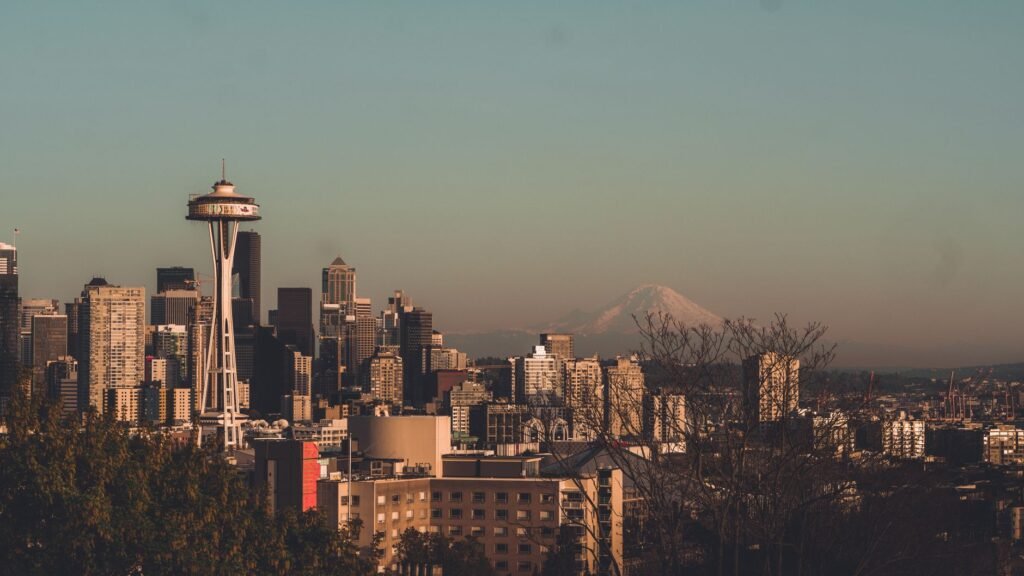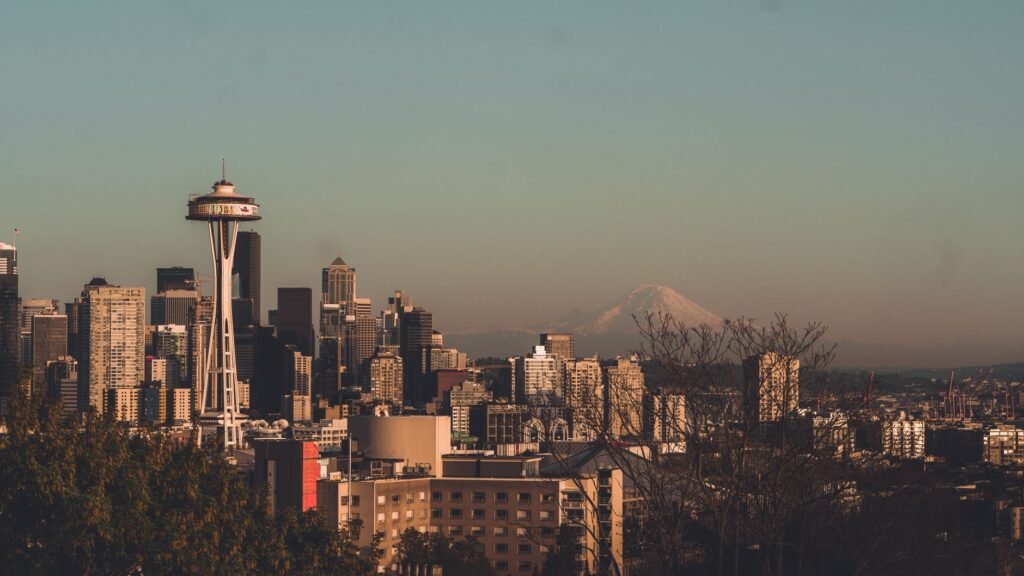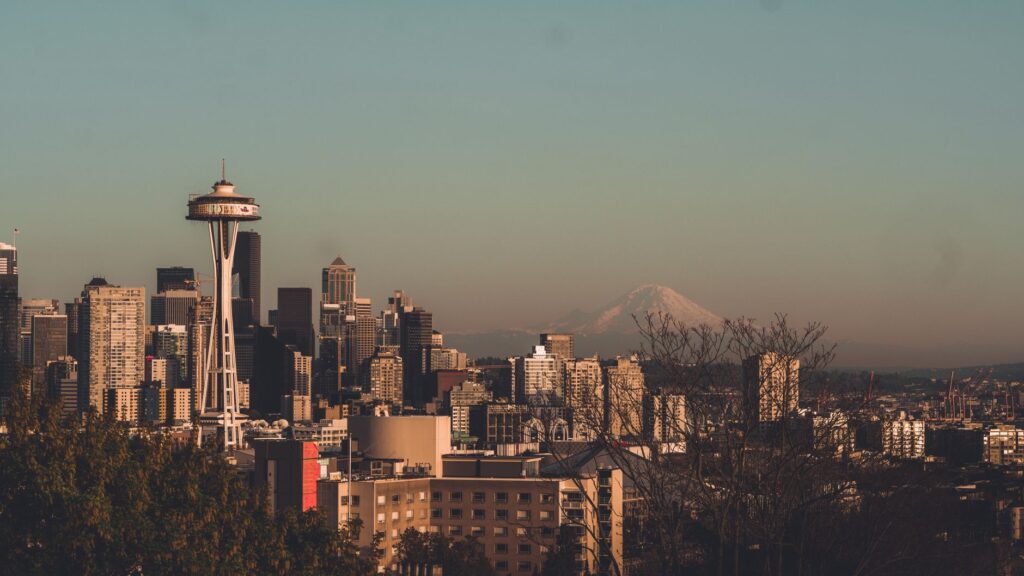
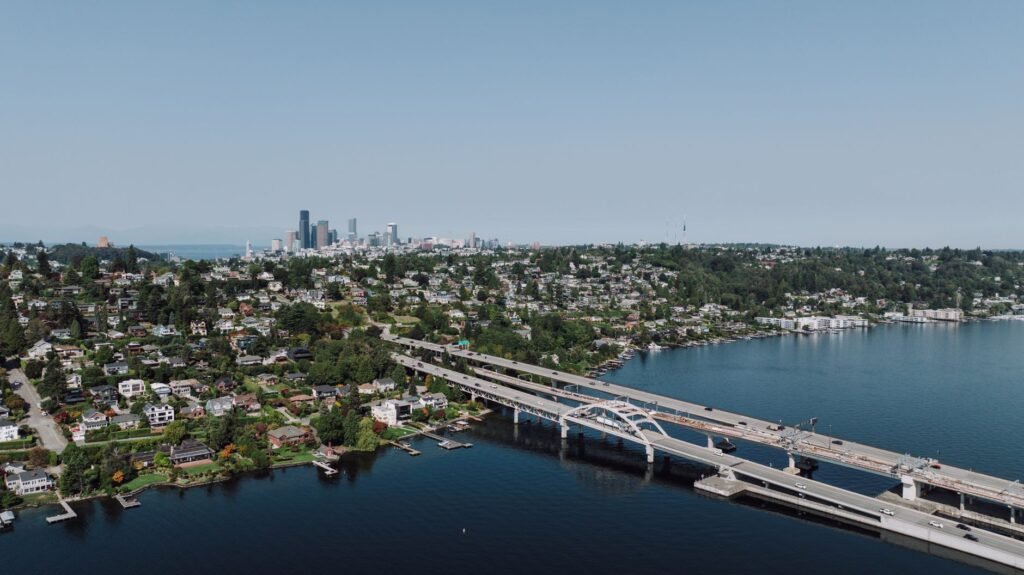
The coolest neighborhoods in Seattle to explore are Capitol Hill, Fremont, Ballard, Green Lake, and the International District. Each one has its own feel, its own crowd, and its own reason to spend a day wandering around.
Most travel guides lump Seattle into a few tired categories. Coffee. Rain. Tech money. What they miss is that the neighborhoods are wildly different from each other. You could spend three hours in one and feel like you’re in a totally separate city. The geography helps. Seattle spreads out across hills and around water. That topography forces real separation. You don’t just drive five minutes and find the same chain stores. You actually cross a divide.
Capitol Hill: Where the Energy Peaks
Capitol Hill is where Seattle’s actual personality lives, not the polished version the tourism board wants to sell. Walk Pike Street or Pine Street on a Friday night and you’ll see what I mean. The blocks pulse. Bars spill onto sidewalks. Record stores are still around. That matters more than most people think.
The neighborhood has money now. Condos went up fast. Prices followed. But it hasn’t become a sterile wealth zone like parts of other cities. Mix is still there. You’ve got old dive bars next to new cocktail spots. Vintage shops next to phone stores. The old energy hasn’t been completely paved over.
Start at Pike Place Market if you’re coming from downtown. It’s crowded. Fish-throwing vendors are as cheesy as you’ve heard. But go early, before 10am, and it’s real. The smell of fish and coffee and wet pavement at seven in the morning tells you something about how this city actually works. Then cut up into the Hill proper. The Capitol Hill Station sits on Broadway. That’s a good anchor point.
Broadway itself is where tourist energy concentrates, so don’t waste much time there. Move a block or two east or west. Pine Street is better. Smaller shops. Less foot traffic. Better coffee. Pine Pharm is a coffee shop that’s been there forever. The coffee is solid. The crowd is local. This is what you want to find, not the flagship Starbucks on every corner.
Pike Street also runs through the Hill. It gets touristy closer to Pike Place Market, but as you move east, it gets quieter and stranger in the best way. Leather shops sit next to used bookstores. Sex shops are just there, no big deal, like they should be. That’s Capitol Hill. Messy. Open about things. Not trying to be anything.
For food, skip the hyped spots if you don’t have a reservation weeks out. Eating in Seattle neighborhoods means stopping somewhere casual. Molly Moon’s makes ice cream from local fruit. Matt’s in the Market sits on Pike Place. Both are strong. The neighborhood has a lot of bars. Some are dive bars worth your time. Some are expensive and trying too hard. Drink where locals drink, not where Instagram directs you.
Also read: Cool areas to stay in Seattle
Fremont: Eccentricity and Art
Fremont is Seattle’s art neighborhood, and it actually earned that instead of branding itself as one. You can feel the difference. The houses are old Victorians and quirky mid-century buildings. The businesses are galleries and used shops and places that seem to exist by accident rather than design.
The neighborhood sits on the north side of the Lake Washington Ship Canal. That puts it slightly separate from the rest of the city. That separation matters. Fremont developed its own culture because it wasn’t easy to get to. Now the water access is one of its best features. Walk down to the Fremont Bridge on a clear day. The view south across the city opens up. Water. Mountains in the distance. The Space Needle sitting small on the horizon. That’s the view that hooked people on this city.
The Fremont Street Fair happens every weekend. One weekend is the Sunday Market. One is the Saturday Vintage Market. Artists sell work. Crafts appear. Local food vendors set up. The crowd is exactly who you’d expect. Young artists. Old artists. Families. People here because they like weird more than normal.
For a first visit, head to N 35th Street. That’s the main drag. Theo Chocolate is there. They make chocolate in the neighborhood and you can watch the process. The shop smells like pure cocoa. It’s one of the few sensory experiences that lives up to how it sounds. Fremont Coffee Company sits right there too. Good coffee. Good space. No rush to buy something and leave.
Walk south on Fremont Avenue. The Fremont Troll sits under the Aurora Bridge. You’ve probably seen photos. It’s a giant troll holding a car. It’s silly. It’s also unmissable in the way a neighborhood landmark should be. Small details give Fremont its character. A dinosaur fossil on a lawn. Public art that’s been up so long it looks like it’s always been there. That’s the texture of the place.
Restaurants here skew casual. The Wallingford neighborhood is right next door and has more sit-down spots. But Fremont itself is better for walking and grazing. Get lunch somewhere. Get coffee somewhere else. Buy something weird from a vintage shop. That’s the visit.
Ballard: Fisheries, Breweries, and Food
Ballard is a neighborhood that made money the old way, off fishing and maritime work, then got cool again when the beer economy arrived. Now it’s young. Now it’s loud. Now it’s the neighborhood most people mean when they say Seattle is expensive.
But Ballard has something real underneath the new money. The fisheries are still there. You can see boats from Market Street. That’s the main drag running east to west. The smell is still fish sometimes. The history is still visible. The neighborhood just layered money and youth on top of what was already there.
The area to explore runs roughly from Market Street south to NW Ballard Way. The blocks are tight. The shops and bars and restaurants feel dense. That’s part of the appeal. You can walk for two hours and not see the end of things to look at.
Here’s what makes sense to do in Ballard:
- Start at one end of Market Street early in the day.
- Hit a coffee shop. Espresso Vivace has been there long enough to feel stable.
- Walk east along Market and duck into side streets when something catches your eye.
- Stop for food somewhere casual, not somewhere with a reservation list.
- Hit one brewery, maybe in the afternoon so it’s not loud yet.
- Walk back west toward the water before dark.
Ballard Locks is a free attraction worth an hour. Boats move between fresh water and salt water. The system controls the level of Lake Union. Fish migrate past on a regular schedule. It’s genuinely interesting if you like infrastructure and wildlife. Most people are surprised by how much they enjoy it.
The brewery situation here is intense. There are dozens. Most opened in the last fifteen years. Some are legitimately good. Many are fine and full of people looking to be seen. Elysian Brewing started here. Redhook is near enough. These places have history. The newer ones have hype. What’s worth your time depends on what you want. Quiet and focused beer talk? Find a small spot. Energy and scene? The bigger new places have that.
Food is a major reason to come to Ballard. The neighborhood is where Seattle’s restaurant growth has been loudest. Prices have followed. A simple dinner can run $30 to $50 per person before drinks. That’s not Seattle before. That’s Seattle now.
Also read: Unique places to stay in Seattle cool hotels
Green Lake: Water and Green Space
Green Lake is where Seattle goes to feel healthy and outdoors without actually leaving the city. The lake itself is the point. The neighborhood wraps around it.
A 2.8-mile path circles the lake. Running. Walking. Biking. The path hosts all three. Weekends are packed. Weekday mornings are better if you want to feel less crowded. The view changes as you go around. Trees on one side. Houses on another. Downtown skyline in the distance.
The neighborhood is residential. It’s not a destination for nightlife or food. It’s a destination if you want to spend a few hours moving and being outside. Bring a coffee. Walk the path. Sit somewhere with a view. That’s enough.
Some people rent kayaks and paddle the lake. The water is cold but manageable. The rental shops are on the east side. The experience is simple. The view from the water is different than from land. Worth it if you have the time.
International District: Complexity and History
The International District sits south of downtown, below Pioneer Square. It’s the oldest part of Seattle, though that’s complicated. The neighborhood has been home to Chinese, Japanese, Filipino, and Vietnamese communities at different times and sometimes all at once.
This is not a neighborhood to hit quickly. It’s not picture-perfect. It’s real and layered and sometimes a little rough around the edges. That’s exactly why you should be here.
Wing Luke Museum documents the history. The collection is small but focused. The space is tight. You learn something about migration and work and how cities actually build themselves. The museum costs $15 to enter. That’s reasonable for what you get.
Food is the main reason most people come. Uwajimaya is a massive Asian grocery store and food court. The food court serves food from various cultures. Nothing is fancy. Everything is cheap. The chicken teriyaki bowl costs about $10. The pho is real. The space is loud and full of people actually eating lunch.
Smaller restaurants are scattered through the neighborhood. Japanese ramen spots. Vietnamese banh mi places. Chinese dim sum if you catch it at the right time. Prices drop noticeably the moment you leave downtown. A meal that costs $35 in Capitol Hill costs $12 here. That matters.
Hing Hay Park is small but significant. It’s a community space. Regular events happen. The energy shifts depending on the time of day and the season. Just sitting there for fifteen minutes tells you that this neighborhood is still someone’s home, not just a place for visitors to pass through.
Also read: Safest Seattle neighborhoods
When to Go and How to Move Between Neighborhoods
Seattle has real seasons. Summer is clear and dry and the city opens up. Fall is beautiful. Spring is wet. Winter is gray and damp. For exploring neighborhoods, aim for June through September if you can. The weather is dependable. The light lasts late. People are outside.
Getting between neighborhoods is simple enough. The light rail now connects some of them. Capitol Hill has a station. The University District has one. Downtown has several. But the best way to move between the cooler spots is by car or bus. A rental costs about $50 to $70 per day. Public transit works but requires planning.
Money matters here. This is not a cheap city anymore. Hotels run $150 to $250 per night. Food costs real money unless you eat where locals eat. Budget accordingly. That said, the neighborhoods themselves are free to explore. Walking costs nothing. The water costs nothing. The view costs nothing.
Seattle’s cool neighborhoods exist because the geography forced them to develop separately. The hills. The water. The distance between places meant different communities formed. That’s still true. They feel different because they actually are different. Spend time in each one. The city reveals itself neighborhood by neighborhood, not as a single branded experience. That’s what makes it worth the trip.
Reference: Seattle