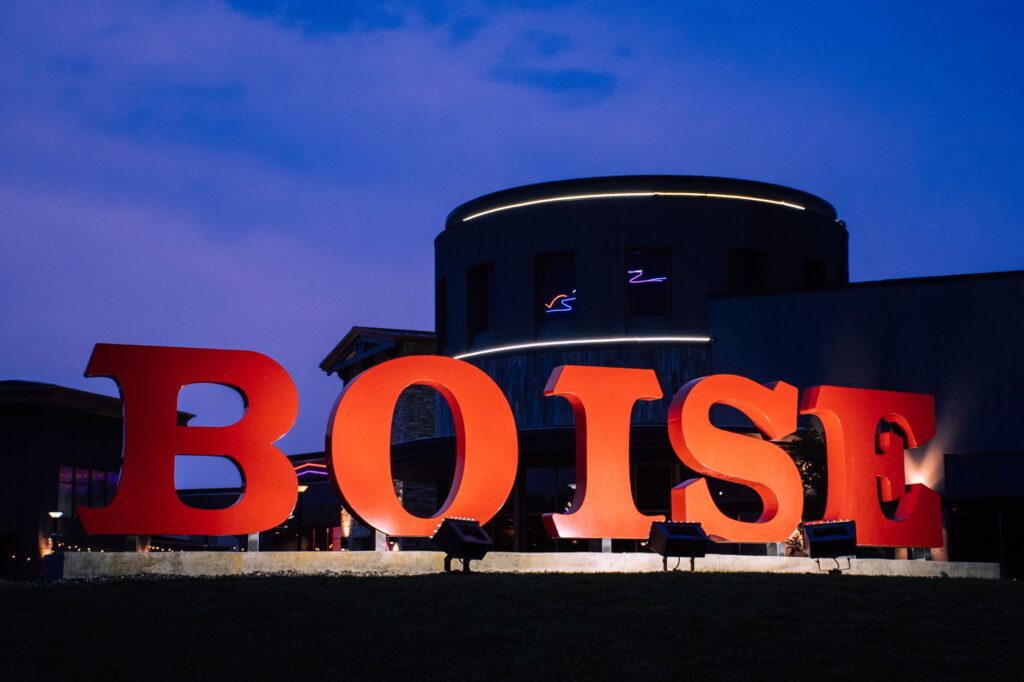
The drive from Boise to Seattle takes about eight hours. It covers roughly 505 miles of varied terrain. The route is straightforward, mostly interstate travel, but the landscape changes dramatically as you head northwest. This is not a boring slab of highway. You get mountains, farmland, and genuine views. For most trips, that’s an easy call.
Distance and Driving Time
The Boise to Seattle drive via Interstate 90 is the fastest option. You leave Boise heading north on I-84, then pick up I-90 near the Oregon border. From there, it’s a straight shot through Washington into Seattle. The total distance runs about 505 to 510 miles depending on your exact start and end points downtown.
Eight hours is the realistic figure for non-stop driving. Sound like a lot? It’s not bad for the distance. Most people find it doable in a single day. You leave at 6am and arrive around 2pm. Leave at 7am and you hit Seattle around 3pm. That gives you an afternoon to settle in.
What changes the time is how you drive. Stop for gas, food, or coffee. Add an hour. Hit traffic around Seattle on a Friday afternoon. Add another hour or two. Drive in winter with snow or ice. All bets are off. Summer is reliable. Winter requires more caution and time.
The Route Breakdown
The most direct path is Interstate 90 heading northwest. Start in Boise heading toward the Oregon border on I-84. The highway follows the Boise River valley north. Around Ontario, Oregon, you’ll connect to I-90 heading toward Washington. From there, the interstate runs through central Washington toward the Cascades.
The route covers three distinct zones. First comes the high desert. This stretch around Vale and Baker City, Oregon has wide open space and sparse traffic. Second is the transition zone. As you enter Washington around Spokane, the landscape shifts. Trees begin appearing. The elevation drops. Civilization increases. Third is the Cascade crossing. Around Snoqualmie Pass, around 3,000 feet elevation, the terrain becomes forested and mountainous.
The drive from Boise to Seattle is mostly flat or gently rolling for the first six hours. Then the real climbing starts. The pass itself is not dramatic. It’s not like crossing the Sierra or the Rockies. But it’s noticeable. Visibility changes. Trees create a tunnel effect. The air feels different.
Stops Worth Making
Spokane sits almost exactly halfway on this route. The drive time works out to about four hours from Boise. From Spokane to Seattle is another four hours. Many drivers use Spokane as a logical break point.
The city offers real food options beyond chain restaurants. Downtown has some solid local spots. If you’re stopping for lunch, don’t settle for a sandwich at a service station. Spokane has coffee culture. The people are friendly. Parking is easy. You can stretch your legs, eat something good, and move on without losing three hours.
One useful stop that most people skip is the viewpoint near Snoqualmie Pass. It takes only ten minutes off the interstate. The view of the Cascade range is striking. On a clear day, you see deep forest and peak after peak. It reminds you why this drive is worth doing instead of flying.
Read more: Unique Places to Stay in Seattle Cool Hotels
Road Conditions by Season
Summer driving on this route is straightforward. June through September the roads are clear and dry. Visibility is good. Traffic is moderate. Gas stations are reliably open. Expect 7 to 8 hours total time with minimal stops.
Fall driving works well too. September and October bring cooler temperatures. The light is different. Fewer tourists clog the road. This is actually peak travel season for this route if you want pleasant weather and light traffic.
Winter is where the decision gets real. November through March, the Cascades get snow. The pass closes occasionally. When it’s open, the roads are treated but icy. Visibility drops. Speed limits drop. Your eight-hour drive stretches to ten or eleven hours. Spring snow can be worse than midwinter snow because it’s wetter and stickier.
Check the Washington State Department of Transportation website before you leave in winter. They post real-time pass conditions. If it says chains are required, do not proceed without them. Do not think you’ll be fine. The pass is not forgiving when weather turns.
Spring is unpredictable. Conditions can change hour to hour. Late April and May are ideal. Bring layers. The temperature at Boise is warm. At Snoqualmie Pass, it can be forty degrees colder.
Fuel and Food Strategy
Gas stations are frequent enough that running out is not a realistic problem. You’ll find stations in Boise before you leave. More near Ontario. Fewer through central Oregon and Washington. Then stations again as you approach Spokane and beyond.
The trick is not stopping too often. Plan one real stop. Spokane is the choice for most drivers. Grab fuel, grab food, use the restroom, and keep moving. Do not stop every ninety minutes. That kills your pace.
Food options along the route are not great. The I-90 corridor has chains. Arby’s, Subway, McDonald’s. Nothing special. Spokane is worth the detour for food. The downtown core has independent restaurants. Cafes are open early if you’re starting at dawn.
Pack snacks and water. Bring your own coffee if you care about quality. A thermos keeps drinks hot. Bring fruit, nuts, or whatever travels well. These rides are easier when you’re not hungry or thirsty. You don’t stop as often.
Overnight Options
Some drivers split this into two days. That changes the calculus. Overnight stops break up the fatigue. You arrive fresher.
Spokane is the obvious midpoint choice. Hotels range from budget chains at $70 to $90 per night to nicer independents at $120 to $180. The city is pleasant enough to spend a night. You can eat well. You get actual rest. The next four hours into Seattle feel short.
If you prefer to push through, the drive is entirely manageable in one day. Eight hours is not excessive. Thousands of people do it daily for work. You leave early. You stay alert. You arrive by evening. A good night’s sleep follows.
Traffic Near Seattle
The real challenge is not the drive itself. It’s the approach to Seattle. The last thirty miles can take as long as the first 300 miles. I-90 merges into the greater Puget Sound traffic system. Rush hour, weekends, accidents. All slow you down.
Leave Boise on a weekday morning, not a Friday afternoon. Friday traffic out of the Spokane area and into Seattle is unpredictable. Sunday evening is also slow. Tuesday through Thursday mornings are cleanest.
The last twenty miles require patience. Traffic around Mercer Island can be bumper-to-bumper. Expect to move slowly. Do not get frustrated. This is normal for this region. Ten thousand people live in Seattle metro. Roads can only handle so much.
Use real-time traffic apps like Google Maps or Waze. These show live conditions. You can see where delays are forming. Sometimes taking a surface street is faster than sitting on the interstate. The apps guide you around problems.
What to Pack and Prepare
Bring a full tank of gas leaving Boise. Fill up before you hit the highway. Do not wait for a first gas station. A full tank takes you to Spokane. Then refill for the final push.
Winter driving requires more. Chains are not optional if the pass requires them. Know how to put them on before you leave. Practice at home. Stranded people trying to learn chain installation in a snowstorm is a regular sight. Do not be that person.
Bring blankets, extra layers, and a flashlight. Jumper cables are cheap insurance. Phone chargers matter. If your car breaks down, a dead phone is bad. Keep it charged.
Summer driving is simpler. Pack sunglasses. Sunscreen helps if you’re a fair-skinned person who burns easily. Bring water. Snacks keep energy up. Music or podcasts make the miles go faster.
Also read: Best Skiing Snowboarding Near Seattle Resorts
The View Makes It Worth Doing
Flying from Boise to Seattle takes two hours. Drive time is four times longer. Why drive? The view. The landscape tells a story. You see the dry interior become wet mountains. You smell the air change. You cross actual terrain instead of flying over clouds.
The Cascades at Snoqualmie Pass on a clear day are worth the drive alone. The density of green forest is striking if you come from the high desert. The transition zone between climates is educational. You understand why Seattle exists where it does. Water, mountains, and maritime influence create a different world from Boise.
Drive the route in summer at least once. Experience the full day. Eat well in Spokane. Stop at the pass view. Arrive in Seattle with actual knowledge of the geography. That is worth eight hours of driving. Flying gives you nothing but jet lag and missing the in-between.
Reference: Interstate 90