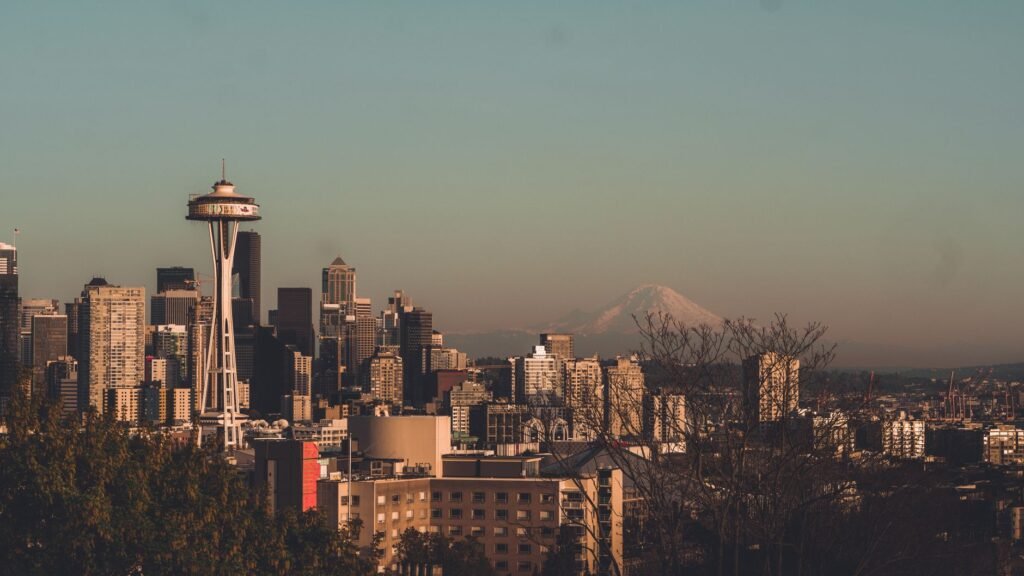
Three to four days is the right amount of time to see Seattle without overdoing it or leaving major things off the table. You can stretch it to five if you want to add a day trip. Most visitors show up for a weekend and feel like they scratched the surface but didn’t rush. That’s the . Below I’ll break down what you can realistically fit, where the time actually goes, and what calls for an extra day if you’re willing to stay longer.
What Three Days Covers
A solid three day visit to Seattle hits the main attractions and neighborhoods without feeling like you’re speed running through the city. You’ll see Pike Place Market, walk around Capitol Hill, take the ferry to Bainbridge Island, and grab coffee from the places that made this town famous. You’ll also have time to sit down for meals without bolting to the next thing. That rhythm is important.
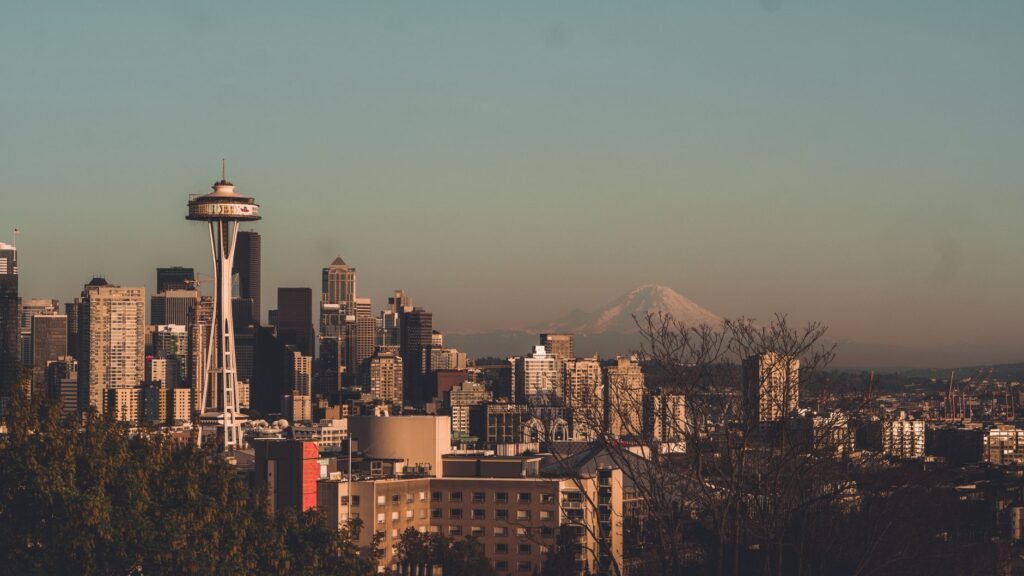
Day one is usually arrival and orientation. You land, check into your hotel, and get out for a walk around downtown or the waterfront. The Space Needle is overrated but quick to see. Pioneer Square has better bones. You’ll eat somewhere decent and call it early. Nothing wasted, nothing rushed. Day two goes to Pike Place Market in the morning, Capitol Hill in the afternoon, and Queen Anne or Ballard in the evening for dinner. Day three is the ferry ride to Bainbridge Island or a drive to the mountains for a short hike. Then back to the airport feeling like you actually saw the place.
This three day loop works because the main neighborhoods are compact. Nothing requires more than 20 minutes of driving. The waterfront, the market, and the Capitol Hill scene sit close together. You don’t lose two hours a day sitting in traffic. That’s huge compared to cities like Los Angeles or the Bay Area. Seattle is walkable in chunks. You can park a car for a whole day and get around on foot. That saves money and stress.
When Four or Five Days Makes Sense
Four days starts to feel different. You’re not rushing between neighborhoods on someone else’s schedule anymore. You can actually sit in a coffee shop. You can spend two hours browsing vintage shops on Capitol Hill without feeling guilty about all the other things you’re missing. The pace becomes more like a visit and less like a checklist.
Add a fourth day if you want to explore beyond downtown without cutting something out. The Museum of Flight is worth three hours if you’re into airplanes. The Chihuly Garden and Glass museum takes two hours and costs about $25 per person. The Underground Tour in Pioneer Square is good if you like local history. None of these are essential, but they fill a day nicely when you’re not sprinting.
Five days is when you can bring in a real day trip. Mount Rainier sits about an hour and a half away. It’s worth the drive. You climb partway up, eat lunch at Paradise, and drive back. That’s a full day out of the city. Seattle itself doesn’t need five full days. The city is honest about its size. But if you pair Seattle with a nearby hike or a mountain view, five days clicks. Snoqualmie Falls is 30 minutes away and takes an hour to see. Hurricane Ridge is a bit longer but stunning on clear days.
How Weather Changes Your Timeline
Spring and fall are the best times to visit. The weather is dry and the light is great. Summer is also fine but crowded and sometimes surprisingly cool. Rain comes in winter and spring, though Seattle doesn’t rain as much as people think. When it does rain, though, everything outdoors gets less fun.
Plan for rain if you’re coming between November and March. That means you’ll spend more time indoors. Museum days make more sense. Pike Place Market is actually better in the rain, fewer tourists and better light. But hiking and ferry riding lose their edge. You’ll need an extra half day if weather kills your outdoor plans. Or plan that extra day trip so you have a backup activity. Bad weather can shrink a four day trip down to a three day trip real quick if you’re not ready.
Read more: 4 days in Seattle
The Neighborhoods You Actually Need to See
Pike Place Market is non negotiable. You go in the morning, around 8 or 9am, before the crowds. You buy fresh fruit or flowers. You watch the fishmongers. You get coffee from one of the original Starbucks if you care about that. Thirty minutes minimum, an hour if you linger. Most people take two hours because the market is bigger than it looks from the outside.
Capitol Hill is where you spend an afternoon or evening. Walk East Pine Street and Pine Street itself. The energy is higher than downtown. More bars, better vintage shops, real characters. Sit on a patio in good weather. Walk through Cal Anderson Park. This neighborhood has more soul than the waterfront. Budget three hours at minimum.
Also read: what to do in west seattle a complete local guide
Ballard is where the neighborhoods get interesting. It’s north of downtown, a 15 minute drive or a long bus ride. Ballard is younger and less touristy than the other main zones. Good restaurants, good bars, good coffee shops. The Ballard Locks are free and entertaining if you’re into sea lions and boat traffic. An afternoon here feels less staged than downtown.
Queen Anne sits west of downtown and feels residential and quiet. If you want to escape tourists, Queen Anne is your move. The view from Kerry Park is genuinely good. The streets have character. Shops and cafes are local. You need a car or a taxi to get here, but it’s worth the trip on day two or three when you need a break from crowds.
Fremont is quirky and worth a browse if you’re here for four days. It’s north of downtown. A weird, artistic neighborhood that older visitors either love or find trying too hard. The Fremont Troll is a genuine weird thing to see. Sunday Market in summer is colorful. Spend two hours here on a lazy afternoon. It’s not essential, but it gives you a different flavor of Seattle.
Transportation and Logistics
Rent a car or don’t. That’s the main call. Seattle is walkable downtown but spread out overall. A car gives you flexibility to hit neighborhoods and day trips. Public transit works but moves slowly between zones. Ride sharing is available but adds up money fast if you take it everywhere.
Most visitors rent a car for three or four days. Parking downtown is expensive, so park near your hotel and walk. Leave the car parked during day one and two. Take it out for Ballard, Queen Anne, or a day trip on day three or four. Parking in neighborhoods is free or cheap. Parking downtown is $12 to $20 per hour. Skip downtown parking and you save money and aggravation.
Pike Place Market is walkable from most downtown hotels. The waterfront is walkable. Capitol Hill is a 15 minute walk from Pike Place or a $10 taxi ride. You don’t need a car for days one and two if your hotel is central. Save the rental for the later days when you’re heading farther out.
Cost and Practicalities
Budget $150 to $250 per night for a decent mid range hotel. Downtown is pricier. Capitol Hill is cheaper and more interesting. Queen Anne is even cheaper. Ballard has good options too.
Food runs $40 to $80 per person for dinner at a nice restaurant. Lunch is $15 to $25. Coffee and snacks hit hard if you’re doing Pike Place. A three day trip food budget of $300 to $400 per person is realistic if you’re not splurging on fancy dinners every night. Pike Place has cheap eats if you want them.
- Hotel (3 nights, mid-range): $450 to $750
- Food (3 days): $300 to $400
- Attractions (Space Needle, museums, ferry): $75 to $150
- Gas and parking: $40 to $60
- Miscellaneous (coffee, snacks, tips): $100
A three day trip for one person sits around $1000 to $1400 all in. Pair a room to split the hotel cost and it drops to $800 to $1100. That’s a realistic Seattle weekend.
The Extra Day Question
That fourth or fifth day depends on whether you’re a museum person or an outdoor person. Museums push you to five days. Great hiking or a mountain drive pushes you to four. Good coffee and shopping push you to three and a half. Be honest about what you actually do on vacation. If you sit in coffee shops and wander shops, three days is enough and four is better. If you need a hike or a serious outdoor activity, four or five days makes sense so you’re not choosing between Pike Place and a mountain view.
The ferry to Bainbridge Island is a 35 minute ride each way and a good excuse to stay until day four. The island has farms and nice views. Eat lunch there. Walk around the small town. Take the ferry back. It’s a half day activity that justifies an extra night.
For most trips, three days is the right call. It’s enough time to see what matters and not enough time to feel like you’re retreading. Four days lets you breathe. Five days is solid only if you’re adding something outside the city itself.
Also read: 2 days in Seattle