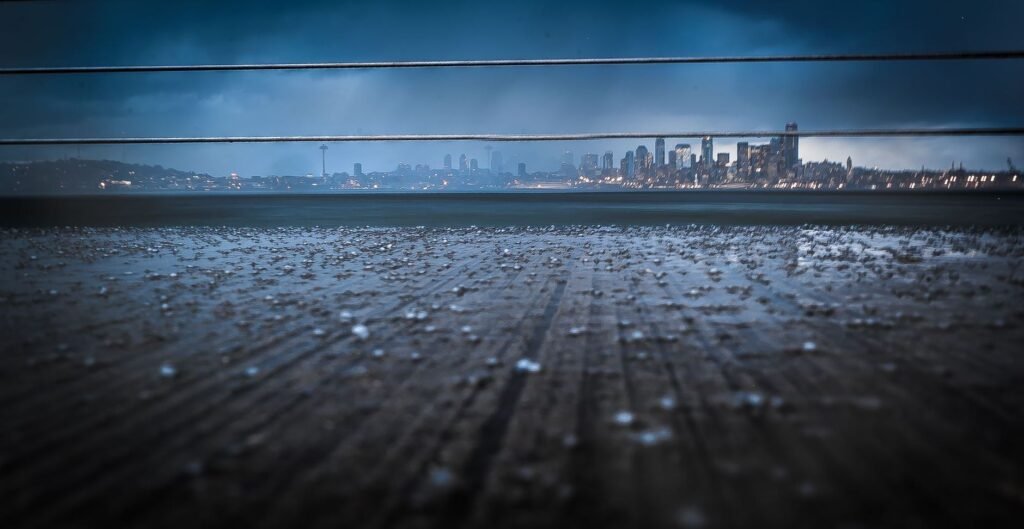
Seattle gets about 38 inches of rain per year. That number sounds worse than the actual experience. The city ranks lower than most East Coast cities for annual rainfall. What Seattle does have is persistent drizzle rather than heavy downpours.
The rainfall spreads across more days than you might expect. You get wet more often, but lighter each time. It rains on about 150 days per year. Compare that to New York, which gets 120 rainy days. The difference is one of frequency, not severity.
Seattle Rainfall by Month
The wettest months run from November through January. December is typically the soggiest part of the year. That month averages about 5.5 inches of rain. November and January each get roughly 5 inches. These three months account for nearly a third of annual rainfall.
The shoulder months of October and February stay quite wet. October brings about 3.5 inches. February averages around 3 inches. Together with the deep winter months, this creates a five-month stretch. Expect regular rain from late October through February.
Spring arrives with March, and things shift noticeably. March still sees about 3.7 inches of rain. But April drops to roughly 2.8 inches. May continues the trend downward. By May you’re looking at just 1.7 inches of rain. The days get longer and brighter even as rain decreases.
Summer in Seattle is the real prize. June through September are genuinely dry months. June averages about 1.7 inches of rain. July gets the least of any month, around 0.7 inches. August stays similarly dry at about 0.9 inches. September inches back up to 1.4 inches but stays well below winter levels. These four months explain why locals flock outdoors.
Here is the rough monthly breakdown:
- November to January: 5 to 5.5 inches each
- October and February: 3 to 3.5 inches
- March and April: 2.8 to 3.7 inches
- May: 1.7 inches
- June and September: 1.4 to 1.7 inches
- July and August: 0.7 to 0.9 inches
- Total annual: about 38 inches
What these numbers really mean is a simple pattern. Winter is wet and mild. Summer is dry and pleasant. Spring and fall are transition zones. Locals joke that they save their vacations for July and August. That’s half tongue in cheek, but there’s truth in it.
When Drizzle Becomes a Real Problem
Rain in Seattle feels different from rain elsewhere. The drizzle can persist for hours without ever breaking. Your jacket gets damp. Your hair curls or flattens depending on type. But you rarely need to dash for cover. The drops fall softly rather than in sheets.
What catches visitors off guard is the psychological weight. Endless gray skies wear on your mood more than actual wet. You step outside on a November morning and the sky is just blank. No drama, no thunder, no urgency to seek shelter. Just a low cloud ceiling and gentle moisture in the air.
The real problem emerges when you underpack layers. You arrive with one rain jacket and figure you’re covered. By day two your jacket is damp clear through. You have nothing dry to change into. The locals around you wear multiple layers for exactly this reason. A light jacket over a fleece works better than one heavy coat.
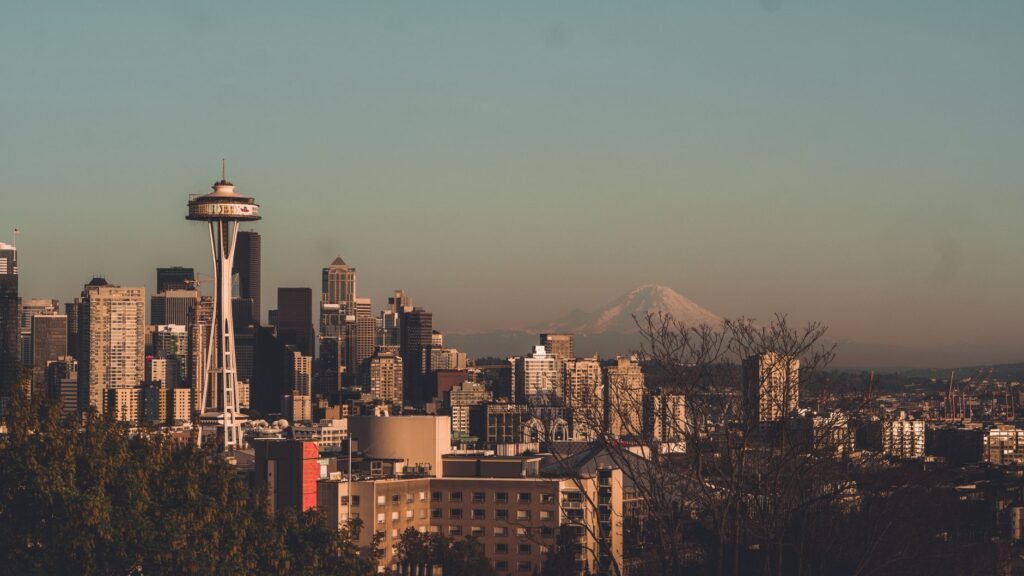
Winter rain also brings fog to the region. Visibility drops, especially in the morning. The Space Needle vanishes into clouds even though it’s just 605 feet away. Parks lose their views. This lasts until roughly 10 or 11 in the morning when sun burns off the fog. Then by afternoon the drizzle might resume. It’s not dangerous, just limiting.
The upside to Seattle rain is temperature stability. Winter rarely brings freezing temperatures. Snow in the city itself is rare. You get rain, not ice. Roads stay clear. Sidewalks don’t turn treacherous. Winter in Seattle means wet coats and damp hair, not slippery conditions or closed passes.
What This Means for Your Trip Timing
Summer is obviously the call if dry weather matters to you. July and August offer the best odds of blue skies. Even these months see occasional rain. But you’re talking one or two rainy days per week, not most days. The sun stays out past 9 pm. Outdoor activities happen without constant worry about downpours.
Spring and fall split the difference. March through May see decreasing rain and increasing daylight. Cherry blossoms hit in late April and early May. Wildflowers appear on hiking trails. But you’ll still pack rain gear and plan indoor backup activities. A rainy day in May is shorter and less dark than a rainy day in November. Light comes faster.
Fall from September through October mirrors spring. The rain ticks back up, but not to winter levels. Foliage turns color. Summer heat breaks. Locals return to parks and hikes. But again, you need real rain gear and acceptance that some days will be damp.
Winter travel works if you’re prepared mentally. The city is quieter. Hotel rooms are cheaper. Crowds thin at popular sites. Museums, galleries, and cafes feel less packed. Some people find this more appealing than fighting summer tourists. The cost savings can be substantial. A hotel room in January costs half what it costs in July. But you must genuinely be okay with gray skies and rain. Tolerance for that matters more than any jacket you bring.
Also read: Unique Places to Stay in Seattle: Cool Hotels
What to Pack No Matter When You Go
Your clothing strategy changes based on season. But certain items work year-round. Bring layers. A light base layer, a fleece, and an outer shell jacket work from October through May. In summer, the shell jacket sits unused for most days. But bring it anyway because surprise rain happens.
Waterproof shoes make a serious difference. Sneakers that shed water are fine. Actual hiking boots are overkill unless you plan trails. Shoes that soak up water and stay damp for days will make your trip miserable. Wet feet get cold fast even in mild temperatures.
A compact umbrella is useful but not essential. Many locals don’t bother. The drizzle falls at an angle thanks to frequent wind. Umbrellas offer limited protection. A good rain jacket does more work. If you’re going to buy one item, buy the jacket.
Here is a basic Seattle packing list:
- Waterproof outer jacket
- Fleece or wool sweater
- Long pants or jeans
- At least two pairs of waterproof shoes
- Quick-dry socks or wool socks
- Hat or beanie for wind and rain
- Sunglasses for summer days and water glare
- Sunscreen even in cloudy months
Add t-shirts and shorts for summer visits. Add heavier layers for winter trips. But this core list works regardless of when you travel.
The Seattle Rain Culture
Locals talk about rain constantly. Not because they’re complaining, but because it shapes everything about how they live. They plan weekend hikes assuming some drizzle. They garden specifically around rainy periods. Summer becomes the season for outdoor plans, not just pleasant bonus days. This shapes the whole city rhythm.
Visit in July and you’ll see crowds at Pike Place Market. The waterfront fills with people. Parks become social gathering spaces. August feels slightly less frenetic but still vibrant. September brings the first hint that summer won’t last forever. Fall colors appear. Locals start saying things like “Make the most of it” because they know what’s coming.
The rain also explains some wonderful parts of Seattle. The city is green in a way dry cities simply aren’t. Forest trails stay cool and lush even in summer. Moss grows thick on trees. Rivers run clean and cold. Coffee culture thrives partly because people spend time indoors at cafes. The Pike Place Market smells of fish and coffee at 7 in the morning because the market operates year round. Rain doesn’t stop locals from doing what they love. It just changes the form it takes.
Newcomers often struggle with the darkness of winter months. The sun rises around 7:45 am in December and sets before 4:30 pm. That is short daylight. Combine that with clouds and gray skies and mood can dip. Some people find therapy lamps helpful. Others shift their schedules to catch whatever daylight exists. This is real and worth acknowledging. If you have seasonal depression, winter in Seattle might not be ideal. Summer visits make more sense for your wellbeing.
Also read: Best Skiing & Snowboarding Near Seattle Resorts
Making the Rain Work for Your Plans
The key is not fighting the weather but building around it. Winter is museum season. Pike Place Market remains interesting in rain. Underground Seattle tours happen regardless of conditions. Coffee shops are excellent for people watching while rain taps the windows. Some of the best restaurants are casual spots where locals eat regardless of weather.
Spring brings hiking back into play. Trails dry out enough by late April for regular visits. Wildflower meadows explode in May. You’ll encounter some mud and damp, but that’s expected. Bring sturdy shoes and embrace it.
Summer planning focuses on outdoor activities you’ll regret missing. Kayaking in the San Juan Islands. Hiking to alpine lakes. Sitting in parks reading books. These summer days don’t repeat until next year. That scarcity makes them valuable. Winter offers the same city from a different angle, but summer offers something you can’t get in other seasons.
Build flexibility into your schedule no matter when you visit. Plan one indoor activity for each day. Museums, galleries, shops, cafes all work as backup plans. Then plan one outdoor activity that appeals to you. If weather cooperates you do the outdoor thing. If rain becomes heavy you pivot to indoors. This removes the sting of surprise weather.
Seattle rainfall is predictable enough to plan around. Summer is dry and crowded. Winter is wet and quiet. Spring and fall split the difference. Pack appropriate gear and manage expectations. The rain itself isn’t a threat to your trip. Poor preparation for it is. Most people who regret a Seattle visit either went in winter unprepared for mood impact, or went in summer expecting smaller crowds. The rain itself rarely ruins a trip. Everything else about the city compensates for it.
Reference: National Weather Service Seattle