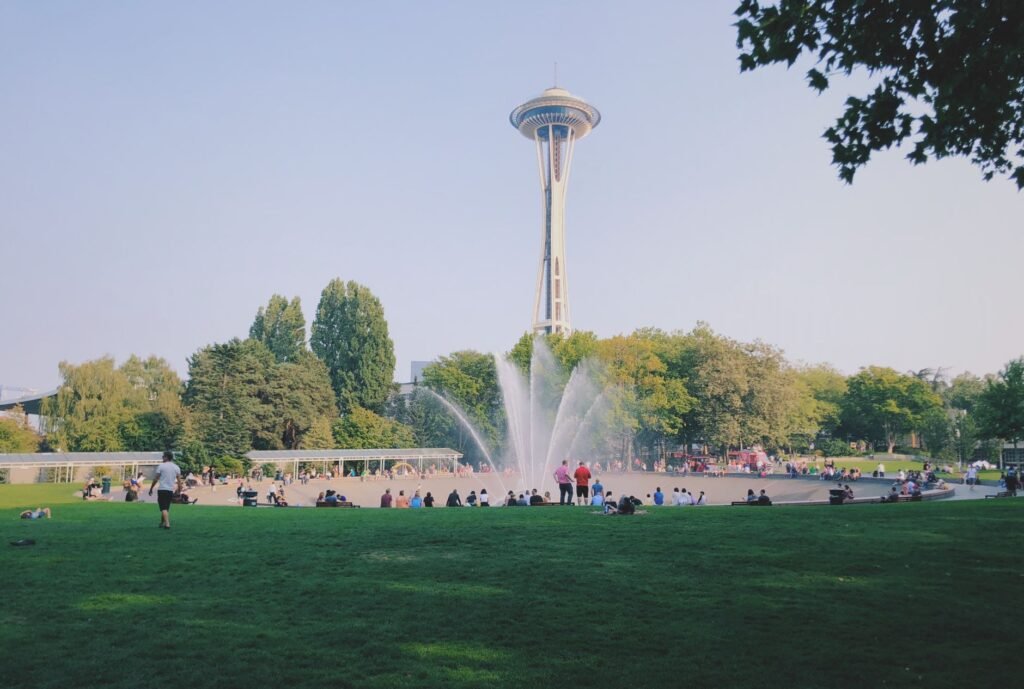
The best way to make friends in Seattle is to show up consistently at places where people gather around shared interests. This city rewards repetition and authenticity far more than it rewards charm or forced networking. You won’t stumble into a friend group at a cocktail party. You’ll build one by becoming a familiar face at a coffee shop, a climbing gym, or a hiking meetup.
Seattle has a reputation for being cold. That’s partly true. The weather is drizzly and gray most of the year. But the social climate is what people really mean when they say that. Seattleites are friendly enough. They just don’t make quick judgments about whether they like you. They take their time. That actually works in your favor if you know what you’re doing.
Start With Your Actual Interests, Not Forced Socializing
Trying to make friends by “putting yourself out there” is vague advice that leads nowhere. What works is narrowing down to one or two things you genuinely want to do. This matters because Seattle has a culture built on outdoor recreation and coffee. Both require repeated visits. Both naturally create friendships over weeks or months, not in a single evening.
If you hike, join a specific trail group or hiking club. Most neighborhoods have one. Capitol Hill has several. Queen Anne has others. Pick one that meets at a time you can show up every week or every other week. The first time you go, you’re a visitor. By the fourth or fifth time, people start to recognize you. By the eighth time, someone invites you for coffee. That’s how this works.
If you don’t hike but you like coffee, the same principle applies. Find a small coffee shop in your neighborhood. Go at the same time most days if you can. Grab a seat facing the room. Work or read there for two hours. The regulars will notice. The baristas definitely will. Within a few weeks, they’ll start remembering your order. Within a month, you might recognize other regulars well enough to nod at them. That’s the foundation. Everything else builds from there.
Coffee Culture Is Literally the Social Infrastructure
Seattle’s entire social fabric runs on coffee shops. This isn’t hyperbole. Every neighborhood has at least three good ones. Some have ten. These aren’t Starbucks on corners. They’re small roasteries and cafes where the same people show up every morning. The owners know their regulars by name. Regulars know each other, even if they’ve never spoken directly.
Why does this matter for making friends? Because coffee shops are where you’ll encounter people with similar values and schedules. A woman who comes to the same cafe at 7am every morning is probably someone who runs or does yoga. A man who camps out there until noon on weekends probably works from home or is freelance. These details tell you something. They signal that you might have things in common worth exploring.
The neighborhoods with the strongest coffee cultures are Capitol Hill, Ballard, and Fremont. Capitol Hill is the most social of the three. It’s younger and denser. People are more likely to start conversations. Ballard feels more established. Fremont is quirky. Pick the one that matches your vibe. Then pick a coffee shop there. Don’t overthink this part. Walk in. If it feels good, come back tomorrow. And the next day.
Read more: What to Do in West Seattle: A Complete Local Guide
Join Outdoor Recreation Groups and Climbing Gyms
The outdoor scene is where Seattle’s friendships actually happen. This is the city where people talk about their weekend hike like others talk about their weekend plans. They plan them. They photograph them. They post them. And they’re always inviting people to join.
Hiking groups are the most accessible. Apps like Meetup have dozens of Seattle groups. Some are organized formally. Others are just a few people who decided to hike the same trail. Either way, you show up. You hike four to six miles. You’re done. Some groups grab coffee after. Some don’t. But you’ve spent three hours with the same people. That builds familiarity fast.
Climbing gyms are another strong play. Vertical World and Seattle Bouldering Project are the two biggest. They’re packed most evenings and weekends. The climbing community is tight. People go to the same gym every few days. They recognize regulars. They’re often willing to belay someone new or offer tips. It’s one of the few activities in Seattle where it’s normal to start a conversation with a stranger. You’re sweating next to each other. The barriers are lower.
Here’s what to do at either one:
- Show up at the same day and time every week if you can.
- Talk to people while you’re waiting to start.
- Go more than once before expecting to see familiar faces.
- If someone seems friendly, ask if they’re going back next week.
- Suggest getting coffee or a beer after if the moment feels right.
- Don’t force it. Some people will be friendly. Others won’t.
Most of your actual friendships will come from these spaces. Not from a single meeting. But from showing up, proving you’re serious, and letting things happen gradually. This takes weeks or months. That’s normal.
Also read: Best Skiing & Snowboarding Near Seattle Resorts
Neighborhood Bars Are Not Where It Happens
This is the part where most advice gets it wrong. Travel writers will tell you to go to neighborhood bars and make friends. That’s not how Seattle works. Neighborhood bars here are not social mixing bowls. They’re where people come with friends they already have. They’re meeting spots for established groups, not places where strangers become friends.
The bars worth visiting are good. Capitol Hill has fantastic ones. So does Ballard. But go because you want a good beer and good food. Don’t go expecting to make friends. You might have a pleasant conversation. It happens. But it’s not a reliable path to actual friendships.
One exception: dive bars near climbing gyms or gyms in general. The bar next to Seattle Bouldering Project sees a lot of climbers right after they finish. Same with bars near outdoor recreation shops. You’re more likely to have something in common with the person next to you. But even then, you’re still meeting someone who might become an acquaintance, not a friend. The friendship only develops if you both keep showing up.
Use Meetup and Facebook Groups Strategically
Apps and online groups are fine supplementary tools. They’re not primary channels. But they work for certain things. Meetup has hundreds of groups. Some are huge and chaotic. Others are small and tight. Some are for expats new to Seattle. Others focus on activities like board games or book clubs or yoga.
Look for groups that meet weekly or every other week. Consistency matters. A group that meets once a month is too sparse. By the time you see the same person twice, three months have passed. A group that meets weekly creates real repetition. You’ll see the same people dozens of times before summer is over.
Skip the massive groups where fifty people show up. Find ones with ten to twenty regular attendees. In a group that size, people actually remember each other’s names. You can have a real conversation. The friendships that form here tend to be stronger because the group itself is tighter.
One note on expat groups and newcomer groups: they exist. They work well if you’re brand new to the city and don’t know anyone. But if you stay in them too long, you build friendships only with other recent arrivals. That’s fine for the first few months. But you want to transition into groups built around activities or interests, not just around being new. Those friendships are stickier.
The Thing Nobody Tells You About Seattle Friendships
Seattle friendships are slow to develop but strong once they take. People here don’t make snap judgments about liking you. They wait and watch. They check if you’re reliable. They see if you follow through on what you say you’ll do. If you say you’ll be at the coffee shop on Saturday morning, you better be there on Saturday morning. If you flake twice, people assume you’re not serious about being around.
This is exhausting if you’re used to other cities where friendships snap together faster. But it’s actually a feature, not a bug. The friendships you build take a while. But they last. People here value depth over speed. Once you’re in, you’re in.
The timeline you should expect is three to six months for casual friendships and six to twelve months for genuine close ones. That sounds long. It is. But it’s the accurate timeline. Don’t come to Seattle expecting to find your best friend in the first month. Plan to spend time doing things you enjoy. Let the friendships form naturally around those activities. Show up consistently. Be genuinely interested in other people. The rest follows.
Start this week. Pick one activity. Find one group or one coffee shop. Go there. Show up again next week. That’s all you need to do. Friendships don’t require a strategy. They require repetition and authenticity. Seattle rewards both.
Reference: Seattle