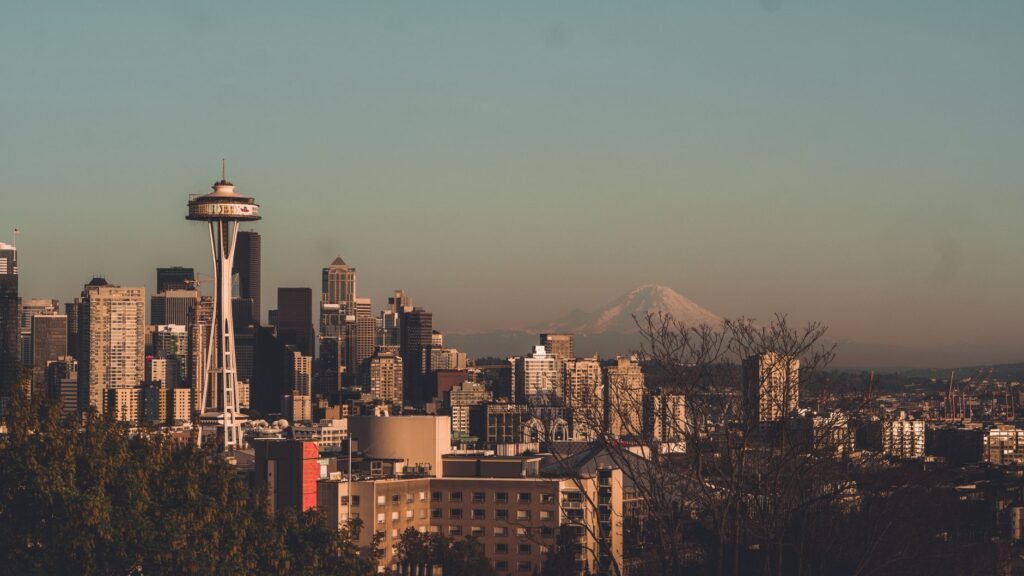
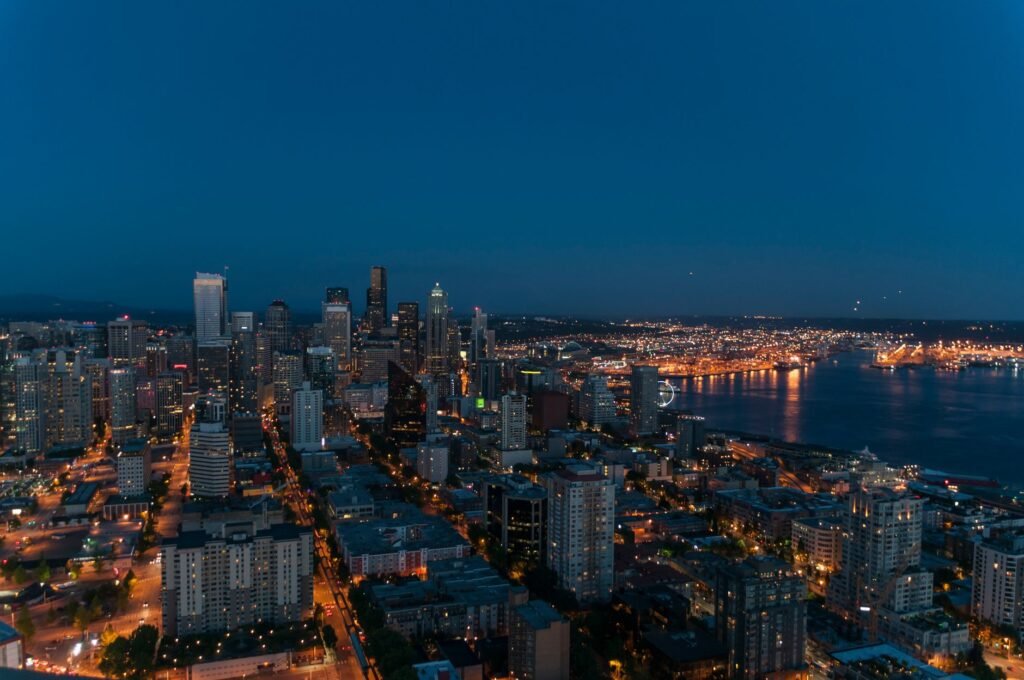
Yes, Seattle is safe to visit. The city welcomes millions of visitors yearly without major incident. That said, like any urban destination, it has pockets of trouble and patterns worth understanding before you go.
Safety Basics: The Real Picture
Most visitors never encounter a problem in Seattle. The neighborhoods where tourists spend time are generally well-policed and active with foot traffic. Pike Place Market teems with people from dawn until evening. The waterfront draws crowds constantly. Downtown shopping and restaurants stay busy and well-lit. This visibility and activity matter more than you might think when it comes to personal safety.
What concerns do exist? Petty theft is the main risk here, not violent crime. You leave a bag on the seat in your rental car downtown, and it’s gone when you come back. You set your phone down at a coffee shop for two minutes. Someone walks off with it. These things happen, and they happen more often in Seattle than in many other American cities.
Property crime rates in Seattle run higher than the national average. Violent crime, by contrast, is lower. This distinction matters for how you actually spend your time there. Street violence rarely touches tourists because tourists do not move through the areas where it concentrates. Drug use and homelessness are visible in certain neighborhoods, especially around Pioneer Square and portions of downtown. You will see it. It can feel uncomfortable if you are not used to it. It does not mean the city is unsafe for visitors moving through with basic street awareness.
Where to Stay and Where to Avoid
Your choice of neighborhood shapes your entire safety perception. Some areas feel sketchy at night. Others feel as safe as any major city block anywhere.
Stay in these neighborhoods if you can. They offer decent hotels and restaurants, and they stay active after dark:
- Capitol Hill and Fremont (younger crowds, good food, safe)
- Ballard (waterfront feel, busy bars and shops)
- Queen Anne (quieter, residential, well-lit streets)
- University District (young vibe, busy until late)
Avoid staying in Pioneer Square itself, despite its history and charm. The neighborhood sits at the heart of the city’s homelessness crisis. Nightlife there still draws crowds, which helps. But the blocks around it can feel menacing after dark, especially if you are alone. Same applies to blocks immediately south and east of downtown. These are areas you might pass through during the day without issue. Overnight in a hotel there is not worth the stress.
The waterfront and Pike Place Market area is fine during the day. The Market itself closes by evening, and the waterfront quiets down. Stay nearby if you like the location, but understand you will be walking back to your hotel through areas that empty out.
Daily Safety: What Actually Matters
Common sense works here the same way it works in New York, Chicago, or San Francisco. You already know this, but the specifics help.
Do not leave anything visible in your rental car. Not a jacket on the back seat. Not sunglasses in the cup holder. Not a hiking backpack in the trunk if you parked it on the street. Break-ins happen in broad daylight in parking lots. They happen in hotel garages. They happen constantly. Is your car being watched? Probably not. But the math is bad enough that thieves work those odds all day long.
Keep bags close at Pike Place Market and on the bus. Crowds are thick, and pickpockets do work. You are less likely to be targeted than in European markets, but the risk exists. Same applies to any major transit hub. Do not be paranoid about it. Just be normal about it. The tourists who have problems are usually the ones with expensive gear on obvious display or headphones in both ears at 11pm on a quiet street.
What about walking at night? It depends on the street. Capitol Hill and Ballard are fine. Downtown varies by block. Pioneer Square is not ideal, especially alone. The U District stays safe because of the university presence. Ask hotel staff where they would walk at the time you plan to be out. They know the current conditions better than any article written now.
Sound like a lot? It adds up to one thing. Do the obvious things you would do anywhere, and Seattle treats you fine.
Also read: Unique Places to Stay in Seattle Cool Hotels
Transportation and Getting Around
Seattle’s public transit system is reliable during normal hours. Buses and the light rail run frequent routes through the city. Evenings are fine on main lines. Late night transit requires more caution. The people who ride buses at 2am are not usually tourists. If you are out that late, a rideshare app is worth the $15 to $20 for peace of mind.
Downtown parking is safe in garages, though expensive. Street parking is fine during the day. At night, stick to paid lots. Do not leave your car parked on residential streets after dark, especially with luggage or gear visible.
Walking is the best way to see the city. Seattle is compact and walkable. Neighborhoods connect easily. Just use the same judgment you would in any city. Stay on main streets after dark. Do not cut through alleys or empty parks. Stick to lit, populated routes.
Specific Threats That Are Rare
Violent assault against tourists is genuinely rare. Mugging does happen, but not often to people moving confidently in groups or staying in trafficked areas. Random attacks on the street are statistically uncommon. Drug use and related crime tend to be concentrated in specific zones that visitors typically avoid without meaning to.
What about natural hazards? Earthquakes are a possibility, but not an immediate travel concern. Rain is constant, not a safety issue. Winter brings occasional ice, mostly on bridges and overpasses. None of this disrupts a typical visit.
Medical care is excellent. Swedish Medical Center and Harborview Medical Center are major hospitals with emergency departments. Your hotel can direct you to urgent care if needed. Costs are high without insurance, but care itself is world-class.
What To Pack and Prepare
A few practical items help. Rain jacket is non-negotiable. Waterproof bag for your phone or camera makes sense. Good shoes matter because you will walk more than you think. Money belt or inside pocket for your passport and credit cards is smart, though not essential in Seattle specifically.
Travel insurance is always worth it. Check whether your policy covers trip interruption and medical evacuation. It costs little and covers unexpected problems. This applies to any trip, not just Seattle.
Copy your important documents and leave copies with someone at home. Take photos of your passport, credit cards, and hotel information. Store them in your email or a cloud service. If something gets lost or stolen, you can prove what you had.
Tell your bank and credit card companies you will be traveling. Seattle is not a surprise destination where fraud detection gets triggered easily, but it never hurts to give them a heads-up.
The Bottom Line
Is Seattle safe to visit? Absolutely. Millions do it every year without incident. The risks are manageable and predictable. You do not need special precautions. Just use street sense and avoid leaving your stuff unattended. Stay in good neighborhoods, stick to main streets at night, and keep your bag close at crowded markets. These habits are baseline for any city travel.
Seattle’s reputation for edginess is partly earned and partly overstated. Yes, homelessness and drug use are visible. Yes, property crime runs a bit high. But these facts do not define a tourist visit. They are problems the city is dealing with, not problems that affect your safety as a visitor moving through.
Go. Walk Pike Place Market. Take the ferry to Bainbridge Island. Hike to Snoqualmie Falls an hour outside the city. Eat well, see museums, enjoy the neighborhoods. The city is worth your time and your worry about safety should be low. Just lock your car, keep your phone close, and use your head. Everything else follows from there.
Reference: Seattle