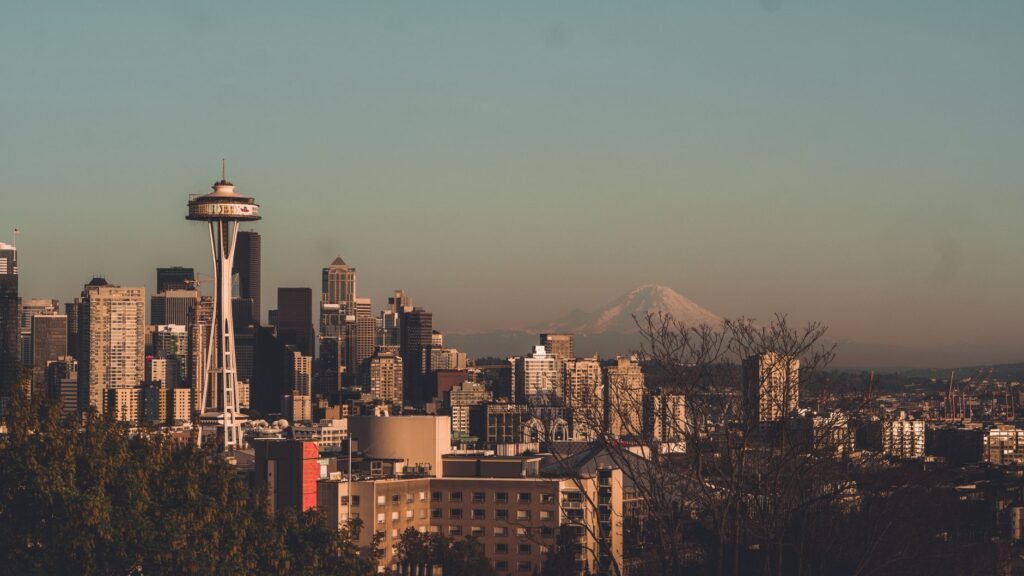
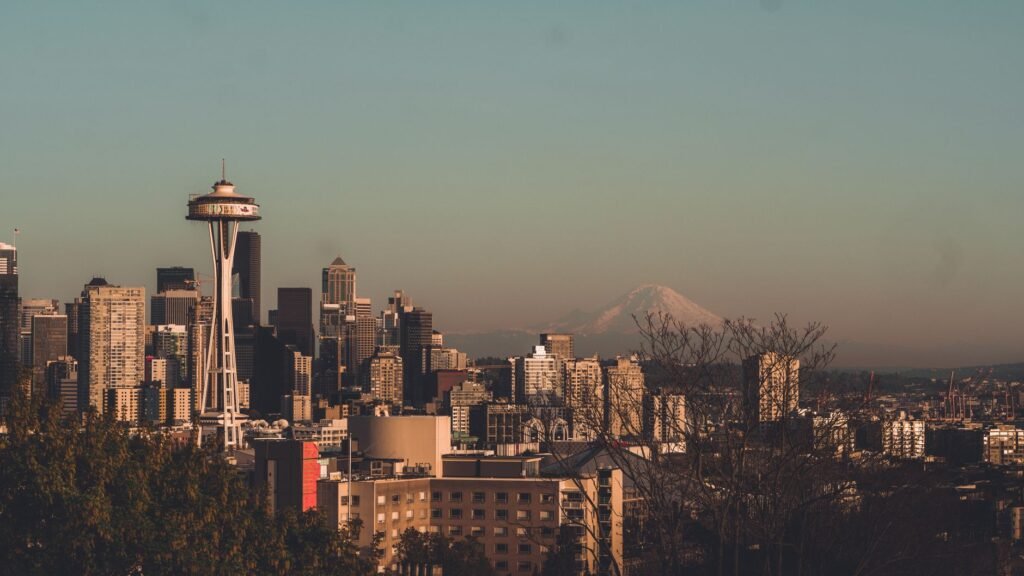
Two days is enough time to see Seattle’s best neighborhoods and get a real feel for the city. You will not have time to explore everything. But you can hit the spots that matter and actually understand why people live here.
The city sits between Puget Sound and Lake Washington. That geography shapes everything you do. The rain is real, but not as bad as the legend says. Bring layers. The coffee is excellent. The seafood is fresh. And the views of the Cascade Mountains can stop you mid-sentence if the weather cooperates.
Most visitors spend too much time in one neighborhood and rush through the rest. The better move is to pick three or four areas and walk them thoroughly. You will see more and feel less frazzled. This itinerary covers the waterfront, Capitol Hill, and Pike Place Market. That gives you neighborhoods with different vibes. You get a good cross-section of what makes Seattle work.
Day One: Waterfront and Pike Place Market
Start your 2 days in Seattle at Pike Place Market early. Get there by 8am if you can. The energy is still raw at that hour. Fishmongers throw actual fish to each other. The smell of fresh catch mixes with coffee from the stalls. By 9:30, the tourists pile in. You want to move through while you can actually think.
Pike Place sits on a bluff overlooking the Sound. It opened in 1907 and almost no one goes to Seattle without seeing it. Skip the crowd-pleaser spots like the original Starbucks. That line wraps around the building. The coffee is not better there than anywhere else in the city. Instead, walk the lower levels. Find the fishmongers and the produce vendors. Buy fresh berries for a few dollars. The quality is hard to find elsewhere.
Walk south from the market toward the waterfront. The path is obvious and you cannot really get lost. This route takes you past older buildings and through blocks that still feel local. You reach the water in about ten minutes on foot. The waterfront district has changed a lot in recent years. The old piers have been renovated. New buildings crowd the view in places. But the core experience remains solid.
Spend your morning and early afternoon on the waterfront:
- Start at Pike Place Market by 8am
- Browse the lower levels and buy fresh fruit
- Walk south toward the water
- Grab lunch at a waterfront restaurant
- Ride the ferry to Bainbridge Island for one to two hours
- Return and walk along the Alaskan Way path
The ferry ride is not a tourist trap. It is an actual commute for thousands of people. For you, it is 35 minutes of open water and views of the Olympics. The ferry costs about $9 each way. Bainbridge Island on the other side is quiet and tree-lined. You do not need to spend hours there. Walk around the terminal area. Grab coffee or a snack. Watch other passengers. Then head back.
Also read: Unique Places to Stay in Seattle Cool Hotels
Dinner should be seafood. Pike Place area has several solid options. Look for places that serve local catch. Halibut and salmon are usually on the menu. Avoid the tourist-focused spots on the main street. Go one block off the main drag. The prices will be lower and the food will be better.
After dinner, walk up Capitol Hill if you have energy. It is a steep climb from the waterfront. Or take a rideshare. Capitol Hill at night is where you find bars, live music, and younger crowds. The neighborhood has character. Walk along Broadway. Pop into shops and venues that catch your eye. Do not try to see everything. Just get the feel of the place.
Day Two: Capitol Hill and Local Neighborhoods
Capitol Hill is the neighborhood with the most personality in Seattle. It is where artists, students, and young professionals cluster. The street art is constant. The independent shops outnumber chains. The food scene is creative and honest.
Start your morning at a Capitol Hill coffee shop. Not a chain. Any local spot will do better work than you expect. Order something simple. Sit outside if the weather allows. Watch the neighborhood wake up. The people here move with purpose. The vibe is not rushed, but it is focused.
Spend your second day exploring three specific areas and their contrasts:
- Broadway corridor for shopping and street art
- Cal Anderson Park for open space and views
- Side Hill for quieter streets and local feel
- Fremont neighborhood as a quick detour north
Walk Broadway first. This is the main spine of the neighborhood. The shops here sell vintage clothes, records, books, and art. Many are run by the owners who live nearby. Stop in places that seem interesting. Talk to people. The neighborhood takes pride in being different from the rest of the city.
From Broadway, head west toward Cal Anderson Park. This park is not large, but it is well-designed. You get views of downtown and the water on clear days. The lawn slopes up to a grassy hill. People come here to sit and think. You can sit for 15 minutes or an hour. No one cares.
Walk east from the park into the quieter residential blocks. This is where Capitol Hill becomes real. Tree-lined streets. Small houses and older apartment buildings. Local bars that have been open for 20 years. Coffee shops with wooden floors. This is where people actually live.
If you have a couple of extra hours, Fremont is worth a short trip. It is about 2 miles north. A rideshare takes 10 minutes. Fremont calls itself the “Center of the Universe.” That is tongue-in-cheek, but the neighborhood does have its own strong identity. The Sunday Market here is excellent if you time it right. Otherwise, walk around the shops and galleries. The neighborhood has less buzz than Capitol Hill, but more craft and intention. Some visitors prefer it. Others find it too quiet. You have to try it yourself.
Also read: 4 Days in Seattle
Neighborhoods to Skip (If Time Is Short)
The University District and Ballard are decent neighborhoods. But they are far enough away that visiting them eats into your time. Ballard is about 6 miles north. The University District is east and requires a longer journey. Both have good spots. The question is whether the effort is worth your 48 hours. For most trips, it is not. The waterfront, Pike Place, and Capitol Hill cover what matters.
Downtown proper is mostly hotels and chain restaurants. Office towers fill the center. The streets are less interesting than the neighborhoods flanking them. Pass through it. Do not base your trip there.
Food, Getting Around, and Weather Reality
Seattle’s food scene gets more attention than it deserves. The coffee is actually world-class. The seafood is fresh and well-prepared. But the restaurant scene itself is not as special as Portland or San Francisco. Seek out the spots where locals eat. Walk past the obvious choices. Ask staff at your hotel or coffee shop where they go. Those tips will serve you better than guidebooks.
Get around by walking and rideshare. A rental car is pointless. The neighborhoods you want are compact and walkable. When you need to jump between areas, a rideshare costs $8 to $15 and saves you from thinking about parking. Public transit exists but is not necessary for a two-day trip. You will move faster on foot.
Rain happens. It is usually light and constant rather than heavy and sudden. The days are short, especially if you visit in winter. Plan for walks in overcast or drizzly weather. That is just Seattle. Pack layers. A light rain jacket matters more than a heavy coat. Bring comfortable walking shoes. You will cover 2 to 3 miles per day on foot.
Also read: What to Do in West Seattle a Complete Local Guide
The Real Reason to Go
Seattle works because the neighborhoods have distinct personalities. You can be in three totally different places in one afternoon. The water is everywhere but not forced on you. The mountains are visible but not dramatic. The coffee is exceptional. The people are polite but not warm. It is a good city for a two-day visit because it does not require deep knowledge to feel rewarding. Just walk, eat, and look around. Two days in Seattle gives you enough time to do that without feeling rushed.
Reference: Seattle