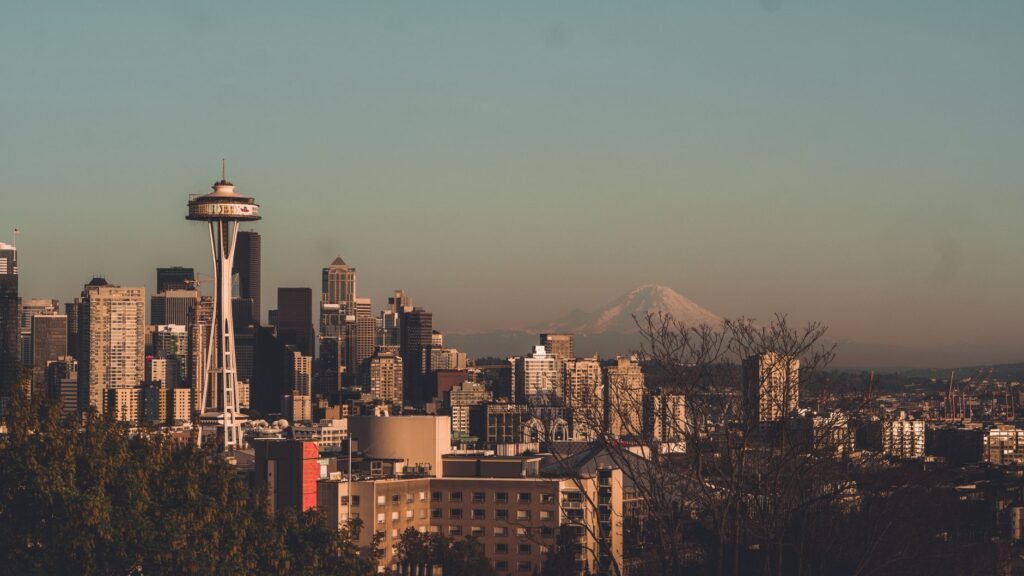
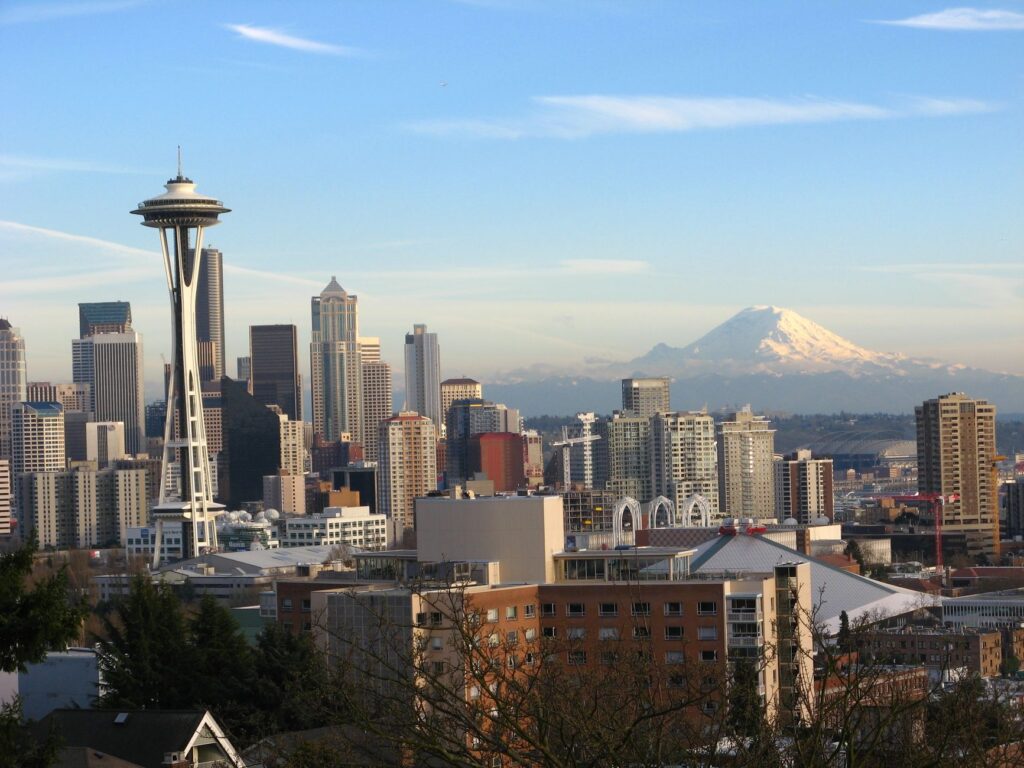
You can do a full Seattle to Mt. Rainier day trip, leaving early and returning the same evening. The mountain sits 60 miles southeast of downtown Seattle. Good weather and decent planning get you there and back in one long but manageable day. Most people underestimate how much time the drive takes. Bad assumptions lead to rushed visits and wasted gas money.
Getting There: The Drive From Seattle to Mt. Rainier
The actual drive from Seattle to Mt. Rainier’s main visitor area takes roughly two and a half to three hours one way. Distance depends on which gate you use. Most visitors aim for Paradise, the park’s most popular zone. That run covers about 90 miles from Seattle. The route takes you south and east on I-5. Then you peel off onto Highway 7 or Highway 123, depending on your entry point. The roads are straightforward. Do not expect the scenic shortcut myths you read online. There is no scenic shortcut that saves time. The main routes are the main routes for a reason.
Leave Seattle by 6:30am if you want real time at the mountain. Anything later and you hit heavy traffic combined with the slow climb into elevation. The second half of the drive gets slower. Roads narrow. Switchbacks multiply. Traffic stacks behind RVs. A section that looks like 15 minutes on the map takes 25. You pay for rushing with wasted daylight at the peak.
Parking at Paradise fills by mid-morning on clear weekends. Once the lot hits capacity, rangers close the gates. You then sit in line or turn back. Starting early avoids this problem entirely. Early also means cooler conditions for the drive back to the city. Heat radiating off pavement south of Olympia makes afternoon drives exhausting.
What to Pack and Prepare
The mountain creates its own weather regardless of Seattle conditions. Sunshine downtown means snow or cold rain at altitude. Temperatures drop 3 to 5 degrees for every thousand feet of elevation gain. Paradise sits at 5,400 feet. That means you need layers even in summer months.
Pack items that handle fast weather swings:
- Waterproof jacket and pants (not just water-resistant)
- Fleece or wool layer under your jacket
- Warm hat, even in July
- Gloves if you are visiting before June or after September
- Sturdy hiking boots with good grip
- Sunscreen and sunglasses (reflection off snow burns fast)
- Water bottle, at least 2 liters
- Snacks, not just a granola bar
- Map or offline maps on your phone
Gas up in Longmire or the lowlands before you climb. The lodge area has limited services. Prices are marked up. Food options are thin. Bring sandwiches or snacks instead of counting on the lodge cafe. That cafe gets slammed and moves slow. A peanut butter sandwich costs $16 and tastes rushed.
Also read: How to Get From Seattle to Mt. Rainier
The Paradise Area: Where Most People Go
Paradise is the name of the visitor hub on the south side of the mountain. It is not a town. It is a parking lot, a visitor center, and a lodge. But it sits closest to the mountain’s main glacier and peak, so nearly everyone stops here. The Nisqually Glacier dominates your view. On clear days, the summit rises above everything else.
Park and head straight for the visitor center if you arrive before 10am. Pick up a map. Ask about current trail conditions. Snow lingers until July on higher routes. Muddy sections appear as snow melts. Rangers know which routes are actually passable that day. Online info lags behind real conditions. Ranger knowledge does not.
From Paradise you have options depending on your fitness and how much daylight you have left. The Skyline Trail loops for about 6 miles with constant elevation gain. It reaches 6,800 feet and offers views that justify the slog. The climb is real. Most people feel it. That route needs three to four hours round trip. A shorter walk to Reflection Lakes takes about an hour. You get decent views without the steep grind. depending on your shape and energy.
The lodge at Paradise serves food but expect lines and slow service. The hiking is the point. Eat before you arrive or bring your own lunch. Sitting on a rock with a sandwich beats waiting 45 minutes for a burger that tastes okay.
Alternative Gates: Sunrise and Ohanapecosh
Not everyone wants the crush at Paradise. Two other park entrances offer quieter access and different angles on the mountain.
Sunrise sits on the northeast side, about 75 miles from Seattle and higher in elevation. The drive takes three to three and a half hours. You approach from the town of Enumclaw instead of from the south. Sunrise is genuinely less crowded than Paradise. You get different views of the mountain. Fewer people means easier parking and shorter lines. But the extra distance burns 45 minutes of daylight each way. For a day trip from Seattle, Sunrise only works if you have nerves of steel about timing.
Ohanapecosh is the southeast entrance, roughly the same distance as Sunrise but quieter still. River walks and old growth forest dominate here. The mountain feels more distant and less central. It works better as a half-day add-on than as a main destination from the city. Most Seattle visitors should stick with Paradise for a day trip. You get the classic mountain views without losing hours to remote roads.
Timing Your Day: A Sample Itinerary
Getting the schedule right separates a good day from a frustrating one. Here is a realistic day from start to finish.
- Leave Seattle at 6:30am
- Stop for coffee and a quick breakfast near Puyallup or Longmire (7:15am start)
- Arrive at Paradise parking by 9:30 or 10am
- Visit the center and pick up maps (30 minutes)
- Hike a medium route like Skyline or Reflection Lakes (3 to 4 hours)
- Eat lunch near the parking area (45 minutes)
- Walk one shorter easy trail to extend your time (1 to 2 hours)
- Leave the park by 4:30pm at the latest
- Arrive back in Seattle by 7:30 or 8pm
That schedule gives you honest hiking time without a desperate sunset drive. You see the mountain without rushing. You eat without starvation. You still make it home at a reasonable hour.
Adjust based on your fitness and the weather. Clear skies mean happier photography and better views. Clouds or rain mean shorter hikes and faster exits. Bad weather burns energy for no reward. Know when to cut the day short and head back to Seattle.
Costs and What to Budget
A Mt. Rainier day trip from Seattle costs less than people expect if you skip the tourist trap upgrades.
Park entry runs $30 per vehicle and remains valid for seven days. Gas from Seattle and back uses about 12 gallons. At typical prices, count on $45 to $60. Food for the day depends on your choices. Bringing your own meals costs $15 to $20. Eating at lodge restaurants costs $45 to $75. A decent camera lens you do not already own is optional but tempting.
Total budget for two people is roughly $150 to $220 depending on food choices and how many souvenirs you buy. Hard to spend more unless you book a room at the lodge, which makes the whole trip overnight instead of a day visit.
Read more: Road Trip From Seattle to Yellowstone National Park
Common Mistakes to Avoid
Underestimating the drive time is the biggest error. People leave at 8am and expect to hike by 10:30. Traffic plus elevation roads plus parking delays push you closer to noon. You then rush your hikes to get home by 9pm. That is not a good day.
Overpacking difficulty is another trap. You cannot do the Skyline Trail and a six-mile river walk in the same day. Pick one real hike and one short walk. Do them well instead of both poorly.
Assuming the weather will match Seattle is classic. Bring rain gear every trip. The mountain does what it wants. You handle the mountain, not the other way around.
Buying overpriced food at the lodge also trips people up. Bring a cooler with sandwiches. Save $40 and eat better. That is simple math.
One more: do not count on cell service. Download offline maps before you drive. Tell someone in Seattle where you are going. Rescue is rare but possible. Preparation costs nothing.
The Return Drive and Planning Your Next Trip
The drive back to Seattle feels longer than the drive out. You are tired. The sun is lower. Traffic thins but your energy thins faster. Stop in Longmire if you need coffee. The cafe there is better than the lodge options. A 15-minute break turns into real recovery time.
Avoid arriving back downtown past 9pm. You still have work or responsibilities Monday. Early mornings compound. Leaving Mt. Rainier by 4:30pm gives you a realistic shot at a reasonable bedtime.
If you loved the mountain and want more next time, plan a two-day trip with a lodge stay. One overnight lets you hike at dawn when the light is clearest. You avoid the day-tripper crowds. You skip the exhausting drive both directions on a single day. For now, though, a solid day trip proves whether you want to return at all. Most people do. The mountain earns a second visit.
Reference: National Park Service – Mount Rainier