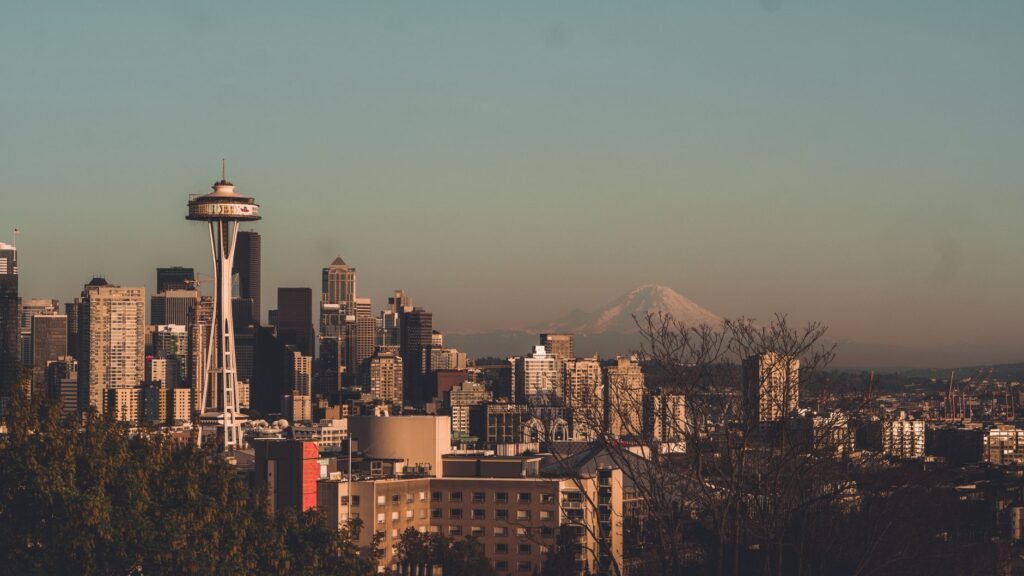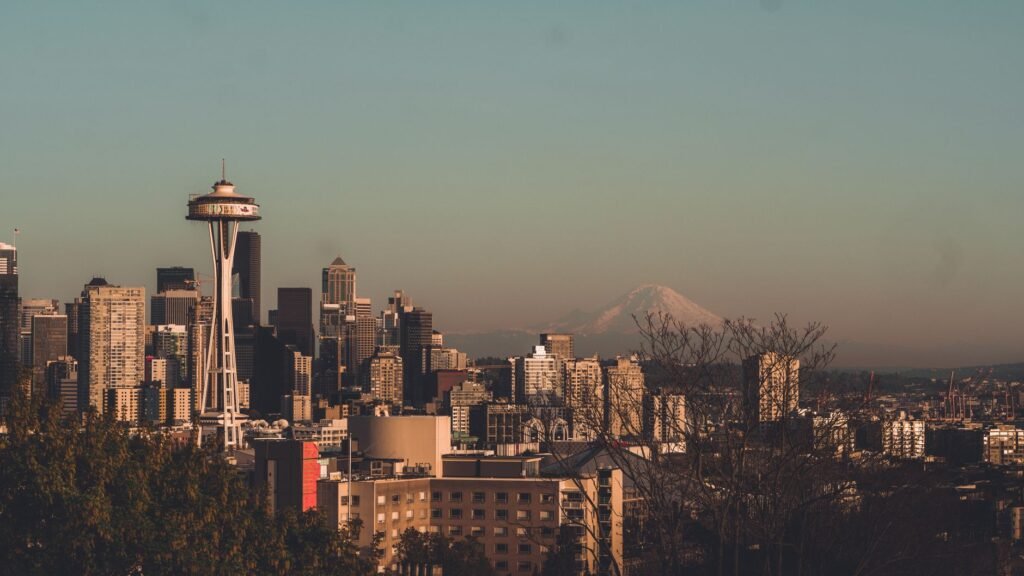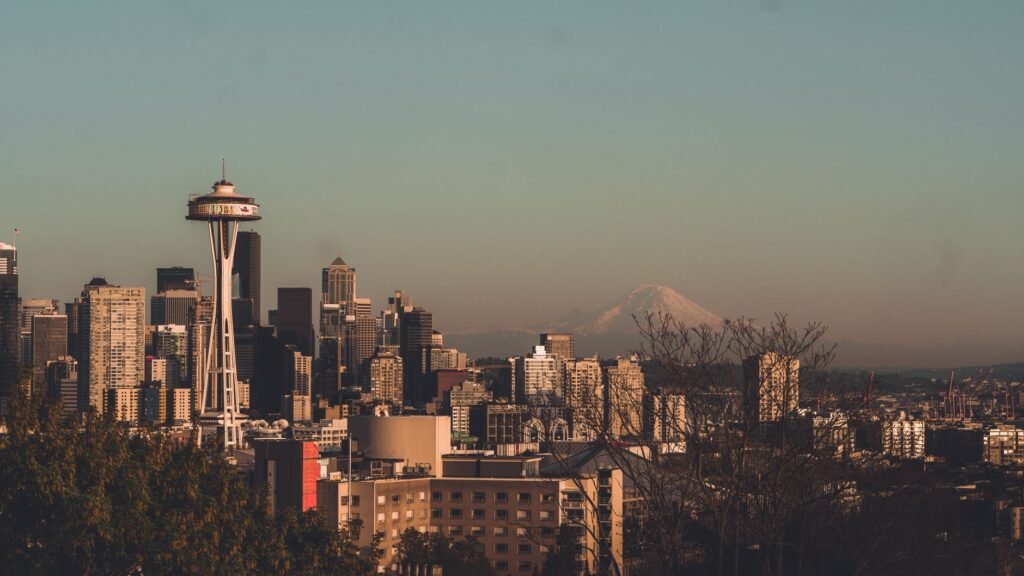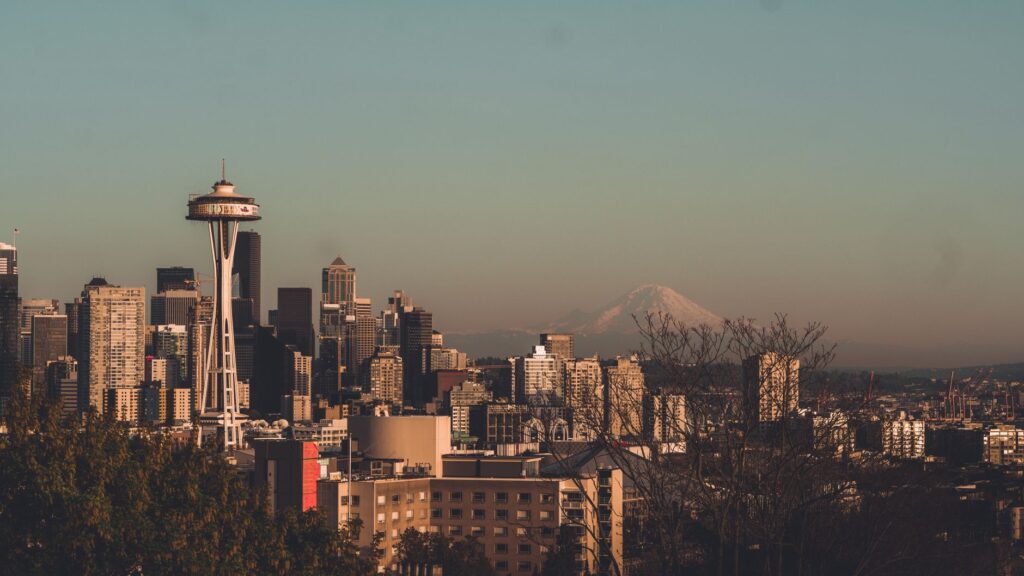
The best non-touristy things to do in Seattle are the ones locals actually spend time on, and they’re nothing like Pike Place Market. This is a city with real depth if you know where to look. The Seattle waterfront gets the crowds. The neighborhoods and small museums don’t. You’ll save money and see the city that matters.
Skip the Icons, Find the Character
Most visitors spend a day at Pike Place and call it done. That’s a mistake, but not the one you think. Pike Place isn’t bad. It’s just not where Seattle lives. The city has moved on to quieter spots that feel less like a performance. You want to go where people actually drink coffee and buy fish and sit. That’s the difference between a postcard and real life.
Start by ignoring the waterfront entirely for your first few days. Yes, the water is there. You’ll see it later. What matters now is finding the neighborhoods where you’ll run into normal people doing normal things. Seattle works this way. The character isn’t in one spot. It’s spread across pockets of the city that make sense once you understand how they fit together.
The Neighborhoods That Tell You What Seattle Really Is
Ballard is where you go to understand how Seattle changed and didn’t change at the same time. It used to be a Scandinavian fishing town. Now it’s a mix of old warehouses turned into bars and apartments, plus some of the best food in the city. The smell of fish and fresh bread near the old fishermen’s terminal at dawn will tell you more than any guide can. Walk down 15th Avenue. Stop at places without signs out front. This is where Seattle keeps its real food scene, not the tourist restaurants with the long waits.
Fremont sits just north and feels like a place that time forgot on purpose. The neighborhood is intentionally weird. That’s not a gimmick. It’s genuine. You’ll see street art that changes. You’ll find bookstores that sell used vinyl and host readings. The Sunday Market is worth a visit, but not because it’s polished. It’s worth it because it’s a real community market where people actually shop and eat. Spend a few hours here. The pace slows down. That’s the point.
Capitol Hill gets written about too much as the gay neighborhood, which it is, but that’s only half the story. It’s also where young Seattle goes to eat, hear music, and hang out in coffee shops for hours. The restaurants here take real risks. The bars don’t try to be cool. They just are. Broadway and Pike Street are the spine, but the real action is on the side streets. Pine Street has some of the best food in the entire city. It’s not fancy. It’s just good.
Georgetown is south, which means fewer visitors get there. That’s the whole reason to go. It’s a working neighborhood with actual businesses, not boutiques. There’s street art that’s not Instagram bait. There’s a hardware store where people shop. There’s Joule, which is the best coffee roaster in the city and makes other roasters nervous. This is where you find out if you actually like Seattle or just like the idea of it.
Also read: what to do in west seattle a complete local guide
The Museums Nobody Fights Over
The Henry Art Gallery matters for one reason. It doesn’t try to be the Met. It’s experimental and weird and feels like a place where things are still being figured out. You can walk through in an afternoon. Nobody waits in line. Admission is $10. The collection rotates, so what’s there changes. This is art that’s still alive, not art that’s been processed into tourism.
The Frye Art Museum is even less crowded and even better. It’s in a neighborhood most tourists never see. The building is handsome. The collection has old stuff and new stuff mixed together without apology. There’s no line. You can move at your own pace. Coffee is good and cheap. Open hours are easy. This is a museum that feels like someone’s home, not like a business with quotas to hit.
Go to the Burke Museum if you want natural history, but get there right when it opens. The dinosaurs and the Pacific Northwest indigenous art are strong. It’s on the University of Washington campus. The walk from the bus station is worth it. The neighborhood around the university feels different from downtown Seattle. It feels like the city could breathe here. That’s the whole appeal.
Eat Like You Live Here
You can’t spend a weekend eating Seattle food without understanding Pike Place first. But you also can’t eat your whole trip there. That’s a trap. Walk through once. Grab something fast. Leave. The real food is in neighborhoods where tourists are rare enough to notice.
Capitol Hill has restaurants that take risks because they don’t have to impress people passing through. Confirm Cafe is vegetarian and tastes like nothing else in the city. Quinn Fawn Thai is hidden and gets better every time. Mamnoon is Afghan food so good it ruins you for Afghan food anywhere else. None of these places are fancy. All of them require you to know they exist.
Ballard’s food scene punches as hard as anywhere in America for a city this size. Pike Place Fish does raw fish and poke that’s cleaner than it has any right to be. The price is fair. The fish is handled like it matters. Wallingford has UW students and professors, which means cheap places with good food keep opening. They have to, or the students will leave. Suerte on Capitol Hill is the hardest reservation to get in the city. Book weeks out or eat bar. It’s worth both.
What changes everything is eating dinner during lunch prices. Most places have a happy hour. Broadway Market in Capitol Hill has good food at low prices if you know where to sit. The practice is this. Go at 5:30 before work people leave but after the office lunch rush ends. Deals are real. Lines are short. You eat well and spend $15.
What to Actually Do Beyond Eating
The Wallingford neighborhood has the Woodland Park Zoo. It’s a good zoo, which means the animals look okay and the setup makes sense. Parking is easy. Admission is $20. It’s not free, but it’s not Vegas prices either. The African section is strong. The elephants look like they have room. Come here on a weekday if possible. Weekends get loud. Weekday mornings are good. The school groups come through then, but they move fast.
Gas Works Park overlooks the city from the north. It’s a park built on the site of an old gas plant. The industrial equipment is still there, painted bright colors. This is where Seattle comes to watch the sunset. The view is genuine. The neighborhood feels real. Walk to Wallingford afterward for dinner. It’s a 20-minute walk down hill. The path is clear. The businesses along the way are actual businesses, not chains. This is how you spend a good day without thinking about it much.
The Seattle Waterfront is real, just different from what you might expect. Walk from Pioneer Square to the Olympic Sculpture Park. The distance is about two miles. It takes an hour. The views change. The feel shifts from old Seattle to new Seattle. You see how the city is built and rebuilt. This is better than staying in one spot and taking photos.
Also read: unique places to stay in seattle cool hotels
Getting Around Without a Car Rental
You don’t need a car in Seattle if you stay in the right neighborhoods. Capitol Hill is walkable. Ballard is walkable. Georgetown requires a short bus ride. The bus system is simple. A day pass is $7. A week pass is $30. The buses come often. The routes are clear. This is one of the few American cities where you don’t need a rental.
If you do rent a car, prices are reasonable. Budget runs about $40 a day. Gas costs what it costs. The drive to Mount Rainier is about an hour if the weather is clear. The drive to the San Juan Islands ferry at Anacortes is about 90 minutes. Both trips make sense. Both trips get crowded on weekends. Go on a weekday if you can.
When to Go and What to Know
Summer is hot. That means 75 to 80 degrees and no rain. This is June through September. The rest of the year is cool and wet. That’s not hyperbole. Rain is normal. Bring a jacket. Waterproof shoes are smart. Most people miss Seattle in winter because they expect better weather. The light is different. The crowds are gone. The city feels like it again.
The real cost of a trip is this. Rent a room in Ballard or Capitol Hill for $120 to $180 a night. Eat lunch for $12 and dinner for $18. Museum entry is $10 to $15. A three-day trip costs about $800 before flights, maybe less if you’re careful. That’s cheap for an American city with real food and real character.
Also read: drive from seattle to portland oregon
The One Thing People Get Wrong
Everybody expects Seattle to be rain and sadness. That’s not right. The rain is real, but it’s not usually heavy. The sadness is not the city. That’s just the reputation. Seattle is pragmatic. It’s good at getting things done. It doesn’t perform emotion for cameras. This confuses people who expect friendliness on command. The friendliness is there. It’s just earned, not automatic. You have to spend time. Then it opens up.
Skip the tour buses. Skip the Space Needle. The views from Gas Works and Kerry Park are better and free. Skip the aquarium. Spend that money on groceries and cook. Stay in a neighborhood. Walk around. Eat what locals eat. This is how Seattle makes sense. The city doesn’t give itself away. You have to go looking. When you do, it’s there.
Reference: Seattle