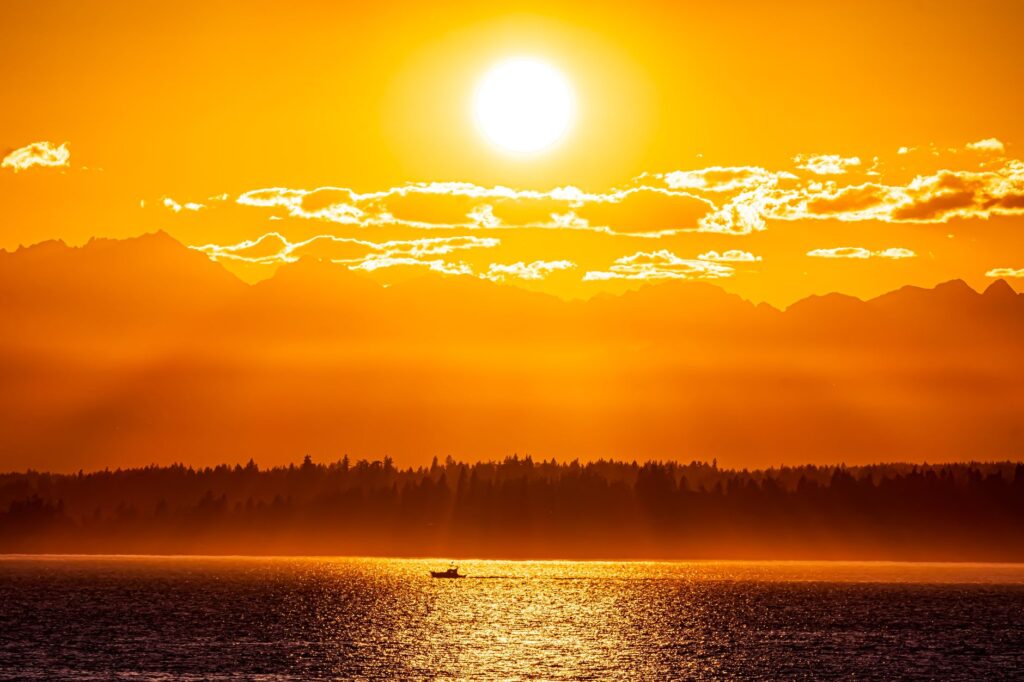
You can get from Seattle to Olympic National Park by ferry and car in about four hours, though the route itself matters a lot more than the time. Most visitors drive south around the Sound. But taking a ferry first saves you from sitting on I-5. It also costs less than you’d think and gets you moving in a direction that actually makes sense.
The ferry crossing is the good part. You leave downtown Seattle by boat. You watch the city fall away. Then you drive straight to some of the best wilderness on the West Coast. This guide covers the real route, the costs, and what you should know before you go.
Getting to the Ferry Terminal in Seattle
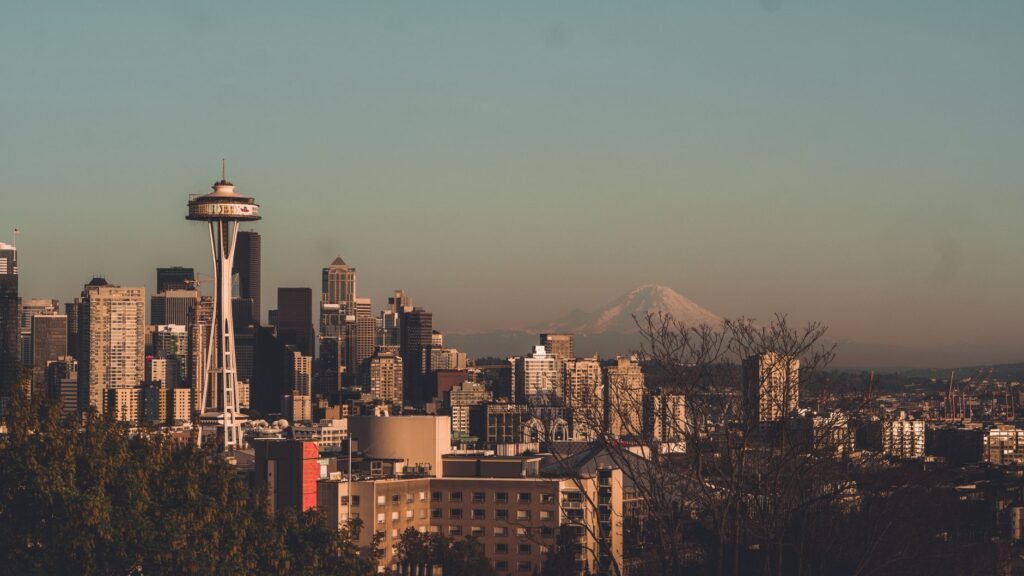
The Seattle ferry terminal sits right downtown at Pier 52. You’ll find it on the waterfront near Pike Place Market. Getting there is simple if you don’t overthink it. Driving in downtown Seattle is maddening. The streets are one-way. Parking costs $15 to $25 per day. Sound like a lot? It adds up fast when you factor in stress.
Take a rideshare instead. A ride from most Seattle hotels costs $12 to $18. This saves you the parking hassle entirely. You arrive with less aggravation. The ferry terminal itself has parking if you insist on driving. It’s $17 per day for surface lot parking. Reserved spots run $22 per day. Neither is cheap, and both fill up on summer weekends. Arrive at least 90 minutes early if you drive yourself.
Which Ferry Route Gets You There
Washington State Ferries runs two main options to reach the Olympic Peninsula. The Edmonds to Kingston route is the faster choice. It takes about 30 minutes. You dock in Kingston, then drive south and west to the park. This route works well if you’re coming from north Seattle or I-5.
The Bainbridge Island route leaves from downtown Seattle directly. The crossing takes 35 minutes. Bainbridge Island is lovely and worth a walk if you have time. But from Bainbridge you drive further south. You’ll loop around before heading west toward the park.
For most trips, the Edmonds route wins. It’s faster. The drive to the park entrance is shorter. Driving to Edmonds takes about 30 minutes from downtown Seattle. If you’re staying downtown anyway, a rideshare to Pier 52 still beats the northern drive.
Book your ferry reservation online before you go. Walk-on tickets run about $8 per person. A car plus driver costs $20 to $25 depending on car size. Reservations cost $1 extra per ticket. Summer Saturdays and Sundays fill up by noon. Without a reservation on those days, you might wait four hours for the next open sailing.
The Drive Across the Puget Sound by Water
The ferry itself is worth your attention. This isn’t a small tourist boat. These are working ferries. They’re big, stable, and they move fast. You can stay in your car if you want. Most people go topside to watch the crossing. The sun hits the water differently out there. The smell of salt and diesel fuel mixes with fresh air off the Sound. It’s cold even in summer. Bring a jacket.
The crossing takes longer than you’d guess for such a short distance. The ferry dodges shipping lanes and makes wide turns. You’ll see container ships headed to the Port of Seattle. Small fishing boats cut across the bow. In winter the crossing gets rougher. In summer it’s smooth enough that sleep-deprived tourists actually nap on deck.
Walk around the boat if you board early. The upper deck gives you sight lines in all directions. The cabin areas have decent coffee and snacks. The bathroom lines build toward the end of the crossing. Use them early. Food on board costs $3 to $8 per item. Nothing fancy but it beats starving. Bring a water bottle if you want to save money.
What Happens After You Land
You dock in Kingston around 30 minutes after leaving downtown Seattle. Kingston is a small town. It’s not a destination. You don’t need to spend time there. Drive straight out and turn west. Your target is U.S. Route 104. This road heads toward Port Townsend. Follow it for about 20 minutes. Then take Highway 20 south and west toward Port Angeles. The total drive to Port Angeles takes about an hour from Kingston.
Port Angeles sits at the north edge of the park. This is where the real trip starts. The town has hotels, food, and the park’s main visitor center. Most people gas up here. The park itself doesn’t have much in the way of facilities. One small lodge exists deep inside. Otherwise you’re camping or driving back to Port Angeles for the night.
The road from Port Angeles into the park runs south and west. It’s called the Olympic Park Road. This isn’t a highway. It’s a park road that gets narrower and slower as you go deeper. Animals cross it. Rain can close sections. In fall, wet leaves cover the asphalt. The drive to the Hoh Rainforest takes about 45 minutes from Port Angeles. That’s the park’s main attraction for most visitors.
Also read: road trip from seattle to yellowstone national park
Timing and Seasons
Summer runs May through October. This is peak season. Crowds build from June onward. Roads stay open. Weather is coolest in June and most stable in July and August. September through early October brings fewer people and still good weather. Fall colors show up in October. Rain arrives in November.
Winter is hard here. Snow falls at higher elevations but rarely in the lowlands near the coast. Rain is constant. Roads ice up. The park stays open but doesn’t feel welcoming. Spring is muddy and wet. Heavy rain continues through May.
Book the ferry during summer weekends at least three weeks ahead. Summer weekdays are easier. You might get same-day walk-on spots on Tuesday or Wednesday. Winter ferry crossings are calm and half-empty. You can show up and board within 20 minutes. Cold weather isn’t fun, but the park feels quieter and more real without crowds.
Costs and What to Budget
The ferry from Seattle to Kingston runs about $20 to $25 per car including the driver. Add $8 per walk-on passenger if people aren’t driving. Gas from Seattle to the park entrance costs $10 to $15 depending on your car. Parking inside the park is free at most trailheads. Some lots fill up in summer. Arrive before 10am if you want guaranteed parking at popular spots like the Hoh Rainforest.
Hotels in Port Angeles run $80 to $150 per night in summer. Budget chains cost less. Nicer places cost more. Camping inside the park runs $20 to $28 per night. Backcountry camping requires a permit that costs $5 per person per night.
Here’s what a budget trip looks like.
- Ferry roundtrip for a car plus one person: $50
- Gas roundtrip from Seattle: $30
- One night hotel in Port Angeles: $100
- Meals and coffee: $50
- Park entrance or permit: $0 to $5
Total: $230 to $235 for a full day and night.
That’s lean but real. Adding better meals pushes it to $300. Two people in one car costs less per person. Three people or more in a car makes it even cheaper.
Also read: unique places to stay in seattle cool hotels
What to Pack and Bring
The ferry ride crosses open water. It gets cold even when the weather looks warm. Pack a fleece or jacket. The sun reflects off the water. Sunglasses help. Sunscreen matters even on cloudy days because water reflects UV light.
Inside the park, pack what you’d need for a day hike plus rain gear. The forest is wet. Trails are muddy. Waterproof boots work better than regular shoes. Rain can start fast. A rain jacket packed in your car is essential. Avoid cotton. Wool and synthetics dry faster.
Bring the following items.
- A full tank of gas before entering the park
- Rain jacket and fleece
- Waterproof boots
- Sunscreen and sunglasses
- Snacks and water
- A camera or phone for photos
- Cash for parking or permits if needed
- A map of the park
Gas stations exist in Port Angeles and Port Townsend. They don’t exist inside the park. The nearest fuel after you leave Port Angeles is 45 minutes away. If you run low and need gas, turn back. Don’t risk running empty on a narrow park road.
Deciding Between the Ferry Route and Driving Around the Sound
This is the real decision. You can drive around the south end of Puget Sound. I-5 south, then west through Olympia to U.S. Route 101. That route takes about five hours. The ferry route takes about four hours including wait time. The ferry costs money. The southern route burns gas and eats time on a highway.
The ferry wins if you value scenery. You get a boat ride. You break up the driving. The view matters. The ferry also works if you want to avoid I-5 traffic. Summer days on I-5 south of Seattle can sit bumper-to-bumper for miles. The ferry takes you out of that entirely.
The southern route wins if you’re budget-obsessed. You save the ferry fare. Gas costs less than a ferry ticket. You avoid the 90-minute ferry terminal arrival time. If speed is your goal, the ferry adds time. It also adds complexity. You need a reservation. You need to hit a specific departure time.
For most visitors, the ferry route makes sense. It breaks up the trip. It gets you to the park rested. The view on the water is worth the extra expense. You’ll arrive in Port Angeles relaxed. Then you drive into old-growth rainforest with energy left for hiking.
The ferry from downtown Seattle to the Olympic Peninsula beats highway driving. You skip freeway traffic. You cross water instead of pavement. The crossing itself becomes part of the trip. From Kingston you’re 90 minutes from the park’s best trails. The logistics are simple. The cost is low. Hard to argue with that.