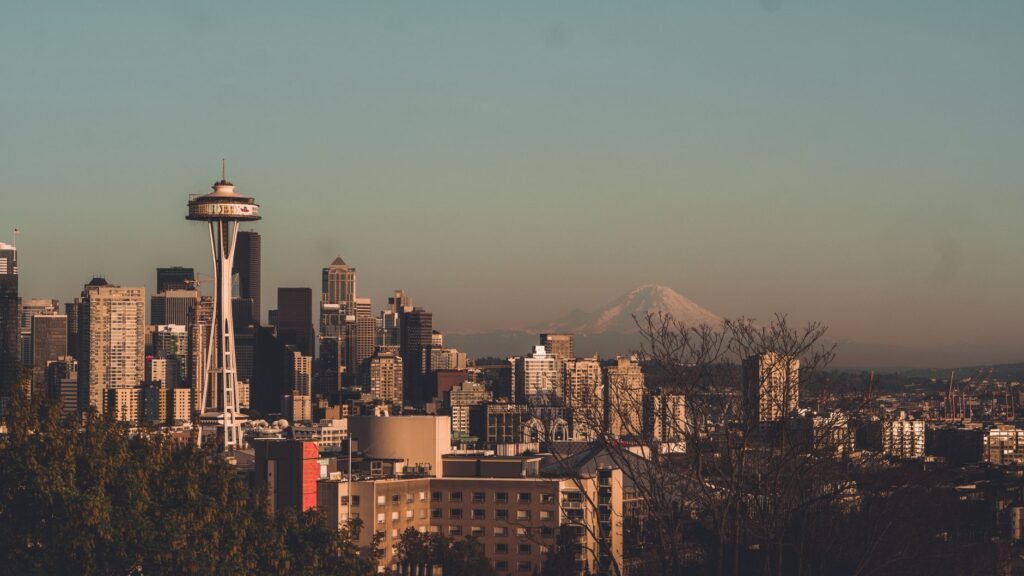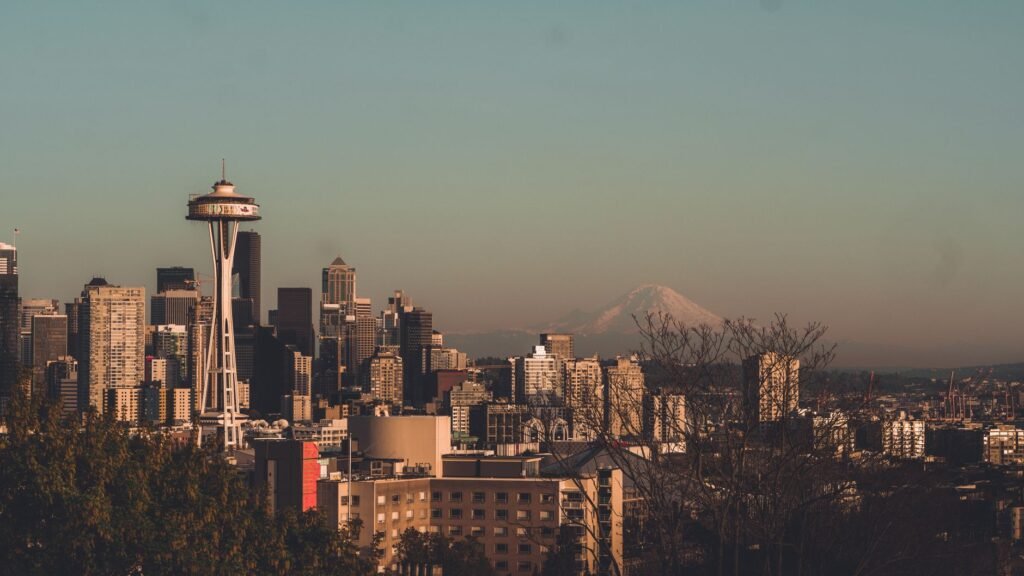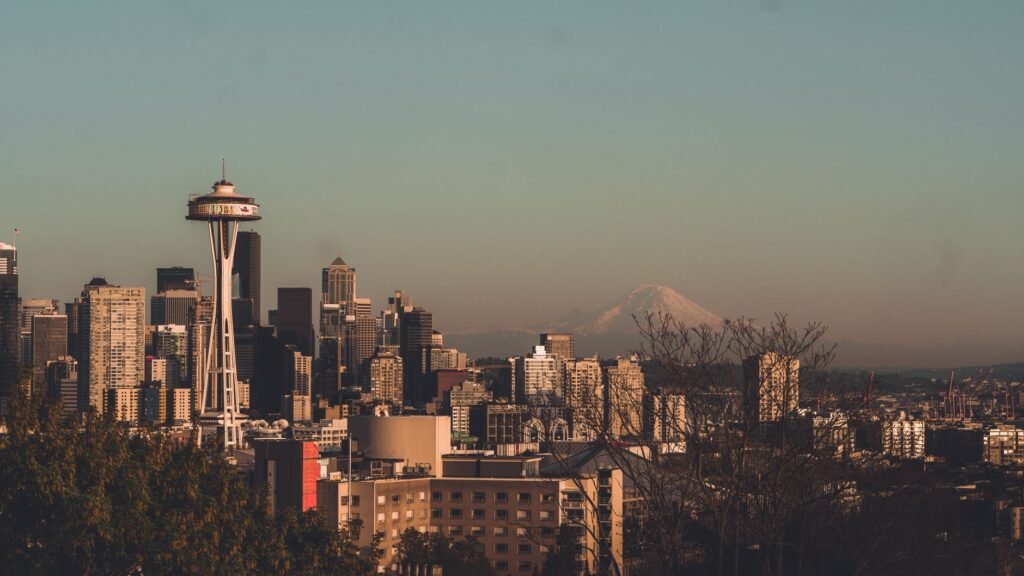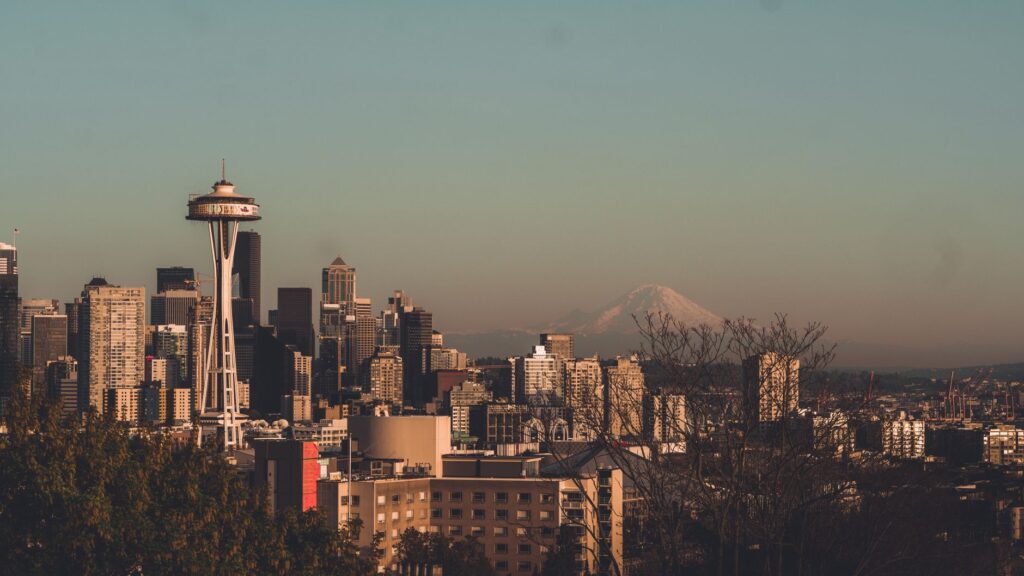
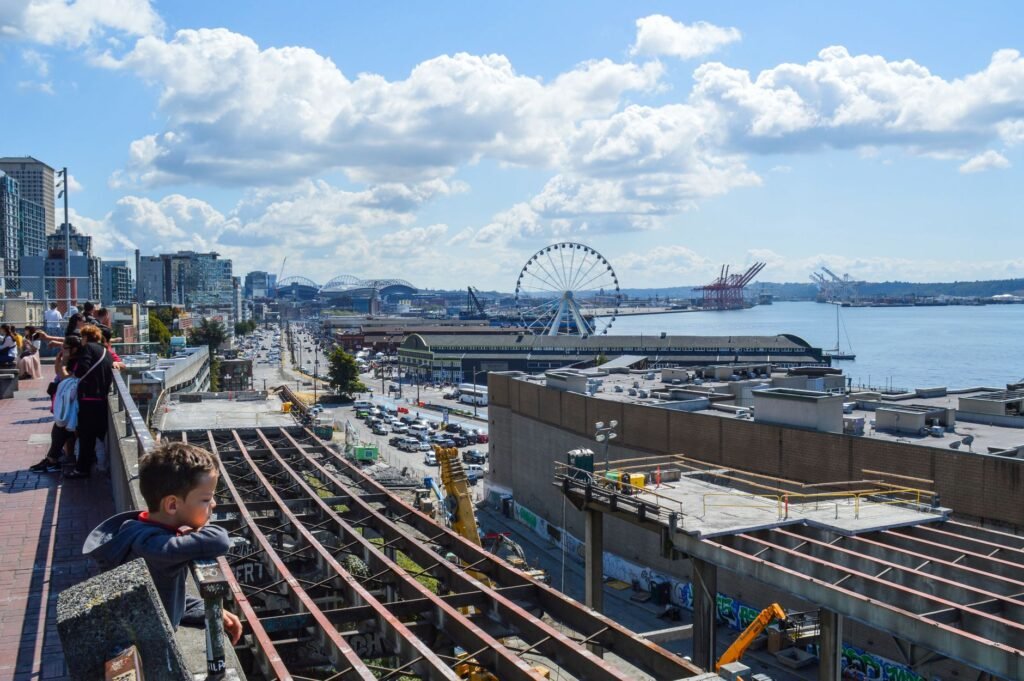
Seattle has plenty of great things to do with kids. The city sits between two bodies of water. Mountains are visible from nearly every neighborhood. The weather is mild year-round, which matters when you’re managing young children. Most families find the pace relaxed compared to other big cities. You can tackle most major attractions without fighting crowds or spending a fortune.
The real advantage here is variety. You get beaches, museums, wildlife, science centers, and parks all within easy driving distance. The city doesn’t have the same tourist crush as New York or San Francisco. Your kids will actually enjoy the visit instead of spending it in lines.
Pike Place Market and the Waterfront
Start at Pike Place Market if you’re visiting Seattle with kids. It opens early, stays open late, and works for every age group. The market smells like fish and coffee at 7am. By midday, it’s packed with families watching the fish-throwing vendors. Yes, it’s touristy. But it’s also real. Real fishmongers sell real fish. Real farmers sell real vegetables. Your kids will see actual work happening, not a stage show.
The magic isn’t the market itself. The magic is what comes next. Walk downhill from Pike Place to the waterfront. The Seattle Aquarium sits right there. Admission runs about $30 per adult and $20 per child. You’ll spend two to three hours inside looking at octopuses, sea turtles, and jellyfish. Younger kids fixate on the touch pools. Older kids grab an aquarium map and make it a scavenger hunt.
From there, walk the seawall. The path runs for miles along Elliott Bay. You’ll see ferries crossing the water. On clear days, the Olympic Mountains rise up across the sound. Bring snacks and water. The walk is easy, flat, and costs nothing. Your kids will burn energy while you actually see the city.
Local families do a Pike Place morning and waterfront afternoon. It’s not original. But it works because it combines food, movement, and something to look at. You’ll be done by 3pm without feeling rushed. That leaves time for a neighborhood stroll or early dinner.
Also read: what to do in west seattle a complete local guide
The Woodland Park Zoo
The zoo sits north of downtown in the Fremont neighborhood. It’s 92 acres, which means lots of walking. The good news is the paths are smooth and mostly level. The bad news is you’ll be doing five to seven miles on your feet. Plan for four hours minimum if you have young kids.
The zoo is strong with big cats, primates, and birds. The outdoor exhibits beat the cages. The red pandas live in a naturalistic forest setting. The otters have a waterfall and rocks to climb on. This matters because your kids will actually see the animals doing things instead of pacing behind glass.
Admission runs about $25 for adults and $18 for kids. Parking is free. The gift shop is massive and expensive, so manage expectations about souvenirs. Pack lunch or eat at one of the food stands. The main restaurant charges zoo prices for normal food.
The zoo works best in spring and early fall. Summer brings crowds. Winter is quiet but can be wet and cold. The animals are most active in cool weather anyway. If you’re choosing between the zoo and the aquarium, go with the zoo if you have a full day. Choose the aquarium if you want something quicker.
The Pacific Science Center
This museum sits in the Seattle Center neighborhood, a short drive from downtown. It’s built for kids age 2 to 12. Teenagers find it basic. Adults find it solid but not groundbreaking.
The planetarium is the crown jewel. Shows run about 30 minutes. The projector is good. The chairs are comfortable. Younger kids sometimes get scared in the dark, so know your child. The digital dome theater shows films about dinosaurs and outer space. Most kids sit through it without complaint.
The main museum has hands-on exhibits about how things work. There’s a climbing wall, a shadow room, and a water table. Nothing is stunning, but nothing bores kids either. The robot exhibit gets crowded. The weather room is a hit with younger children. Expect to spend two to three hours if your kids are under 8, or three to four if they’re older and curious about how things work.
Admission is about $20 to $25 per person. Parking is $10. It’s worth doing on a rainy day rather than a clear one. That’s the real test of a museum. Does it solve the problem of being stuck indoors? Yes.
Green Lake and Water Activities
Green Lake is a 2.8 mile loop in the middle of the city. A paved path circles the whole lake. Families push strollers here. Joggers pass. Cyclists cruise. It’s low-key and pleasant. No one is racing anyone.
The water is cold but swimmable in summer. Two beaches have roped-off swimming areas. Lifeguards watch during summer months. The water warms to maybe 65 degrees by August. Smaller kids might need to acclimate. Older kids will jump in without hesitation.
You can rent kayaks and paddleboards at the boat rental on the south end. A single kayak runs about $20 per hour. A double kayak is about $30. Paddleboards are similar pricing. Most families rent for just one hour. That’s enough time to paddle out, look around, and paddle back without everyone getting tired.
The walk or bike ride around the lake is free and easy. The water activities add cost but give you something to do for a couple of hours. Combine both and you have a solid afternoon.
The Chihuly Garden and Glass
This museum holds the glass sculpture collection of Dale Chihuly. It’s in the Seattle Center, near the Science Center. The building is striking. The gardens are full of color. Your kids will have one of two reactions. They’ll be amazed by the bright glass forms. Or they’ll be bored after 15 minutes.
For younger children, this skews toward boring. For kids 8 and up, it often clicks. Teenagers can appreciate the technical skill. Adults either love it or find it overhyped. You know your kids. If they enjoy art, book tickets. If they mostly want to run around, skip it.
Admission runs about $30 per adult and $20 per child. Parking is $15. You’ll spend about 90 minutes inside unless you’re really taking your time. The gift shop is excellent if expensive. Plan accordingly.
The downtown Space Needle is adjacent. Most families visit both on the same afternoon. You can see the city from the observation deck. It’s genuinely good views but not revolutionary if you’ve been to similar towers. The needle costs about $30 to $35 per adult and $20 to $25 per child. Decide if the view is worth the money for your family.
Discovery Park and Hiking
Discovery Park is the largest city park in Seattle. It has 534 acres. Multiple trails range from easy walks to moderate hikes. The Ballard neighborhood surrounds it. The park sits on Puget Sound. Views of the Olympics appear on clear days.
For younger kids, the Loop Trail is perfect. It’s 2.8 miles and takes about an hour. The path has shade, dirt sections, and a lookout point over the water. It’s not strenuous. It’s mostly pleasant.
The lighthouse trail is shorter but has more elevation change. It’s about 1.5 miles down to the water and lighthouse. Then you climb back up. It’s doable for kids age 4 and up with decent fitness. Older kids often enjoy the beach at the bottom.
There’s no admission fee. Parking is free. Bring water and snacks. The park has no food services. On weekends, parking fills up, so arrive early or come on a weekday.
Also read: unique places to stay in seattle cool hotels
Neighborhoods Worth Exploring
Fremont is quirky and walkable. The Sunday Market runs year-round. Local artists sell jewelry, clothes, and weird crafts. It’s not a traditional farmers market. It’s more eclectic. Kids enjoy the randomness. Bring cash for the vendors. The area has good pizza and ice cream shops nearby.
Ballard is more polished. The Ballard Locks are free and worth 30 minutes. You watch salmon and boats pass through. Kids find it surprisingly engaging. The locks are just north of the neighborhood proper. Walk through Ballard afterward. The main street has restaurants and shops. It’s good for a casual afternoon.
Capitol Hill has energy but skews younger and hipper. The neighborhood is walkable but has more nightlife than family activity. If you want coffee and people-watching, it works. If you want family-specific attractions, keep driving.
Practical Things to Know
Rain is the main weather factor in Seattle. It doesn’t rain as much as the reputation suggests. But it rains more often than other cities. Most days have drizzle, not downpours. Pack a light rain jacket for everyone. Leave it in the car if you don’t need it.
Summer is July and August. Temperatures hit the low 70s. It’s warm, dry, and perfect. Spring and fall are cool and pleasant. Winter is gray and cool. There’s rarely snow. But there’s often rain.
Public transportation is decent but driving is easier with kids. The light rail from the airport is convenient. Once downtown, a car is useful. Parking downtown costs $10 to $20 per day at most garages. Street parking is cheaper but harder to find.
Hotels near Pike Place or downtown Seattle run $150 to $250 per night. Family-friendly hotels have pools and charge about the same. The neighborhoods north of downtown are quieter and cheaper. You’ll pay $100 to $150 per night but drive into attractions. That trade makes sense for families planning a three or four day trip.
Restaurants are abundant and mostly good. Prices are moderate to high. A casual lunch costs $12 to $18 per person. Dinner at a better place costs $20 to $35 per person. Kids eat mostly free at chains like Denny’s. Most independent restaurants charge half price for kids or simply make a smaller plate.
Plan for five to seven days to see the main attractions without feeling rushed. Three days covers the core spots. More days let you linger and explore neighborhoods. Less time means choosing between attractions instead of doing them all.
Seattle works for families because nothing feels forced. The city spreads out. You can’t do everything in one trip. That’s fine. Pick what sounds good. Skip what doesn’t. Your kids will remember the waterfront walk and the zoo more than the details. That’s the mark of a good trip with children. They want movement, novelty, and something that doesn’t bore them senseless. Seattle delivers all three.
Reference: Seattle