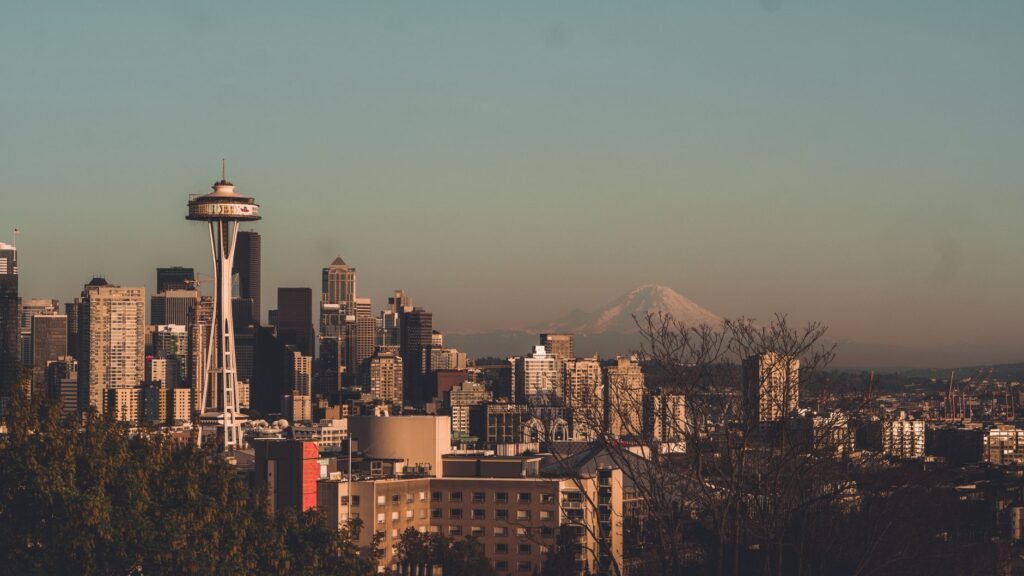
It rarely snows in Seattle, and when it does, the city basically shuts down. Most winters pass with rain and gray skies instead. That’s the short answer. But there’s more to know if you’re trying to plan a trip or figure out whether you need to pack heavy winter gear.
When Snow Actually Falls in Seattle
Seattle gets snow maybe once every couple of years. Some winters see nothing at all. When it does arrive, it’s usually in January or February. December can surprise you occasionally, but that’s less common. March is almost always too wet to snow. The flakes melt fast when they land because the ground stays relatively warm.
The reason Seattle doesn’t get much snow is geography. The city sits on Puget Sound with ocean influence nearby. This keeps temperatures hovering in the 35 to 45 degree range during winter. Snow needs colder air to stick around. What you get instead is endless drizzle. This frustrates people who expect a white winter wonderland. You’ll see gray skies and wet pavement for weeks. The snow never comes.
Is it going to snow in Seattle this year? That depends on what winter throws at the region. A strong cold snap from the north could change things fast. It might dump several inches over a few days. Then it’s gone by the following week. More likely, you’ll see rain the whole season.
What Actually Happens in Winter Months
Winter in Seattle runs from November through March. Rain dominates the entire period. You should expect wet pavement and dark afternoons. Pack layers and a good waterproof jacket. Temperatures range from the low 40s to the mid-50s. This isn’t freezing, but it’s cool enough that you’ll need a sweater indoors and out.
November marks the start of the wet season. Rain picks up noticeably after October. Days get shorter fast. By mid-November, it’s dark by 5 in the afternoon. This affects the mood of the city. Locals shift into rain mode and head indoors more often. Restaurants fill up. Coffee shops become social hubs. If you visit in November, plan indoor activities.
December brings holiday energy despite the gloom. Rain continues. Snow is unlikely but possible. A cold front could bring flakes for a day or two. Then rain takes over again. Pack layers for this month. You might walk through sleet one morning and rain the next. Weather changes quickly in the Pacific Northwest.
January and February are the coldest months. This is when your best shot at snow exists. Temperatures sometimes dip into the 30s. Conditions might favor freezing precipitation instead of rain. But honestly, even in these months, rain is far more likely. Many people slog through both months without seeing a single snowflake. If snow does fall, it usually comes mid-month. Road crews struggle. Buses run late. The airport gets backed up. The whole region panics because snow happens so rarely that nobody knows how to drive in it.
Read more: Seattle Rainfall by Month
March is the transition month. Rain continues, but cold snaps become less likely. By late March, temperatures climb back into the 50s. Snow is almost impossible at this point. Spring weather starts showing up by the last week. This is when locals begin to feel hopeful again.
Should You Change Your Plans Because of Snow
Probably not. The odds of snow blocking your trip are low. Missing a day due to accumulation happens maybe once every three to five years. Most winters pass without any snow at all. If you’re planning a Seattle trip in January or February, assume rain. If snow shows up, consider it a bonus.
That said, snow can create real problems when it does happen. Here’s what usually unfolds. Two or three inches fall overnight. The city wakes up to white streets and panic. Schools close. Most businesses shut down. The airport delays flights. People abandon their cars on hillsides because they can’t drive in snow. This is serious disruption, not just a minor inconvenience.
Why does such a small amount of snow cause chaos? The infrastructure isn’t built for it. Seattle invests in road salt and snow plows far less than cities back east. When snow comes, the city doesn’t have equipment to clear roads fast. Drivers lack practice. Most people grew up in a wet climate, not a snowy one. They don’t know how to handle icy conditions. One accident blocks traffic for hours. The whole system backs up.
If you’re visiting and snow falls, your best move is to hunker down. Stay in your hotel. Order room service. Walk to nearby coffee shops. Don’t try to drive. Don’t attempt the ferry. Don’t book museum visits or restaurant reservations with tight timing. Snow disrupts transportation more than anything else. Buses run late or stop entirely. The ferry system gets backed up. Driving becomes impossible. Public transit becomes your best option, but even that moves slowly.
Packing for a Seattle Winter
What should you actually bring for a winter trip to Seattle? The answer is different from what you’d pack for Denver or Minneapolis.
- A waterproof or water-resistant jacket (this is non-negotiable)
- Layers like sweaters and long sleeves
- Jeans or wool pants (not shorts)
- Waterproof shoes or boots (wet pavement is constant)
- An umbrella (small and compact works best)
- A light scarf (warmth and wind protection)
- A beanie or hat (but style matters here; locals don’t wear heavy winter hats)
- Gloves only if temperatures dip below 40 degrees
Skip the heavy winter parka. You’ll look like a tourist. Locals wear layers and rain jackets. They expect to be damp. You should too. Bring one outfit that’s slightly fancier for restaurants. Pack comfortable walking shoes because Seattle is a walkable city. Waterproof is essential. Insulated isn’t. The cold is wet and gray, not harsh and crisp.
Alternative Plans if You Want to See Snow
If seeing snow matters to you, consider a side trip instead of staying in the city. The Cascade Mountains sit about two hours east. Winter snow falls reliably there. Snoqualmie Pass opens up the high country. You can drive up and see proper snow while staying in Seattle. The drive takes a couple of hours from downtown. Check road conditions before you go. Sometimes the pass closes due to weather.
Another option is to visit slightly earlier or later in the season. Late November and early December sometimes see better snow chances than January. March is usually too warm. Aim for early winter if snow is your goal. Even then, you’re rolling the dice. Weather doesn’t follow guarantees.
Honestly, most people come to Seattle for other reasons. The food scene is strong. Pike Place Market is worth exploring. The waterfront has good restaurants and views. Museums are solid. The neighborhoods each have their own flavor. Rain doesn’t ruin any of this. You can enjoy the city perfectly well in wet weather.
The Real Seattle Winter Experience
What most visitors actually encounter is three or four days of rain mixed with occasional dry spells. The city gets quieter. Cafes fill up at midday. People move slower. The sound of rain on umbrellas becomes normal. This is authentic Seattle. The gray skies aren’t a bug in the system. They’re part of what the city is.
Locals know something that visitors sometimes miss. Gray doesn’t mean bad. It means cozy. It means you slow down. It means you read a book instead of rushing to the next attraction. It means you order tea instead of coffee and you find a good corner of a bookstore or coffee shop. Rain doesn’t ruin Seattle. It defines it.
If snow is important to your trip, you’re betting on something unlikely. Plan for rain instead. Bring the right jacket. Wear waterproof shoes. Accept dampness as part of the deal. That’s the honest way to approach Seattle in winter. You might get lucky and see snow. More likely, you’ll get the classic Seattle experience. Either way, it beats sitting at home.
Reference: Seattle