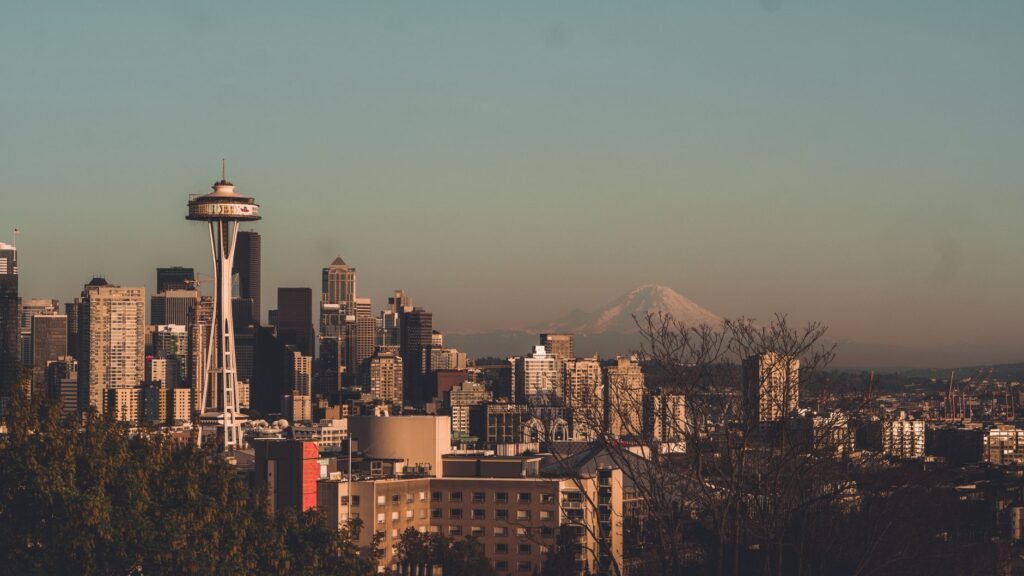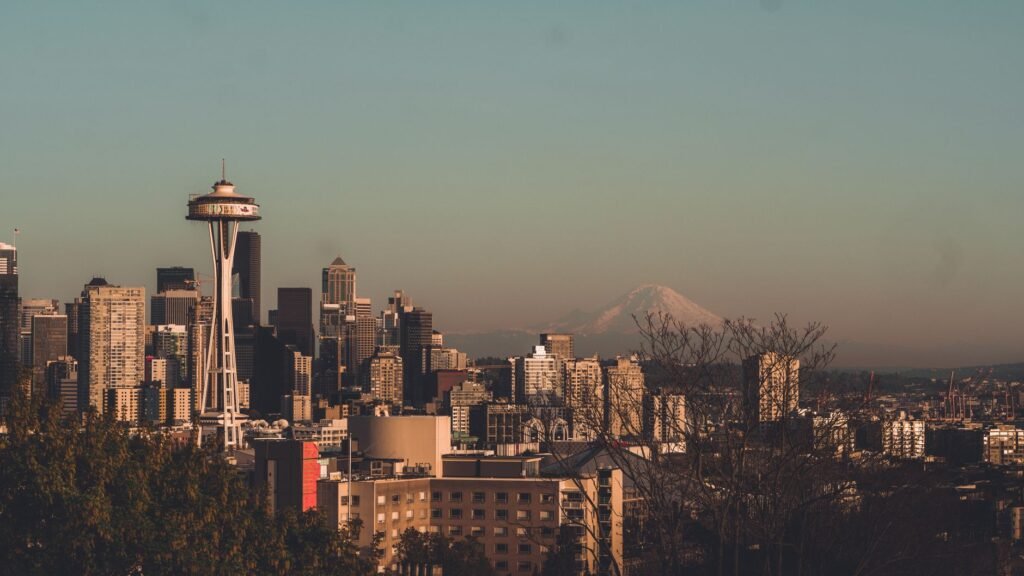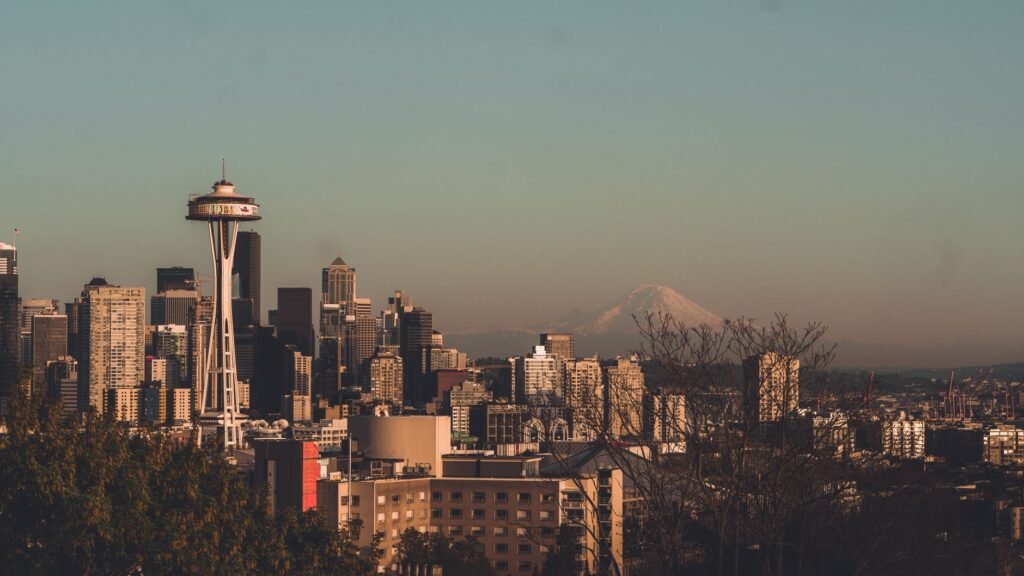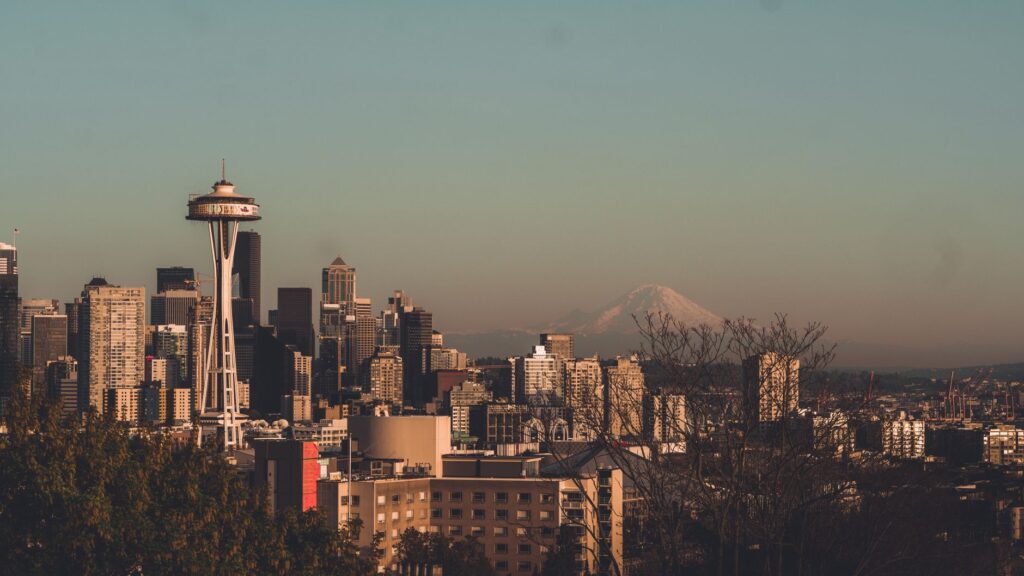
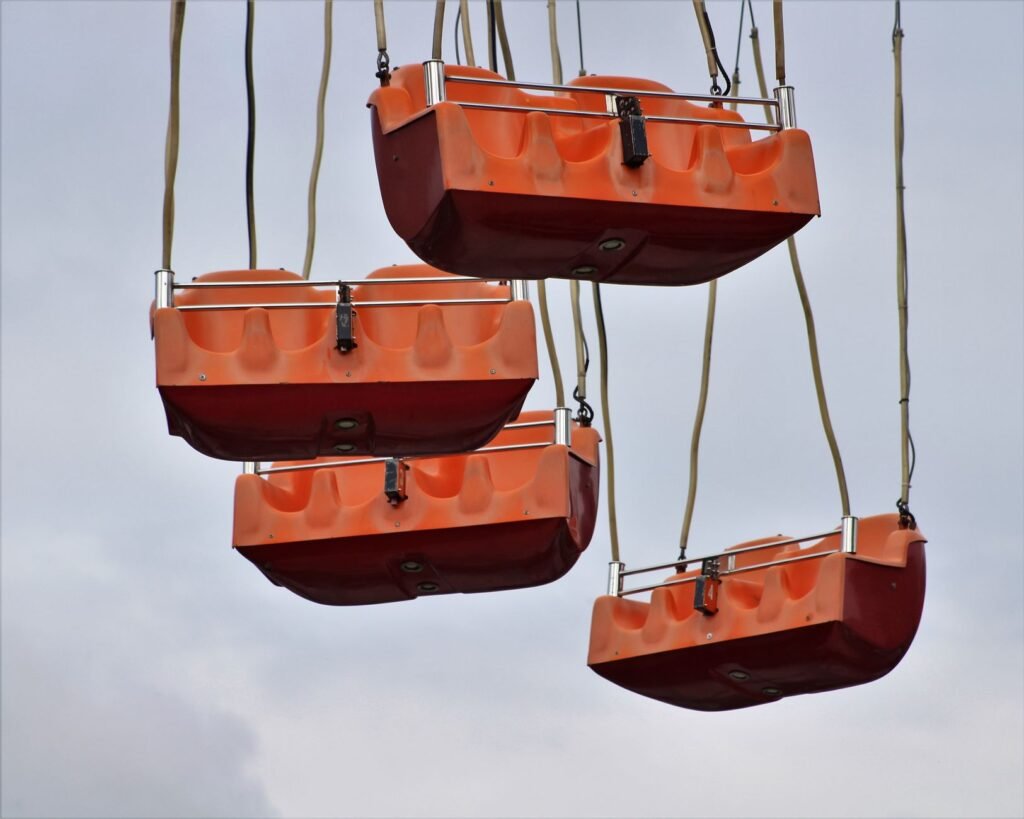
The best amusement parks near Seattle are Woodland Park Zoo, Pacific Science Center, and the regional roller coaster parks within driving distance. None of them are massive destination parks on the scale of Orlando or Southern California. But they’re solid options if you want thrills without a full week of travel. Most visitors pair one visit with Seattle’s neighborhoods and food scene rather than make it the whole trip.
What Makes Amusement Parks Close to Seattle Different
Amusement parks in the Pacific Northwest don’t feel like theme parks elsewhere. The region isn’t built for sprawling destination resorts with on-site hotels and five-day itineraries. What you get instead are strong regional attractions focused on specific experiences. Some lean toward nature and learning. Others go straight for speed and height.
The climate matters more than you’d think. Summer in Seattle is dry and clear. But shoulder seasons bring rain. Winter gets dark by 5pm. That narrows your window for outdoor rides. Most parks scale back hours in fall and close certain attractions entirely in winter. Planning around this makes a real difference.
Ticket prices here run lower than Southern California parks. Daily admission usually falls between $20 and $40 per person. Parking is often free or cheap. You’re not dropping $150 before you even enter the gate. That said, these aren’t small local fairs either. They’re established operations with solid infrastructure and crowds on weekends.
Woodland Park Zoo: The Standout for Most Visitors
Woodland Park Zoo tops most people’s lists when they ask about family-friendly parks close to Seattle. It’s the largest and most diverse attraction in the immediate area. The zoo sits north of downtown in a leafy, established neighborhood. It’s 92 acres of animals, gardens, and walking paths. You can easily spend a full day here without rushing.
The layout makes sense without a map. Different regions flow into each other logically. African Savanna leads to Temperate Forest. Tropical Asia connects to the primate areas. You won’t backtrack if you think through your route. The zoo’s layout beats most East Coast zoos for logic and flow.
What sets Woodland Park apart is the integration with the city. You’re not isolated on a highway outside town. The zoo sits in a real neighborhood with restaurants, shops, and coffee stands nearby. The light rail station is a 10-minute walk away. That accessibility matters if you don’t want to rent a car or deal with parking.
Admission runs about $24 to $35 per adult. Membership pays for itself after three or four visits. Parking is $12 to $15 if you drive. The zoo is open year-round, though hours shrink in winter. October through March, it closes by 4pm. Summer hours run until 6pm or later.
Here’s what first-time visitors often miss: the red panda and otter exhibits draw crowds. Go there first thing in the morning. By 11am you’re waiting in line for 15 minutes just to see them. The sloth exhibit works the same way. Arrive within the first hour of opening and you’ll breeze through. Late afternoon is quieter overall, but the light gets murky by 4pm in winter.
The zoo’s real strength is how manageable it feels. You’re not exhausted by nightfall. The paths are paved and well-maintained. Benches appear often. If you’re traveling with older kids or grandparents, Woodland Park is the easiest option in the region. For pure thrills and rides, though, you need to look elsewhere.
Read more: best hikes near seattle
Pacific Science Center: Rides Plus Learning
Pacific Science Center sits in the heart of Seattle’s tourist zone. It’s located in the same neighborhood as the Space Needle and the waterfront. The center combines interactive exhibits with rides and shows. It’s strongest if you have kids aged 5 to 12. Teenagers and adults get less out of it unless you love hands-on science stuff.
The facility spans multiple buildings connected by covered walkways. The Imax theater alone justifies the visit if you catch the right film. Current films rotate seasonally. The planetarium show is solid but not extraordinary. The ride collection includes motion simulator rides and a few outdoor attractions.
Admission is $25 to $30 for general access. Imax and planetarium tickets cost extra if you don’t buy the combo. Parking is $15 unless you validate. The center is open year-round, though hours shift slightly by season. Expect crowds on weekends and school holidays.
What many people don’t realize is that Pacific Science Center works best as a half-day stop. You can do the whole place in 3 to 4 hours if you skip the Imax. If you add a film or planetarium show, add 90 minutes. It pairs well with lunch at Pike Place Market or a walk through downtown. Treat it as part of a broader Seattle day rather than a destination on its own.
The ride selection is limited compared to what you’d find at a true theme park. The motion simulator rides are fun but repetitive if you’ve been to other parks. They’re effective if you haven’t, especially for younger visitors. Outdoor rides include a fun house and a small roller coaster. Neither is thrilling by regional standards.
The real draw for most adults is the novelty and learning. If you’re teaching kids about basic physics or engineering, the exhibits work. If you just want pure amusement, you’ll get bored fast. Sound like a lot of walking for minimal payoff? Consider it more of a rainy day backup than a main event.
Oaks Park: Portland’s Best Option for Roller Coasters
Oaks Park sits in Portland, Oregon, about 175 miles south of Seattle. The drive takes you south on I-5 through farmland and small towns. It’s a day trip if you’re flexible with your Seattle schedule. The park is smaller and older than major destination parks but packed with rides that actually deliver thrills.
The main draw is the wooden roller coaster called the Alder. It’s a classic, built decades ago, rough and fast. Wooden coasters either appeal to you or they don’t. This one delivers that authentic, slightly out-of-control feeling that steel coasters can’t match. It’s the reason to make the drive.
Beyond the Alder, the ride collection is solid but not remarkable. There’s a log flume, a few spinners, and various family rides. Admission is about $35 for all-day access. Parking is free. The park opens seasonally in spring and runs through fall. Winter closures affect planning if you’re visiting November through March.
The park sits along the Willamette River in a tree-filled setting. It’s pleasant without being striking. The vibe is more community fair than destination resort. That’s not a criticism. For people who value authenticity over theming, Oaks Park feels right. You’re not paying for storytelling or branded experiences. You’re paying for rides.
Getting there from Seattle requires a full morning or a strategic overnight. The I-5 drive is straightforward but long. Leave early to avoid Portland traffic. The return drive hits evening rush hour if you stay at the park until closing. Many people break it into a two-day trip, staying overnight in Portland. That gives time to explore the city too.
Is it worth the drive? Only if you’re a coaster enthusiast or traveling with kids who love rides. For casual visitors, the round trip time and logistics shift it from “day trip” to “side trip only if plans allow.” If you’re in Portland for other reasons, absolutely add Oaks Park. Coming from Seattle specifically for it requires a bigger time commitment than most people can spare.
Read more: places to visit near seattle in winter
Key Decisions: Which Park for Your Trip
Choosing between these options depends on three factors: your trip length, who you’re traveling with, and what you want from the experience.
If you have one full day and want an easy choice, go to Woodland Park Zoo. You’ll see great animals, walk through a lovely neighborhood, and feel satisfied without stress. Families with kids under 10 almost always pick this. It’s the safest bet.
If you want rides and thrills but only have half a day, head to Pacific Science Center. It won’t blow your mind, but you’ll get motion and excitement without a major time commitment. It also sits near other Seattle attractions. Pairing it with lunch downtown or a waterfront walk makes sense.
If you’re willing to drive two to three hours and you love roller coasters, Oaks Park in Portland is worth the effort. This works best if you already have reasons to visit Portland. Building a separate trip just for that one coaster is tough to justify unless you’re a serious enthusiast.
For groups with mixed interests, consider splitting your time. Spend one morning at Woodland Park Zoo with anyone who loves animals. Send coaster fans to Pacific Science Center’s motion simulator rides while others browse nearby shops. This works if your group can operate somewhat independently.
Practical Logistics You Need to Know
Parking and traffic matter more here than at destination parks. Woodland Park has limited parking on-site. Arrive before 10am on weekends or expect to circle for 15 minutes. The light rail is genuinely faster on summer Saturdays. Pacific Science Center’s parking is underground and reliable. Oaks Park in Portland has the easiest parking situation. Lots are abundant and free.
Weather affects your plans significantly. Rain doesn’t close outdoor rides but makes them less fun. Bring a rain jacket and plan indoor activities as backups. Winter darkness comes fast. Visit parks by 3pm if you’re going in November through February. Summer heat is rare but possible. Bring sunscreen regardless of the forecast.
Crowds peak on summer weekends. Spring break and summer vacation weeks are busiest. Early fall after Labor Day is pleasant and less crowded. Winter is quietest but coldest and darkest. September and early October hit the sweet spot for weather and crowds.
Food and prices vary widely. Woodland Park has decent on-site cafes and near-park restaurants. Pacific Science Center’s food court is fine but overpriced. Oaks Park has limited options on-site. Pack snacks or plan meals carefully. Budget $15 to $25 per person for food if you buy inside the park. That’s not unusual but worth noting.
Most parks offer free admission to kids under a certain age. Check before you go. Senior discounts exist but vary. Memberships make sense only if you’re local and plan multiple visits. For one-time visitors, daily admission is the right choice.
Final Thought
These parks won’t compete with Orlando or California destination resorts. They’re solid regional options that fit into a broader Seattle trip. They work best when paired with the city’s neighborhoods, food, and waterfront rather than treated as standalone destinations. Pick one based on your interests and group makeup. Leave realistic time for lines and exploration. And don’t skip Woodland Park Zoo if you can fit it. Most people find it better than expected, regardless of what else they see.
Reference: Amusement park