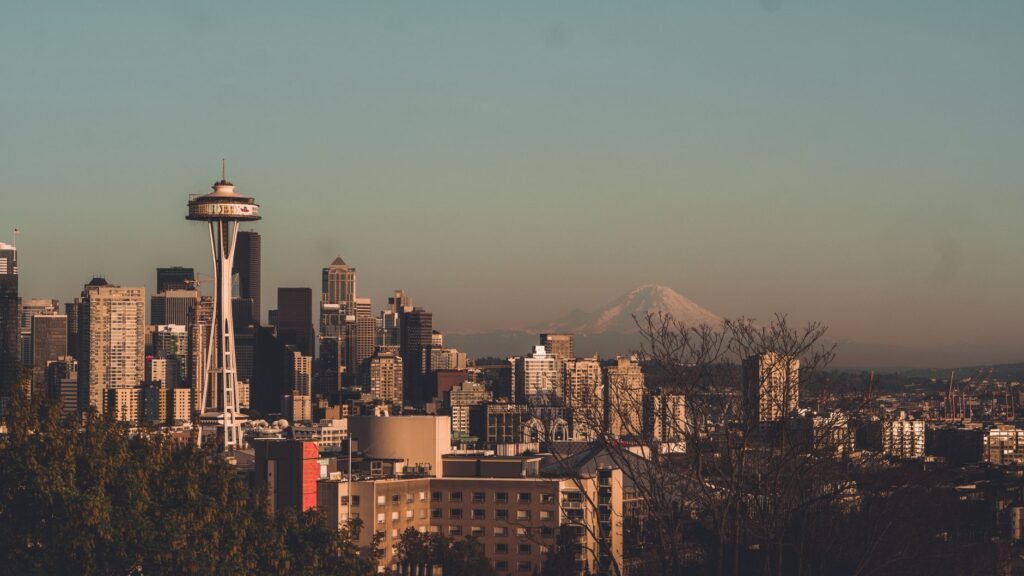
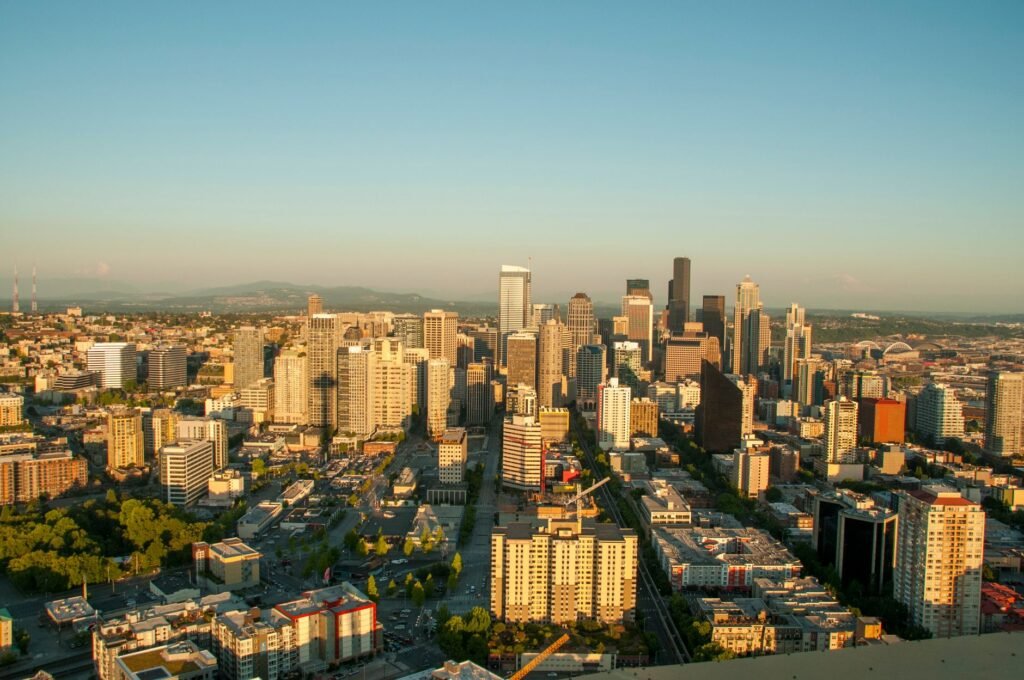
The best area to stay in Seattle depends on what you want from your trip, but Capitol Hill and Belltown offer the most energy while Queen Anne keeps things quieter and more residential.
Most visitors don’t know Seattle spreads across hills and water in ways that make location matter more than usual. Stay in the wrong spot and you’re either fighting traffic between neighborhoods or stuck in a dead zone at night. The right choice puts you walking distance from good food, water views, and things to actually do. That’s worth thinking through before you book.
Capitol Hill: The Liveliest Neighborhood
Capitol Hill is where most of Seattle’s nightlife and bar culture happens right now. The neighborhood draws a young crowd, a queer community that’s been here for decades, and the kind of restaurants that change weekly. You’ll find cheap Ethiopian spots next to pricey cocktail bars. Coffee shops open early and stay packed until afternoon.
The main stretch is Broadway, which runs north to south through the heart of the neighborhood. It’s walkable, loud, and honestly a bit touristy these days. But side streets pull you into quieter blocks with better food and fewer crowds. Pike Pine, the corridor between two main streets, holds some of the best bars and restaurants in the city.
Staying here means noise at night if your room faces the street. Earplugs are not optional. Parking is a headache. You’ll pay for both the hotel room and a spot if you drive. Public transit works well though. The light rail runs through the neighborhood now, which makes getting downtown fast.
Capitol Hill hotels run the full range. Budget chains exist but feel out of place here. The better move is a mid-range independent place or a nicer option if your budget allows. Expect to pay $120 to $200 for something solid. Nicer spots push toward $250 and up.
What makes Capitol Hill work for many people is simple. You can walk to dinner, to bars, to coffee, to vintage shops. Nothing feels forced. You’re in an actual neighborhood where locals live and work, not a tourist zone pretending to be real. The trade-off is noise and crowds. Some people love that. Others find it exhausting after day two.
Also read: unique places to stay in seattle cool hotels
Belltown: Downtown Energy Without Capitol Hill Chaos
Belltown sits between downtown and Seattle Center, which gives it access to both without being exactly either. It’s newer money than Capitol Hill. The buildings are modern. The streets feel cleaner and a bit more corporate. Restaurants here tend toward pricey and Instagram-friendly.
The neighborhood works if you want urban without the dive bar vibe. Walking around here at night feels safe. The streets have good lighting and foot traffic. Belltown is gentrifying fast, so expect sleek coffee shops and wellness brands next to older dive bars that haven’t updated since 1997.
Hotels in Belltown range from solid mid-range options to actual luxury. The Four Seasons sits here. So do several modern chain hotels. Prices start around $140 and push into the $400 range for the nicest places. The bonus is that several hotels have parking built in, which matters if you’re driving.
Belltown connects easily to both Pike Place Market and Seattle Center by foot. That’s useful. You can walk to the Sculpture Park along the water. The waterfront is close enough to reach but far enough that you don’t get the constant sound of water noise at night.
The downside is that Belltown can feel sterile if you’re looking for local character. It’s becoming a neighborhood of new apartments and corporate offices. The old Seattle charm exists here but it’s fading. That said, if you want modern and convenient, this delivers.
Queen Anne: Quiet and Residential
Queen Anne splits into Lower Queen Anne and Upper Queen Anne. They’re different enough to treat separately.
Lower Queen Anne borders Seattle Center, which means it’s busy on event days but quiet other times. The streets here are steep. Your car will sit at an angle in the parking lot. That takes getting used to. This part of the neighborhood has some hotels and restaurants but nothing that defines it the way Capitol Hill or Belltown do.
Upper Queen Anne sits higher on the hill, further from the action. It’s mostly residential. Families live here. It’s green and quieter than anywhere else in central Seattle. Views of the sound are common. The neighborhood has local restaurants and coffee shops but nothing chain. It’s the kind of place where you actually hear birds.
Hotels up here are limited. You’ll find some small lodges and a few mid-range options. Prices are lower than downtown or Capitol Hill. Expect $100 to $170 for something decent. The trade-off is that you need a car to get anywhere. Public transit runs here but less frequently. Walks to restaurants mean actual walks, not five-minute strolls.
Upper Queen Anne makes sense if you want to experience how normal Seattle people live. If you’re the type who gets stressed by noise and crowds, this neighborhood delivers. Your hotel might have a view. The morning air is different up here. But you’re also removed from the center of things. Going out at night means driving back up the hill afterward.
Also read: cool areas to stay in seattle
University District: Budget-Friendly and Young
The U-District (as locals call it) sits north of downtown near the University of Washington campus. It’s college town energy. Cheap restaurants, ramen joints, dive bars with strong pours. The neighborhood is loud until about midnight then shuts down.
Hotels here are notably cheaper. You can find solid rooms for $90 to $130. That’s a real savings if money matters. The light rail runs through the neighborhood, which makes getting downtown simple. The transit system works well from here.
The catch is that the U-District caters to students. Neighborhoods that cater to students tend toward bars that close early and restaurants that don’t impress. The neighborhood has improved recently but it’s still fundamentally a college area. Good for budget travelers. Not ideal if you’re looking for upscale dining or nightlife.
Also read: what areas near seattle are cheapest to live
Downtown and Belltown Compared
Downtown Seattle proper sits between Pike Place Market and the waterfront. It’s where the convention center is. Most cruise passengers end up here. The neighborhood has big hotels, chain restaurants, and tourist-focused attractions.
Staying downtown is convenient if you’re here for one or two days and want minimum friction. Hotels are plentiful. Parking is available but expensive. The area is busy and sometimes feels sterile. At night, some blocks feel less comfortable than others. The waterfront is lovely but also crowded with tourists and street activity.
Belltown, by contrast, offers urban convenience without the pure tourist feel. The tradeoff is that it lacks the historic character downtown has. Both neighborhoods work. Downtown suits business travelers and those who want maximum convenience. Belltown suits people who want a neighborhood feel with modern amenities.
Making Your Choice: A Quick Framework
Think through three questions before you decide where to stay.
- Do you want nightlife and walkable restaurants or quiet and views? Capitol Hill and Belltown answer yes. Queen Anne answers no.
- Will you rent a car? If yes, Queen Anne and the U-District open up. If no, stay close to light rail. Belltown and Capitol Hill are walkable without transit.
- How many nights? Three nights or fewer, stay in Belltown or Capitol Hill. Four or more, and location matters less. You’ll learn the neighborhoods.
Most first-time visitors pick right by staying in Belltown if they want convenient and modern, or Capitol Hill if they want character and energy. Both have everything you need within walking distance. Both connect to light rail. Both have enough hotel options that you’ll find something in your budget.
The error people make is picking a neighborhood based on a travel blog and ignoring what actually matters to them. Read reviews of specific hotels, not just neighborhoods. Walk around on Google Street View if you have time. Look at what’s within a ten-minute walk. That’s the distance that actually affects where you go.
Noise tolerance matters more than you think. Test it by opening a hotel window. If you hear car horns and voices at 1 a.m. and that bothers you, you picked the wrong place. If it energizes you, you picked right.
Book close to the light rail even if the neighborhood is less fancy. The light rail in Seattle is clean, reliable, and beats driving and parking by a lot. It runs frequently during the day and evening. Being two blocks from a station matters more than being in a “better” neighborhood that’s miles from transit.
Give yourself permission to choose boring convenience. Not every trip needs to be an adventure in finding the perfect local spot. Sometimes the best hotel is the one where you check in easily, sleep well, and don’t think about it again. That’s not failure. That’s smart travel.