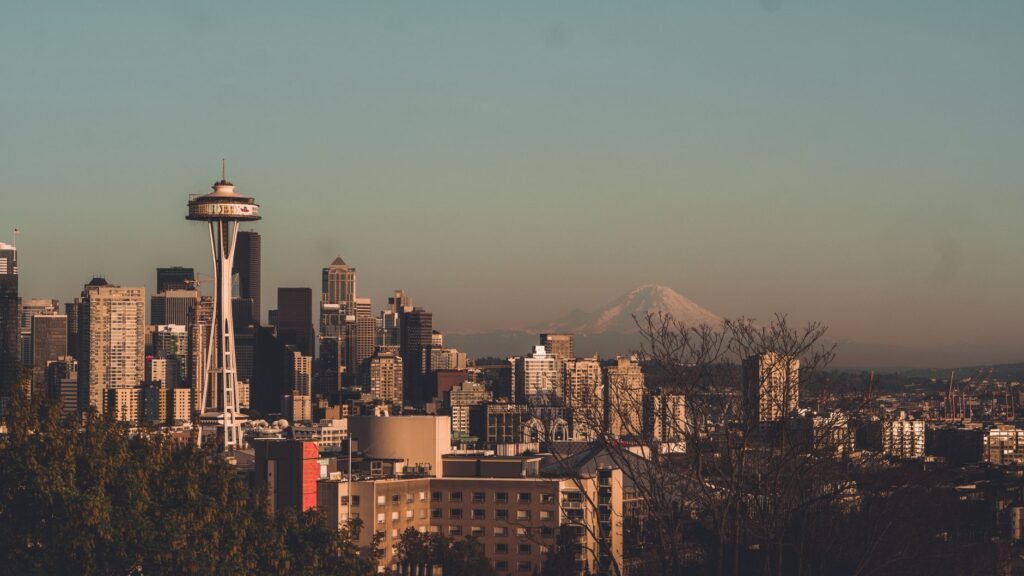
The drive from San Francisco to Seattle takes about 12 to 13 hours of straight driving time. That breaks down to roughly 800 miles heading north through California and Oregon. Most people split it across two days. Trying to do it in one stretch is possible, but you’ll regret it by mile 600.
This route has become a popular one for West Coast travelers. You get coastal views, mountain passes, and decent food stops along the way. The highway is straightforward. I-5 runs the whole spine. But the real question is not whether you can make it. It’s how to make it without losing your mind.
What the Drive Actually Looks Like
The route itself is simple to understand. You leave the Bay Area heading north on I-5. You pass through Sacramento. Then you cross into Oregon and keep going north. You hit Portland. Then you push another three hours into Washington. You arrive in Seattle. Nothing tricky about the bones of it.
What catches people off-guard is the boredom factor. The middle section, roughly from Redding to Eugene, is genuinely flat and tedious. You are in farmland. You see trucks and semi-trailers. The scenery does not change much. This is not the Pacific Coast Highway. That drives differently. That has cliffs and ocean views. This is the inland route. It exists to move people efficiently, not to thrill them.
The actual drive time depends on traffic more than anything else. Leaving the Bay Area on a Friday afternoon? You could lose two hours in the greater Sacramento sprawl alone. Same thing approaching Seattle from the south. Tuesday morning? You clip along. The time spread between optimal and worst-case is not small.
Breaking It Into Manageable Pieces
Most visitors split the journey across two nights. The logical stopping point is somewhere in Oregon, usually around Salem or Eugene. That puts you roughly halfway. You drive five or six hours the first day. You rest. Then you do the same the next morning. You arrive in Seattle by early evening. This approach is sane.
The alternative is stopping further north, around Portland. This gives you a chance to see the city. Portland is worth an overnight if you have the time. Good food scene. Quirky neighborhoods. Easy to walk around. You lose some driving time, but you gain a real stop. The trade works if you are not in a hurry.
If you must do it in one day, leave very early. I mean 5 or 6 in the morning. You will drive through the hottest part of the afternoon. You will hit Seattle around 7 or 8 at night. You will be exhausted. Your eyes will burn. Not recommended unless something urgent is pulling you north.
Read more: Seattle to San Francisco Drive SFO
The Practical Details That Matter
Gas costs run about $100 to $130 one way. Prices shift with the seasons. Summer is usually cheaper than winter. Oregon has no sales tax, which is nice if you buy anything. California and Washington both do. Not a huge difference, but worth noting.
Tolls are minimal on this route. I-5 does not have major toll sections in California or Oregon. Washington has a few toll bridges around Seattle. Nothing major. Budget maybe $10 to $15 for Washington tolls. Not a financial burden.
Your vehicle matters more than people think. A sedan handles this fine. An SUV is fine. A truck is fine. What matters is that your car is not struggling. You do not want to break down on I-5 in the middle of Oregon on a hot day. Get an oil check before you leave the Bay. Check your tire pressure. Make sure your AC works. Seriously, test the AC.
Road conditions change fast once you leave the interstate. If you want to take scenic detours, check conditions first. Mountain passes can close in winter. Some smaller roads get rough after heavy rain. Summer is the safest bet if you are new to the region. Winter driving up here is not forgiving.
Where to Stop and What to Do
Stopping for the night is not just about sleeping. It breaks up the monotony. A few solid options exist between San Francisco and Seattle.
Salem, Oregon sits almost exactly halfway. It is not glamorous. It is the state capital. Hotel rooms run $80 to $120 a night for something decent. Food is fine, nothing special. You can get in, rest, and get out. Functional stop. Not a destination on its own.
Eugene, Oregon is 20 miles past Salem. It has more character. University town. Better restaurants. Nicer hotels. Same price range. If you have an extra 30 minutes, Eugene is the better choice. The University of Oregon campus is genuinely pleasant to walk around if you arrive with time left.
Portland is further north, maybe three hours past Eugene. Big city. Real food scene. Good hotels. Prices jump to $120 to $180 for a decent room. But you get an actual city night. Breweries, food carts, museums. Worth the detour if you have a flexible schedule.
Read more: Drive from Seattle to Portland Oregon
What to Expect at Each Stage
The Bay Area to Sacramento leg takes about two hours. You drive through the Central Valley. Farmland. Heat in summer. Nothing scenic. Stop for coffee before you leave. Sacramento traffic is real around rush hour.
Sacramento to the Oregon border is about five hours. This is where it gets flat and dull. You see agricultural land for miles. Small towns. Truck stops. The landscape does not change. Bring an audiobook. Bring music playlists. Bring a friend. Solo driving this stretch tests your patience.
Once you cross into Oregon, the terrain shifts slightly. You get some gentle hills. The land feels less intensely farmed. It is still quiet and mostly empty. But it is better than the valley. You can feel yourself moving into the Pacific Northwest. The air smells different.
The last leg into Washington brings mountains into view. You will see forests. Real trees, not just scattered growth. The road stays simple. I-5 just pushes north. But now you know you are close. The landscape confirms it.
Making Smart Fuel and Food Stops
Gas stations are not scarce on I-5, but they are not everywhere either. In the flat middle sections, you might drive 30 or 40 miles between exits with fuel. Plan your stops. Do not let your tank drop below a quarter full. Prices vary wildly. Small town stations can charge 20 or 30 cents more per gallon than chains.
Food is the real decision point. Fast food chains dominate the highway. Burger King. McDonald’s. Taco Bell. They exist at most major exits. Quality is consistent but uninspiring. If you want something better, you need to exit and explore a small town.
Salem and Eugene both have independent restaurants worth finding. Bend, Oregon, about halfway between Eugene and Portland, has good local spots. Just exit I-5 and spend 15 minutes looking. You will find something better than highway chains.
Portland has endless good food. Take an exit. Walk around. You will eat well. Same with Seattle once you arrive. Do not make this trip worse by eating gas station sandwiches the whole way.
The Final Push Into Seattle
The approach to Seattle comes after you pass Olympia, Washington. The landscape gets greener. You see water. Mountains appear to the east. Traffic increases noticeably. People-hauling trucks share the road. Construction happens sometimes. Check traffic before you leave that morning.
Exiting I-5 toward Seattle depends on where you want to go. Downtown is not where most people stay. The neighborhoods are better. Capitol Hill, Fremont, Ballard. You probably need GPS for the final exit and local roads. I-5 is simple. Leaving I-5 is less obvious.
Arrive knowing where you want to stay. Do not aim for downtown and hope for parking. Room prices vary wildly. Summer is expensive. Winter is cheaper. Booking ahead removes stress. Late-day arrival without a reservation is frustrating.
One Final Practical Thought
This drive is long, but it is not difficult. Thousands of people do it. Your car will handle it. You will handle it. The real trick is accepting the boredom and planning stops that break it up. Leave early. Drive steady. Stop overnight unless you love sleep deprivation. Eat better than highway food. Arrive in Seattle ready to actually enjoy the city, not just collapse.
Reference: Interstate 5