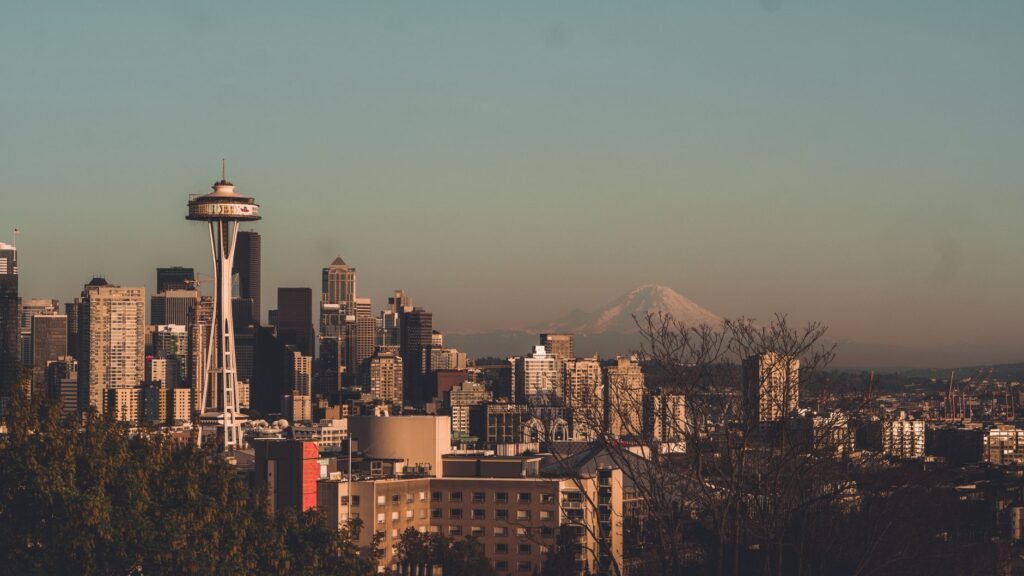
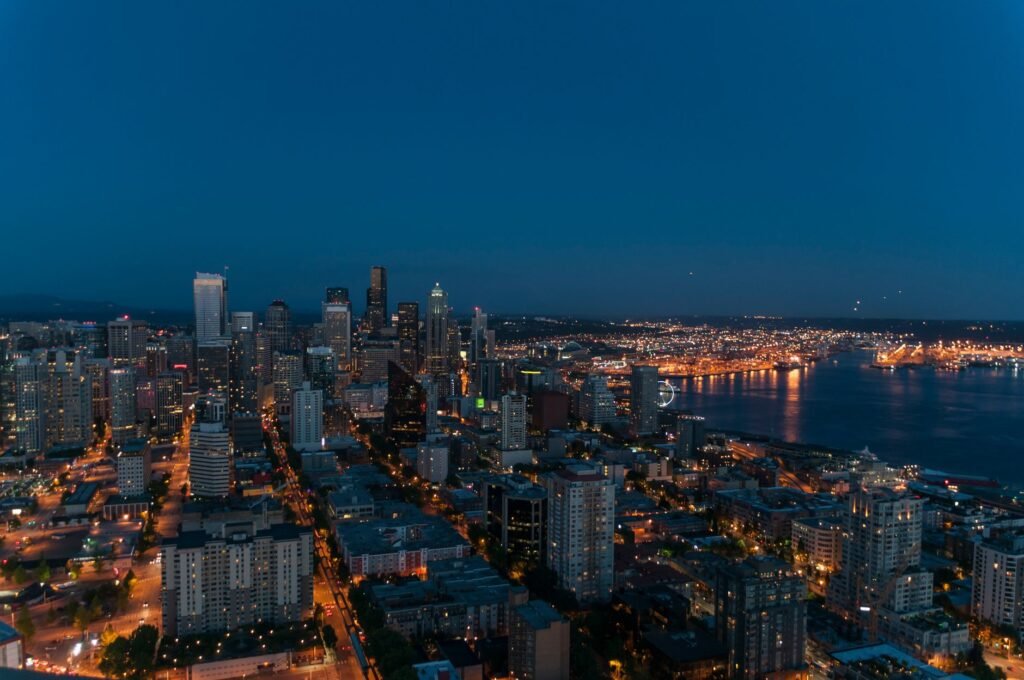
The Seattle to California road trip takes about 14 hours of pure driving time. Plan for four to six days if you want to stop and see things. Most people underestimate how long the coast takes to enjoy. Speed matters less than what you choose to actually get out and see.
Why This Drive Works Better Than Flying
Driving beats flying for this route by a wide margin. The flight itself takes only three hours. Add in the airport hassle, rental car time, and you lose half a day each direction. The drive gives you control. You set the pace. You stop when something looks good. You stay in small towns that flights skip entirely.
The scenery on this drive is the real draw. You start in the Pacific Northwest rain and evergreens. You end in California sunshine and redwood forests. The middle sections offer dramatic coastline that most people never see. Highways 1 and 101 hug the ocean for stretches. That alone justifies the long drive instead of a quick flight.
Gas and vehicle wear cost about $150 to $200 total. Hotels run $80 to $180 per night outside major cities. Food for four days probably hits $300 if you eat out three times daily. Most people spend $800 to $1,200 all in. Sound like a lot? Flights cost more when you count the rental car anyway.
Mapping Your Route: Seattle to San Francisco
The classic path runs south through Oregon and into California. Seattle to San Francisco covers about 640 miles. Direct route takes 11 hours. But direct routes waste the whole point of a road trip. Add the coastal detours and you’re looking at 700 to 750 miles and two or three extra hours of driving.
Start early from Seattle. Leave by 7am if you want to make real time. Traffic north of Olympia stays light before 8am. The I-5 corridor south is straightforward but dull. Save your attention for when you hit the coast.
Your first major decision comes in Oregon. Stay on I-5 if you’re rushed. Take Highway 101 east at Salem and loop west through the Cascades if you have time. The mountain route adds two hours but puts you on smaller roads. You see timber mills, old forests, and valleys instead of chain restaurants. For most trips, the Cascade loop is an easy call.
Hit the coast near Newport, Oregon. This is your real starting point for scenery. The drive gets slower and much better here. Expect to average 40 to 50 miles per hour on 101 from Newport south. The road curves constantly. Ocean views demand your attention. Towns are spaced 20 to 40 miles apart. This is where your timeline slows down and your trip actually starts.
Essential Stops You Actually Should Make
Seaside, Oregon deserves two hours on your first afternoon. The beach is fine, but the pier and promenade are where people spend time. Clam chowder in bread bowls is the thing to eat here. Line up at the old-school seafood spots instead of the fancier places. Better food, better price, less pretense.
Crater Lake sits inland from the coast. This requires a detour off 101 near Chemult. The lake itself is stunning and worth the drive if weather allows. Roads close in winter. Check conditions before you commit. The detour adds four hours round trip but gives you a completely different landscape. High desert, deep blue water, silence. Go if you’re not rushed.
Sea Lion Caves near Florence, Oregon is touristy but legitimate. A huge sea cave with wild sea lions living inside. Twenty minutes from the highway and you feel like you’ve left civilization. Cost is about $18 per person. The caves stay cool even in summer. Wear a jacket.
Cape Perpetua offers free ocean overlooks and a working lighthouse. Paths are short and paved. Views stretch miles down the coast. The drive west from Highway 101 takes five minutes. This stops most crowds.
The Oregon Dunes stretch for 40 miles south of Florence. You don’t need to spend time in the dunes unless you love them. But the landscape is genuinely odd for the Oregon coast. Worth driving through slowly. The towns of Reedsport and Coos Bay serve as refuel points. Food is mediocre everywhere along this stretch. Eat before or after.
Where to Stay (And Where to Skip)
Portland, Oregon sits just inland. Most people skip it on a coast drive. If you’re headed south fast, skip it. If you have an extra day, stay two nights in Portland instead of one night somewhere smaller. The city merits that attention. Otherwise, you lose valuable coast time.
Eugene, Oregon is also inland. Skip it for this route. You gain nothing by going west into the city. Roads from Highway 101 to downtown add 45 minutes of driving without reward.
Coastal towns are where you want to sleep. Depoe Bay is tiny and scenic. Newport offers more rooms and better restaurants. Yachats is small and quiet. Coos Bay works if you run late. Brookings, Oregon near the California border is charming and cheap. Prices drop as you go south. A $100 room in Newport costs $75 in Brookings.
Eureka, California is the first real town once you cross the state line. Victorian mansions line the streets. The town has personality that small Oregon beach towns sometimes lack. Stay here overnight if you can. It adds only a few miles to your total journey. Hotels run $90 to $150. The Lost Coast lies just south of Eureka. This is some of the most remote coastline in California. Highway 101 cuts inland. If you have time, take the narrow road through Humboldt Lagoons State Park instead. It hugs the water and feels wild.
Also read: Seattle to Mt Rainier day trip
The Redwood Stretch
Highway 101 through the redwoods is the high point of the whole drive. This section runs roughly 140 miles from Eureka to the Garberville area. It’s not fast. You don’t want it to be. Redwoods demand slow driving and frequent stops.
Newton B. Drury Scenic Byway is a side road through old growth forest. It’s 31 miles and takes about an hour to drive. You emerge feeling like you’ve seen something ancient. The highway feels small when you’re surrounded by 2,000-year-old trees. Sound romantic? The reality is that simple. These trees are massive, green, and silent.
Several state parks offer short walks through the redwoods. Drive slowly and pull over at marked overlooks. Richardson Grove State Park near Garberville has a good trail loop. Smith River National Recreation Area near the Oregon border is less crowded. You don’t need elaborate planning here. Stop when you see parking. Walk for 20 to 30 minutes. Feel the size of the forest. Move on.
Camping is an option through this section. Several campgrounds sit right on Highway 101. Sleeping under redwoods is unusual. Daytime driving shows you the trees. Nighttime makes them feel different. If you want to experience this region fully, one night camping beats two nights in motels.
The Central California Coast
South of the redwoods, Highway 101 runs inland toward San Francisco. You can follow it all the way to the city. But the real coast lies west on Highway 1. This decision splits your trip. One route is fast and practical. One route is slow and scenic.
Highway 1 from Mendocino south to Big Sur is the payoff section. This adds one full day of driving to your trip. The road is narrow and slow. Ocean views are nearly constant. Mendocino itself is a small town that looks like New England transplanted to California. Tourists flock here. Come early or come on a weekday.
Fort Bragg, just north of Mendocino, is less crowded and offers more local character. A working fishing town with an actual harbor. The Glass Beach nearby has smooth glass fragments scattered on the sand. This is where old trash becomes pretty. Kids hunt for colors. Adults remember why they came.
Point Lobos State Natural Reserve near Carmel is the best coastal stop south of the redwoods. Trails loop through cypress trees and granite cliffs. Seals haul out on rocks. Otters hunt in the kelp. You can park and walk for an hour on well-marked paths. Entry is about $10 per car. Do not skip this.
Big Sur is the most famous stretch of Highway 1. It’s genuinely worth the drive. It’s also crowded and slow. Come at 8am or do not come on a weekend. The road is a series of single-lane bridges and tunnels. Passing requires patience. But the views of cliffs and ocean are the best in California.
Packing and Preparation Tips
Pack layers, not a single heavy jacket. Temperatures vary 30 to 40 degrees Fahrenheit between inland and coast. Morning can be cold and foggy. Afternoon sun warms up fast. By evening you’re back in the cold.
Bring cash. Many small coastal towns still run on cash for parking and restaurants. ATMs exist but are spaced far apart.
Keep gas above half tank once you leave major highways. Gas stations between Eureka and Garberville are infrequent. Some close early or unexpectedly. Running empty on a remote stretch of 101 is not an adventure worth having.
Phone service drops in redwood areas. Download maps offline. Tell someone where you’re going. Trails and pullouts are usually safe but cellular coverage can be spotty.
- Sunscreen and hat. Sun reflects off water and hits harder than it feels.
- A light rain jacket. Even July can bring sudden showers on the coast.
- Good shoes for short walks, not flip-flops.
- Snacks and water. Towns are sometimes 20 miles apart.
- A good book or podcasts for the drive sections between coast stops.
- Cash for parking and small town restaurants.
The Final Push to San Francisco or Beyond
Once you hit San Francisco, the road trip technically ends. Most people spend a night or two in the city. The Presidio offers free trails and views across the bay. The Ferry Building Marketplace is the place to eat. Skip the touristy spots like Fisherman’s Wharf. Locals eat in the Mission District. Food trucks cluster around tech company campuses. Real San Francisco happens away from the waterfront.
You can stretch the trip further south if you have time. Santa Cruz is 90 minutes south and worth a night. Monterey is scenic but pricey. Big Sur trails eat up another full day if you explore properly.
The Seattle to California drive works best as a five to six day journey. That gives you time to stop and move without rushing. Faster is possible but you waste the reason you drove instead of flew. Slower is fine if you have vacation days left. The coast does not reward speed.
Reference: U.S. Route 101