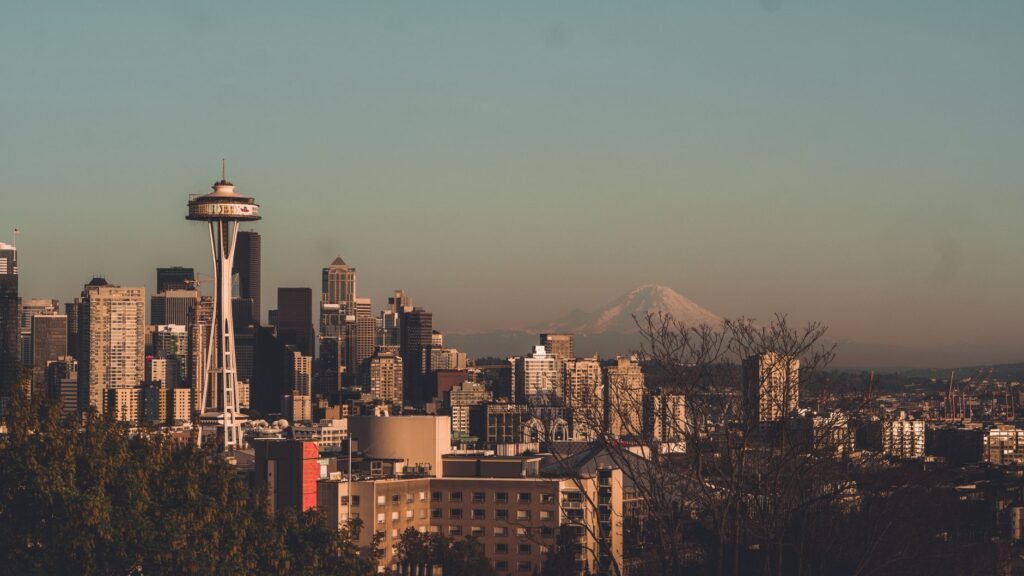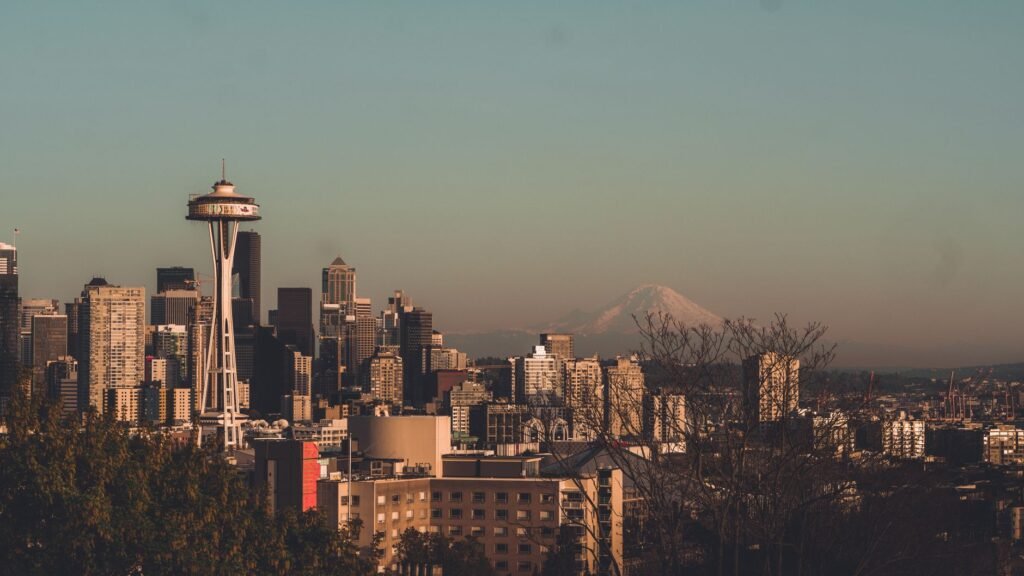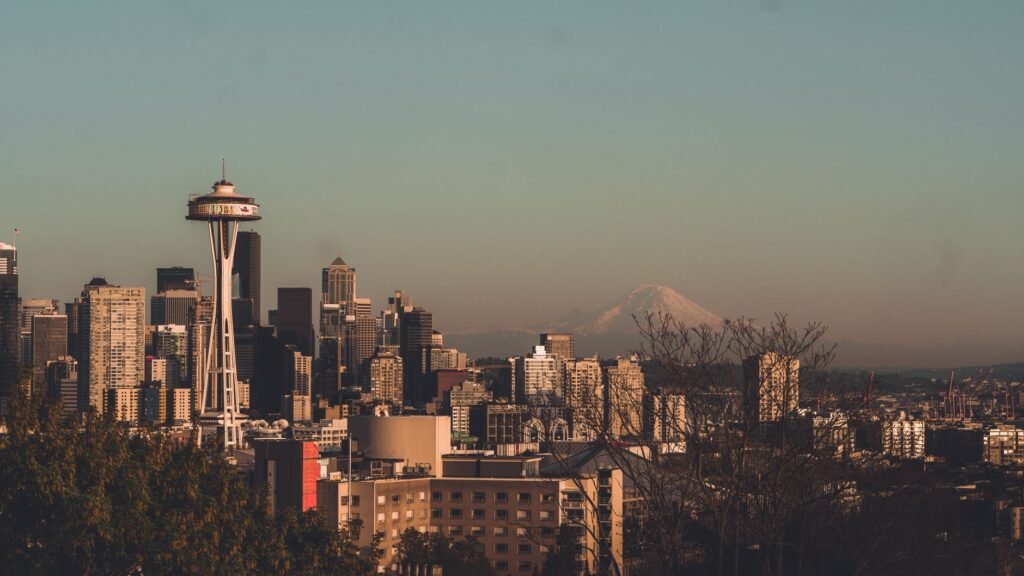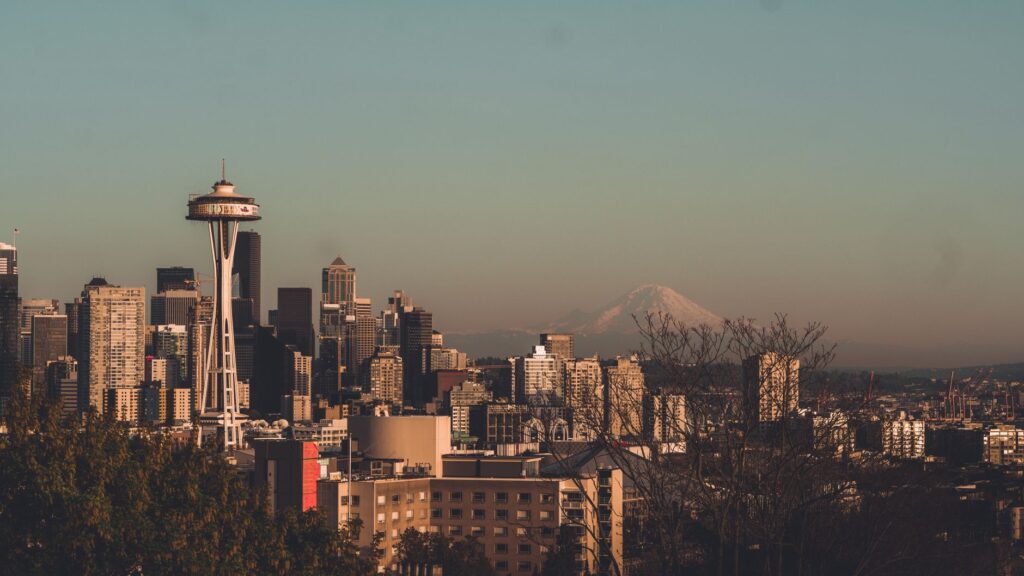
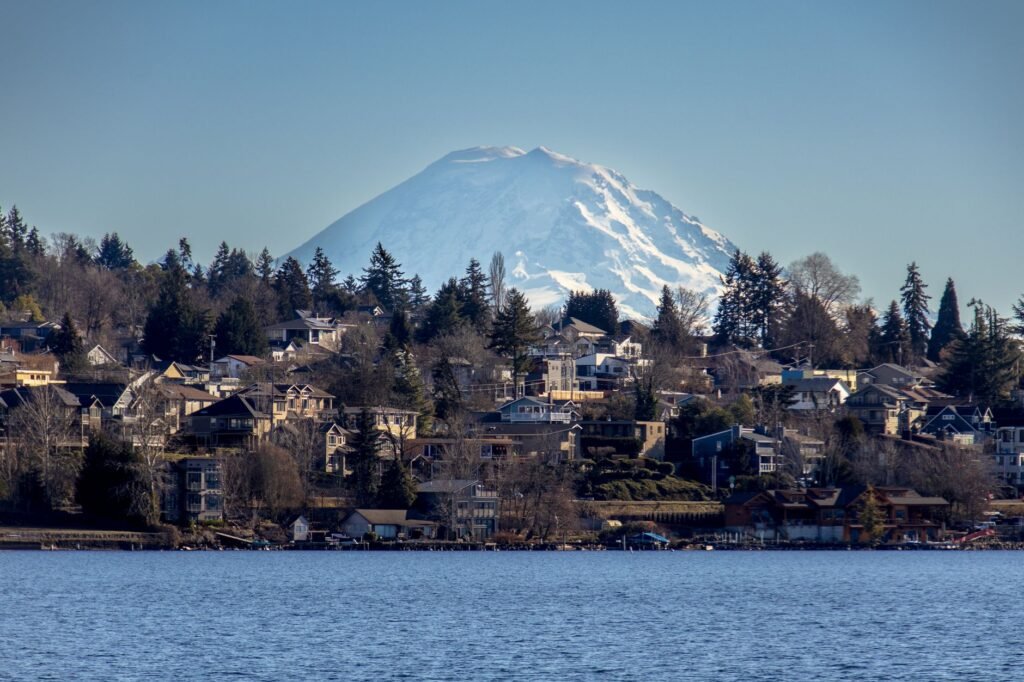
Bellevue, Redmond, and Sammamish rank as the best suburbs of Seattle. They offer good schools, reasonable commutes, and neighborhoods where you can actually find what you’re looking for. But your choice depends on your budget and what matters most to you.
Seattle proper is thriving. Tech companies keep expanding. Housing costs keep climbing. So most people considering a move to the area end up looking east of the city. That’s where you’ll find room to breathe. That’s where you’ll find the real value. The suburbs surrounding Seattle offer something the city can’t. Space. Yards. Parking that doesn’t cost you fifty dollars a month.
I’ve spent enough time in the greater Seattle area to know which neighborhoods work for different people. Some places make sense if you’ve got kids. Others suit young professionals who don’t want to feel trapped. A few offer surprising character alongside the tech money and new construction. This guide walks you through the ones that actually matter.
Bellevue: For People Who Want It All
Bellevue is where people go when they move to the area with serious money. The suburb sits about 15 miles east of downtown Seattle. It has become the second business hub in the region. Microsoft has major offices here. Amazon has a presence. Tech salaries mean the housing market never stops climbing.
The downtown core is almost unrecognizable if you haven’t seen it recently. High-rise apartments and condos now dot the skyline. Shopping centers like Bellevue Square pull in crowds from across the region. The schools rank among the best in the state. Families with kids often pick Bellevue first and never look elsewhere.
What you’re paying for is predictability. The neighborhoods are well-maintained. The roads get cleared fast in winter. The police presence is visible. Crime here stays low, mostly property theft and petty stuff. You won’t feel unsafe walking around at night. That matters to a lot of people who come from less organized cities.
The downside is obvious. Nothing costs what you’d expect to pay. A three-bedroom house runs you $1.2 million easily. Rentals for a decent two-bedroom apartment start around $2,400 a month. Bellevue attracts people who are already successful. It attracts people who know they’ll make serious money in tech. If your budget tops out below $800,000, keep reading.
The commute to Seattle proper takes about 30 minutes on the I-405. That’s if you leave at off hours. Rush hour pushes it past 45 minutes. But most Bellevue residents work locally. They don’t commute into the city at all. That’s a huge advantage. You get the prosperity without the gridlock.
Also read: what areas near seattle are cheapest to live
Redmond: For Tech Workers Who Want Slightly Less Chaos
Redmond sits about 20 miles northeast of Seattle. Microsoft’s main campus dominates the town’s character. You can’t escape it. The headquarters sprawls across multiple neighborhoods. Thousands of employees work there. Those employees live throughout Redmond, and many never leave town for work at all.
Redmond feels younger than Bellevue. Less formal. The housing costs slightly less, though “less” is relative. A three-bedroom house runs about $950,000. Rentals for a two-bedroom apartment average $2,200. So you’re still talking serious money.
What makes Redmond different is the vibe. Redmond has breweries that feel welcoming to newcomers. The Sammamish River Trail runs through town. You can ride your bike for hours without hitting a major road. Parks are everywhere. Tech workers here tend to be in their late twenties and early thirties. They’re building their careers. They’re not yet settled into the older suburban mindset of Bellevue.
The schools are excellent. The neighborhoods are safe. The infrastructure is solid. What separates Redmond from Bellevue is energy, not safety or quality. Bellevue feels established and formal. Redmond still feels like it’s building something.
You should consider Redmond if you work in tech. If you don’t, the culture might feel off. Redmond is essentially a company town for Microsoft. That’s not a criticism. It’s just a reality. If you prefer a place with more diverse industries and a less tech-focused atmosphere, skip Redmond and look at other options.
The commute to downtown Seattle takes about 35 to 40 minutes. Again, that’s off-peak. Rush hour is significantly worse. Most people working in tech aren’t commuting to Seattle though. They’re going west to Redmond’s own tech corridor or north to Bothell.
Sammamish: For Families Who Want Space
Sammamish sits east of Redmond. It’s more suburban in character than either Bellevue or Redmond. The town has fewer high-rises. Neighborhoods feel quieter. Lots are bigger. Houses sit back from the road. If you’re coming from Los Angeles or San Francisco, Sammamish will feel like actual suburbs.
Housing costs sit between Bellevue and Redmond. A three-bedroom house averages around $900,000. Rentals for a two-bedroom apartment run about $2,100. So you’re still paying full Seattle-area rates. But you get more yard. That’s important to a lot of people with children.
The schools are outstanding. Sammamish High School ranks consistently in the top tier across the state. Parents move here specifically for the education. If you’ve got kids between ages five and eighteen, Sammamish is worth serious consideration. The trade-off is that everything revolves around school schedules and family life. The social scene is family-focused, not singles-focused.
Parks and trails are abundant here. The Pine Lake is in town. People kayak there. Walk around it. The community feels intentionally planned to serve families. That’s not an accident. Sammamish was designed with that goal. It shows in every neighborhood.
The commute to Seattle takes about 40 minutes on the I-90. If you’re working in Redmond or Bellevue, the commute is much shorter. About 15 to 20 minutes. If you work downtown, you’re looking at a real daily slog. Most Sammamish residents work locally or in the nearby tech corridor. They don’t commute into Seattle.
Here’s what matters: Sammamish works brilliantly if you have kids. It’s less ideal if you’re single or child-free. The town caters to family life. Everything else feels secondary.
Kirkland: For People Who Want Character
Kirkland sits northwest of Seattle, right on Lake Washington. Unlike Bellevue or Redmond, Kirkland has actual history. Downtown Kirkland has a waterfront. Local restaurants. Coffee shops that aren’t chains. The downtown feels more organic. Less planned. More like a place people wanted to live before the money arrived.
Housing is expensive but slightly less so than Bellevue. A three-bedroom house runs around $850,000. A two-bedroom rental apartment averages $1,900. You’re still paying top dollar. But you get something Bellevue can’t offer. Character. The waterfront alone changes everything.
The commute to Seattle is about 25 to 30 minutes. That’s reasonable for the area. If you work in tech in Bellevue or Redmond, the commute is longer. About 30 to 40 minutes. But a lot of younger professionals choose Kirkland anyway. They value the downtown walkability. They value having something to do on a Friday night that doesn’t involve a car.
The schools are good but not exceptional. That’s worth noting if you have children. Kirkland works better for young professionals and couples than for families with kids. The emphasis here is on quality of life, not school rankings. That’s a genuine difference from Sammamish or Bellevue.
The downtown waterfront fills up on weekends. You get the smell of fish and coffee near the public market early in the morning. People walk dogs along the lake. It feels less like a suburb and more like a small city that got expensive. For people who moved from urban areas and want something familiar, Kirkland bridges that gap.
Also read: unique places to stay in seattle cool hotels
Issaquah: For People Who Want Mountains and Hiking
Issaquah sits southeast of Seattle. The Cascade Mountains are right there. You can see them from most neighborhoods. Hiking trails are everywhere. Tiger Mountain. Squak Mountain. Rattlesnake Mountain. People in Issaquah don’t drive an hour to find a trail. They drive ten minutes.
Housing costs roughly the same as Sammamish. A three-bedroom house averages around $900,000. A two-bedroom rental runs about $2,050. So you’re not saving money. But you’re getting proximity to nature that matters if you hike or spend time outdoors.
The commute to Seattle is about 40 to 50 minutes. If you work in tech in Bellevue or Redmond, it’s shorter. About 25 to 35 minutes depending on traffic. Issaquah sits on the I-90 corridor. That’s convenient for commuting east. It’s longer for getting into Seattle.
The schools are very good. Issaquah High School has a strong reputation. Parents appreciate it. But Issaquah’s real appeal is outdoor recreation. If you’re someone who hikes every weekend or does trail running, Issaquah makes sense. If you’re not doing those things regularly, you’re paying mountain prices for suburban amenities.
The downtown has improved in recent years. New restaurants have opened. The farmers market is strong. But downtown Issaquah doesn’t have the character of Kirkland or the established prestige of Bellevue. It’s trying to build something. That’s admirable. It just isn’t there yet.
How to Choose: What Actually Matters
Choosing between Seattle-area suburbs three questions. First: what’s your commute situation? If you work downtown Seattle, your calculation is completely different than if you work at a tech company campus in Bellevue or Redmond. Second: do you have kids? The answer changes everything. Schools determine a lot. Third: what do you actually spend your free time doing? Someone who hikes every weekend makes a different choice than someone who wants nightlife and walkability.
Here’s a quick framework to help you decide:
- Work in downtown Seattle and want walkability. Choose Kirkland.
- Work in tech, have young kids, want great schools. Choose Sammamish or Bellevue.
- Work in tech, no kids, want energy and younger crowd. Choose Redmond.
- Work in tech, want hiking and nature access. Choose Issaquah.
- Work in tech, want maximum prestige and polish. Choose Bellevue.
- Not sure where you’ll work yet. Choose Kirkland or Redmond for flexibility.
Budget matters more than any other single factor. If you’ve got $1.5 million, all of these are open. If you’ve got $800,000, Kirkland and Issaquah stretch your dollars further than Bellevue. If you’ve got $600,000, you’re probably looking at suburbs further out from the city. You’re looking at places like Shoreline or Renton. Those work for some people. They’re not on this list because they’re further out and the trade-offs are steeper.
One more thing that : the summers are short and dry. That’s actually a strength compared to most of the country. Winters are wet and gray, not cold. That matters if you’re outdoors focused. Issaquah and Kirkland look different in winter than summer. Factor that into your decision if you’re coming from a place with different seasons.
Rent or buy if you’re not certain. Test drive a neighborhood for a year. Stay an entire winter. See how it feels when the light disappears at 4:30pm. See if you actually use those hiking trails or if they stay dreams. Live in the community before you commit to a house payment. That’s boring advice. It’s also correct.
Reference: Seattle