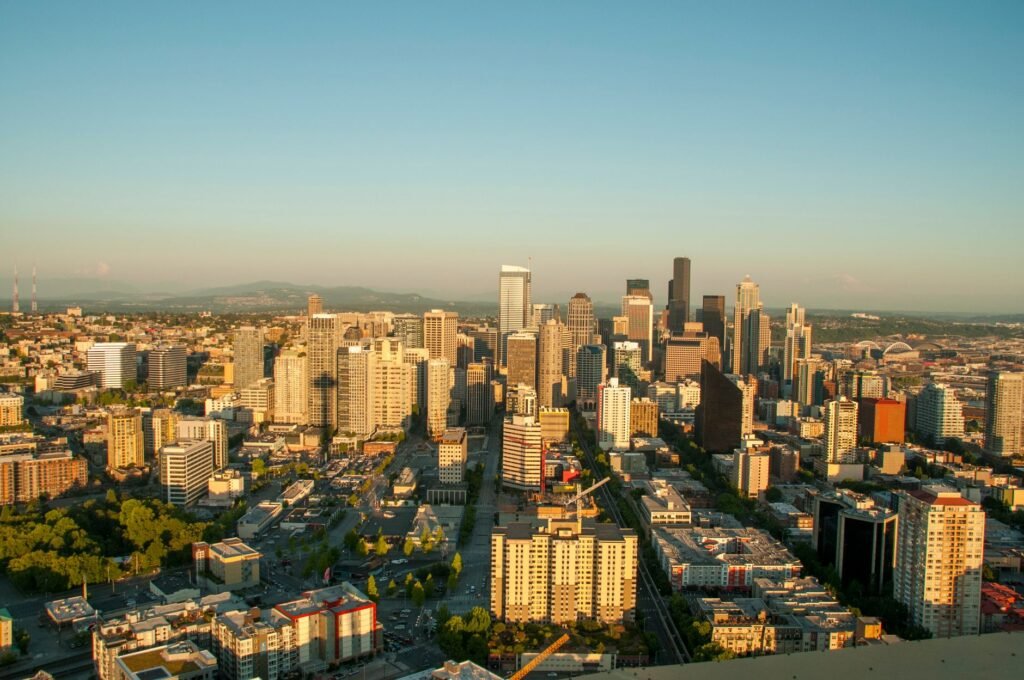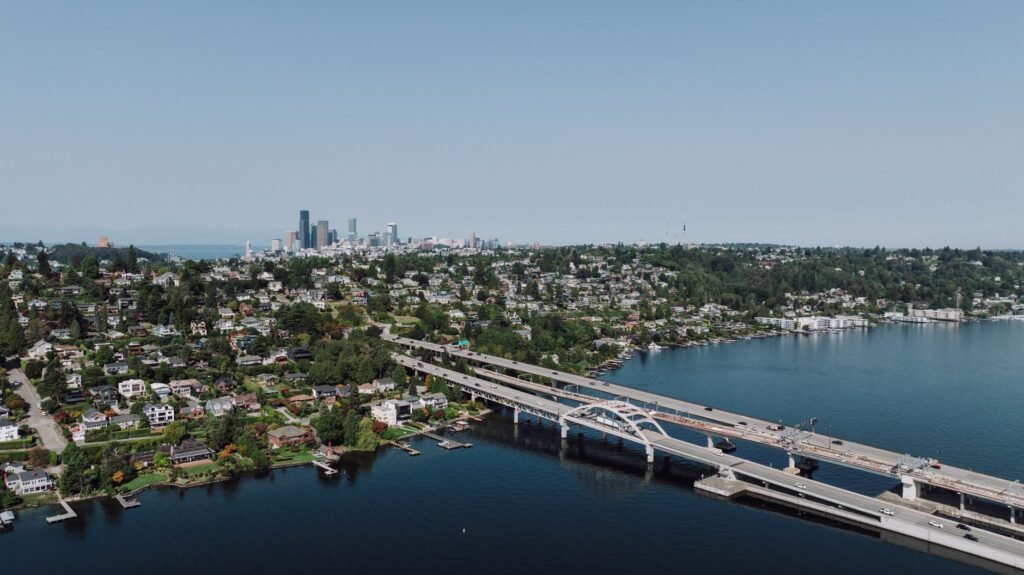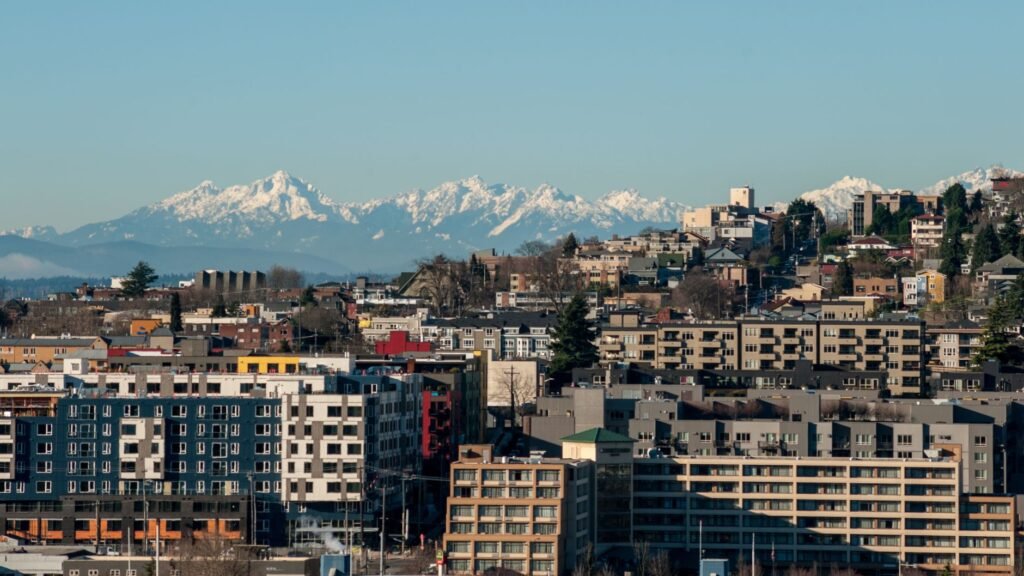
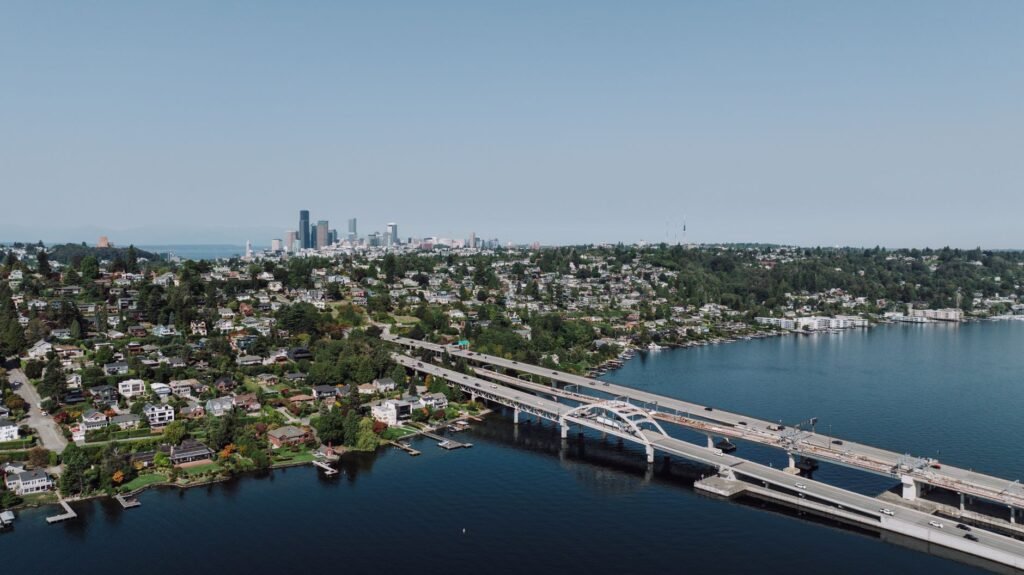
The practical answer: Capitol Hill, Ballard, Fremont, Queen Anne and Green Lake are the neighborhoods where most visitors will feel comfortable, and where reported street crime against people is lowest.
Some context first, because Seattle’s reputation and Seattle’s numbers have been diverging. Reported crime across the city fell 18% in 2025, homicides dropped from 58 to 37, and downtown violent crime hit its lowest level since 2017. The decline continued through the first half of 2026.
One distinction matters more than any ranking: property crime and crime against people are different problems with different geography. Car prowl is the most common reported crime in Seattle and it happens everywhere, including in the neighborhoods below. Street crime against pedestrians is concentrated in a few downtown blocks. A neighborhood can score badly on the first and very well on the second — Capitol Hill is exactly that.
Capitol Hill
The busiest nightlife district in the city, and for a pedestrian probably the most comfortable place to be after dark — for the straightforward reason that there are people on the street until late.
The core runs roughly from Pine Street north to Roy, and from Broadway east to 15th Avenue. The Pike-Pine corridor is the densest part: cafes, bars, bookshops, music venues, and steady foot traffic.
What to actually watch for here is theft rather than confrontation. Bags left on cafe chairs disappear. Car prowls are frequent — Capitol Hill has one of the higher rates in the city, so park in a garage or skip the car entirely. Transit connections are good and the light rail station is central.
Ballard
Walkable, low-key, and a good first-visit base. The centre is Ballard Avenue NW and the blocks around NW Market Street, running west toward the locks.
Evenings are busy without being rowdy — breweries, restaurants, a year-round farmers market on Sundays. The Ballard Locks and the Nordic Museum are both genuine attractions rather than filler.
Same caveat as everywhere: vehicle prowl is common in the residential streets and parking lots. Leave nothing visible.
Fremont
Quieter than Capitol Hill, odder than Ballard. The main strip is N 36th Street and the blocks around it, with the troll under the Aurora Bridge, a Sunday market, and a decent cluster of restaurants.
It is comfortable in the evening, if less populated late than Capitol Hill. Good choice if you want neighborhood character without nightlife noise.
Queen Anne
Two distinct places. Lower Queen Anne, near Seattle Center, is convenient for the Space Needle, MoPOP and Climate Pledge Arena, and has the most hotel options. Upper Queen Anne, up the hill, is residential and quiet, with the best free skyline view in the city at Kerry Park.
Upper Queen Anne is calm but poorly connected — expect to bus or drive to most things. Lower Queen Anne is walkable to Seattle Center and a reasonable walk to downtown.
Green Lake
The quietest option, built around the lake and its path — the inner loop is about 2.8 miles and busy with runners and walkers from early morning.
There is very little in the way of hotels, nightlife or restaurants beyond a handful of cafes. Excellent for a morning run, not a base for a short trip.
Downtown, Pioneer Square and the U-District
Not places to avoid, but places to understand.
Downtown is fine by day and has the most hotel supply. The specific issue is the Third Avenue corridor between Pike and Jackson, and Third and Pine in particular — the city’s most consistently documented street-crime location. Walking Fourth or Fifth Avenue instead solves most of it and costs two minutes.
Pioneer Square is architecturally the best part of the city and a good daytime visit. After bars close it behaves like any dense bar district: thin crowds, drinking crowds, the usual late-night friction. Plan how you are getting home.
The University District is a student neighborhood with a student neighborhood’s profile — relentless bike theft, frequent car prowls, and noise. Violence against visitors is rare. It is the cheapest place to stay and you pay for it in sleep.
On Hotel Prices
We are not quoting nightly rates here, because Seattle’s hotel pricing swings enormously between a wet February midweek and a July weekend with a Mariners home stand. Any fixed figure would be wrong most of the year.
As a rough ordering: downtown and Lower Queen Anne run highest, Capitol Hill and Ballard sit in the middle, and the U-District is cheapest. Check live rates for your actual dates.
The Advice That Actually Matters
- Leave nothing visible in a parked car. Not a bag, not a cable, not a coat over something. This single habit prevents most of what goes wrong for visitors here, and it applies in every neighborhood on this page
- Use Fourth or Fifth Avenue rather than Third when walking downtown after dark
- Trailhead parking outside the city sees regular break-ins — the same rule applies, more so
- Transit works. Light rail connects the airport, downtown, Capitol Hill and the U-District; a car is only worth it for mountains or islands
Seattle is a large American city with a visible street-homelessness and addiction crisis concentrated in a small number of downtown blocks. For a visitor that is mostly a question of discomfort rather than danger, and the measured crime numbers have been falling for two years.
For the fuller picture of which areas warrant planning around, see our guide to areas to avoid in Seattle.
Crime figures come from Seattle Police Department reporting and Downtown Seattle Association data published in February and March 2026; current incident data is on the SPD dashboards. Checked October 2026. Spotted an error? Tell us via the contact page.