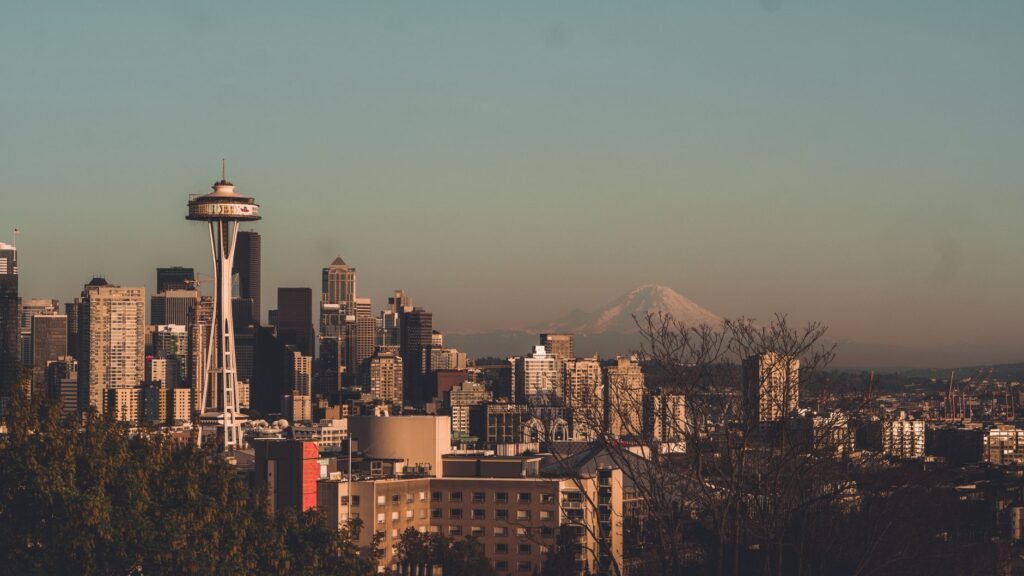
The bad areas of Seattle exist, but they’re fewer and smaller than visitors often fear. The city’s reputation for crime outpaces the actual risk in most neighborhoods. What matters is knowing which blocks to skip and which streets feel fine at night.
I’ve spent enough time in Seattle to know the difference between a rough corner and a place you should genuinely avoid. Most of the city is safe, walkable, and welcoming. But like any major American city, Seattle has pockets where crime clusters and street conditions deteriorate fast. The good news is these zones are specific. You don’t need to avoid entire neighborhoods. You just need to know which few blocks to steer clear of, and why.
Downtown Core and Pike Place Market Surroundings
Downtown Seattle has transformed a lot in recent years. The central business district itself is busy and well-lit during the day. Police presence is heavy. But the blocks immediately around Pike Place Market and along Third Avenue tell a different story.
Third Avenue from Pike Street down to Jackson Street is where you’ll see the highest concentration of street crime. This is the bad areas of Seattle that makes headlines. Petty theft, assault, and drug activity are documented here at rates higher than the rest of the city. The street smells like stale beer and urine. You’ll see people openly using drugs. Aggressive panhandling is common. For most visitors, this isn’t a safe place to walk alone, especially at night.
What makes this strip different is its tolerance for visible disorder. The city has struggled to enforce quality-of-life laws here consistently. Shelters and services cluster nearby, which concentrates street activity in a few blocks. That density creates the conditions for theft and confrontation. You leave a bag on a cafe seat for two minutes. It’s gone when you come back. You stop to check your phone on the street. Someone approaches asking for money or trying to get close enough to grab something.
Here’s what you should actually do:
- Avoid walking Third Avenue between Pike and Jackson after dark, solo or not
- Use Fourth or Fifth Avenue instead for north-south movement
- Stay in Pike Place Market itself during operating hours. The market is well-managed and patrolled
- Use rideshare to get between downtown hotels and other neighborhoods at night
- If you must visit the area during the day, keep bags zipped and backpacks in front
The waterfront piers south of Pike Place are fine. The market area itself is fine. It’s that specific corridor on Third that carries real risk.
Also read: places to avoid in seattle
Pioneer Square and the South End
Pioneer Square sits just south of downtown and holds a different kind of risk. It’s not the drug scene you see on Third Avenue. What happens here is street violence, mostly between people who know each other, but muggings do occur.
The neighborhood has galleries, restaurants, and bars that draw a young crowd at night. But the blocks west of Second Avenue, especially around the parking lots and side streets near the waterfront, see regular property crime and assault. This is where groups of people get into conflicts on weekends. Bottles get thrown. Fights break out outside bars.
During the day, Pioneer Square is pleasant. The architecture is striking. The antique shops are good. But come 10pm, the mood changes. The foot traffic drops. The remaining people on the street are more likely to be intoxicated or looking for trouble. Taxi drivers in Seattle know to avoid this area late at night.
What distinguishes this from just a rowdy bar district is the frequency of predatory behavior. Women especially report unwanted advances and theft here after dark. Travelers report being followed. Groups of men block sidewalks. It’s a pattern, not an isolated incident.
The practical advice is simple. Visit during daylight hours or go out to dinner with a plan to leave by 10pm. Use a car service. Don’t walk back to your hotel after midnight. If you want nightlife, cool areas to stay in seattle like Capitol Hill and Ballard are much safer choices.
The University District and Surrounding Blocks
The U-District around the University of Washington campus has gentrified a lot. The main commercial streets are fine. But blocks to the east and south, away from the main drag, see property crime at high rates.
This is primarily theft. Car break-ins happen constantly in the parking lots. Residential burglaries are common on the side streets. Bike theft is so frequent that locals joke about it. Street robbery is rare but happens. Groups of young people commit most of the theft here, targeting students and visitors who look distracted or have expensive items visible.
The neighborhood isn’t hostile the way Third Avenue can feel. It’s not violent the way Pioneer Square is on some nights. But it is theft-prone. Don’t leave anything in your car. Don’t walk with an expensive camera out. Keep your phone in a front pocket or bag zipped. Wear headphones and you’re advertising that you’re not paying attention.
What you can do here safely:
- Park in the UW’s paid lots or in a covered garage
- Walk the main commercial street (University Way) freely
- Visit the university campus itself and the nearby museums
- Shop and eat during regular hours
- Leave the area before dark if you’re unfamiliar with it
The surrounding residential blocks aren’t dangerous in the way that makes you feel physically threatened. They’re just places where your stuff gets stolen if you’re careless.
Rainier Valley and South Seattle
Rainier Valley stretches south from downtown toward the airport. The corridor along Rainier Avenue and the blocks around Columbia City have seen investment and improvement. But neighborhoods to the east and west, off the main arterials, still experience higher violent crime rates.
This area is economically diverse and culturally rich. It’s not universally bad. But statistical crime rates are elevated compared to North Seattle. Robbery and aggravated assault happen more often. Gang activity exists. A visitor who sticks to the main commercial areas and restaurants is unlikely to experience trouble. But walking alone on residential side streets at night, or leaving valuables visible in your car, carries real risk.
The good neighborhoods here, like Columbia City, are genuinely worth visiting for food and shopping. The bad blocks are the ones most visitors won’t stumble into by accident. The trouble comes when you park on a side street three blocks away or cut through an alley thinking it’s a shortcut.
Also read: bad neighborhoods in seattle
Neighborhoods That Are Actually Fine
North Seattle neighborhoods like Ballard, Fremont, and Green Lake are safe and worth time. Capitol Hill has an active nightlife scene and high street activity. The walkability is good. Crime exists but is lower and less concentrated than in the areas above.
The eastside neighborhoods of Seattle, particularly around the University District’s western edge and toward Lake Union, are safe for visitors. Queen Anne is pleasant. Wallingford is residential but welcoming to visitors. Magnolia is quiet and removed, good for a peaceful walk or beach time.
The mistake a lot of visitors make is assuming Seattle is uniformly unsafe because they’ve heard about the downtown problem. The reality is the opposite. Most of Seattle is safe and easy to navigate. The issue is concentrated in a few specific corridors and blocks.
How to Stay Safe in the Problem Areas
If you do find yourself near one of the zones above, you don’t need to panic. You just need to follow street sense.
Stay aware of your surroundings. Keep your phone in a pocket, not out. Don’t flash expensive items. Travel in groups when possible, especially at night. Trust your instincts. If a block feels off, leave it. If someone makes you uncomfortable, move away. These aren’t Seattle-specific rules. They apply in any city.
The smell of fish and coffee near Pike Place Market at 7am is one thing. The smell of urine and desperation on Third Avenue at 9pm is another. Your nose knows the difference.
Use rideshare if you’re tired or uncertain. A $15 Uber is cheaper than replacing a stolen laptop. The cost is negligible for most travelers. The peace of mind is real.
Don’t leave anything in your car overnight anywhere in the city, but especially in the U-District, Capitol Hill, or Rainier Valley. Smash and grab theft is common. A locked door doesn’t stop it.
The Real Picture
Seattle’s crime problem is real but manageable. The areas of Seattle to avoid are specific, not sprawling. You can miss them entirely with basic awareness. The city offers great neighborhoods, food, water views, and culture. You don’t need to skip a Seattle trip because of crime. You just need to skip a few blocks.
The truth is simpler than the fear. Stay out of downtown Third Avenue after dark. Avoid Pioneer Square late at night. Be mindful of your belongings in the U-District. Watch the blocks you walk in South Seattle. Everywhere else is fine. Enjoy the city on those terms, and you’ll have a good visit.
Reference: Seattle