The best cheap things to do in Seattle range from world-class free museums to waterfront parks and neighborhoods packed with independent cafes and restaurants that won’t drain your wallet. You can spend a full week here without dropping money on typical tourist traps. The city rewards people who walk, explore on foot, and skip the expensive observation decks in favor of views that cost nothing.
Pike Place Market and the Waterfront
Start your morning at Pike Place Market before 9am. The crowds thin out and you get the real Seattle. Walk straight through the main arcade past the fish throwers at Pike Place Fish. Keep going. Most visitors never make it past the front rows. The real market opens up behind that popular section. You will find flower stalls, vegetable vendors, and food stands where a fresh pastry or coffee costs two to four dollars. The smell of fish and coffee near the market at 7am tells you this place is working. Not performing.
The waterfront is a two-block walk downhill from the market. Free walking paths run the entire length. The Alaskan Way Viaduct removal created new green space. You get views of Elliott Bay and the Olympic Mountains without paying admission to anything. Stop at the Seattle Aquarium only if you have kids and a bigger budget. Most adults skip it.
What catches people is the ferry system itself. A one-way ferry ride to Bainbridge Island costs about nine dollars. You get forty minutes of views and a change of scenery. On the return ferry, grab a local beer or coffee from the cafe. The ride pays for itself in the view alone. Bainbridge town is walkable and full of small shops and restaurants where you can eat affordably on the island side.
Also read: vancouver to seattle drive distance time route
Neighborhoods Worth Your Time
Capitol Hill is the first neighborhood most budget travelers should hit. Walk the main corridor along Pine Street between 10th and 15th Avenue. This stretch has bookstores, vintage shops, cafes, and bars. Most cost nothing to browse. Dick’s Drive-In is a local burger chain with locations all over the city. A burger and fries runs you about seven dollars. It tastes better than it should at that price.
Fremont sits north of downtown. This neighborhood has real character and almost no corporate chains. The Fremont Sunday Market runs every Sunday with food vendors, crafts, and local art. Parking is tight so take the bus or bike. Walk the quieter side streets near the Fremont Bridge. The Aurora Bridge looms overhead. Street art covers the walls. It is the kind of place where people move because they want to be here. Not because Seattle is expensive and they had no choice.
Ballard is west of Fremont and hugs the Ballard Bridge. The neighborhood was built on fishing. That history still runs through the streets. The Ballard Locks are free to visit. Water moves through the locks constantly. Fish travel up and down. You can stand above and watch it happen. Bring nothing. Pay nothing. Spend an hour. Most visitors have never heard of the locks. They should have.
Parks and Outdoor Spaces
Green Lake loops 2.8 miles around a freshwater lake. The path is free. Rent a canoe or paddleboard if you want to get on the water. Prices run about twenty to thirty dollars per hour. On a good day the Cascade Mountains pop across the water to the east. Walk the path once at your pace. You will pass dog walkers, runners, families with strollers, and people just sitting on the grass. This is where Seattle relaxes.
Discovery Park sits on Magnolia and is the largest park in the city. Trails wind through forest. One path drops down to a rocky beach called Ballard Beach. The views north toward the Olympics and west toward the Sound are free. Parking is free. Trails are free. This is the place where Seattle remembers it has mountains and water. Not just buildings and rain.
Washington Park Arboretum spreads across 230 acres. Most of the park is free to walk. The Japanese Garden inside charges ten dollars admission. Skip it unless you have a strong interest in Japanese design. The rest of the arboretum costs nothing. Paths run through forests of native plants and imported species. It is quiet and easy to get lost in the best way. Many Seattle residents forget this place exists.
Also read: what to do in west seattle a complete local guide
Museums and Culture on a Budget
The Seattle Art Museum downtown costs twenty dollars for general admission. That stings if you are watching money. On Thursday evenings after 5pm, admission is free. It fills up. Come early. The main floor has modern and contemporary work. The collection is strong. Upstairs holds less famous pieces but more interesting ones if you dig into galleries.
The Museum of Flight near Seattle-Tacoma Airport costs twenty-seven dollars. The price is steep. The collection justifies it if you care about aircraft. Most casual visitors do not. Skip unless you have a real interest.
The Frye Art Museum is free and criminally overlooked. It sits on First Hill south of downtown. The building is small. The collection focuses on older work and contemporary shows. Free admission means it never gets crowded. You can spend an afternoon here and see what you want. The gift shop is good. The cafe is cheap.
The Burke Museum on the University of Washington campus costs fifteen dollars. The campus itself is lovely to walk. The museum covers natural history and Pacific Northwest Native art. The permanent collection is modest. Special exhibitions rotate through and are often worth the price. Park on campus streets if you do not mind a short walk. Parking is free for visitors.
Food and Drink Without Overspending
Seattle’s coffee culture is real. This is not a sales pitch. Every neighborhood has a local roaster that charges two dollars for a pour-over. Starbucks is everywhere and costs more. Walk two blocks in any direction and find better coffee for less money.
The Pike Place Market food stalls serve lunch for five to ten dollars. Get a Thai skewer from one of the vendors. Get a crepe from another. The noodle stalls at the market’s north end serve hot bowls for seven dollars. Arrive at noon and wait in line. Leave at 1pm fed and happy.
Ballard has breweries and food trucks parked outside. Many breweries allow outside food. Bring takeout from another restaurant. The beer is four to six dollars per pint. You sit on picnic tables outside. It is the opposite of stuffy and formal.
Capitol Hill’s restaurant scene spans everything from Ethiopian to Vietnamese to Italian. Most sit-down restaurants cost fifteen to twenty-five dollars per person. Pho houses and taco spots run eight to twelve dollars. The quality is high across the board. Seattle takes food seriously even on a budget.
Getting Around Without a Car
You do not need a car. The bus system is comprehensive. A day pass costs four dollars. A three-day pass costs eleven dollars. Download the King County Metro app and track buses in real time. Buses are clean and frequent. This is not true everywhere in America. It is true here.
The Monorail from downtown to Seattle Center costs three dollars each way. It is touristy. It is also useful and the views are decent. Ride it once if you are curious. Do not ride it twice.
Biking is easy. Some neighborhoods have bike lanes. Others do not. Traffic is calm compared to other cities. Rent a bike from one of the many shops for ten to twenty dollars per day. Ride the Burke-Gilman Trail if you want a dedicated path that runs for miles. It is mostly flat and popular with families.
What to Skip
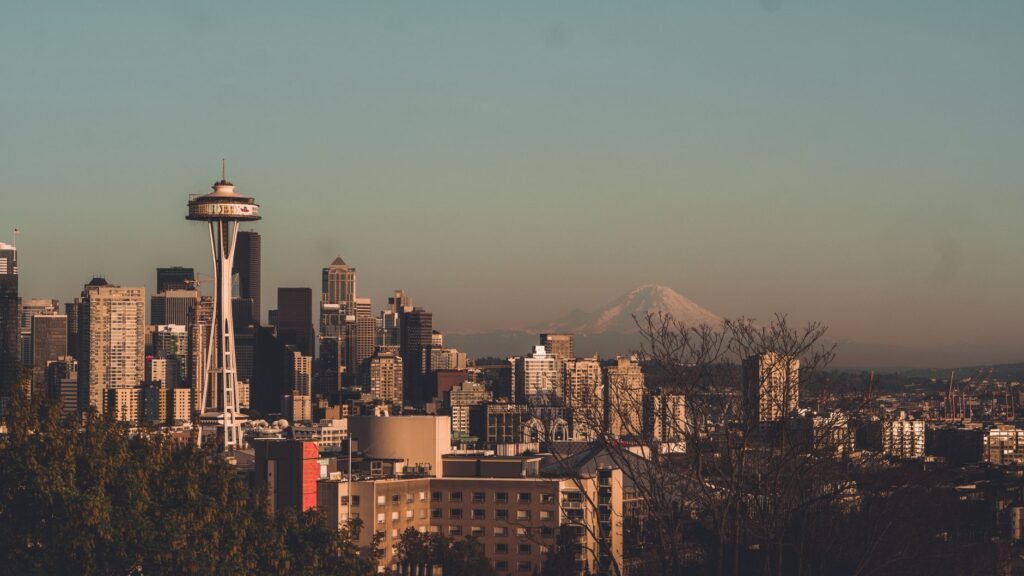
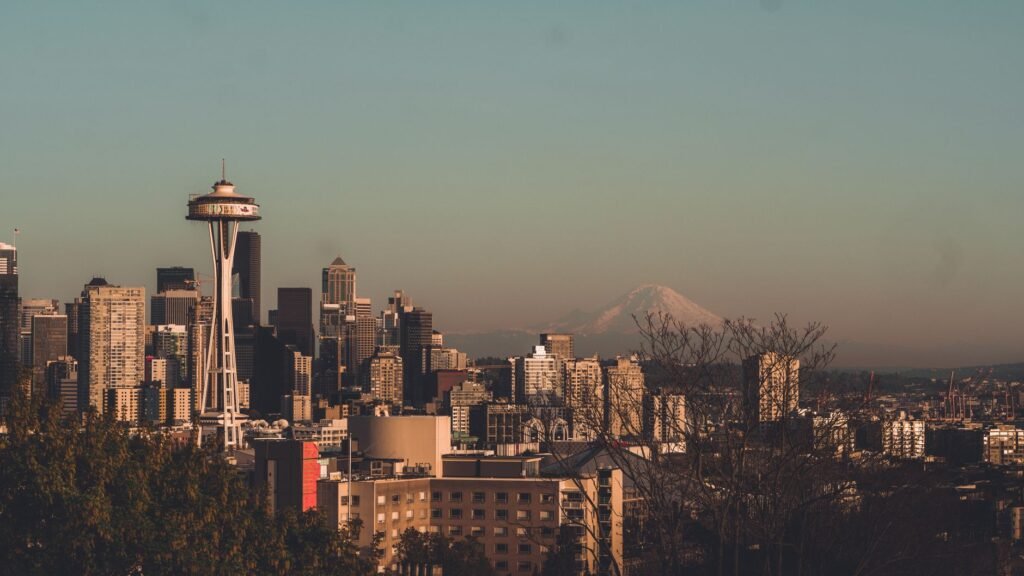
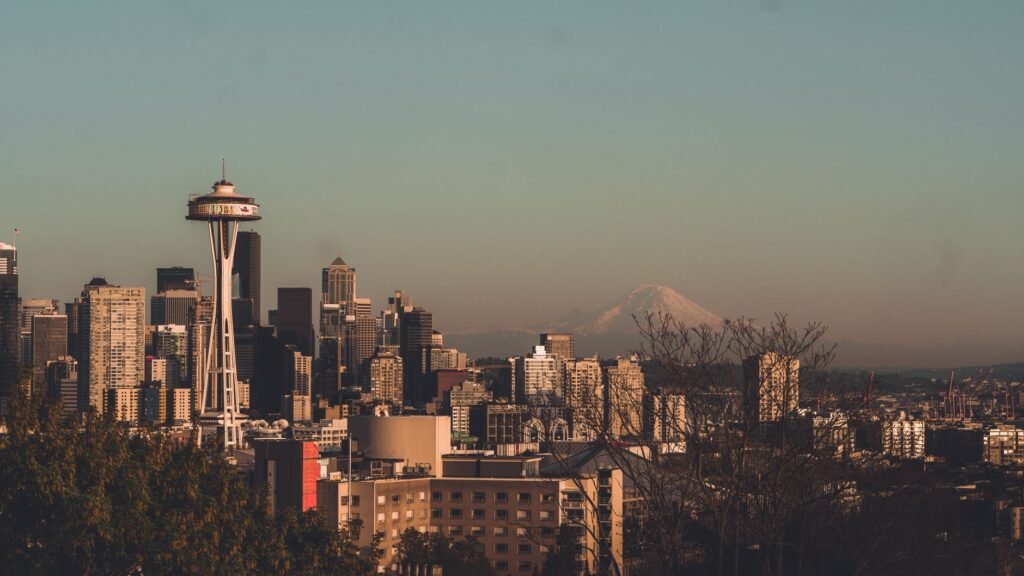
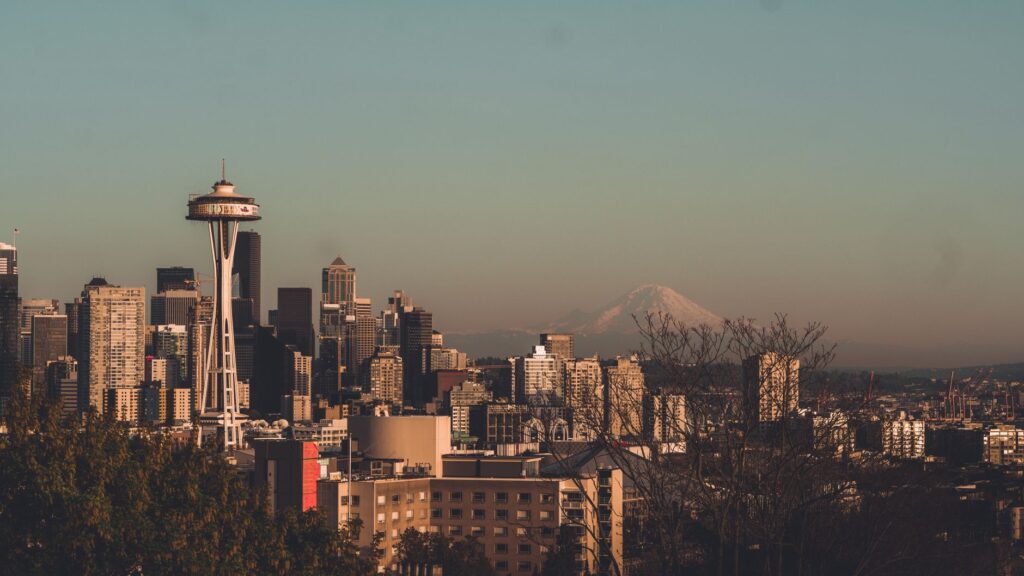
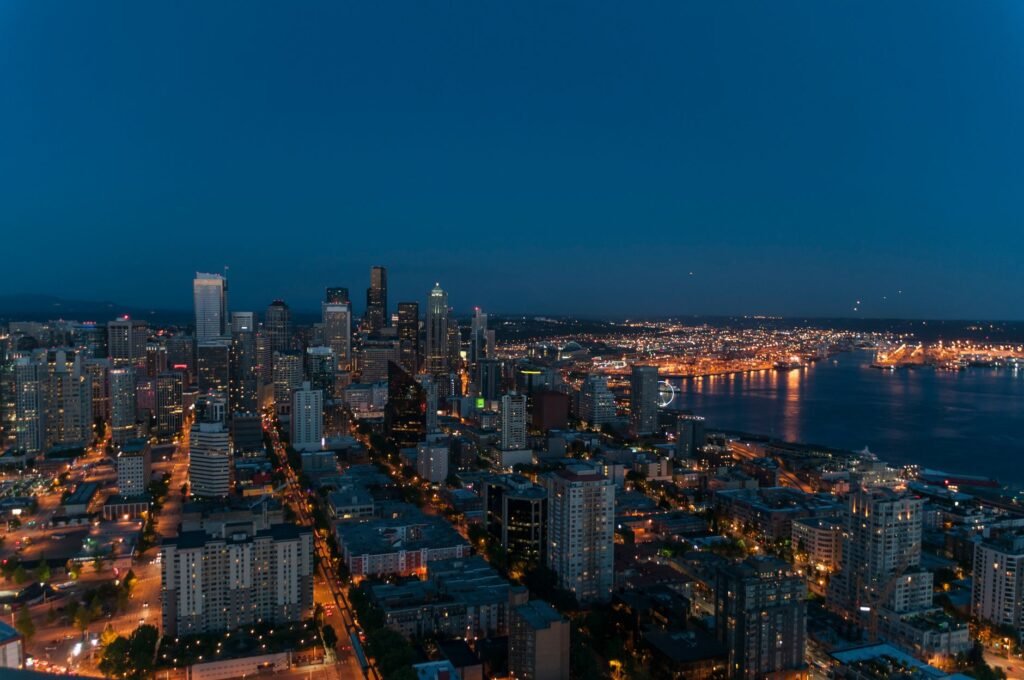
The Space Needle costs forty dollars for adults. The view is the same from Kerry Park in Fremont. Kerry Park is free. Drive up to the parking lot or take the bus. Walk thirty seconds. You stand above the city. The Puget Sound spreads below. The Cascades rise to the east. Most visitors have paid forty dollars when they could have paid nothing. Do not be that visitor.
The Chihuly Garden and Glass museum costs thirty dollars. Glass art is beautiful. Thirty dollars is not a cheap thing to do in Seattle. Skip it unless you have a specific passion for glass sculpture.
The Underground Tour costs twenty dollars. Guides lead groups through old buildings beneath Pioneer Square. It is kitschy and not worth the money. Walk Pioneer Square itself. The buildings above ground are more interesting than the spaces below.
When to Come
Summers run from June through August. Temperatures hit 75 to 80 degrees most days. Rain is rare. Everything is crowded and expensive. Spring and early fall are better. April through May brings mild weather and fewer tourists. September stays warm and the summer crowds thin out. October gets gray and wet but that is when the city shows its true character.
Weekdays are quieter than weekends. If you can shift your trip to a Tuesday or Wednesday, everything from parking to restaurant seating opens up. Pike Place is half as crowded on a Thursday morning as it is on Saturday afternoon.
Also read: unique places to stay in seattle cool hotels
The Real Seattle
The cheap version of Seattle is the real version. Most locals do not go to the Space Needle. They walk around the Ballard Locks on a Sunday morning. They grab coffee from a neighborhood roaster and sit in a park. They bike the Burke-Gilman Trail and stop at a brewery. They eat pho in Capitol Hill and walk home through quiet residential streets lined with old craftsman homes. This version costs almost nothing. This version is worth your time.
Reference: Seattle