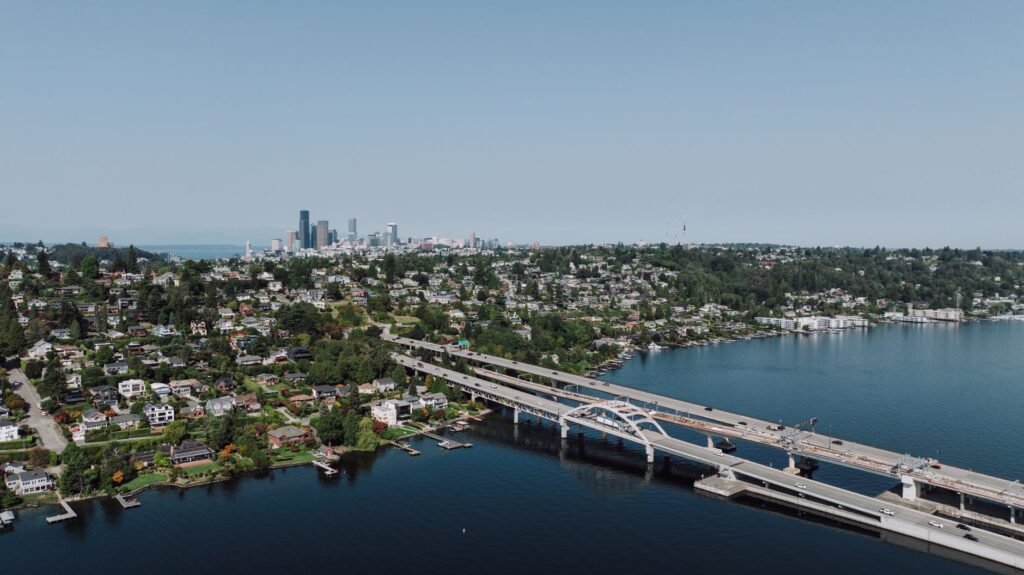
Seattle’s reputation for unsafe neighborhoods is mostly inherited from a period that has passed. Reported crime fell 18% across the city in 2025, homicides dropped from 58 to 37, and downtown violent crime reached its lowest level since 2017. The decline held through the first half of 2026.
That does not mean every block is equivalent. It means the honest answer to “which neighborhoods are bad” is narrower than most guides suggest, and this page tries to give that narrower answer rather than a list of areas to fear.
The Short Answer
Two locations account for most of what visitors actually encounter:
- Third Avenue between Pike and Jackson, and especially Third and Pine, the city’s most consistently documented street-crime corridor
- Twelfth Avenue South at South Jackson Street, where reported crime rose even as the downtown core improved
Everything else on this page is context for those two.
Downtown and Pioneer Square
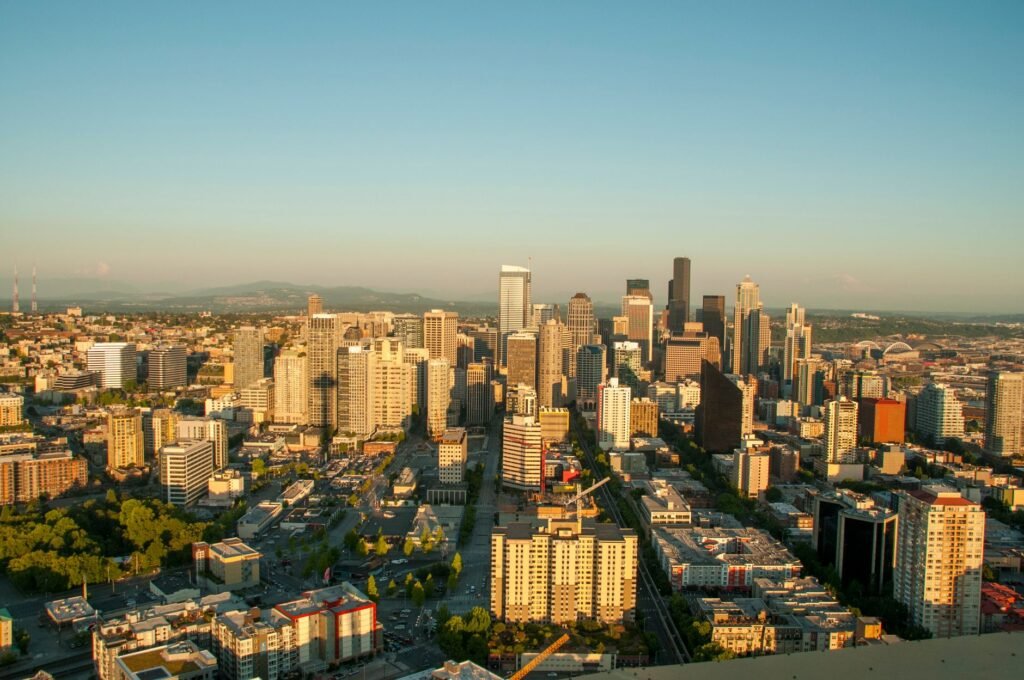
Downtown Seattle during business hours is busy, policed and unremarkable. The difficulty is specific and visible: street drug use and people in acute crisis, concentrated into a few blocks around Third Avenue where shelters and services cluster.
For a visitor this is primarily distressing to witness rather than dangerous. The crime that follows it is opportunistic theft. Walking Fourth or Fifth Avenue instead solves most of it, and the detour costs about two minutes.
Pioneer Square is worth a daytime visit for the architecture, the galleries and the Gold Rush museum. After bars close it behaves like any dense bar district: thin foot traffic, a drinking crowd, the usual late-night friction. Plan how you are getting home before you go out.
Capitol Hill and the University District
Both of these turn up on “avoid” lists and neither belongs there.
Capitol Hill is the busiest nightlife district in the city and one of its safest places to be on foot after dark, for the ordinary reason that there are people everywhere until late. Our safest Seattle neighborhoods guide ranks it first, and that is not a contradiction of this page: a neighbourhood can have high property crime and very low risk to pedestrians at the same time. Capitol Hill does.
The University District is a student neighbourhood with a student neighbourhood’s crime profile. Bike theft is relentless. Car prowls are constant. Violence against visitors is rare. Lock your bike properly, leave nothing in your car, and the area is fine.
The Neighborhoods That Get Unfairly Listed
Rainier Valley, the Central District, Beacon Hill and the Chinatown-International District appear on most “worst neighborhoods in Seattle” lists. It is worth being precise about what is and is not true.
South Seattle does record higher violent-crime rates than the north end. That difference is real, and it largely reflects incidents between people who know each other in lower-income parts of the city. It is not a pattern of crime against visitors.
What visitors actually do in these neighbourhoods is eat. Columbia City has one of the best restaurant strips in Seattle. The Chinatown-International District is where the city’s best Vietnamese, Cantonese and Filipino food is. Beacon Hill has the Kubota Garden and the light rail runs through all of it. Guides that advise driving through South Seattle without stopping are describing who lives there rather than any measurable risk, and visitors who follow that advice miss the best food in the city for no reason.
The exception worth naming honestly is the junction at 12th and Jackson, where reported crime has risen against the citywide trend. Take a car through there late rather than walking.
The Crime You Are Most Likely to Experience
Vehicle prowl. It is the most common reported property crime in Seattle and it happens everywhere — downtown garages, Capitol Hill side streets, Ballard, and particularly at trailheads outside the city, where cars sit unattended for hours.
Leave nothing visible in a parked car. Not a bag, not a cable, not a coat over something. An empty-looking car is rarely broken into; a car with a backpack on the seat often is. This single habit prevents most of what goes wrong for visitors to Seattle.
Where to Stay
These neighbourhoods combine low reported crime with enough evening activity to feel comfortable:
- Capitol Hill, around Pine Street and Cal Anderson Park
- Ballard, west of the ship canal
- Fremont and Wallingford
- Queen Anne, particularly lower Queen Anne near Seattle Center
- Green Lake, the quietest of the group
Hotels in these areas are often better value than downtown, and you avoid the few blocks that cause problems without having to think about it.
The Bottom Line
Seattle’s visible street crisis is concentrated downtown and is hard to miss. Its measured crime has been falling for two years. Both of those are true, and a visitor who stays off Third Avenue after dark, takes a car around 12th and Jackson late, and leaves nothing in a parked car has addressed nearly all of the practical risk.
The rest of the city is open to you, including the southern neighbourhoods that most guides tell you to skip.
Crime figures come from Seattle Police Department reporting and Downtown Seattle Association data published in February and March 2026. Current incident data is on the SPD data dashboards. If something here has gone out of date, tell us via the contact page.