August is one of the warmest and driest months in Seattle. Typical daytime highs are in the upper 70s Fahrenheit, with cooler mornings and evenings, and rain is usually light and infrequent. This guide summarizes what to expect from the weather, what to pack, and how to plan your days. The numbers below are approximate long-term averages, so check a current forecast before you travel.
Temperature in Seattle in August
- Average high: roughly 76 to 79 degrees Fahrenheit.
- Average low: roughly 56 to 59 degrees Fahrenheit.
- Rainfall: typically under about an inch for the month, with many entirely dry weeks.
- Daylight: the sun sets roughly between 8:30 and 7:45 pm over the course of the month, so evenings stay light well into the night.
Heat waves do happen. Some recent summers have brought days above 90 degrees, and a few have exceeded 100. Many older homes and some hotels do not have air conditioning, so if you are sensitive to heat, confirm that your lodging has it. Wildfire smoke from the region can also affect air quality in late summer, so check air quality reports.
What to Pack
The key is layers. Mornings and evenings can feel cool compared with the afternoon, particularly near the water.
- Light long-sleeve shirts and T-shirts
- A light jacket or fleece for evenings and ferry rides
- Shorts and light pants
- Comfortable walking shoes, since Seattle is hilly
- A light rain shell, just in case
- Sunscreen, sunglasses, and a hat
- A small daypack and reusable water bottle
Things to Do in Seattle in August
August is peak season, with outdoor events and long days. For more ideas, see our guide to things to do in Seattle in August.
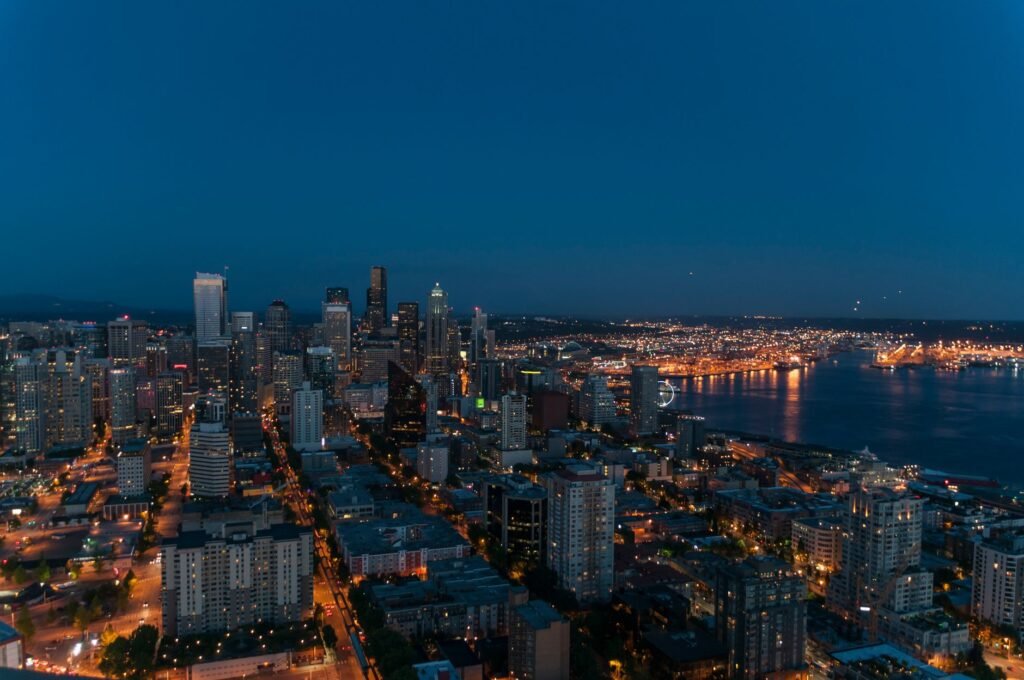
- Pike Place Market and the waterfront: Go early in the morning to beat the crowds. The waterfront connects the market, the Seattle Aquarium, the Seattle Great Wheel, and the ferry terminal.
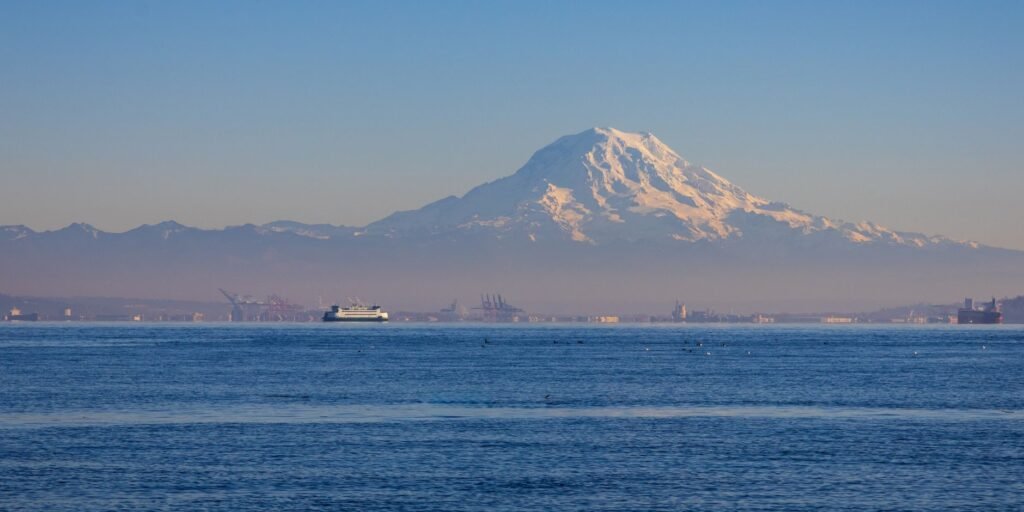
- Ferry to Bainbridge Island: A scenic round trip from the downtown terminal, with skyline views.
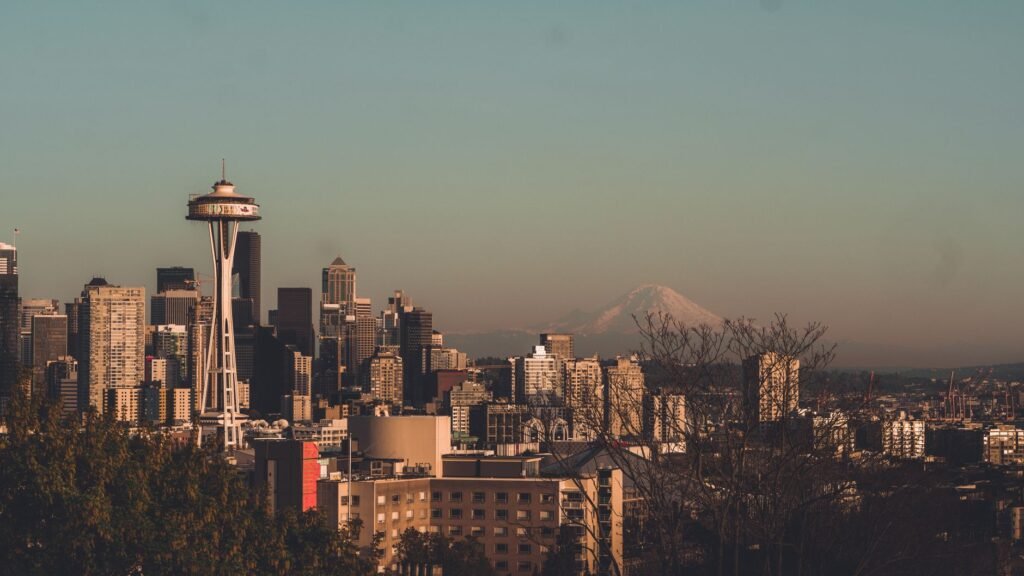
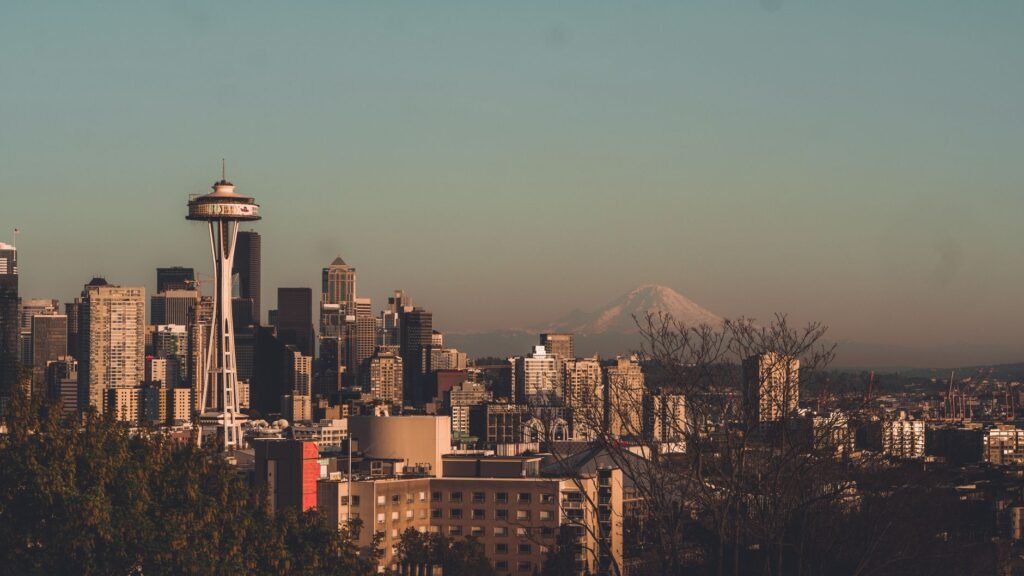
- Kerry Park and Discovery Park: A free skyline view, and Seattle’s largest park with forest trails, beaches, and a lighthouse.
- Kayaking and paddleboarding: Rentals are available on Lake Union and Lake Washington.
- Museums: The Museum of Pop Culture and Seattle Art Museum offer an indoor break on hot or smoky days.
- Seafair: The festival season usually runs from July into early August, with events such as the Torchlight Parade and Blue Angels air show. Confirm the current year’s dates.
Check each venue’s hours and admission before you go. Prices change.
Crowds and Costs
Summer is Seattle’s busiest travel period, with high demand for flights and hotels. Rates are usually higher than in spring or fall, and popular attractions and ferries can be crowded, particularly on weekends. Book lodging early. Weekdays and early mornings are quieter. If crowds and prices are a concern, consider late May, June, or September, which often offer decent weather with fewer visitors.
Getting Around
You can do a lot of Seattle without a car. Link light rail connects Sea-Tac Airport with downtown, Capitol Hill, and the University of Washington, and King County Metro buses, streetcars, and ferries fill in the rest. An ORCA card works across transit. Check Sound Transit and King County Metro for fares and routes, and the OneBusAway app for real-time arrivals. Downtown parking is expensive, so rent a car only for days outside the city, such as trips to Mount Rainier or the Olympic Peninsula.
Eating and Drinking
Seattle is known for coffee, seafood, and a wide range of neighborhood restaurants. Pike Place Market has casual counters, and the Chinatown-International District is a good area for noodles, dim sum, and pho. Many breweries have outdoor seating, which is pleasant on warm evenings. Restaurants open and close often, so check recent reviews and hours, and reserve ahead for popular places in peak season.
Why August?
For visitors who prioritize weather, August is among the most reliable months, with long days and a low chance of rain. The tradeoffs are crowds, higher prices, and the possibility of heat or smoke. With layers, sun protection, and flexible plans, it is an excellent time to explore the city and nearby mountains.
Information changes often. Spotted an error? Tell us via the contact page.