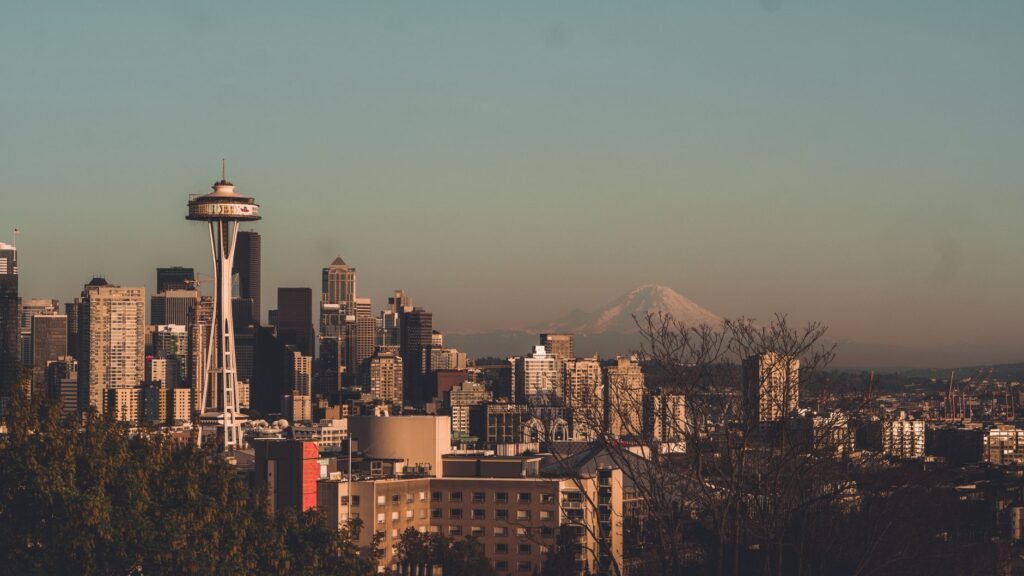
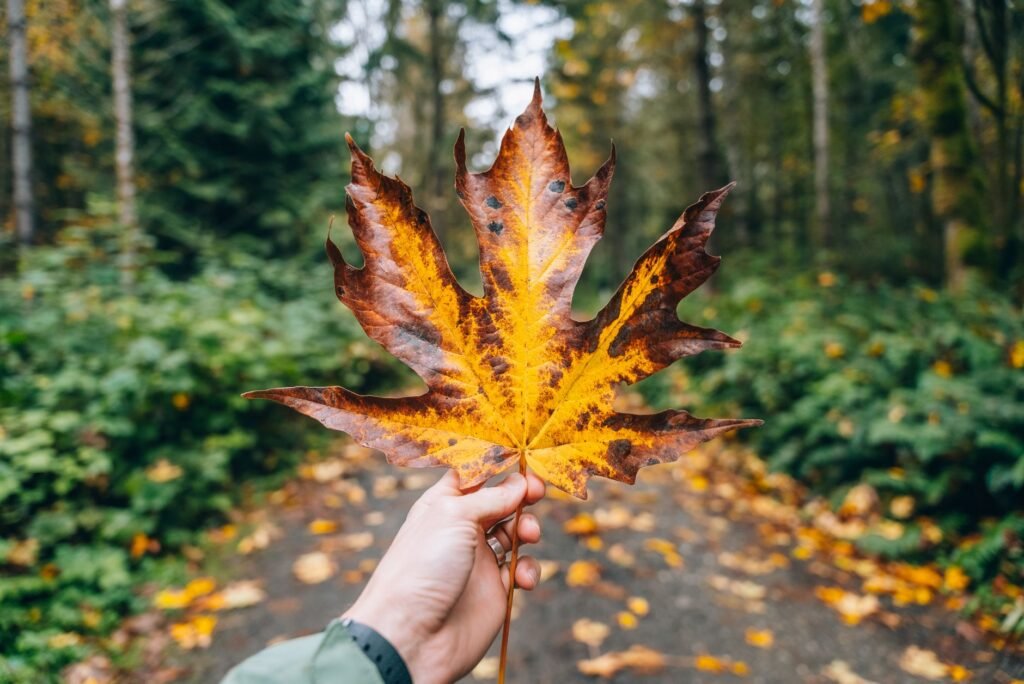
Fall in Seattle is genuinely good, and the season lasts longer than most visitors expect. September through November brings lower prices, fewer tourists, and weather that is actually more pleasant than the reputation suggests. The rain that Seattle is famous for does arrive. But it comes in light, steady drizzle most days, not the dramatic downpours people fear. You will see clear skies, especially in September and early October. The key is knowing what to pack and when to go.
Best Time to Visit Seattle in Fall
September is warm and mostly dry for the Pacific Northwest. Temperatures sit in the low to mid 70s. Rain is rare. You could spend entire days outdoors without needing more than a light jacket. The city feels easier to navigate when the summer crush is gone. Hotels drop their rates noticeably. Popular restaurants have tables open without a three-week wait. For most trips, September is the . Early October maintains similar conditions. Late October and November get wetter and colder. Mid-50s becomes the norm. The drizzle becomes more consistent. If you hate rain, do not plan around late fall. If you do not mind it, late fall is quieter and even more affordable.
One thing nobody tells you about Seattle’s fall is the light. Days get short fast. Sunrise happens around 7:30am by mid-October. Sunset comes before 5pm by November. This matters because it compresses your outdoor time. Plan outdoor activities for midday. Hiking, waterfront walks, and neighborhood exploration all go better when you start by 10am or 11am. Coffee culture is not just a cliche here. You will understand why people camp out in cafes from dawn until lunchtime. The long, dark evenings are actually that.
What to Pack for Seattle Fall
Pack layers because the weather changes throughout a single day. You will start cool, warm up by noon, then cool off again by evening. Cotton and wool both work fine. Avoid anything too heavy yet. A rain jacket is mandatory, not optional. Do not buy one of those thin nylon shells that tears easily. Get something with real structure that you can actually trust. Your bag will get wet. Accept this now. Leather shoes or canvas sneakers absorb water and stay damp. Waterproof hiking boots or rain boots are better. Jeans take forever to dry once wet. Bring pants that dry faster or embrace the damp. One warm layer like a fleece or sweater handles the cool mornings and evenings. A light scarf works both ways, casual and functional.
The one thing people forget is that Seattle is still a city. You will walk a lot. Comfortable shoes matter more than gear. Distance from Pike Place Market to Capitol Hill is only about 2 miles. But you will do that on foot, plus more. Bring shoes you already know work. Breaking in new footwear during a trip is a classic mistake that ruins days.
Events and Things to Do in Fall Seattle
The Seafair Torchlight Parade happens in early September and is genuinely worth seeing if you are in town. The parade runs through downtown for several miles. Crowds line the streets. It is chaotic and fun. Skip it if crowds stress you out. Everyone else should go. Parking downtown during the parade is a nightmare. Use public transit or arrive three hours early if you drive.
Fall in Seattle also brings the start of the arts season. The Seattle International Film Festival runs through fall and winter. The symphony orchestra opens in September. Theater season kicks into gear. If you care about these things, book tickets before you arrive. Popular shows sell out. Pricing for events varies wildly. A film festival ticket runs $15 to $18. Symphony tickets range from $30 to over $100. Theater pricing spans that same wide range.
The Pumpkin Patch at Molbak’s Garden Center opens in mid-September and runs through October. It is touristy and crowded on weekends. Go on a weekday if you can. The place is about 20 miles north of downtown. Drive or take a rideshare. Entry is free. Buying pumpkins, hay, and other seasonal stuff adds up. Expect to spend $20 to $60 depending on what you take home. This is more of a Seattle-area locals activity than a must-do tourist thing. Do it if pumpkins make you happy. Skip it otherwise.
Neighborhoods to Explore
Capitol Hill is the energy center of fall Seattle. The neighborhood has bookstores, cafes, vintage shops, and good bars. Foot traffic here picks up in the evenings. You can spend an afternoon just walking around. The Crocodile music venue books solid acts. Neumos is another strong live music spot. Both fill up fast on weekends. Restaurants range from cheap tacos to upscale farm-to-table places. Prices reflect the market. A decent dinner runs $40 to $60 per person with drinks. Many excellent options fall below that.
Fremont is quirky and walkable and feels more local than Capitol Hill. It is just north of the ship canal. The Sunday Market here is a genuine Seattle thing. Handmade goods, local art, and food vendors fill several blocks. It runs year-round. Fremont has its own coffee culture and brewery scene. Weather rarely stops people from exploring here. The neighborhood actually looks better in light rain. The wet streets add character to the old storefronts and street art.
Ballard is coastal and has the fishing industry still visible. You can smell fish and coffee near the docks early in the morning. It is real. The waterfront here is less polished than Pike Place Market. That is the appeal. Walk along the water. Grab coffee. Hit a brewery. The neighborhood has some of Seattle’s best Scandinavian heritage buildings and restaurants. Golden Gardens Beach is here too. It is actually swimmable in September for people who can handle 60-degree water. Most people just walk the sand. The view of the Olympics across the water is good in clear weather.
Pike Place Market is unavoidable and worth your time. Yes, it is touristy. But it is also actually great. Go early, by 8:30am or 9am. You miss the worst crowds and catch the fish market at full energy. The smell of fish and coffee and flowers hits you all at once. Buy fresh fruit from the stand that tosses apples. Eat a pike place chowder or fish and chips. The Pike Place Chowder stand has a line but moves fast. Budget $12 to $15 for a good bowl. Walk the whole market before deciding where to eat. Many visitors eat too early and miss better options deeper in.
Outdoor Activities
Hiking is excellent in fall around Seattle. The rain does not stop hikers. It actually keeps the trails less crowded. Rattlesnake Lake offers an easy 3-mile loop with views of the Cascades. It is about 45 minutes from downtown. Green Lake is in the city, a 2.8-mile loop that is flat and good for any ability. Both trails are better on weekdays. Weekends bring crowds.
What makes fall hiking better than summer is the foliage and the cool air. You do not overheat. The light is often good for photos. Trails do not get muddy until late October. Pack a rain jacket even if the forecast looks clear. Weather changes fast in the mountains.
Read more: What Mountains Can You See From Seattle
The Waterfront Park is walkable right from downtown. You can spend an afternoon just following the water. The Sculpture Park is free and open year-round. It sits right on the Puget Sound. The art is contemporary and the views are strong. This is especially good on clear days. Poor weather makes it less appealing, but many pieces look interesting in rain too.
Where to Stay and Eat
Hotels in Seattle run the full spectrum. Downtown hotels near Pike Place Market are convenient but pricey. Budget $150 to $250 per night in fall, which is cheaper than summer. Capitol Hill has smaller hotels and boutique options for $100 to $180. Ballard and Fremont have fewer hotels but more character. Airbnb works well here if you want a full apartment or a room in a local neighborhood.
Avoid the big hotel chains if you have the budget to skip them. They are generic and more expensive. The Paramount or the Arctic Building downtown have style. The Hotel Ballard has local appeal. These cost more than chains but deliver better. Book direct when possible. Many hotels give better rates for direct bookings than online sites.
Food in Seattle is genuinely good without being pretentious. The city has strong coffee culture, fresh seafood, and good Asian food because of the International District.
- Start your morning at a local cafe in your neighborhood instead of a chain.
- Try the fish and chips at Pike Place Market or Ivar’s on the waterfront.
- Have at least one meal in the International District for dim sum or Vietnamese food.
- Visit a brewery in Ballard or Fremont for lunch or an afternoon drink.
- Eat at one of the fancy restaurants if your budget allows, but do not feel obligated.
Restaurants that actually matter: Canlis sits on a hill with views of the city and mountains. The food is excellent. It is expensive, around $200 per person with wine. Molly Moon’s ice cream uses local, seasonal ingredients. A scoop or two costs $5 to $7. Salumi is a small deli in Pioneer Square that makes cured meats and sandwiches. The line can be long but moves. A sandwich runs $14 to $18. These places represent different price points but share real quality.
Rain and How to Handle It
The rain in fall Seattle is different than East Coast rain. It does not usually come in heavy bursts. It comes as steady drizzle that lasts for hours. You can walk around in it. Your rain jacket keeps you dry enough. The real issue is that it dampens your mood more than your clothes. Plan indoor backup activities. The Seattle Art Museum is good for a few hours. The Museum of Flight is interesting even if you do not care about planes. Both charge admission around $20 to $25. Libraries are open and free. The Central Library downtown is striking architecture and worth visiting just for that.
Honestly, the best way to handle rain is to stop seeing it as a problem. Locals do not cancel plans because of drizzle. Neither should you. Bring the right jacket and move on.
Getting Around
Seattle has public transit via buses and a light rail system. The light rail connects the airport to downtown and extends north. A day pass costs about $5. Buses cost $2.75 per ride in the city. Buy a Orca card at any convenience store. It works on all transit. This saves time fumbling for change. Parking downtown costs $15 to $25 per day depending on the lot. Avoid parking downtown during the day. Transit is simpler and cheaper. Uber and Lyft work but cost $12 to $25 for most in-city trips. Walking is often faster for short distances. The downtown core is compact.
Renting a car makes sense only if you plan to leave the city for the mountains or out to Great Falls to Seattle range day trips. Most downtown trips do not need one. If you do rent, expect $50 to $70 per day for an economy car. Gas and parking add significantly to that.
Fall in Seattle rewards people who plan loosely. Pick a neighborhood to base yourself in. Get good coffee early. Walk around. The weather usually cooperates enough to make this work. Bring the right rain jacket and comfortable shoes. Book restaurants ahead if they matter to you. Otherwise, eat what looks good. The city is informal enough that this approach works.
Reference: Seattle