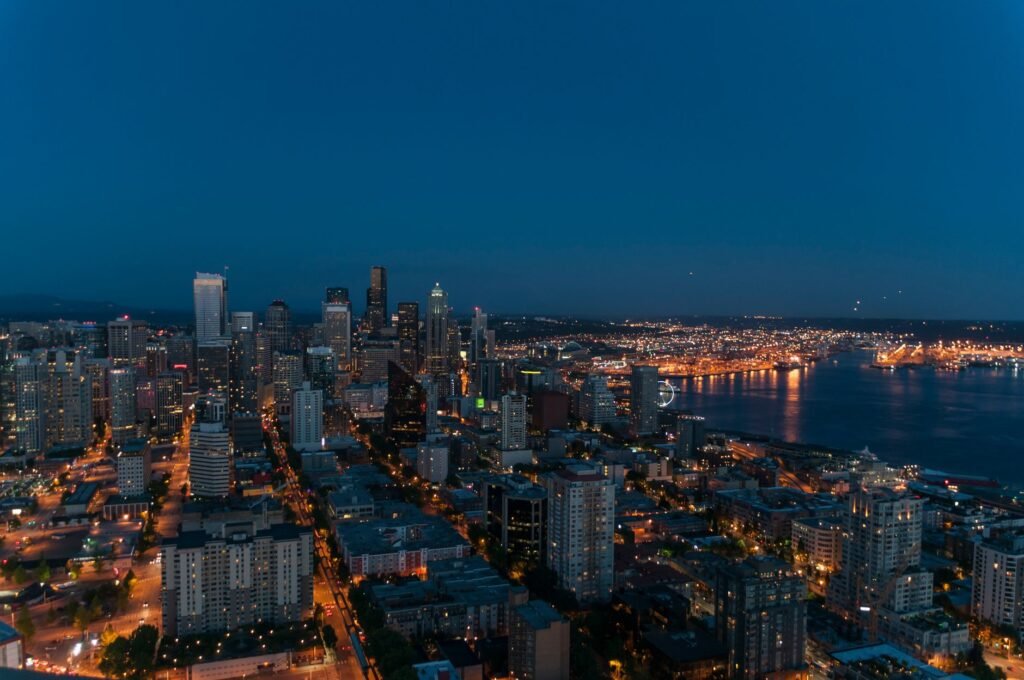
The best views in Seattle come from a few specific perches that beat out the rest for sheer scale and clarity. You’ll find them clustered around the water and high ground. Most visitors miss at least half of them. That’s partly because Seattle isn’t famous for viewpoints the way San Francisco or Denver are. But the ones that exist here are genuine. On a clear day, you get mountains, water, and the city skyline all at once.
Kerry Park Overlook
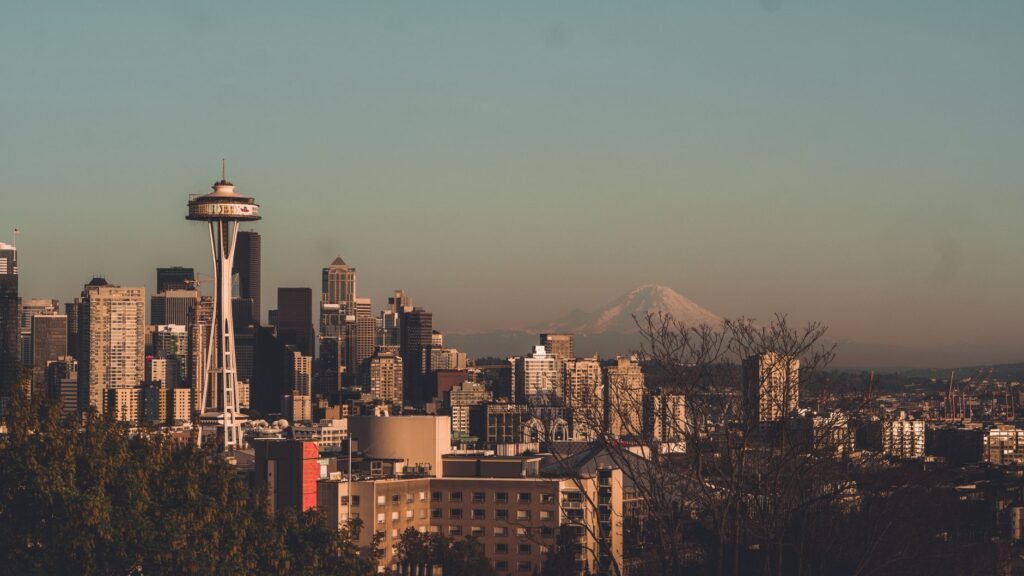
This viewpoint sits in the Magnolia neighborhood just north of downtown. It’s tiny and free and produces ninety percent of the postcard photos of Seattle. Your phone camera will do fine here. You don’t need a tripod or fancy gear.
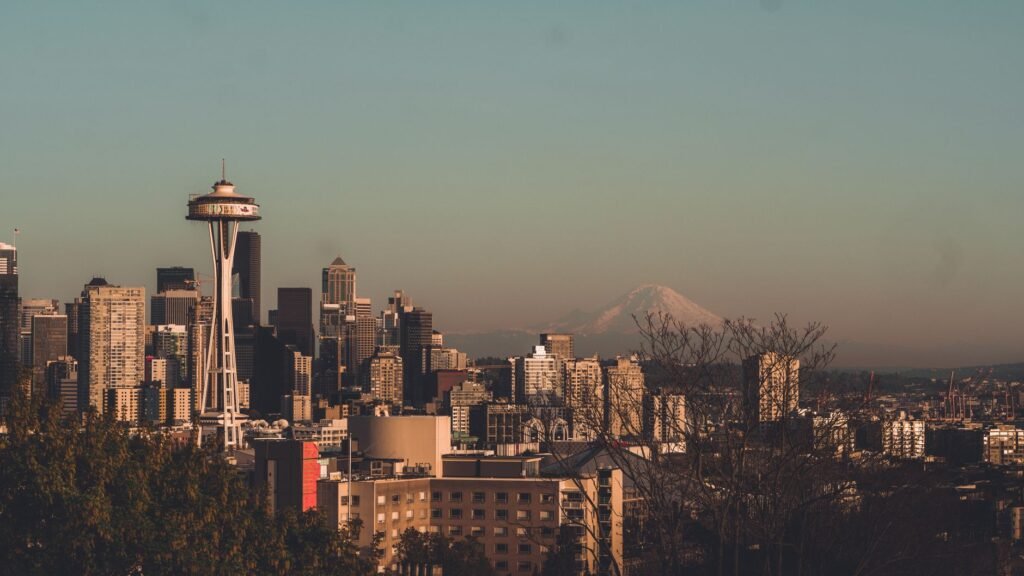
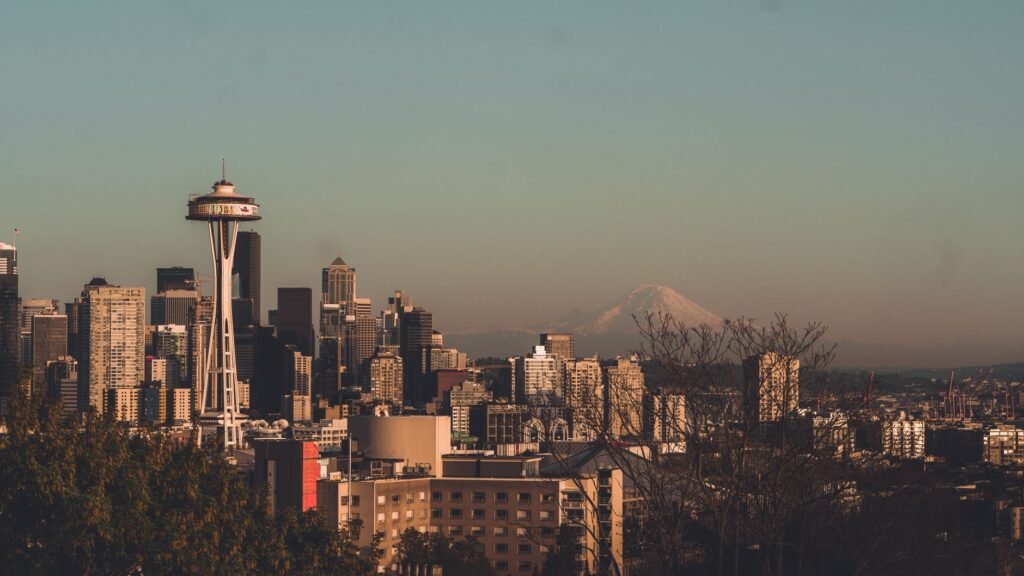
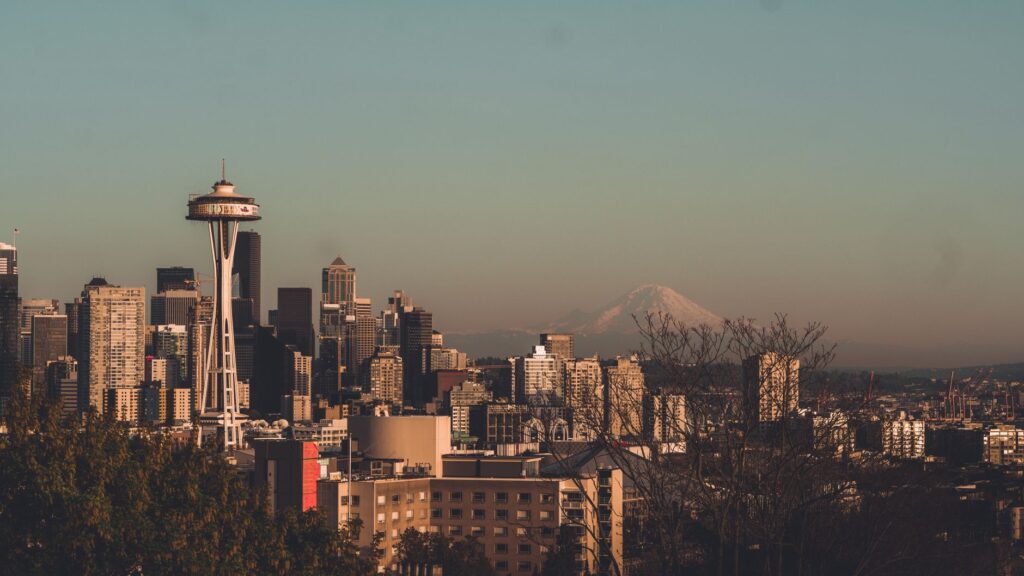
The view stretches across Elliott Bay to downtown. Behind the skyscrapers, the Cascade Mountains rise as a backdrop. The Space Needle sits front and center. You can also see Mount Rainier on clear days. Those days are less common than you’d think. Rain and cloud cover are the default condition here. Even on drizzly mornings, though, the composition is strong.
Here’s the practical part. The parking lot fills fast on weekends. Arrive before 10 am if you’re going on Saturday or Sunday. Weekday afternoons are calm. The overlook is a flat paved area. No hiking required. Bring a light jacket even when it feels warm downtown. Wind comes off the bay and makes it cold.
The real value of Kerry Park isn’t solitude. It’s that the city reveals itself clearly from one angle. You understand the geography in ten minutes. Every first-time visitor should come here once. Don’t stay long. Take your photos and leave. The crowds rotate constantly.
Read more: What to Do in West Seattle: A Complete Local Guide
Space Needle
The Space Needle offers the most literal “best view” because you’re looking down at everything. The structure rose for the 1962 World’s Fair. It’s still the tallest building in Seattle. Nothing has knocked it off that perch. The elevator ride takes forty-one seconds to reach the top.
What you see from up there shifts constantly with the light. Morning sun hits the water and makes it shine. Afternoon clouds can roll in and erase the mountains. Late afternoon often brings the clearest visibility of the day. That’s when you book if you can plan ahead.
The observation deck is outdoor and glass-enclosed. You can walk the full circle. The rotating restaurant below does slow rotations if you want to eat lunch or dinner. Restaurants up there cost more than ground level. The food is decent but not special. Most people come for the view, not the meal.
Tickets run about $28 to $33 depending on the time you book. Morning slots cost less than afternoon. Crowds are heaviest between noon and 4 pm. Go early or late if you want breathing room. The views are worth the expense and the wait. Plan for about ninety minutes total including the line and the time on top.
The Space Needle is essential. It’s also crowded and pricey. Most visitors come anyway. That should tell you something about the payoff. If you’re only going to one paid viewpoint in Seattle, this is it.
Alki Beach and the Waterfront
The beach at Alki sits across Elliott Bay from downtown. You can see the whole skyline reflected in the water when the angle is right. The view here is less dramatic than from Kerry Park. But it’s the view with the most breathing room.
Alki is a neighborhood, not just a beach. The walk runs about two miles along the shore. You can do the whole thing in under an hour. Bring a sweater. The sound keeps things cool even on warm days.
The beach itself has rough sand and plenty of driftwood. Swimming happens here in summer, though the water is cold. Most people walk. Some sit in the parks along the shore. The restaurants and cafes cluster at the street side, not on the water. That keeps the beach itself quieter than you’d expect in a city.
For photos, the late afternoon light from this direction is strongest. You’re shooting east toward downtown. The sun comes from behind you. That means the buildings light up. On clear days, you get Mount Rainier rising behind the city. That shot takes patience but it’s worth it.
To get there, drive west from downtown across the Ballard Bridge. Follow the signs for Alki Avenue. The neighborhood is easy to navigate. Parking is street parking. It’s free but limited. Get there early or accept a five-minute walk from a side street. The whole trip from downtown takes about fifteen minutes with traffic.
Alki works best as a solo trip or a pairing with something else in the neighborhood. The Ballard district is a short drive away. Good restaurants and breweries cluster there. You could do a beach walk at Alki, then grab dinner in Ballard.
Mount Rainier National Park
This requires a drive but it’s worth the time. Mount Rainier rises to 14,411 feet about seventy miles south of Seattle. On clear days, you can see it from downtown. In person, it’s overwhelming. The scale of it humbles you.
The park has multiple entrances. The Nisqually entrance is the closest and most popular. The drive from Seattle takes about ninety minutes in light traffic. Add another thirty to forty minutes if you’re traveling midday. The park entrance fee is $30 per vehicle. That’s good for seven days.
The Paradise area sits high on the mountain’s south slope. The road up winds through old-growth forest. When you reach the visitor center at 5,400 feet, the view opens up. The peak towers directly above you. On a clear day, the contrast between green forest and white snow is stark.
Several short walks leave from the visitor center. The Skyline Trail climbs about two miles. It’s steep and gains 1,600 feet. Most people skip it and do the shorter walks instead. The Trails of the Shadows loop is easy and gives you the sense of the alpine environment. It takes about an hour.
The weather changes fast up there. Bring layers even if it’s warm in Seattle. Afternoon storms roll in often. Plan to visit in the morning and leave by midafternoon. One clear day in the park beats three cloudy days anywhere else in Washington.
If the time commitment is too large, you can get a respectable view of Mount Rainier from the Snoqualmie Pass area on the way to the park. The drive takes half as long. The mountain view is less dramatic. But it’s something. Most people do the full drive if they’re coming from Seattle.
Read more: Seattle to Leavenworth Drive
Capitol Hill and the Neighborhood Overlooks
Capitol Hill is the opposite of an official viewpoint. It’s a neighborhood with bars, cafes, and dense housing. But the highest parts of it look out over water and toward the Cascade Mountains. These views feel like local secrets because they’re scattered and unmarked.
The Seattle Park and Recreation department manages green spaces throughout the hill. Some of them sit on ridges. Walk up Pike Street from the market area. Keep going past the main commercial district. You’ll reach blocks with smaller parks and quiet streets. The views open up gradually.
The actual best overlook situation here isn’t crowded because there’s no formal parking area. Most visitors end up finding it by accident. You get a better view of the water and the city grid from these spots. The light feels different here than from the major viewpoints. It’s softer and more personal.
Spend an afternoon walking the Capitol Hill streets. Stop when you see a view. The neighborhood rewards wandering more than most parts of the city. The restaurants and coffee shops are genuinely good. The people-watching is strong. You’re doing this as much for the neighborhood as for the views.
Smith Tower and Pioneer Square
Smith Tower opened in 1914. It’s an office building with a public observation deck on the thirty-fifth floor. The ride up takes you through the building’s history. The views stretch across the sound toward the Olympic Mountains.
The deck is small and feels intimate compared to the Space Needle. There are more ornate details and fewer crowds. The ticket is about $15 to $20. That’s half the cost of the Space Needle. Most people skip it. That’s actually a mistake.
The view from here encompasses the waterfront in a way the Space Needle doesn’t. You can see into the shipping terminals. You can trace the ferry traffic. The urban geography makes more sense from this angle. The light and angle hit better in late afternoon.
Pioneer Square sits below the tower. This is the oldest neighborhood in Seattle. It’s also the one with the most character. Cobblestone streets. Red brick buildings. Good bookstores and restaurants. You can do the Smith Tower and then spend a couple of hours exploring the neighborhood. That’s a better use of your time than doing Smith Tower alone.
Read more: Unique Places to Stay in Seattle: Cool Hotels
Getting the Timing Right
The difference between a good view and a great view often light and weather. Clouds clear most often in early morning and late afternoon. The views are sharpest then. Midday is bright but flat. Early morning and evening have more color.
If you’re visiting in winter, accept that clear days are rare. Plan to spend time at whatever viewpoint offers the best weather that day. Check the forecast. Move toward whatever part of the city has the best conditions.
Here’s what most people get wrong. They show up at Kerry Park at noon on a Saturday expecting solitude. Then they complain about crowds. The same people wonder why they can’t see Mount Rainier. It was cloudy at noon. It clears at 4 pm.
The smart move is to check the weather before you go. If there’s any chance of clearing, time your visit for late afternoon. Bring layers and a windbreaker. Don’t expect dramatic light and perfect conditions. When you get them, that’s a bonus.
The Real Secret
The best views in Seattle aren’t technically hidden. They’re just not all concentrated in one zone. You have to move around. You have to go at the right time. Most visitors don’t. They go to Kerry Park mid-afternoon on a Saturday and declare the views mediocre. That’s user error, not a problem with Seattle.
The city rewards patience and slightly weird timing. Go on a Tuesday afternoon. Go at 7 am. Go at 5 pm when most people are eating dinner. The same spots look different and feel different when you’re alone. That’s when Seattle’s geography reveals itself. That’s when the mountains feel real instead of like a backdrop. That’s when you understand why people live here despite the rain.
Reference: Seattle