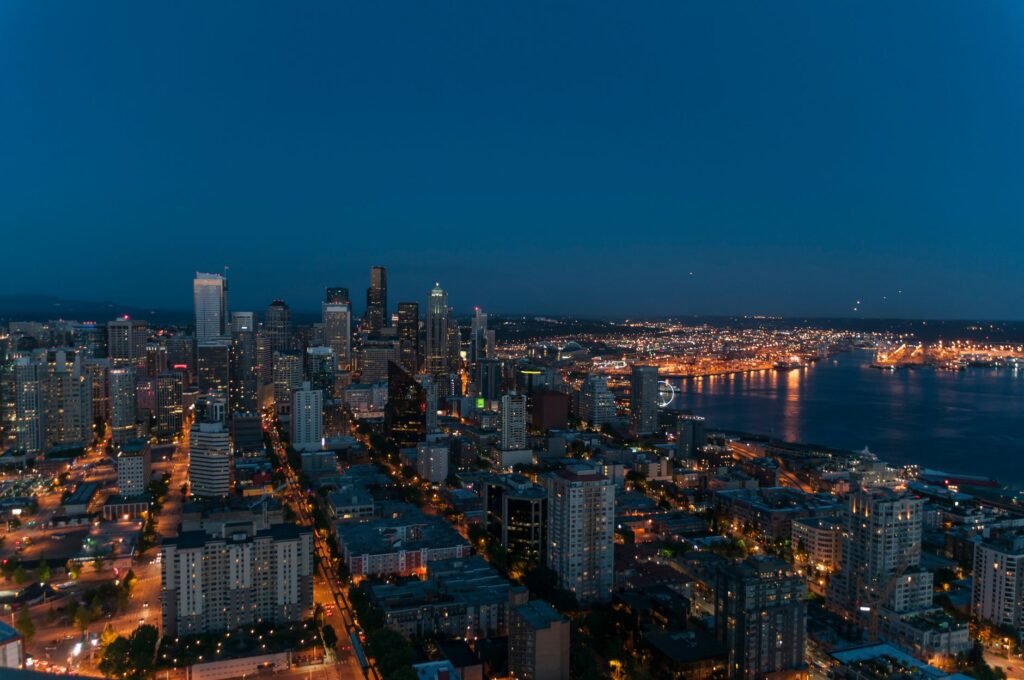
The best camping near Seattle sits within an hour’s drive. You get mountain views, lake access, and real solitude without the traffic of the city. Most people assume camping near Seattle means fighting crowds at state parks. That’s partly true. But if you know where to look, you find quiet sites where you pitch a tent and actually relax.
The Case for Camping Close to Seattle
Driving three or four hours to find a campground defeats the purpose. You lose half a day to the road. Seattle sits in prime territory for weekend trips. The Cascade Mountains rise just east. Salt water wraps around the city on two sides. Alpine lakes sit between. You can be at a good site in fifty minutes.
The season here runs from late spring through early fall. Weather swings fast. Pack layers. A sunny afternoon turns cloudy by dinner. Rain comes without warning but rarely lasts long. Summer nights drop into the 50s even when days hit 75. That matters when you’re sleeping in a tent. Bring a sleeping bag rated for 40 degrees, not 65.
Most campgrounds fill on weekends. Book ahead. If you show up Friday expecting to find a spot, you’ll drive home empty. Weekday camping is the secret move. Same sites, fewer people, easier parking. You pay the same price for a quieter trip.
Mount Rainier Area Camping
The Rainier region offers serious scenery and real hiking within striking distance. This is where many Seattle residents pitch their tents. Trails range from two-mile loops to all-day climbs. The campgrounds vary too. Some sit at low elevation near the road. Others climb higher into the forest.
Sunshine Point sits on the southwest side of Mount Rainier National Park. It’s the easiest camp to reach from Seattle, about ninety minutes away. The Nisqually River runs past the sites. You wake to the sound of water. Elevation sits around 1,900 feet. Days stay warm. Nights still cool down enough to need a proper bag.
Ohanapecosh lies on the opposite side, near the park’s southeast entrance. The drive takes two hours. The reward is a camp built in old growth forest. The White River runs through. Tall firs shade every site. It feels less crowded than Sunshine Point, though both fill fast on weekends. Elevation hits 1,900 feet here too.
Paradise and White River climb higher. They sit closer to the mountain itself. Paradise reaches 5,400 feet. The views justify the drive. These camps open later in the season. Snow lingers. Some years they don’t open until July. Call ahead. Don’t assume they’re available just because it’s summer.
A few specifics matter for Rainier camping:
- All sites are first come, first served or reserved months ahead.
- No hookups anywhere. Water and pit toilets only.
- Cell service is spotty to nonexistent.
- Campfires are allowed in fire rings at developed sites.
- Park entrance fees are separate from camp fees.
Why go to Rainier instead of closer spots? The hiking is unmatched. Trails here climb into alpine meadows. August brings wildflowers. You see the peak from camp at Sunshine Point. That alone changes the trip. The downside is crowds. Weekends bring serious traffic. The park entrance fills to capacity by midmorning on summer Saturdays.
Also read: best hikes near seattle
The North Cascades Highway
Highway 20 runs east from Seattle through some of the most dramatic scenery in the state. The drive itself is the point. You climb from sea level to high passes. Glaciers sit visible from pullouts. The road opens only during summer and early fall. Winter snow closes it for months.
Marblemount sits near the western start. It’s barely an hour from the city. Marble Fork Campground puts you at the foot of the high peaks. The access is straightforward. Trails fan out from the camp. The North Fork Nooksack River runs cold and clear. Fishing is good if that appeals to you.
Concrete sits another thirty minutes up the road. It’s a real town with restaurants and a grocery store. That matters if your group forgot supplies. Nearby camps include Concrete RV Park, which takes tents despite the name. It sits on the Skagit River.
Diablo Lake appears after you climb higher. The color stops you. It’s turquoise, almost unreal. The hue comes from glacial silt suspended in the water. Colonial Creek Campground sits right there. Tent sites occupy the lower loop. The lake is cold. Swimming happens but it’s not relaxing. The views from camp are world class. You pitch your tent and the mountains surround you completely.
North Cascades National Park itself has limited camping. Newhalem lies just outside the park boundary. It’s a good base for hiking into the park. The Picket Range hikes start from here. Elevation is low enough that early season camping works. By August the place fills completely. Go in late May or early June if you can.
What makes Highway 20 special is the drive itself. You’re not camping at a destination. You’re camping as part of a driving route. Spend two nights and explore. You’ll see more scenery than most people see in a week. Stop at pullouts. Take short walks. The road climbs 4,000 feet in places. The landscape shifts constantly.
The San Juan Islands Approach
Water access changes everything about a camping trip. Ferries to the islands leave from Anacortes, about ninety minutes north. You can drive there, camp for a night, then ferry out. Or camp on an island and take the boat back.
Spencer Spit State Park sits on Lopez Island. The camp has only ten sites. It fills instantly on weekends. You reach it by ferry. That limits traffic. The beach here is dark sand and smooth rock. Salt water sits in your reach. You can kayak from camp. Sea otters appear often. Eagles too.
San Juan Island itself has fewer camping options. The island is wealthy and residential. Camping here feels like an intrusion, honestly. But it exists if you want to be there. The ferries take you to Friday Harbor. Food is good. The scenery is striking. Orcas Island sits between Lopez and San Juan. Camping is minimal. The island is better for a day trip than an overnight.
Ferry camping is different from mountain camping. The pace slows. You rely on schedules. The water is cold. Summer air warms during the day but the nights are brisk. Bring a sweater. Expect to see more birds and marine life than you would in the mountains. The silence is deeper. No traffic noise. No engines except the ferry.
Costs run higher here. Ferry fees plus camp fees plus eating out. Budget more than you would for a mountain trip. But the memory sticks different. You sleep to the sound of water. You wake to salt air. That matters.
Lake Camping Close In
Not every trip needs mountains or island ferries. Good lakes sit near the city itself. These camps fill fastest. The drive is short. The access is easy. That’s exactly why they pack out on weekends.
Lake Sammamish State Park sits just east of Seattle. The lake is warm enough to swim. The park has a swimming area with a lifeguard. Camping is basic. The sites sit close together. It’s good for families with young kids. Expect crowds. Go on a weekday or skip it.
Rattlesnake Lake near North Bend sits about an hour from downtown. The water is cold but clear. Hiking loops the lake. The walk takes about two hours. The sites are better spaced than Sammamish. The crowd is smaller but still real.
Green Lake sits inside the city itself. You can camp at certain spots but it’s really a day-trip lake. The beaches are sandy. The park is clean. But it’s not the full camping experience. Save it for morning swims before you drive to a real site.
Lake Union has minimal camping. Avoid it. The noise from seaplanes and boats ruins the point.
What to Pack and Know Before You Go
Seattle area camping is not high alpine climbing. You don’t need technical gear. But you do need the right stuff. The weather here is unpredictable. Rain can come anytime. Wind picks up fast near water or high elevations.
Bring these essentials:
- A sleeping bag rated for 40 degrees minimum.
- Layers including a fleece and a waterproof jacket.
- Good tent that handles wind and rain.
- Sleeping pad for insulation and comfort.
- Headlamp or flashlight.
- Water bottles or a hydration system.
- First aid kit and any personal medications.
- Camp stove if fires are not allowed.
- Firewood if fires are permitted and you want them.
Food planning matters. Most sites have no power. Bring coolers with ice. Plan meals that don’t require much cooking. Breakfast burritos wrapped in foil heat over a fire. One-pot pasta dinners work. Skip anything that needs precise temperature control. Assume wildlife exists. Bears are rare but present at higher elevations. Always store food properly. Hang it or use bear boxes if provided. Never leave anything out.
Water at camps varies. Some have spigots. Others have creek access only. Filter or treat any natural water. A lightweight pump filter costs thirty dollars and weighs almost nothing. Giardia is real. Trust the filter.
Cell service is unreliable to absent. That’s a feature, not a bug. If you need constant connection, stay home. If you want a break from screens, this is perfect. Tell someone where you’re going. Give them expected return time. Do it for safety, not paranoia.
Getting the Timing Right
Spring camping works if you know the risks. Snow still lingers at higher elevations. Roads close without warning. Call parks before you go. Mud is everywhere. Your tent floor will be damp. But bugs are minimal. The crowds are small.
Summer is obvious. June and July are peak. July is warmest. August stays warm but rain increases slightly. Book everything early. Sites fill three months ahead for popular spots.
Fall is underrated. September is often clear and warm. The lakes are swimmable if barely. Most people have gone back to school and work. You find sites empty. The first week of October can be perfect. After that, rain becomes serious. Tent camping stops making sense. Snow threatens higher elevations.
Winter is for people with specialized gear. Stick to spring through fall unless you know what you’re doing.
Weekday camping solves the crowding problem entirely. Leave Thursday instead of Friday. You have your pick of sites. Fewer neighbors. Same price. This is not difficult math. Do it.
Also read: places to visit near seattle in winter
Final Thoughts on Choosing Your Spot
The best camping near Seattle depends on what you want to do. If you hike hard, pick Rainier or the Cascades. If you want water access and peace, go to the islands or a quiet lake. If you have limited time and a family with young kids, Sammamish or Rattlesnake works fine.
The mistake is treating it like a chore. Pick one spot. Go there for two nights. Hike one good trail. Cook one decent meal over a fire. Sleep under the stars. That’s the whole point. You don’t need to hit five parks in one trip. You don’t need perfect weather. You just need to be outside, away from the phone, and off the couch.
Reference: National Park Service – Mount Rainier