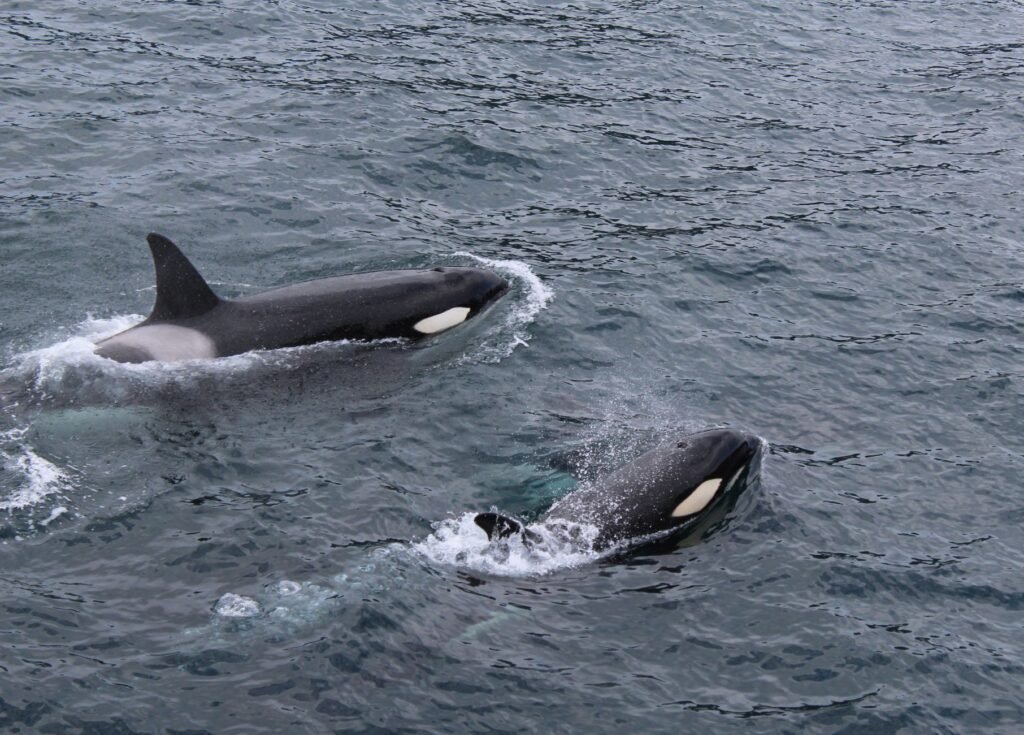
The best time to see orcas in Seattle is June through September. Summer months deliver reliable sightings, calm water, and warm days. Winter trips are possible but chancy. You chase whales on rough seas and gray skies. Save yourself the trouble and plan for summer.
I’ve spent more time on whale-watching boats in Puget Sound than I care to admit. The experience taught me one thing fast: timing matters as much as the tour operator you pick. Book in the right season, and you’ll spot orcas. Book in the wrong one, and you’ll spend six hours on a cold deck watching seagulls. The difference between a trip you remember and money wasted is often just three months.
When Orcas Show Up in Seattle Waters
The orca population around Seattle depends on salmon runs. These whales eat almost nothing but Chinook salmon. When the fish are plentiful, the whales stick around. When salmon disappear, so do the orcas.
This salmon cycle shapes the entire whale-watching season. June is when things heat up. The first pods start moving through Puget Sound. By July and August, sightings hit their peak. September stays strong but begins to taper off. October becomes a gamble. You might see whales, but you might not. The odds drop enough that most operators cut their trips back.
Spring is quieter than summer. May sightings happen but feel like a bonus. Winter orca activity exists, but it’s sparse and unpredictable. The Salish Sea gets dark, cold, and rough. Boats are smaller in the off-season. Visibility is poor. Veteran captains will tell you straight: if you’re coming from out of state and paying for a tour, save the winter trip for locals willing to take a real chance.
That said, if you happen to be in Seattle during March or April for other reasons, a morning boat ride is still worth the risk. You might catch a resident pod. The water is quieter then. Fewer tourists clog the boats. But budget your expectations down. Count yourself lucky if you see anything at all.
Also read: best skiing snowboarding near seattle resorts
What Makes a Difference on the Water
Different boats mean different experiences. This matters more than people think.
Small inflatable boats are fast. They hold about 50 passengers. Speed lets them chase distant pod sightings. Sound carries across the water in these boats. You hear engines constantly. The ride bounces in any swell. Kids under a certain age often aren’t allowed. If you get motion sickness, these boats will test your limits.
Larger vessels carry 100 to 150 people. They’re slower and more stable. You won’t feel every wave the way you do on inflatables. Cabins provide shelter and warmth. Heat and food are available. The trade-off is less maneuverability. If whales are far away, you might see them through binoculars instead of up close. For older passengers or families with young kids, these boats are the better call.
Tour length varies. Most trips run four to six hours. Longer tours cost more but cover more water. If a sighting seems unlikely from the dock, captains will push deeper into the sound to find pods. Shorter trips keep things local. They’re cheaper and still solid options when the odds look good.
Top Tour Operators That Deliver
You need to pick an operator. The choice shapes everything that happens next.
Island Adventures runs boats out of Anacortes, about 70 miles north of downtown Seattle. The town sits closer to the main whale corridors. This geography matters. Anacortes-based tours spend less travel time and more time in prime habitat. I’ve taken three trips with them. All three produced sightings. Their boats are newer. Cabins are clean. Food is decent for a boat setting. Expect to pay around $150 per person for a full-day tour.
San Juan Safaris operates similar routes from Anacortes. Their reputation is solid. Captains here are aggressive about finding whales. That’s not always good. It means longer days and more chasing. You’ll feel the boat’s power. Coffee on the deck at 6 am as the engine roars to life. That moment alone is worth the trip, even if whales stay hidden.
Alaskan Dream Cruises runs tours from Seattle’s waterfront. No drive to Anacortes needed. Everything starts and ends downtown. For visitors staying in the city, the convenience is real. The trade-off is less water coverage. You’re further from the core orca range. Sightings still happen, but less often. The boats are comfortable. The downtown location makes logistics easy. Choose this option if you don’t want to rent a car or drive an hour north.
Seattle Whale Tours also departs from the downtown waterfront. Their boats are newer. Staff are friendly and knowledgeable. Tours run four hours instead of eight. That’s a pro if you want to fit other activities into your day. It’s a con if you prefer a deeper dive into the sound. Prices run lower than longer tours. A half-day trip costs around $100 per person.
Book directly with the operator if you can. Third-party booking sites take a cut. They add middleman complications if something goes wrong. Check the latest trip reports before you reserve. Weather cancellations happen. Know the refund policy. Most operators offer full refunds or date changes if seas are too rough or sightings look impossible.
Also read: unique places to stay in seattle cool hotels
What to Pack and Prepare
The sun feels warmer in summer. The air still carries chill. Water temps hover around 50 degrees Fahrenheit.
Bring layers. A waterproof jacket is non-negotiable. Waterproof means actual rain gear, not a fleece jacket that sheds water. Jeans get cold when wet. Bring pants that dry fast or wear shorts if the weather is warm enough. Socks matter. Thick wool socks beat cotton. Your feet sit still on the boat. Cold feet make the whole trip miserable.
Sunscreen is essential. Reflection off the water intensifies sun exposure. You burn faster on a boat than on land. Bring at least 30 SPF. Reapply every two hours if you’re outside the whole time. A hat keeps sun off your head and eyes. Binoculars help when whales are distant. Bring good ones. Cheap binoculars make distant objects blurry and small. A phone with camera capability works for basic photos. Expect most whale shots to be distant anyway. Professional photography gear is overkill for vacation trips.
Seasickness medication is smart insurance. Ginger chews, patches, or pills all have fans. Try what you’ve used before if you know you’re susceptible. Eat a light breakfast before boarding. Hunger makes nausea worse. Avoid greasy food right before departure. Sit amidships on the boat if motion sickness is a real concern. That’s where you feel the least movement.
Making the Most of Your Time in Seattle
Whale watching shouldn’t consume your entire Seattle visit. Plan it as one piece of a larger trip.
Pike Place Market is worth a morning. The smell of fish and coffee near the vendor stalls at 7 am tells about the city’s relationship with the water. Grab coffee. Watch the fishmongers work. Buy fresh berries for your hotel room. The experience takes two hours. Budget for it the day before or after your boat tour.
The Space Needle is overrated but worth one visit. Crowds are worst midday. Go early morning or late afternoon. The view clarifies Seattle’s geography. You’ll see the water, the mountains, the city grid. That context makes everything else easier to navigate. Skip it on your first trip if you’re short on time.
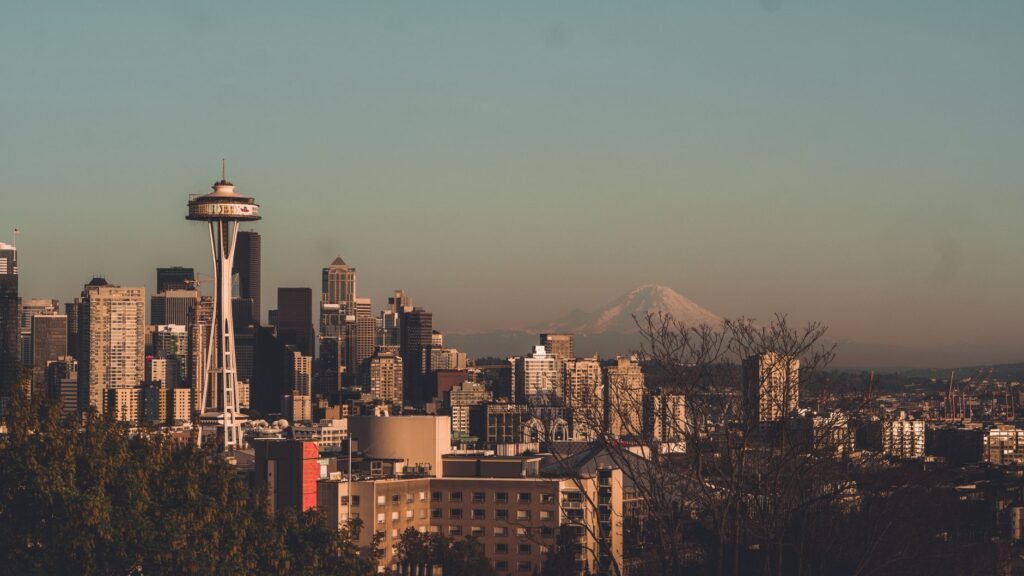
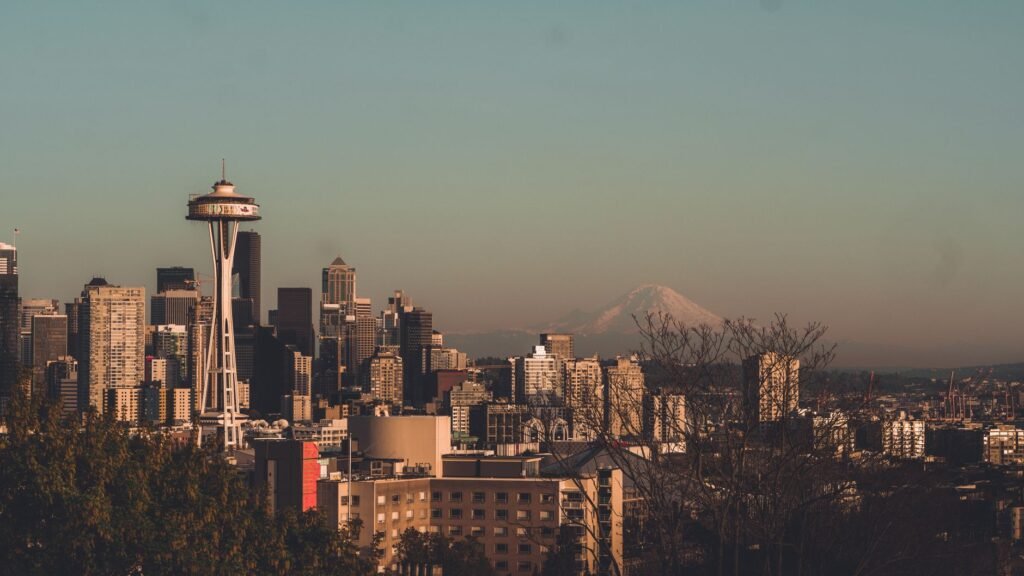
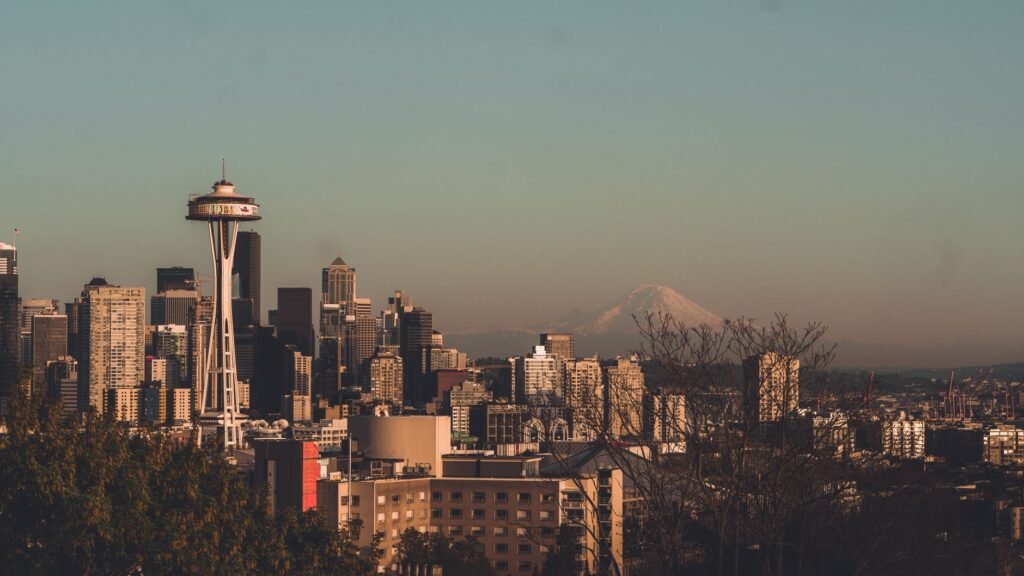
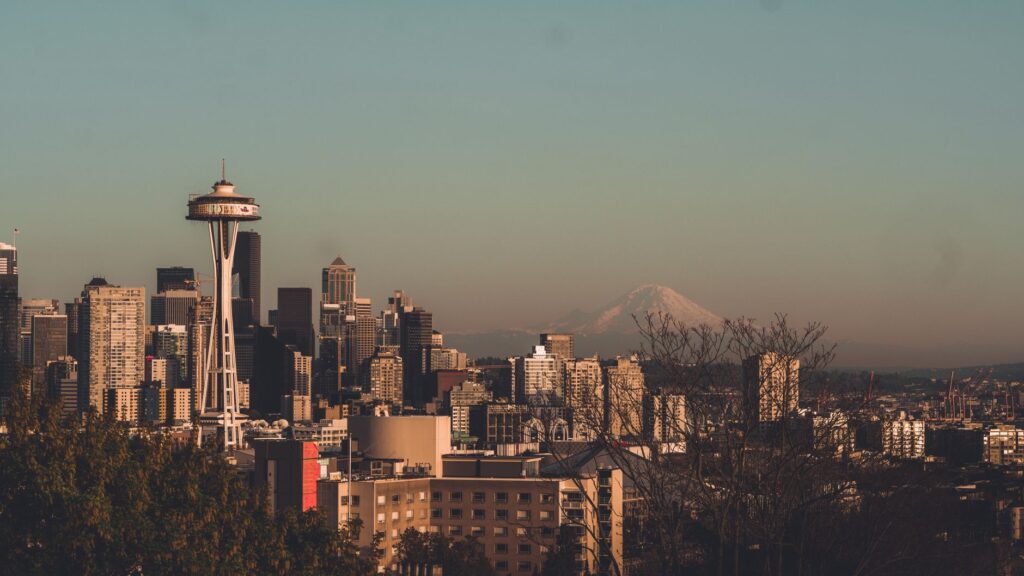
Kerry Park viewpoint is free and less crowded. The view from this hilltop neighborhood spot beats the Space Needle for pure striking power. Sunset is the obvious time. Bring a jacket. Plan to stay 45 minutes. The photo alone justifies the detour.
Museum of Flight is world-class. Spend two to three hours here if aviation interests you. Skip it if you don’t care about planes. The collection is massive. Quality matters more than quantity.
Seattle’s waterfront has been rebuilt in recent years. Walk from Pike Place to the aquarium. The path is easy and the views are good. Stop at one of the coffee shops along the way. Seattle’s coffee culture is real. It tastes better here than anywhere else you’ll go. That’s not hype. It’s actual fact rooted in decades of obsession with beans and roasting.
Also read: what to do in west seattle a complete local guide
When Bad Weather Ruins Everything
Summer storms blow through without warning. Captain cancels the trip. You’re left with a refund and free time.
Don’t fight it. Bad weather beats good intentions. Rough water means poor sightings and genuine discomfort. Your money goes to another date. Take the day and do something else. Visit a museum. Hike in the foothills outside the city. Eat seafood at a good restaurant. The whale watching will still be there in three days.
Most operators allow date changes without penalty. Some offer full refunds. Check the policy when you book. Weather happens. It’s not a failure. It’s just Seattle.
Skip the Expensive Packages
Some tour companies bundle whale watching with lodging or other activities. The cost premium is high. You pay more and don’t save anything real. Book your hotel separate. Buy your whale tour separate. Book your restaurant reservations on your own. Bundling sounds convenient. In practice, you lose flexibility and spend more money. Keep it simple. Pick a hotel near the waterfront. Walk to the dock. Take the tour. Eat dinner on your own schedule. That’s how smart travelers do it.
The Real Truth About Guarantees
Some operators claim whale sightings are guaranteed. Read the fine print. They mean you get a free ticket for another trip if you don’t see whales. You don’t get your money back. You have to return another day. That works fine if you live in Seattle. It’s useless if you’re flying in from another state. Guarantees look good on paper. Reality is messier. Orcas are wild animals. Nobody can actually guarantee anything. Go in with open eyes. Hope for the best. Accept that some trips deliver empty seas and that’s just how it goes.
Your best bet is still June through September, a trusted operator, and a willingness to leave the dock early. Do that, and you’ll likely see whales. The water will be calm. The air will feel crisp. Your boat will be full of people as excited as you are. That’s a good day. That’s what you came for. Book it.
Reference: Orca