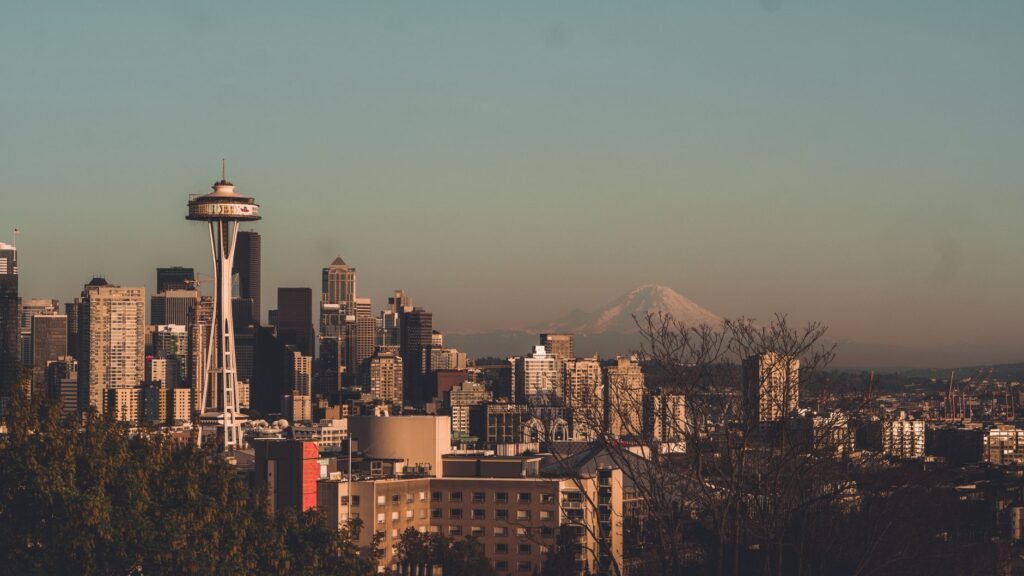
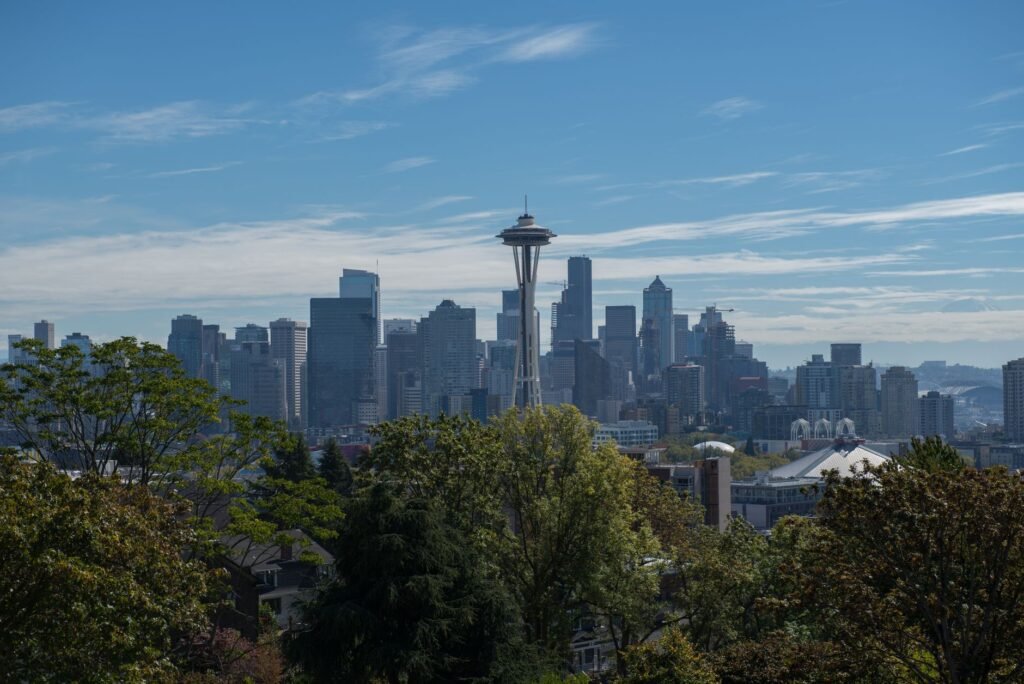
The best things to do in Seattle in September are outdoor festivals, hiking, and Pike Place Market visits. The shoulder season hits perfectly here. Summer crowds thin out. Weather stays mild and mostly dry. You get the city at its best.
September is when locals actually enjoy Seattle again. The rain hasn’t started yet. Temperatures hover around 70 degrees. This is not an accident of timing. It’s the reason Seattle people plan their entire year around these weeks.
Why September Beats Other Months
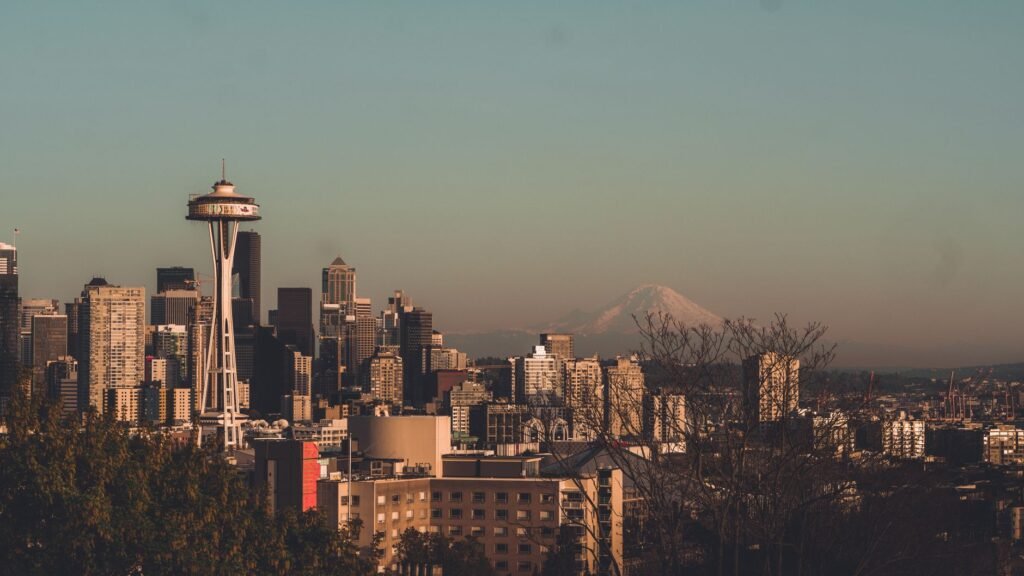
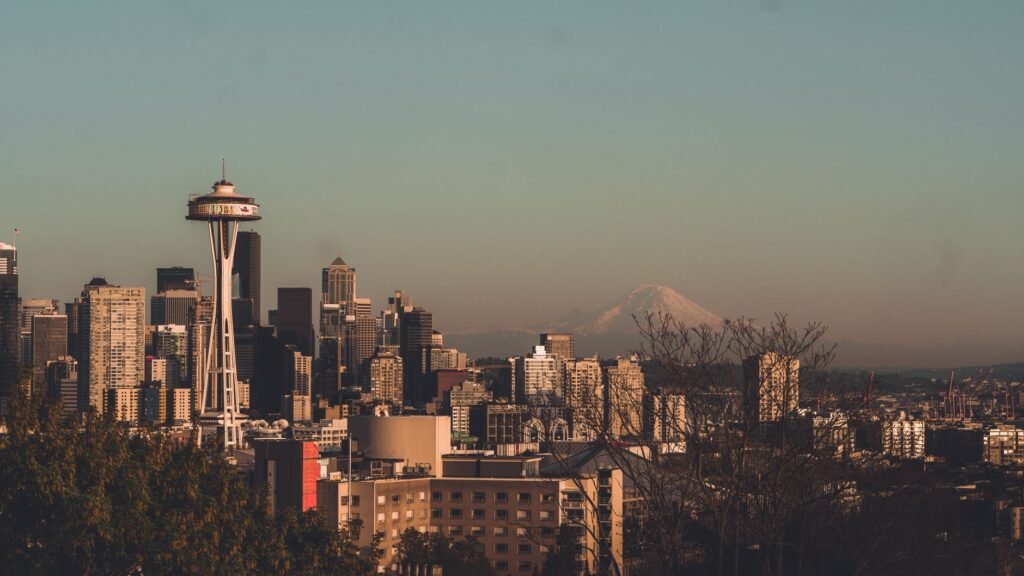
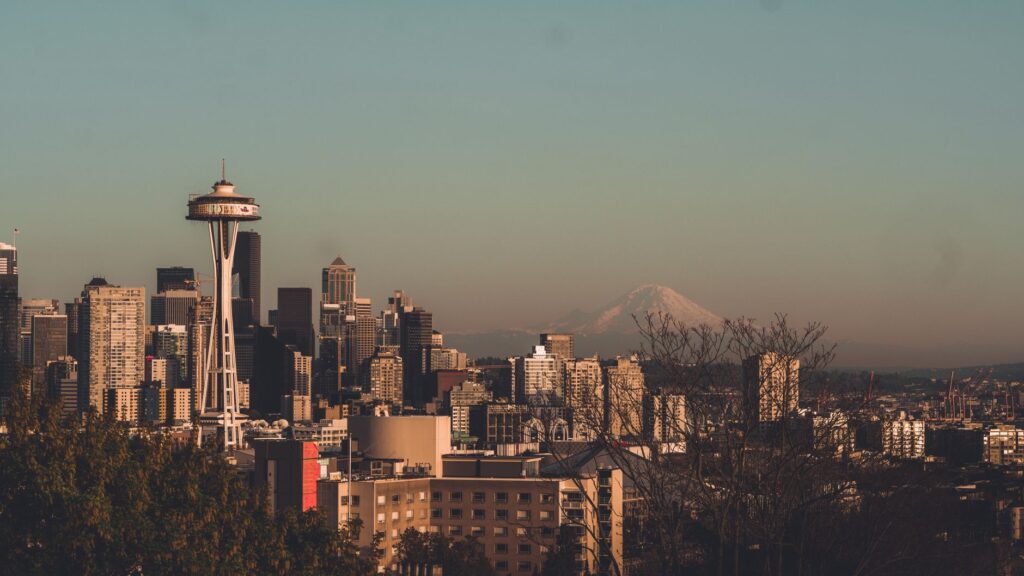
Seattle’s reputation for rain is mostly earned from October onward. September reverses that equation entirely. You’ll see rain maybe two or three days the whole month. That means actual visibility of the mountains. Mount Rainier appears on clear days like a postcard someone placed in front of you. On cloudy days you still get 12 hours of daylight and no soaking.
The shoulder season also means prices drop noticeably from summer peaks. Hotel rooms that cost $180 in July run $120 in early September. Restaurants have tables available without reservations made weeks ahead. Popular hikes don’t require arriving at 7am to find parking.
Tourism hasn’t vanished entirely, which matters for a reason. Many seasonal attractions stay open through September. A month later and half the outdoor vendors shut down for the season. You’re not choosing between crowds and closure. You’re finding the middle ground where the city actually functions like a real place.
Pike Place Market in September
Pike Place Market functions best when you visit in the early morning. Get there around 7am or earlier. The vendors are still setting up. The smell of fish and coffee mingles near the main entrance. You’re not fighting through tour groups yet.
Most people make a single mistake here. They go at midday and assume the market is a tourist trap. It’s crowded at midday, yes. But the market exists for people who live downtown too. Visit early and you see that balance. Fishmongers are actually selling to locals. Restaurant owners are sourcing their day’s produce. The energy feels different entirely.
The market has three distinct levels. The main floor holds the famous fish stalls and produce vendors. Level Below Pike has small shops, bakeries, and a craft beer stand. The top level has more shops and restaurants. Most visitors stay on the main floor and miss what’s up there.
Spend at least two hours here. Budget for this before noon if possible. The best bakeries start running low on stock by 10am.
Also read: what to do in west seattle a complete local guide
Seattle’s Best Hikes Near the City
The Cascades begin about an hour’s drive east of downtown. You can hike serious terrain without committing to an all-day expedition. September trails are dry. Snow has melted from lower elevations. The crowds of summer weekends have thinned noticeably.
Rattlesnake Ledge is often recommended but it’s crowded on weekends. The trail climbs about 1,100 feet over 3.5 miles. The viewpoint is solid. But if you’re willing to drive 90 minutes instead of 45, Snoqualmie Falls and its loop trails offer similar reward with fewer people. The falls themselves run strong in September. Melt water from the mountains keeps them substantial. The surrounding trails have good shade from Douglas fir and cedar. Water is everywhere on these hikes so you don’t need to carry massive amounts.
What makes September hiking work is simple logistics. The passes are open. Parking lots don’t fill at 8am. You can take your time on the trail without feeling rushed.
Here are solid September options near Seattle:
- Mailbox Peak. Six miles round trip. Steep. Views of the Snoqualmie Valley.
- Gold Lake Trail. Five miles round trip. Alpine lake. Less crowded than nearby alternatives.
- Tiger Mountain. Four miles round trip. Forest trail. Great views from the summit tower.
- Rattlesnake Lake. Two miles round trip. Easy. Good bird watching.
- Little Si. Four miles round trip. Popular but doable early morning.
The drive matters more than you’d think. You lose an hour driving. You gain a quieter experience. Early morning hikes mean you’re on the trail by 8am and descending by early afternoon. You’re back in the city for dinner. This is the math that works in September.
Also read: best skiing snowboarding near seattle resorts
Food and Neighborhood Exploration
Seattle’s food scene has real depth but it doesn’t broadcast itself loudly. Capitol Hill is the obvious neighborhood for visitors. It’s walkable. Food is good. Bars are open late. But Ballard is where the actual momentum sits currently. The neighborhood is north of downtown and the Pike Place area. Pike Brewing Company is there. Multiple coffee roasters operate on the same blocks. Food carts cluster near the market. Restaurants open constantly.
Walk down Market Street in Ballard and stop where crowds gather. Order whatever looks good. You’ll eat better than following any guide. The neighborhood changes fast. A restaurant that’s hot this month might not be next month. Going to what’s crowded and open beats researching extensively.
Fremont is another solid choice. It’s quirky. The neighborhood has actual character, not manufactured charm for tourists. The Sunday Market runs year-round and September weather makes it actually pleasant to browse. Street art covers entire buildings. Restaurants range from casual to serious. The neighborhood sits north of Lake Union.
For higher-end dining, Belltown sits between downtown and Queen Anne. This is where chef-driven restaurants cluster. Most require reservations. September is easier than summer for booking.
Food cart pods are a legitimate dining option. They cluster in Ballard, Capitol Hill, and near the stadiums south of downtown. You’ll spend $8 to $14 per meal. Quality varies wildly but the odds of finding something great are good. This is how locals actually eat lunch.
Festivals and Events
September schedules fill with outdoor events that run only this month. The Seattle Fringe Festival runs most of September. Dozens of small theater companies perform. Many shows are outside. Prices are low. Quality is unpredictable but you’re not paying $50 a ticket. Pike Place Market Fest happens early September. Live music. Local food. It’s crowded but it’s a good way to sample what the market offers.
The Capitol Hill Block Party occasionally falls in September depending on the year. It’s a multiday music festival. Bands range from major headliners to local acts. The neighborhood gets cordoned off. Food vendors set up everywhere. Prices are high but it’s a genuine cultural event for Seattle, not just a tourist draw.
Check the Seattle Parks and Recreation calendar before you book your trip. Events shift dates. Knowing what’s happening helps you plan your days around actual activity. Late September sometimes has outdoor symphonies in various parks. These are free. Bring a blanket. Bring wine if that’s legal in the park. Weather is cool enough that sitting for two hours is actually comfortable.
Getting Around Without a Car
You don’t need a car in Seattle. The Center Transit system is straightforward. You can get downtown, Capitol Hill, Ballard, and Fremont without a vehicle. Walking is honest. The city is walkable in chunks. Pike Place Market to Capitol Hill is walkable. Downtown to Pike Place is walkable. But Ballard to Capitol Hill requires a bus or a long walk.
Light rail runs from the airport to downtown and north to the University District. This is efficient. It’s clean. It runs frequently. Most visitors can manage the entire trip using light rail and buses.
Rideshare apps work like they do anywhere. Prices are reasonable in September. Factor in surge pricing during evening rush hour. A trip from downtown to Capitol Hill costs about $8 to $12 depending on time and exact location.
Bikes work if you like hills. Seattle is hillier than most West Coast cities realize. September weather makes biking actually pleasant. Bike share exists if you don’t have your own.
Park your car at your hotel if you drove. Don’t use it for getting around the city. Parking downtown costs $15 to $25 per day. Neighborhoods like Capitol Hill have street parking but finding it eats time. The public transit and walking combination beats driving for a visitor.
Where to Stay
Stay within walking distance of Pike Place Market or downtown if you want central access. Belltown hotels put you between downtown core and neighborhoods. These rooms run about $140 to $200 in September for a solid mid-range place. Parking is included or costs extra. Ask about parking when booking.
Capitol Hill has budget hotels and inns. The neighborhood is young and energetic. If you want quieter, Queen Anne sits west of downtown. It’s residential. It’s older. Traffic moves slower. Hotels are harder to find but they exist. You’re further from main attractions but you get a more authentic feel.
Ballard has become a hospitality hotspot. Hotels opened here in recent years. You’re in a neighborhood where things actually happen. It’s not purely tourist infrastructure. You can walk for dinner and drinks and find good options that have nothing to do with tourism.
Avoid the chains downtown if you can manage it. Independent hotels or smaller chains give you better personality. You’re not paying much more and you stay somewhere that feels like an actual place.
Also read: unique places to stay in seattle cool hotels
Practical September Details
Bring layers. Mornings are cool. Afternoons warm to the high 60s or low 70s. Evenings cool off again. A light jacket and long-sleeve shirt solve this. Rain jackets are overkill in September but a light windbreaker handles occasional cool spells.
Sunscreen matters more than rain gear. The sun is strong even when the air is cool. You can get burned sitting outside on a cool day. UV protection is serious. Reapply after water or after a few hours.
Bring good walking shoes. You will walk between four and eight miles on an active day. Blisters end vacations. Broken-in shoes matter more than style.
Book restaurants in advance if you want something specific. September is still travel season for many people. Major restaurants need reservations three to five days ahead. Small places and casual spots take walk-ins.
Plan your days around neighborhoods rather than individual attractions. Spend a full day in Ballard or Capitol Hill or Fremont. Walk around. Eat. Explore. See what interests you. This beats rushing through a checklist of sites.
Seattle in September delivers exactly what you need. The city works. Crowds are manageable. Weather cooperates. Everything else follows.
Reference: Seattle