
The drive from Miami to Seattle takes about 45 to 48 hours of straight driving. That means three to four days on the road if you want to stay sane and actually enjoy it. No one should be behind the wheel for more than 10 or 12 hours a day on a trip this long.
The total distance is roughly 3,300 miles. You’ll cross through ten states. The route itself is straightforward. You take I-75 north out of Miami into Georgia and Tennessee. Then you pick up I-24 west toward Chattanooga. From there, I-40 takes you all the way to North Carolina and beyond. Eventually you merge onto I-90, which carries you across the country and dumps you right into Seattle. There’s no real mystery to the routing.
Most people don’t realize how much the landscape shifts as you go. You’ll start in the flat, humid subtropical zone around Miami. By the time you reach the Rockies in Colorado or Utah, you’re looking at dry desert and high elevation. The Pacific Northwest has its own character entirely. Trees, rain, mountains that look different from the Appalachians. Plan your trip around these zones, not just the mileage.
Route Overview and Daily Breakdown
The best way to think about this route is in four logical chunks. The first day takes you from Miami to somewhere around Chattanooga or Nashville. That’s about 700 to 750 miles. Stop somewhere in Tennessee and get real sleep. Your body needs it.
Day two covers Tennessee into Missouri or Oklahoma. Another 650 to 700 miles. You’re moving through the lower Midwest now. The landscape starts feeling different. The heat drops. The terrain opens up. Stop somewhere in Oklahoma or Missouri and reset.
Day three gets you into the Plains and toward Colorado. This is roughly 750 miles depending on your exact route. The drive gets monotonous here. Kansas looks the same for hours. That can work in your favor. Less traffic means you can move faster. Just watch your speed. State troopers pay attention out here.
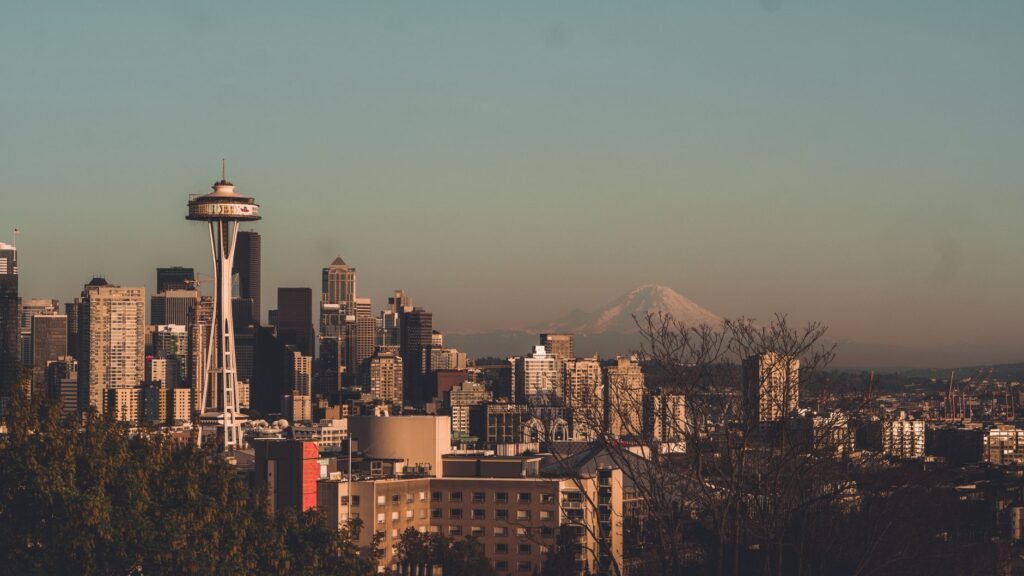
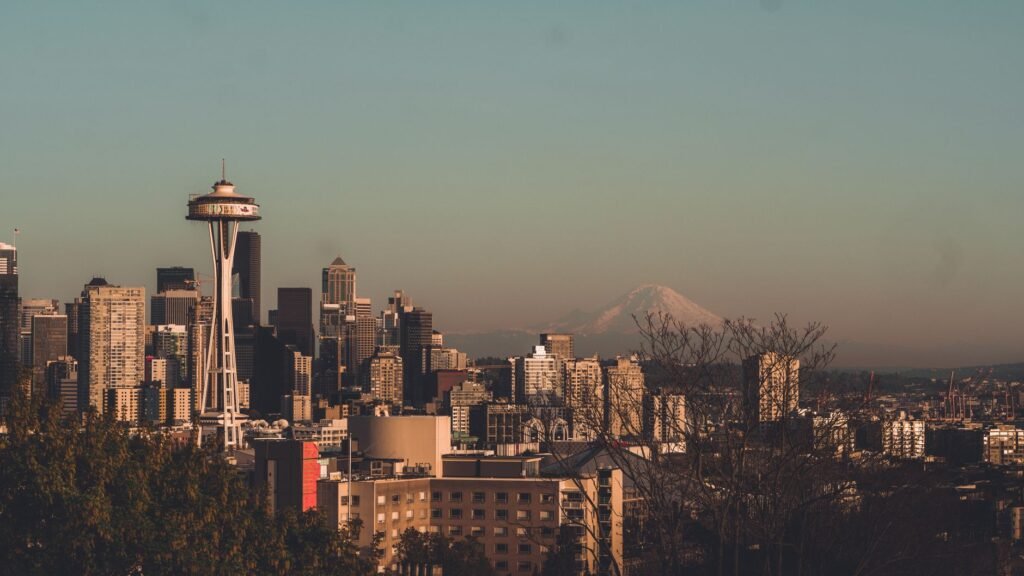
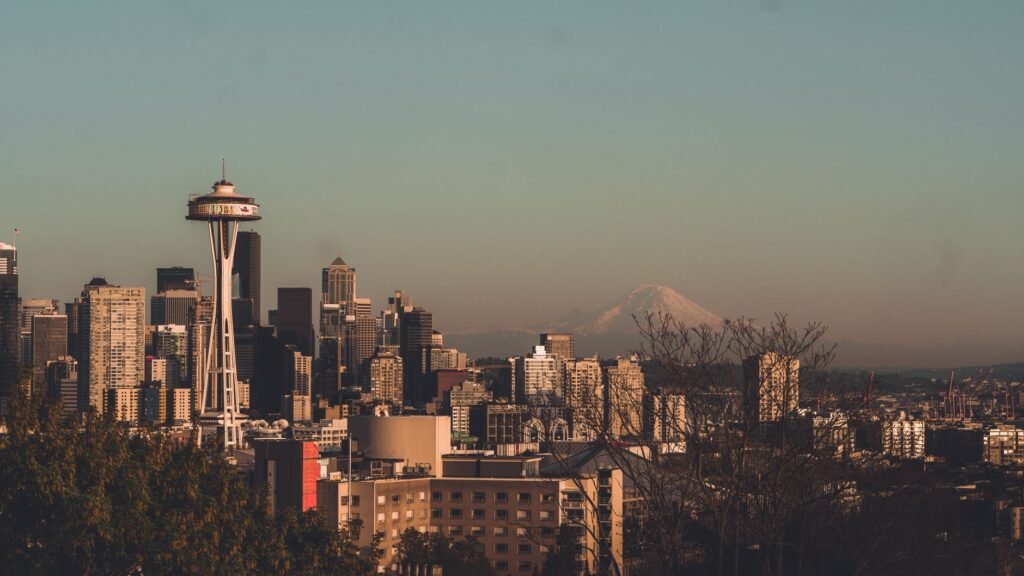
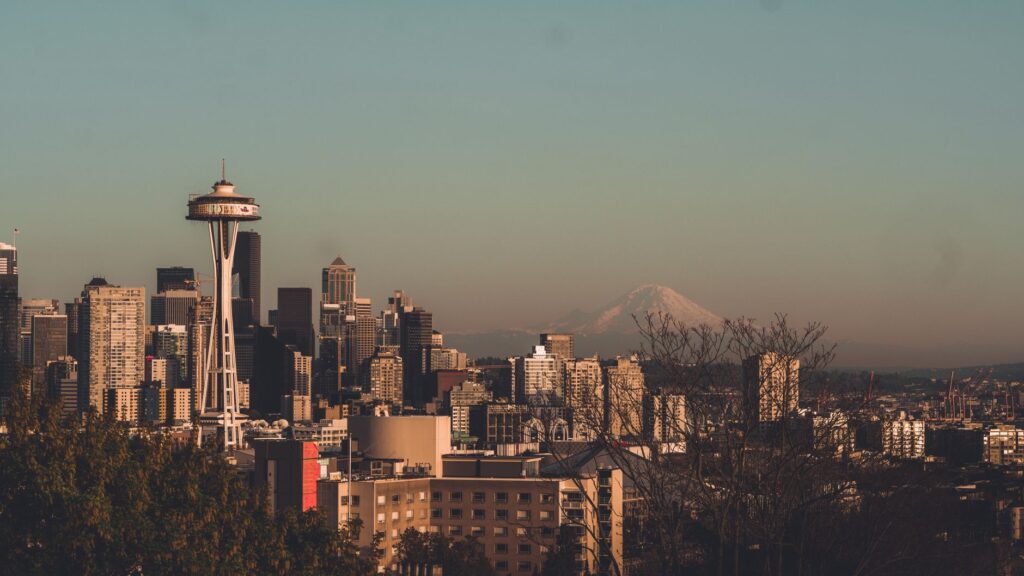
Day four takes you from Colorado into Wyoming, then into Idaho and Washington. This last leg is about 800 to 850 miles. The scenery improves dramatically once you hit the mountains. You’ll see the Cascade Range as you approach Seattle. It makes the final hours feel shorter. Plan to arrive in the late afternoon or early evening.
Where to Stop and Sleep
Picking the right stops makes the difference between a brutal drive and a manageable one. You want towns with decent hotels, real food, and enough space that you don’t feel cramped after hours in the car.
Nashville, Tennessee is a solid first-night stop. You’re about 700 miles out. The city has plenty of rooms across all price ranges. A decent hotel costs 80 to 130 dollars. The food is honest. Grab something hot, walk around a bit to loosen up, and get eight hours of sleep. Don’t try to see the sights. That’s not what this stop is for.
From Nashville, aim for Oklahoma City or the Texas Panhandle on night two. Amarillo, Texas works well. It’s about 700 miles from Nashville. Nothing fancy, but the rooms are cheap and clean. Budget 60 to 90 dollars. Eat at a local diner, not a chain. Your stomach will thank you.
Night three should land you somewhere in Colorado or southern Wyoming. If you’re moving well, aim for Denver. If you’re tired, stop earlier. A place like Limon, Colorado gives you a rest point without the city chaos. Rooms run 70 to 110 dollars. The key is not pushing yourself. You’re not in a race.
The final night could be in Boise, Idaho if you want to break it up. But most people can push from Colorado to Seattle if they leave by 6 or 7am on day four. That’s a long day, around 900 miles. Only do this if you’re well-rested and the weather cooperates. Splitting it means a night in Boise, about 800 miles from Denver, then a short final day into Seattle.
What most people underestimate is fatigue. You feel fine for the first 500 miles. By hour eight, your lower back hurts. By hour twelve, your brain is foggy. Stop before you need to. Trade a few hours for safety and sanity.
Also read: Boise to Seattle Drive
Best Time to Drive
Late spring or early fall are ideal. May and June give you warm weather without the oppressive humidity of deep summer in the South. The mountains are clear. Roads are dry. September and October work just as well. The heat breaks. Fall colors show up in some areas. Avoid winter entirely. I-40 and I-90 can get nasty in snow or ice. I-70 through Colorado closes sometimes. You don’t want that complication.
Summer is doable but uncomfortable. Temperatures in the South hit 90 degrees or higher. Your air conditioning will run constantly. That burns gas. Phoenix to Las Vegas gets especially brutal. If you’re driving in July or August, plan to drive early mornings and late afternoons. Stop during the hottest part of the day. Get a hotel by 2pm. Rest. Drive again at 5pm when it cools slightly.
Winter is genuinely risky. I’ve seen people get trapped for days. Snow in the Rockies can close passes without warning. If you must go in winter, check weather obsessively. Have winter tires, not all-season. Carry blankets and emergency supplies. Add two extra days to your timeline. It’s not worth rushing.
Gas, Food, and Budget Basics
Plan to spend about 400 to 550 dollars on gas for the round trip, depending on your vehicle and fuel prices. A car that gets 25 miles per gallon uses roughly 260 gallons. Current prices vary, but 1.50 to 2.00 dollars per gallon is typical across the country. Fill up in cheaper states. Tennessee and Oklahoma usually have lower prices than the coasts. The Rockies can get pricey. Don’t run your tank below a quarter full in rural areas.
Food costs depend entirely on your choices. Chain restaurants and gas station food run 10 to 15 dollars per meal. A decent diner meal costs 12 to 18 dollars. Sit-down restaurants are 20 to 40 dollars. Over four days, budget 60 to 120 dollars for food unless you’re packing coolers. A small cooler with sandwiches, fruit, and drinks saves money and time. You don’t lose an hour sitting at a restaurant.
Hotels range from 60 dollars at a budget motel to 200 dollars for something nicer. Plan 80 to 120 dollars per night as a middle ground. Over four nights, that’s 320 to 480 dollars. Total cost for gas, food, and lodging comes to 800 to 1,200 dollars for the drive itself. Add attraction stops, and your total trip budget might hit 1,500 to 2,500 dollars depending on what you do.
What to Pack and Prepare
You need certain things to make this drive tolerable. Start with a good pillow for your hotel stops. Cheap pillows will destroy your neck. Bring sunglasses, even if it’s cloudy. Glare on the highway is relentless. Pack a small cooler with water bottles. Dehydration creeps up on long drives. You don’t feel it until you’re foggy.
Comfortable clothes that don’t restrict movement matter more than you think. Tight jeans get uncomfortable after eight hours. Wear something loose. Bring a light jacket even in summer. Highway air conditioning is aggressive. Socks without elastic are a small detail that pays dividends. Your feet swell on long drives.
Before you leave, service your vehicle. Fresh oil, tire pressure, coolant check, battery test. A breakdown in rural Oklahoma sets you back days. Bring a spare tire, jack, and basic tools. Check your spare tire is actually in good condition. Many people discover their spare is flat only after they need it.
Load your car with snacks. Gas station snacks cost triple what they cost at home. Buy a box of granola bars, nuts, and dried fruit before you leave. Bring gum or mints to stay alert. Coffee keeps you sharp, but stop drinking it after 2pm. You need sleep more than you need alertness at night.
Also read: Unique Places to Stay in Seattle Cool Hotels
The Driving Itself
Stay off your phone. This is non-negotiable. One moment checking a text, and you’ve drifted lanes. Audio books work well. A good story keeps your mind engaged without requiring attention. Podcasts work too. Music is fine, but vary it. The same album playing for two hours makes you drowsy.
Switch drivers if two of you are going. Never push it past the point where you’re safe. If you feel your eyelids heavy, pull over and sleep for 20 minutes. It sounds like you’re wasting time. In reality, you’re avoiding a crash. You might actually make better time. You can’t drive fast if you’re nodding off at 60 miles per hour.
Interstate driving is boring by design. Use that. Don’t fight it. Let your mind settle. Enjoy the rhythm. Some people love long drives once they accept them. The hypnotic quality can be peaceful if you’re not fighting it.
Stop every two hours and walk around. Gas stations have bathrooms, coffee, and space to stretch. Two minutes walking is better than nothing. Five minutes is ideal. Ten minutes and your legs remember what movement feels like.
Watch your speed in small towns. Police in rural areas look for highway traffic. Speeding through a small town can mean a 200-dollar ticket. It’s not worth it. You’re not in a hurry. Or you shouldn’t be. If you are, you started too late.
What to Expect in Seattle
You’ll arrive in Seattle from the southeast, probably on I-90. The city sits between the Puget Sound and Lake Washington. Bridges connect everything. Traffic on I-90 gets heavy as you approach the city, especially afternoon commute hours. If you arrive around 5 or 6pm, you’ll hit rush hour. Aim for late morning or late evening entry instead.
Parking in downtown Seattle is expensive and frustrating. Budget 20 to 30 dollars per day in paid lots. If you’re staying in a hotel with parking, confirm the cost. Some charge 40 dollars a night. Others include it.
The city is worth slowing down for, but save that for after you’ve slept. Your first night, just find a hotel and rest. The drive scrambles your brain. You can’t enjoy Pike Place Market if you’re exhausted. Enjoy the arrival. You made it. That’s enough for day one.
Drive this route and you’ll understand why I-90 exists. You’ll see the country change in real time. You’ll understand the scale of North America in a way a plane ride never conveys. That’s the real value of the drive, not just getting there.
Reference: Interstate 90