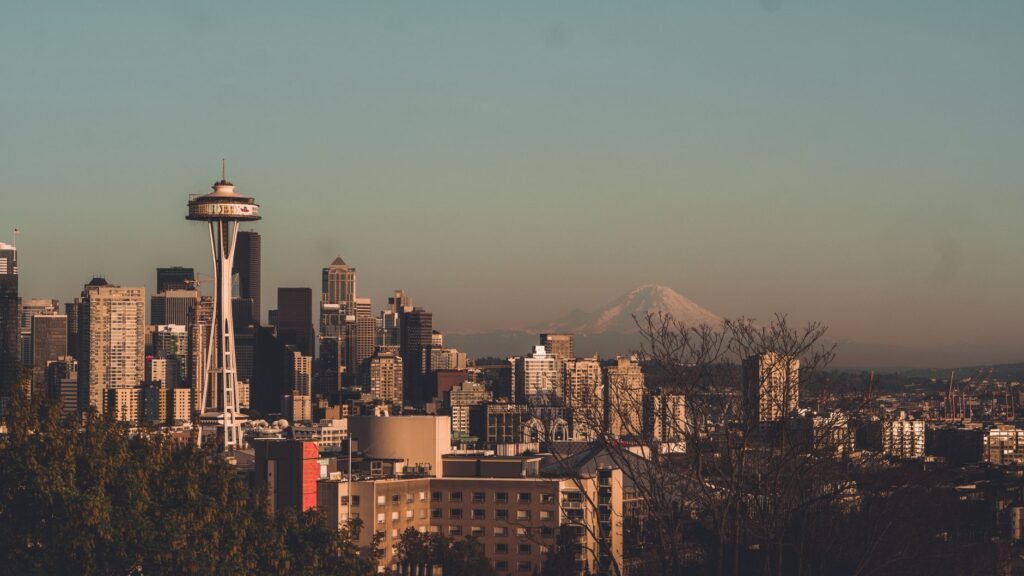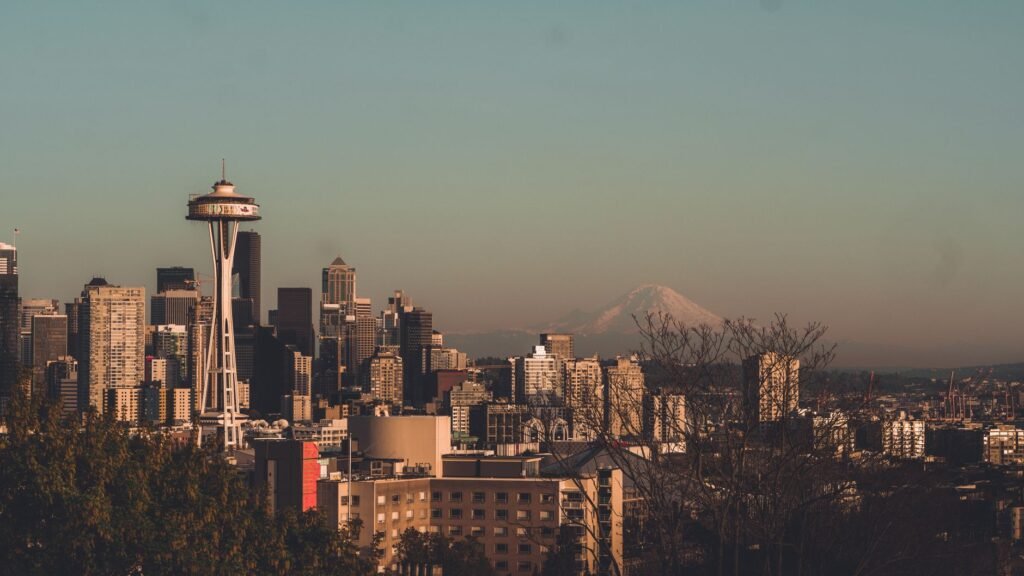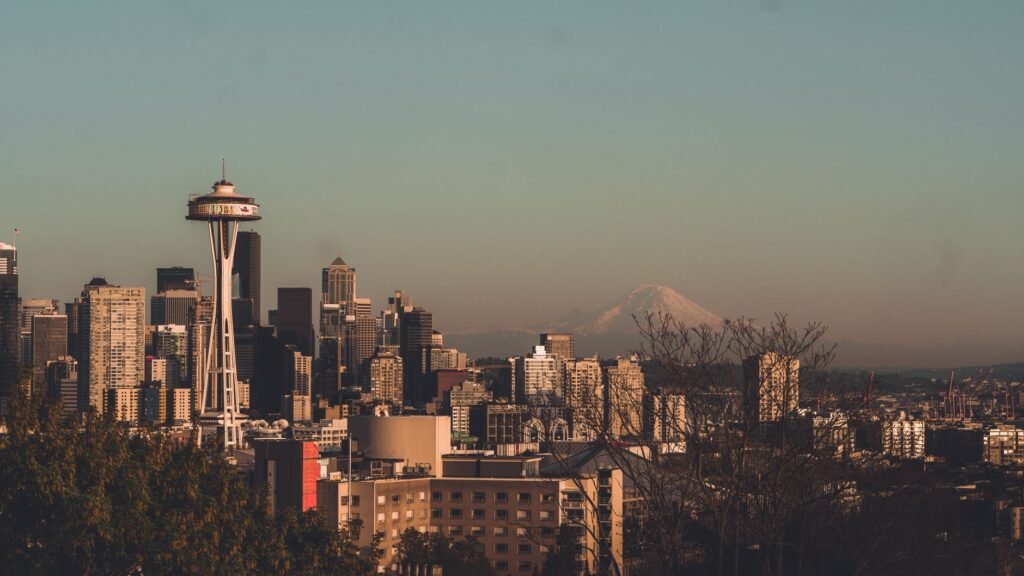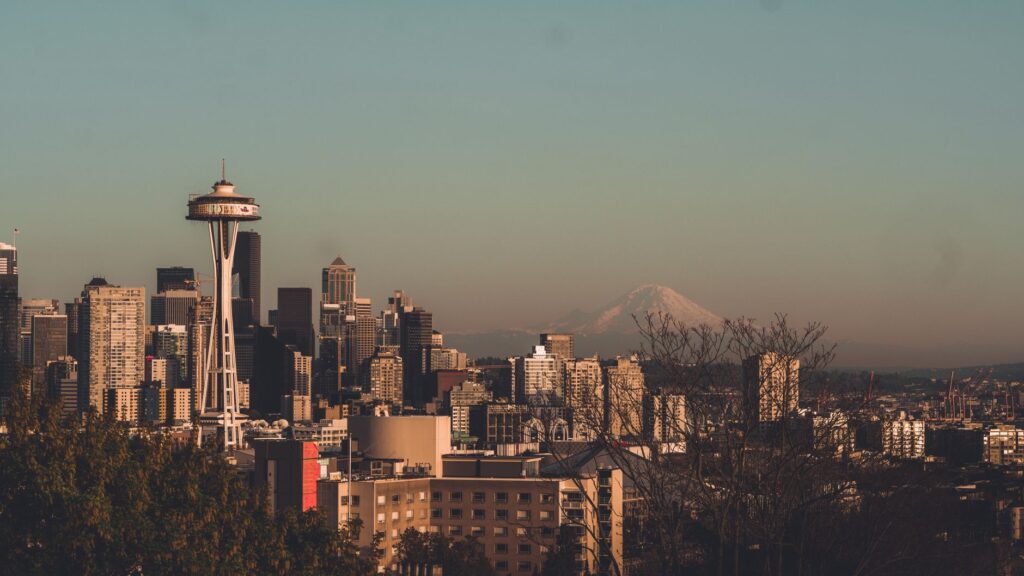
Seattle’s best indoor attractions are world-class museums, markets, and music venues that beat most other cities. Rain is not an excuse to miss this place. The city has invested heavily in indoor culture. You can spend days in here without repeating yourself. The following are the spots that actually matter when the weather turns.
Pike Place Market is the anchor
Pike Place Market is the city’s most overrated and most underrated spot at once. Tourists cram in here. You will see crowds, noise, and high prices. But go early enough. The smell of fish and coffee hits you at 7am. Vendors are not yet exhausted. You actually get to talk to people. Late morning? The place feels like a mall. Your choice on timing.
The market sprawls across nine acres. Most of it is indoors or covered. You can browse for two hours easily. The fish stall that throws fish is fun for five minutes. Get past it. The real shopping happens in the surrounding corridors. Flower vendors, cheese shops, butchers, and bakeries fill the space. Grab coffee from a small roaster. The big coffee chains started here but do not serve the best coffee there.
The lower levels are where locals actually shop. Produce vendors sell what came in that morning. Prices beat the grocery store. The basement level has vinyl records, used books, and handmade goods. You can find a specific record or a serendipitous discovery. Both happen down there. Bring a reusable bag. Parking is in the garage below or on the street nearby.
Also read: west seattle attractions
The Museum of Flight deserves a full day
The Museum of Flight sits south of downtown near the airport. Do not skip it because you flew there. This is one of the five best aviation museums in North America. The building itself is remarkable. A full-size 747 sits inside the main hall. Walking underneath the fuselage gives you scale you cannot get from photos.
The collection spans from early biplanes to the Space Shuttle trainer. You stand inside actual aircraft from different eras. The Concorde is here. The SR-71 Blackbird is here. You can walk the flight deck of a retired naval patrol plane. Most museums let you look. This one lets you climb in.
Plan for at least four hours if you care about aviation. Six hours is better. The museum is not packed like East Coast institutions. You can linger without feeling rushed. The cafe food is decent. Bring money for the gift shop. Admission runs about $25 for adults. Parking is free in the lot.
A note on the layout. The main gallery flows logically from early flight through modern jets. But the special exhibitions rotate. Ask at the desk what is open when you visit. Some exhibitions cost extra. Most do not add much. Stick to the permanent collection unless something sounds specific to your interests.
The Seattle Art Museum offers depth and ease
The Seattle Art Museum sits downtown on Second Avenue. The building is elegant without being stuffy. You walk in and immediately feel calm. That matters on a gray day. The collection emphasizes Pacific Northwest artists alongside major works.
The contemporary wing is strong. The photography collection is excellent. There is also a solid Asian art section and rotating special exhibits. Admission costs $16 to $20. You can spend two to three hours here without effort. Unlike some museums, nothing feels forced. Nothing feels like you must see it. You see what appeals to you. That is the gift of a midsize museum.
The museum runs programs on different days. Wednesday evenings have live music. Thursday nights feature local artists and DJs. These cost a few dollars extra. They draw younger crowds. The regular museum closes at 5pm on weekdays. These evening events extend until 9pm. The vibe shifts. If you want a different Seattle art experience, come on Thursday night.
Also read: seattle attractions in april
The Chihuly Garden and Glass is worth the hype
Chihuly Garden and Glass occupies a building next to the Space Needle. You do not need to visit the Needle. Most people waste time and money there. Skip the Needle entirely. But Chihuly is different. Dale Chihuly is a local artist. His work is glass sculpture at enormous scale.
The garden sits indoors under a greenhouse roof. Colored glass installations hang from the ceiling. Light plays through the glass. The effect is almost religious. Most visitors spend two hours here. Three is common if you sit and sketch or photograph. Admission is about $25. You can buy a combo with the Space Needle but don’t. Do not do that.
The most striking room is the Glasshouse. The ceiling soars over a hundred feet high. Massive glass forms hang and rest throughout. You walk through color and light. It is not a casual experience. Bring a camera. The light changes throughout the day. Morning light is softer. Afternoon light is more dramatic.
The museum shop is overpriced. The cafe is basic. The real value is in the galleries. Book your tickets online before you arrive. Parking is adjacent. The Space Needle grounds are crowded. Chihuly draws people who actually want to see something.
The Underground Tour tells the city’s real story
Seattle’s Pioneer Square neighborhood sits directly above old Seattle. The city rebuilt itself after a fire in the 1880s. The new city was constructed on top of the old one. You can tour the underground streets. This sounds gimmicky. It is not. The experience is genuinely weird and informative at once.
Tours run every thirty minutes from the Bill Speidel’s Underground Tour office. The guide leads you down into the original street level. The original storefronts and sidewalks are still there. They are now basement level. The guide talks about the fire, the rebuild, and the city’s early years. The stories are specific. The details matter. You learn how Seattle actually happened.
The tour lasts ninety minutes. It is not exhausting. You walk slowly. The temperature underground is stable. It is cool but not cold. Admission runs about $20. Bring comfortable shoes. Do not wear heels. The passages are uneven and narrow in places. Go in the afternoon. The morning tours fill with cruise ship crowds.
After the tour, stay in Pioneer Square. The neighborhood is worth walking. Vintage shops, galleries, and coffee roasters line the streets. Drink at a bar that has been there since prohibition. The neighborhood history runs through everything.
Also read: unique places to stay in seattle cool hotels
The Aquarium offers solid rainy day coverage
The Seattle Aquarium sits on the waterfront at Pier 59. It is compact compared to major aquariums elsewhere. That is not a weakness. You can see everything in two to three hours. Nothing is overwhelming. The focus is on Pacific Northwest marine life. The giant octopus tank is genuinely striking. The jellyfish gallery is hypnotic. The salmon ladder is educational.
The touch pools let you handle starfish and sea urchins. Kids love this. Adults enjoy it too. The underwater dome lets you see fish swimming around you. The effect is good but brief. You walk through and it ends.
Admission costs about $32 for adults. Parking is in a nearby garage. The waterfront has other restaurants and shops. You can make a half day of this. The aquarium does not require a full day. Combine it with Pike Place Market above or a waterfront walk.
Rainy day timing and tips
The Seattle indoor attractions work best with strategy. Monday and Tuesday see lighter crowds than weekends. Most museums are quieter mid-morning. Museums often close on Mondays. Check hours before you leave your hotel. Admission prices drop on certain days at certain museums. Ask about discounts. Parking downtown runs about $3 to $5 per hour in garages. Street parking is cheaper but harder to find.
Bring a small bag for purchases. Wear layers. Most indoor spaces run cool. Shoes should be waterproof if you walk between venues. Rain in Seattle is light most days. It is not tropical downpour rain. You can walk between places without getting drenched. A jacket is enough. An umbrella is excessive.
Download museum apps if available. Most provide maps and descriptions. You can plan your route. You are not wandering blindly. Grab lunch early at Pike Place Market or a neighborhood cafe. Downtown restaurants at lunch are crowded and expensive. The neighborhoods around these venues have better food.
Seattle’s indoor scene is substantial because the weather demands it. The city built good museums, not just adequate ones. You will find yourself glad you came. The rain is irrelevant by day two.
Reference: Seattle