
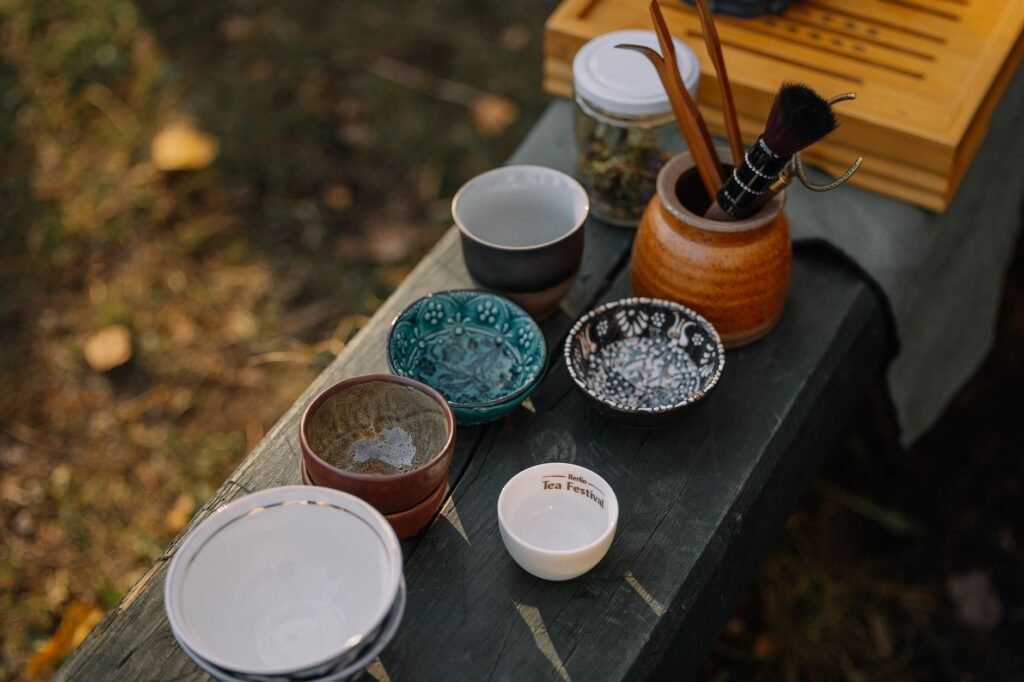
The Seattle Tea Festival is worth your time if you drink tea seriously or want to try it that way. It’s held each spring in the city’s historic Capitol Hill neighborhood. The event brings together tea vendors, educators, and enthusiasts from across the country. This is not a small local fair. Hundreds of people show up. You’ll taste tea from dozens of producers. You’ll learn how to brew it right. You’ll probably spend more money than you planned to.
I went expecting a quiet afternoon. Instead, I found myself standing in a packed room at noon on a Saturday. The smell of steeped oolong mixed with fresh herbs filled the air. People held small cups and asked detailed questions about oxidation levels and harvest dates. This is a crowd that cares. If you do too, or if you’re curious about getting there, the festival rewards that interest.
When to Go and What to Expect
The Seattle Tea Festival runs once a year in spring. Dates shift slightly year to year. Check the official event website before you book travel. The festival typically spans a single weekend. Most visitors spend one full day there. Saturday draws bigger crowds than Sunday. If you hate elbow-to-elbow crowds, go Sunday morning instead. You’ll have an easier time moving between vendors.
The venue changes sometimes. Currently it’s held at a historic church or community center in Capitol Hill. This matters because parking downtown is never easy. I took a rideshare from my hotel downtown and walked the last few blocks. That cost about 12 dollars each way. Worth it. You’ll also want comfortable shoes. You’re standing and walking for at least three hours straight.
Read more: Unique Places to Stay in Seattle Cool Hotels
Arrive when doors open, not mid-afternoon. Early crowds are smaller. Vendors have full stock. Many teas sell out by the end of the day. If you’re hoping to buy from a specific producer you’ve heard about, getting there early protects that plan. The first hour is genuinely different from hour four.
What the Festival Actually Offers
The layout is simple and sensible. Vendors set up tables in one or more large rooms. You walk around. You taste. You buy. Some vendors offer short talks or brewing demonstrations. These happen on a loose schedule. A printed program at the door lists what’s coming and where. Grab one when you arrive.
The vendors range from local roasters and tea shops to importers based in other states. You’ll see small family operations running a single table. You’ll also see established companies with polished branding. Both exist here. The prices vary a lot. A small bag of high-end oolong might cost 20 to 40 dollars. A basic green tea costs five to ten. Loose leaf only. No tea bags.
What surprised me was the educational part. Many vendors want to talk. They’ll explain where the tea came from. They’ll describe how long it oxidizes. They’ll tell you water temperature and steeping time. If you ask a real question, they’ll spend ten minutes on it. This isn’t a place where staff are trained to upsell and move on. They’re often the owners. They’re passionate. That makes a difference.
The crowd is a mix of dedicated tea nerds and curious people like me. Older visitors and younger ones. Some folks bring notebooks. Some taste and move on. Nobody is judging your knowledge level. That matters. You can ask what seems like a silly question and get a thoughtful answer.
Preparing Before You Go
You don’t need to study tea before going. That said, a tiny bit of knowledge makes the day more fun. Spend 20 minutes online learning the basic types. Know the difference between green, oolong, black, and white tea. That’s enough. You don’t need to memorize anything.
Wear clothes you don’t care about staining. Tea splashes. I spilled a little on my sleeve. It washed out fine. But it’s something to think about. Wear layers too. The venue is often warm from crowds and steam from brewing stations.
Bring cash or a credit card. Vendors take both. Some smaller producers only take cash. You’ll want at least a hundred dollars if you’re serious about buying. Many people spend more than they expect to.
Here’s what you should plan for before arrival:
- Check the festival dates and book your hotel for that weekend.
- Look up the venue address and parking options nearby.
- Review the vendor list if it’s posted online before the event.
- Eat a light breakfast but nothing heavy.
- Bring a small notebook if you want to track producers and prices.
- Wear comfortable shoes you’ve already broken in.
One thing I wish I’d done: I wish I’d eaten lunch before arriving. The festival doesn’t have food vendors. There are restaurants nearby in Capitol Hill, but leaving and coming back wastes time. Eat beforehand.
Read more: What Mountains Can You See From Seattle
How to Navigate the Festival
Get there right at opening time. This is not an exaggeration. Arriving 30 minutes late means the crowd is noticeably bigger. The difference between 10 AM and 10:30 AM is real.
Start at one end and move methodically through the space. Don’t jump around. You’ll end up retracing steps. You’ll waste energy. A simple path left to right, top to bottom, is smarter than chasing vendors randomly.
Taste widely at first. Go light on the big-name producers you already know about. Spend time with vendors you’ve never heard of. That’s where you discover something new. Everyone finds one or two producers they fall in love with. Often it’s someone they’d walked past if they’d only looked at familiar names.
Don’t buy anything in the first hour unless it’s something you truly cannot find anywhere else. Vendor prices are consistent, not discounted. You’re not trying to grab a deal before stock runs out. You’re trying to find what you like. The risk is leaving without tasting from a vendor you wanted to visit. That’s the real problem, not missing a sale price.
Bring a small bag or backpack. You’ll accumulate samples and purchases. Carrying loose items gets old fast. I regretted not bringing something to hold things until about my fourth purchase.
Talk to the vendor if they’re not busy. Ask where the tea comes from. Ask how to brew it at home. Ask what makes it different from what you’ve tried before. Most vendors love these conversations. They’ll give you details that matter. You’ll remember those interactions. That’s part of the value here.
What Teas Are Actually Worth Buying
This is personal. What one person loves, another finds boring. That’s tea. Some general notes based on what I saw: oolongs were strong this year. Many vendors carried exceptional oolongs from Taiwan or China. These run 25 to 50 dollars for a small bag. If you’ve never tried a good oolong, this is your chance.
Green teas were there too. Japanese greens dominated. Sencha, matcha, and gyokuro from established producers. These typically cost less than oolongs. A high-quality sencha is 12 to 25 dollars for a good amount.
White teas are less common in American shops. The festival is a good place to taste them. They’re delicate. They’re subtle. If you like light, nuanced flavors, white tea is worth exploring. Vendors will have recommendations.
Pu-erh tea is intense and strange if you haven’t tried it. Dark, earthy, sometimes smoky. It divides people. Taste some before buying. You might love it or skip it entirely.
The vendors I remembered six months later were the ones who took time to explain something specific. One producer talked about the elevation where their tea grew. Another explained the difference between spring and fall harvests. That context made the tea itself taste better when I got home and brewed it. Buy from people who teach you something, not just people with the fanciest label.
After the Festival
When you get home, brew the tea you bought. Use the instructions the vendor gave you. Water temperature matters. Steeping time matters. A good oolong at the wrong temperature tastes bad. That’s not the tea’s fault. It’s the brewer’s. Most vendors will write down their recommendations. Follow them the first time.
Store your tea properly. Airtight containers in a cool, dark place. Not above the stove. Not in direct sunlight. Tea keeps for months if you’re careful. Some pu-erhs actually improve with age.
If you find a vendor you love, many of them ship. You can reorder online. This is where the festival pays off long-term. You discover a producer. You buy from them for years. A 40-dollar bag of good tea costs about 1.30 dollars per cup if you drink it twice. That’s not expensive compared to coffee shops.
The Seattle Tea Festival is small enough to feel personal but big enough to have serious vendors. It’s not crowded like a farmers market. It’s not sterile like a trade show. If you’re traveling to Seattle in spring and you drink tea or want to learn, it deserves three hours of your time. Go early, taste widely, buy from people who teach you, and don’t expect to leave empty-handed.
Reference: Tea