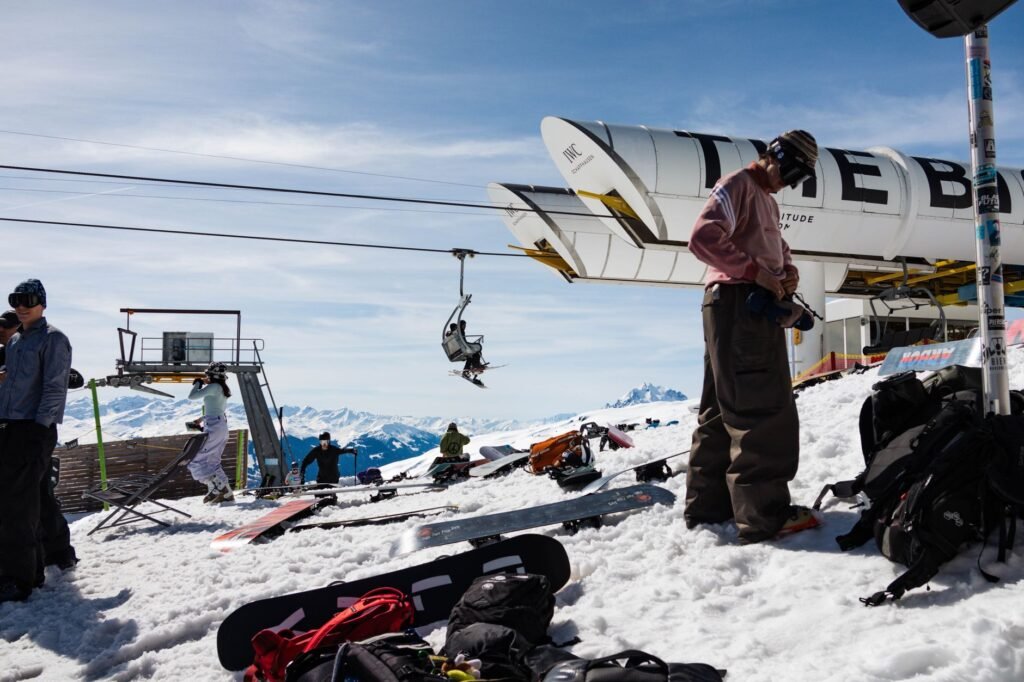
The best skiing and snowboarding near Seattle are at Snoqualmie and Crystal Mountain, both within two hours of the city. You don’t need to fly to Colorado. You don’t need a weekend house in the mountains. You need a car and a willingness to start your drive before sunrise on a good snow day.
I’ve made this drive dozens of times. The routine never changes much. You check the reports late Thursday night. You pack the truck Friday afternoon. You wake up at 4:30 AM Saturday to beat traffic. By 8:00 AM, you’re unloading your board in a parking lot filled with serious people who got up just as early as you did.
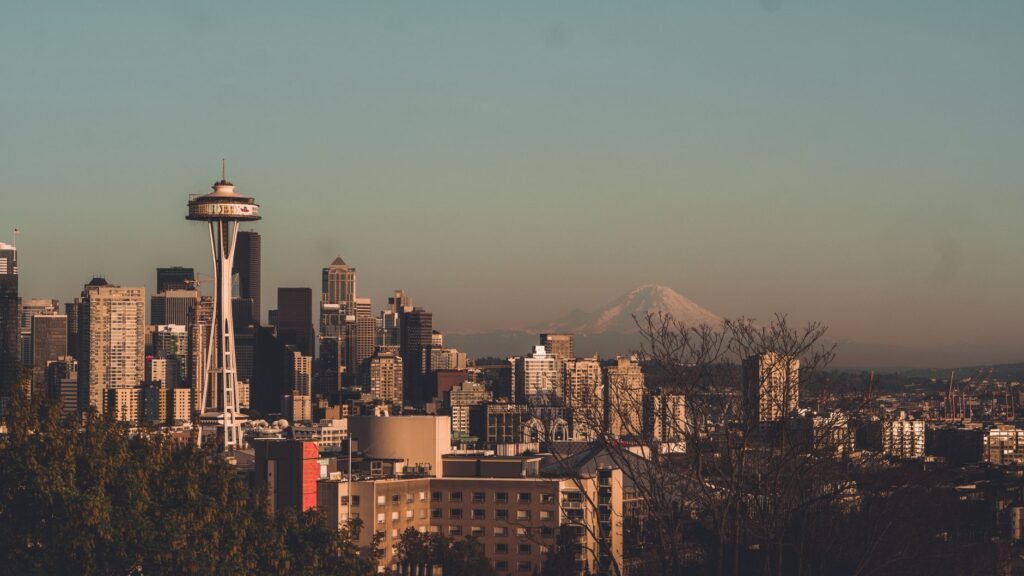
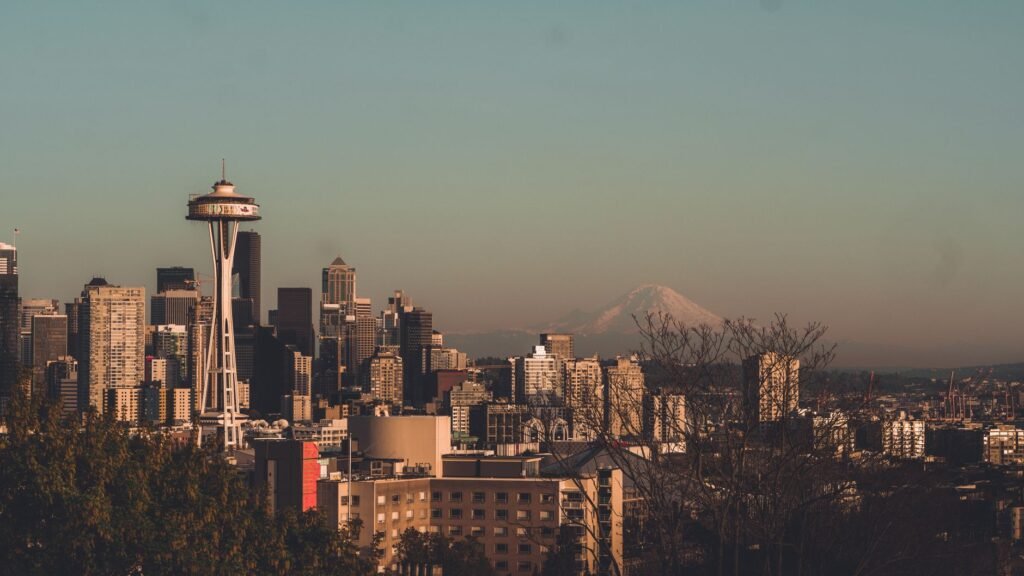
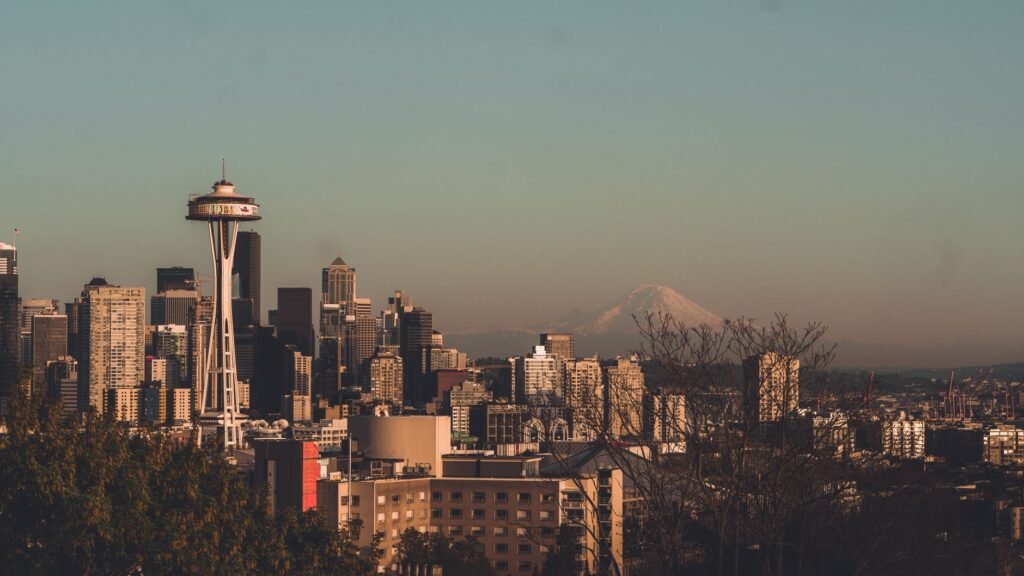
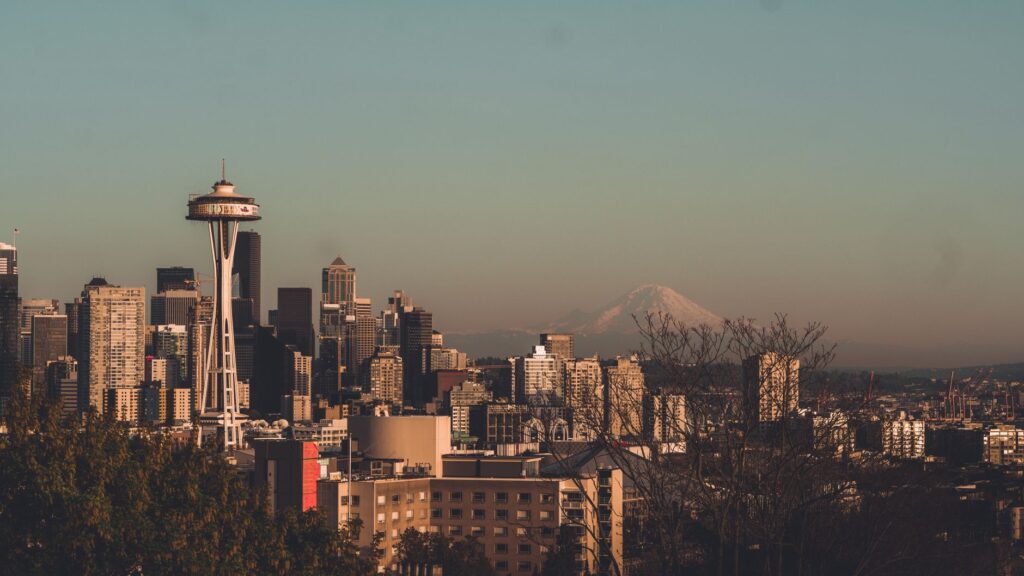
Seattle sits in a strange geography for winter sports. The city itself almost never gets real snow. The surrounding lowlands stay too warm. But drive an hour east, and the Cascades climb fast. The temperature drops noticeably. By the time you reach either of these resorts, you’re in real winter. This is what makes them so valuable to the people who live here.
Snoqualmie: The Closer Option
Snoqualmie is 60 miles east of Seattle’s center. The drive takes about 90 minutes in light traffic. Weekend mornings mean heavier traffic. Plan for two hours if you’re leaving after 7 AM. The payoff is simple. You can go up for just the afternoon if you want. You can go up for the evening and make it home by midnight.
The resort sits at 3,000 feet elevation. The top chair reaches 5,400 feet. That doesn’t sound high until you think about the climate. The base can be bare or muddy. The summit often has decent snow. This vertical difference matters more than most people expect. It’s the reason the place survives most seasons when the Seattle lowlands get rain.
Snoqualmie runs four chairlifts on the front side. The terrain is mostly beginner to intermediate. Honestly, this isn’t a mountain for experts seeking challenging runs. But that’s not its job. The job is to get you on snow fast. The job is to not require a full weekend. The job is to let you practice without the commitment.
A day pass currently costs about $70. A half-day afternoon ticket runs $55. Rentals add another $40 to $50. Those prices matter if you’re figuring out whether to come up. They’re reasonable for this region. They’re cheaper than many California mountains. The lodge food is standard resort fare. Bring cash if you want to avoid the lines at the credit card machines.
One thing most people get wrong is the crowd situation. Yes, Snoqualmie gets busy on Saturdays. Yes, the parking lot fills up. But the crowds spread across four lifts. You’re not waiting 45 minutes between runs like you might somewhere else. You wait maybe 10 minutes on a peak day. The runs are short. You’re loading the chair again quickly. This constant motion, not the wait, is what you notice.
The conditions here change fast. Snoqualmie’s elevation isn’t high enough for consistent snow. Rain at the base means slush or ice on the runs. A cold snap after a warm week changes everything in 48 hours. Check the overnight temperature forecast before you drive up. Check it again Friday evening. A 10-degree swing means the difference between good snow and a sheet of ice.
Crystal Mountain: The Real Mountain
Crystal Mountain sits 75 miles southeast of Seattle, near the Cascade Pass. The drive takes about 90 minutes to two hours depending on road conditions. The reward is a proper mountain resort. This place gets serious snow. The base sits at 4,400 feet. The summit reaches 7,000 feet. That elevation change is significant. The air is colder up there. The snow stays longer.
Crystal is the closest real ski area to Seattle that feels like you’ve actually left the city. Snoqualmie works for a quick fix. Crystal works when you want a full day or a weekend trip. The mountain has 2,600 vertical feet and 51 runs spread across three basins. The terrain is diverse. You can spend an entire day on the front side and never ski the same run twice.
The resort’s layout gives you choices. Northway and Quicksilver are solid terrain for intermediates. The Crystal Peak and Green Valley areas have plenty of beginner ground. Experts find challenge in the trees and glades on the back side. Unlike Snoqualmie, Crystal actually for improving your skills. You don’t outgrow it after three visits.
A day pass here runs about $85 to $95. A two-day ticket breaks down to roughly $75 per day. The lodge is larger and less chaotic than Snoqualmie’s. The food is still resort food, but there are more options. The parking situation is much simpler. You pull in, park, and walk 100 yards to the lodge. No hunting for spots.
What catches most Seattle visitors off guard is the snow depth. During heavy years, Crystal gets 400 inches of snow annually. That number is real. It’s why the mountain operates well into April when everything else has melted. Early season can be thin, but by late December, the base is solid. By February, you’re dealing with real snow conditions.
The drive itself matters more at Crystal than at Snoqualmie. Highway 410 toward Mount Rainier is scenic, but it closes regularly in winter. Check the pass report before you leave. The WSDOT website updates hourly. A sudden weather change can close the road for hours. This is rare, not zero, but rare. Plan your drive assuming the road might be slow. Plan assuming you might need chains, even with four-wheel drive. Both happen regularly enough that locals keep chains in the truck November through March.
Also read: places to visit near seattle in winter
Snowboarding Considerations
Snowboarding Seattle area slopes is a specific decision with specific trade-offs. Both resorts welcome snowboarders equally. Both have terrain parks. Crystal’s park is larger and better maintained. Snoqualmie’s park suits beginners and intermediate riders. If you’re serious about park work, Crystal is the better choice.
The real question with snowboarding is this: will you improve faster with more vertical and varied terrain? Or do you need to focus on fundamentals on smaller mountains? Most beginners benefit from Snoqualmie first. The slopes are short. The commitment is low. You can do it monthly without planning a major trip. Once you’re comfortable, Crystal offers progression. The more varied terrain teaches you how snow changes across the mountain.
One thing snowboarders notice at both places is the crowd of skiers. Snowboarding is popular in this region, but skiing still dominates. This isn’t California. You won’t feel out of place. But expect to see more skis than boards. The lesson-taking crowd is mostly skiers. The family groups are often split. This is just the regional culture. It doesn’t affect the quality of your day.
Getting There and Preparing
The drive from Seattle requires some basic planning. Leaving early is not optional. Leaving at 7 AM means sitting in traffic near the pass. Leaving at 5:30 AM means parking at 7:00 AM. Early parking beats sitting in the car during drive time.
The gear you need depends on what you already own. If you have a board and boots, you’re sorted. If you don’t, rental gear works fine for learning. New boots always hurt. Rental boots hurt less than owning bad ones. Expect any new boot to feel uncomfortable for the first two hours. Your feet warm up. The padding settles. It gets better.
Here’s what actually matters for a good day:
- Base layers that wick moisture away from skin
- A good jacket rated for snow and wind
- Snow pants that fit loosely over the base layers
- Gloves or mittens rated for wet conditions
- Goggles with good visibility in flat light
- A helmet if you’re learning or progressing fast
- Socks designed for snow sports, not cotton
- Sunscreen applied before you get on the lift
The sunscreen matters more than people think. Snow reflects UV rays. Your face burns even on cold days. Bring a stick. Apply it at the lodge before your first run. Reapply at lunch.
The cost of a full day trips up quickly. Equipment costs are real if you don’t own gear. But the regional advantage is worth it. You’re not flying to Utah. You’re not driving to Oregon. You leave Saturday morning. You’re home by dinner Sunday. The time value makes the price reasonable.
One final thing about Seattle snowboarding and skiing: the season is short. December is often wet. March can be sketchy as spring takes over. The is January and February. Plan your trips for those months when you can. The snow is more reliable. The conditions are more consistent. Plan Snoqualmie for single-day trips. Plan Crystal for weekends. Stack them in the right months, and you’ll have a better season than waiting for better conditions that might not come.
Reference: Skiing