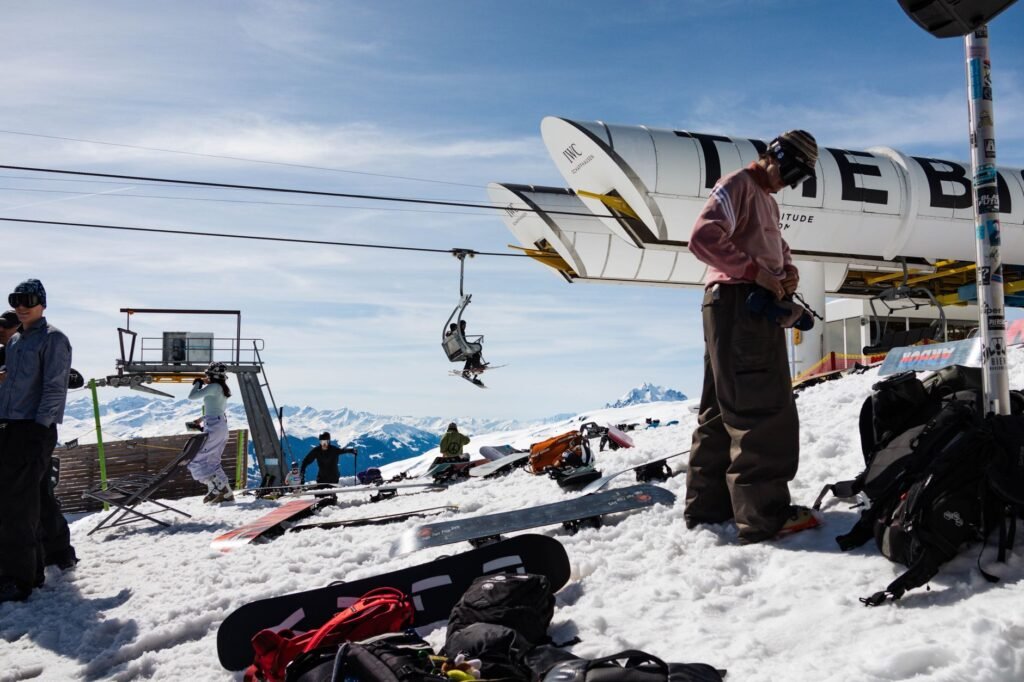
The closest serious skiing and snowboarding near Seattle are at Crystal Mountain and Snoqualmie Pass, both within 90 minutes of the city. If you’re willing to drive two to three hours, Mount Baker and Stevens Pass become real options too. None of these compare to Colorado or Utah mountains. But they beat flying out and back home, and the snow shows up more often than people expect.
I’ve skied every option from Seattle more than once. The choice what kind of day trip or weekend you want. Some people want to be back by dinner. Others are fine with a small overnight town nearby. Your budget and skill level matter too.
Crystal Mountain: The Closest Real Resort
Crystal Mountain is about 90 miles southeast of Seattle, near Enumclaw. The drive takes roughly two hours from downtown. You’ll climb into the Cascades gradually, and the landscape shifts from green evergreen forests to alpine meadow terrain. By the time you reach the base village, you’re at 4,400 feet. The summit top out at 7,002 feet.
This is the Pacific Northwest’s largest ski area. It has 2,600 acres of terrain. For comparison, that’s smaller than Jackson Hole, but it’s the real deal for the region. The mountain gets about 500 inches of snow annually. That’s more than most people realize.
Crystal has good terrain for all skill levels. Beginners have smooth runs on the lower slopes. Intermediates find plenty of blue runs that move you around the whole mountain. Advanced skiers and riders get bowls and steeps above the tree line. The back bowls are excellent when they’re open.
Several details make Crystal worth the drive. The base village is walkable and has decent lodging. Rooms range from budget motels to nicer properties with saunas. Most people pay $100 to $250 per night. Food at the resort costs more than in town, but it’s not outrageous. A day pass runs about $85 to $100 currently.
The real advantage is convenience. Leave Seattle at dawn. You’re on snow by mid-morning. Your legs are tired by late afternoon. You’re home by dinner if you push it. Many people spend Friday night at Crystal and drive back Saturday evening instead. Either way beats flying somewhere.
One drawback: parking can fill up on weekends. Arrive before 9am if you’re going Saturday or Sunday. The lot is massive, but so is the crowd on good snow days. Weekday visits are almost always better if you can swing it.
Also read: best skiing snowboarding near seattle resorts
Snoqualmie Pass: Lift Access Without the Resort Feel
Snoqualmie sits about 75 miles east of Seattle on Interstate 90. The drive is faster than to Crystal Mountain. You’ll reach the pass in just over 90 minutes from downtown. Several ski areas operate here. The main one is also called Snoqualmie Pass.
Snoqualmie is smaller and funkier than Crystal. It’s less of a destination resort and more of a local hill. The terrain is split across several peaks. You’ll ski everything from groomed cruisers to tight tree runs and some decent bowls when there’s fresh snow.
The mountain gets nearly as much snow as Crystal. Winter storms dump hard here. The pass sits at a low elevation for serious skiing. That means the snow gets heavier and wetter than at higher mountains. It also means the base can turn to slush on warm days. Spring skiing here can be sloppy by afternoon.
A day pass is about $75 to $85. Lodging near the pass is cheaper than Crystal. You’ll find places for $70 to $150 per night in small towns just off the freeway. Snoqualmie is mostly a drive-up mountain for Seattle people. Many skiers head up for a half day after work and ski under lights in the evening.
The downside is limited infrastructure. There’s no real base village like Crystal has. Food options are thin. The lodging is modest. If you’re looking for mountain resort ambiance, this isn’t it. What you get is quick access to open terrain and a shorter drive home.
Mount Baker: If You Want Better Terrain and More Snow
Mount Baker lies about 130 miles northwest of Seattle. The drive takes roughly two and a half hours. You head north toward Bellingham, then climb east into the North Cascades. The town of Concrete sits at the base. Real lodging exists here, so a weekend trip works well.
Mount Baker gets more snow than any ski area in North America. Some winters it gets over 700 inches. That’s nearly 60 feet of snow. The terrain is steep and rocky. It’s built for riders and expert skiers, though all levels have terrain.
The mountain is smaller than Crystal. It has about 1,500 acres. But the skiing is tight and technical. Many runs are narrow and move through trees. The slopes face north, so snow stays good even on warm days.
Lift prices run $85 to $110 for a day. Lodging in Concrete and nearby towns ranges from $100 to $200 per night. The whole area feels more remote. That’s part of its charm. You’re not fighting Seattle crowds here.
The catch is the drive. Two and a half hours in each direction eats time. Most people plan an overnight or full weekend. The roads can get icy in winter. Chains are sometimes required. Check road conditions before you head out.
Mount Baker is worth it if you have a weekend free and want the best snow. The terrain is excellent. The crowds are manageable. Just expect a real road trip, not a quick morning jaunt.
Also read: places to visit near seattle in winter
Stevens Pass: The Middle Ground
Stevens Pass sits about 90 miles northeast of Seattle via Highway 2. The drive takes about two hours. You’ll climb to 5,700 feet elevation. The area gets good snow. It’s less famous than Crystal or Mount Baker, which means fewer crowds.
Stevens has 1,125 acres of terrain. The runs are well-groomed. It’s good for intermediates and upper-level skiers. Beginners have some runs but not as many as Crystal. The mountain spreads across several peaks connected by lifts.
A day pass costs around $80 to $100. Overnight lodging near Stevens isn’t abundant. The closest real town is Leavenworth, about 30 minutes away. This quirky Bavarian-themed town has plenty of rooms and restaurants. It’s touristy but fun for a weekend getaway with family. Hotels run $100 to $250 per night.
Stevens is often the smart choice if you want a balance. The drive is reasonable. The terrain is fun. The prices are fair. The crowds are lighter than at Crystal. You get more of a weekend feel than a quick day trip.
What to Pack and Know Before You Go
Winter driving in the Cascades is serious. You need proper tires or chains. Most states and resorts require you to carry chains even if you don’t use them. Snow can appear suddenly. Roads can close fast. Check the state’s pass report before you leave home. Call ahead and confirm the mountain is open. It happens more often than you’d think.
Bring the right gear for skiing or riding. The Pacific Northwest is wet and cold. Your gloves will matter more than anywhere else. A decent insulated jacket and waterproof pants keep you comfortable. Layers work better than a single thick coat. The sun can bounce bright off the snow even on cloudy days. Good sunglasses are non-negotiable.
Rental equipment at the mountains is fine if you’re new to skiing. It saves money and hassle. Advanced riders usually bring their own boards. If you’re flying in from somewhere warm, rent at the mountain. It’s not worth the baggage fees.
Food is better if you pack snacks. Bring a sandwich and extra water. The on-mountain cafeterias are slow and expensive. A quick lunch packed in your bag saves an hour and cash.
Also read: best hikes near seattle
The Real Choice: When and How Often
Here’s what matters most: how often you’ll actually go. If you ski three times a season, driving to Crystal Mountain on weekends makes sense. If you’re a serious skier, you might get a season pass somewhere. Stevens and Snoqualmie both offer season passes for under $1,000 some years. Crystal’s pass is about $500 to $700 depending on the season.
Weather varies a lot in the Cascade resorts. Rain at the base and snow at the top happens constantly. Check conditions the night before. A 40-degree day at sea level can mean powder at 7,000 feet. Or it can mean slush by noon. Timing matters.
The snow usually arrives by mid-November. Spring skiing extends into April. The is December through February. Fresh snow is likely. The sun isn’t too warm yet. Most people head out after a new storm or when the forecast calls for clearing after a dump.
Mount Baker and Stevens Pass will always have the best snow depth. Crystal Mountain is the easiest to reach and has the most developed base. Snoqualmie Pass is quick and cheap. The choice depends on what matters to you. Close to home and convenient is worth something. Better terrain and more snow is worth something else. Pick what fits your trip.
Reference: Skiing