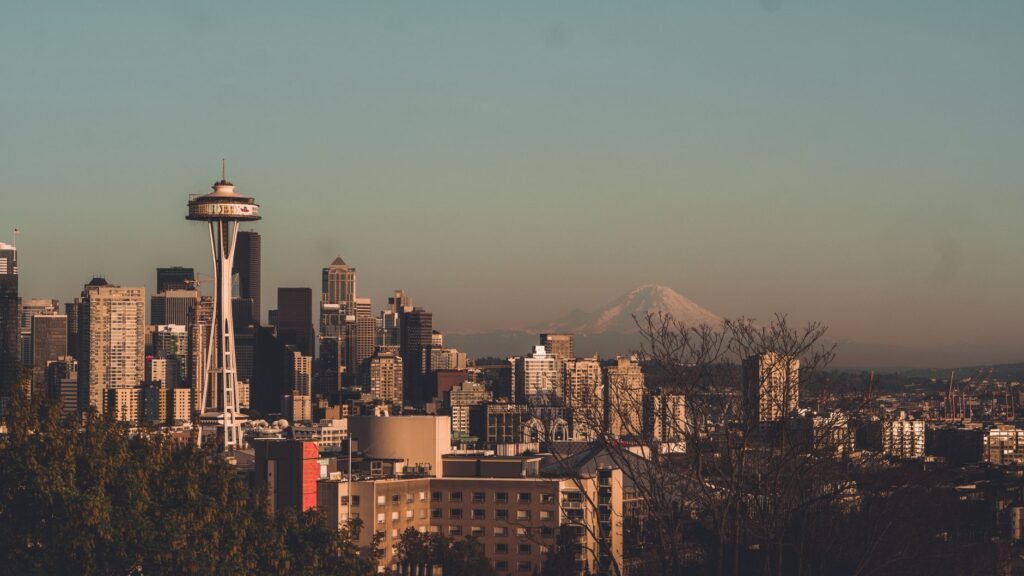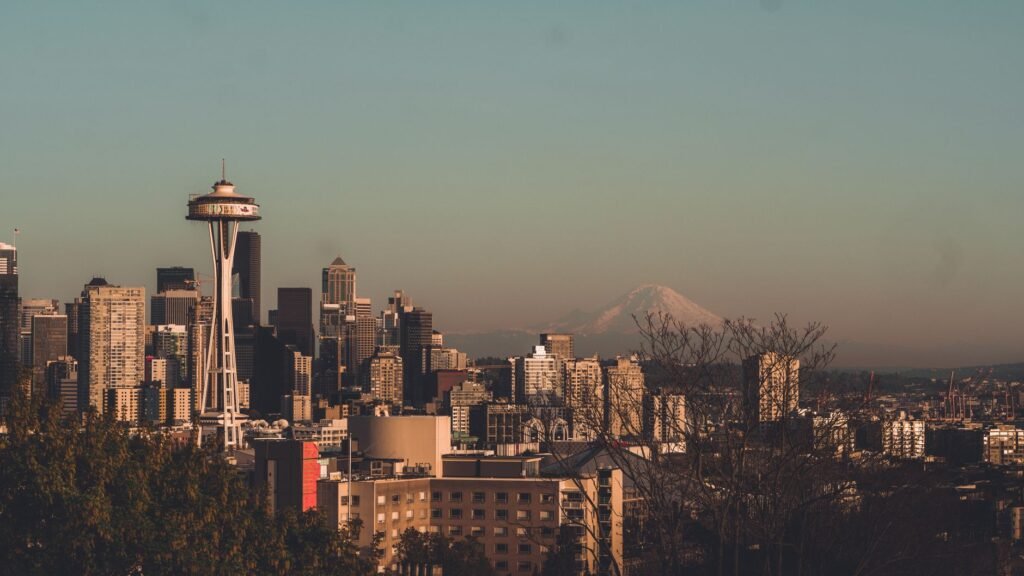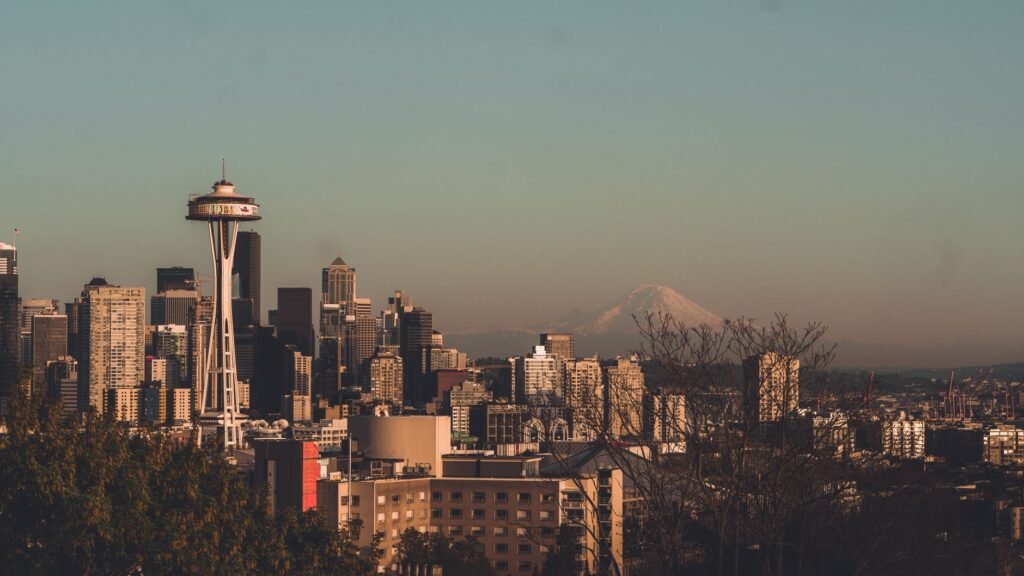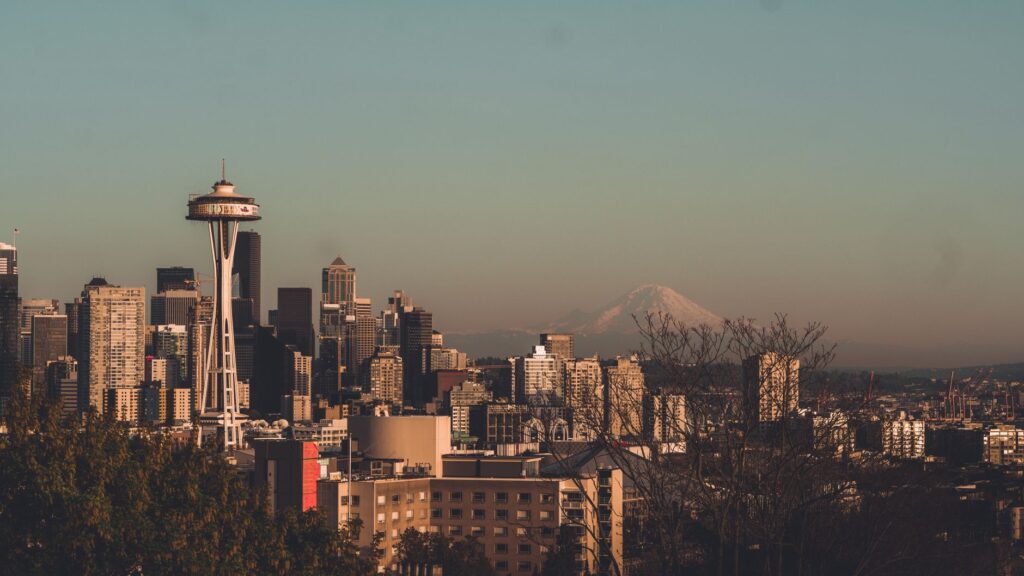
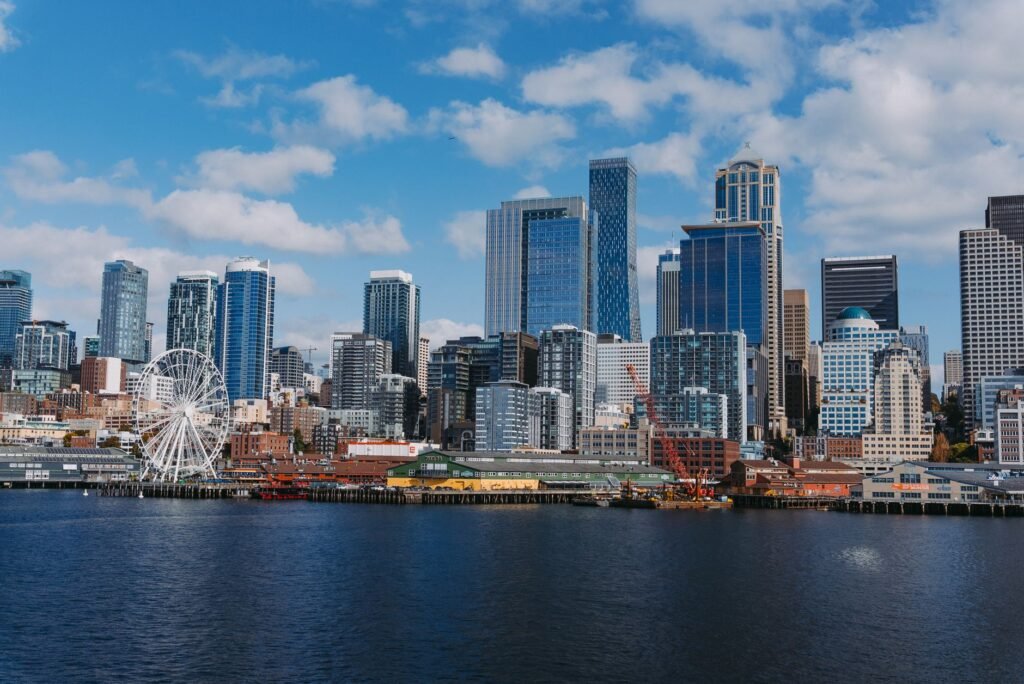
The best things to do in West Seattle attractions span the waterfront, green space, and strong neighborhood character that locals actually use. This part of town sits west of the Ballard Bridge and feels separate from downtown Seattle in the best way. You get beaches, parks, and restaurants without the tourist crush. The neighborhood has the bones of a working waterfront and the soul of a place where real people still live.
Alki Beach is the Obvious First Stop
Start at Alki Beach on a clear day. The 2.5-mile stretch of sand runs along Elliott Bay. When the weather cooperates, you can see the Olympics across the water. The view alone makes the trip worth the drive from most parts of the city.
The beach itself is good for walking, not swimming. The water stays cold most of the year. But the paved path that runs the length is what draws people back. On weekends, you see runners, cyclists, families, and people just standing still, looking west.
Parking here is the problem. The lot fills early on any decent Saturday. Arrive before 10am if you want a space without circling. If the main lot is full, streets nearby have two-hour limits. Walk up from a residential block if needed. You save the frustration and still make the beach in five minutes.
The southern end near the Bathhouse Theater has a gentler feel. Fewer tourists cluster there. The restaurants and shops thin out. What you get is more actual neighborhood, fewer crowds.
Discovery Park Offers Real Hiking
Discovery Park sits on the northern edge of West Seattle. It covers 534 acres. The park has real forest trails, not manicured paths. You get the feeling of being outside the city even though you are not far from it.
The loop that drops down to Ballard Locks is the main draw. It takes about an hour for most people. The path descends through tall trees. You emerge at the water level and can watch boats move through the locks. The locks handle about 100,000 tons of cargo each day, and watching a fishing boat or freighter squeeze through never gets old.
What catches visitors off guard is how muddy this trail gets. The Pacific Northwest rains soak the ground. Wear shoes you do not mind destroying. Dry days in late summer are ideal, but even then, sections near the water are damp.
The park has other trails too. The bluff walk offers views across Puget Sound. The old lighthouse stands at the point. The views are good, the crowds are lighter, and the path is mostly dry.
Parking is free. The lot sits at the main entrance. It holds about 200 cars. On holiday weekends, arrive before noon.
Read more: What to Do in West Seattle: A Complete Local Guide
Luna Park Gives You History and Carnival Food
Luna Park is not a major destination. That is actually why you should go. The park occupies a small corner of West Seattle with an old amusement park feel. The rides are modest. The prices are fair. The place draws locals, not tour buses.
The roller coaster is small and wooden. It moves at a reasonable speed. Children enjoy it. Adults who rode coasters decades ago enjoy it too. For $8 to $10 per ride, you sample the park without heavy spending. The bumper cars and log ride are here as well.
Food is the better reason to visit. The park has a classic hot dog stand. Corndogs, fish and chips, and burgers cost less than downtown. The quality is good. You sit at picnic tables. The energy feels like summer.
Parking is street parking only. Arrive on a weekday afternoon if you want an easy spot. The weekends are crowded. Not overwhelming, but busy enough that you circle for a bit.
Walking West Seattle Neighborhoods
The neighborhoods backing the beach have character. You do not need a formal plan. Just walk. The streets are quiet. Houses are modest and old. Gardens and small shops line the blocks.
Youngstown, just south of Alki, has strong bones. Walk California Avenue. The street has bakeries, coffee shops, and small restaurants that cater to neighbors, not tourists. Many places have been here for decades. The food is good, the prices are low, the feeling is real.
Lincoln Park covers 135 acres further south. It has picnic areas, a heated pool, and access to a saltwater beach. The park is less famous than Alki. Families use it more than Instagram seekers. The price of entry is nothing. You park free and stay as long as you want.
Wallingford sits to the east. It bridges West Seattle and the rest of the city. The neighborhood feels like a place where young families moved for space and old money bought blocks decades ago. Walk along 45th Street. The restaurants and shops mix vintage stores with new openings. Nothing feels forced. Many spots have been there for years.
Coffee, Food, and Actual Restaurants
West Seattle has strong food culture that locals protect. Chain restaurants exist but do not dominate. The neighborhood has character in what it eats.
Start with these spots:
- Molly Moon’s for ice cream made with local fruit
- Elliott Bay Brewing Company for beer and views of the water
- Noriega Produce Market for fresh ingredients and prepared food
- The Good Society for coffee and pastries
- Endolyne Joe’s for coffee and breakfast
The Wallingford Ace Hardware building houses a neighborhood kitchen. The space feels old. The food is new. The chef trained in fine dining. The plates are simple and good. Dinner costs about $18 to $26 per main course. Reservations help on weekends but are not always needed on weeknights.
Seattle Culinary Academy operates a restaurant. Students cook under supervision. Food is solid. Prices stay low. You support education at the same time.
What draws people to West Seattle food is price and actual cooking. You do not pay tourist markup. The places serve neighbors first. A meal rarely breaks $40 per person including drinks.
Museums and Market Days
The Museum of Flight sits near the southern edge. Admission costs about $25. The collection focuses on aviation history and aircraft. Many visitors spend three hours here. Kids enjoy the interactive exhibits. Adults learn something unexpected.
The Ballard Locks Visitor Center is free. Walk in off the street. Watch salmon moving upstream in the summer. Watch boats going up and down. Spend 20 minutes or two hours. The Rangers answer questions if you have them.
Markets happen on weekends. The West Seattle Farmers Market runs year-round at Lincoln Park on Sundays. Vendors sell produce, plants, prepared food, and crafts. The crowd is locals. Parking is easy since the lot is large. Early morning offers the best selection. Arrive by 9:30am.
The Question of When to Visit
Summer is obvious but crowded. June through August brings the warmest weather. Alki Beach draws hundreds on weekends. The parks fill up. Hotels and rooms book solid.
Spring and fall are better for actual experience. April and May bring mild weather and far fewer people. September and October are the same. You walk Discovery Park without dodging families. You find parking easily. The rain that Seattle gets is real, but days with sun and no crowds make up for it.
Winter is wet and gray. Temperatures hover in the low 40s. Many visitors skip this season. But the parks are empty. The restaurants have tables. If you do not mind drizzle, you see the real West Seattle.
Logistics and Getting Around
The Ballard Bridge is the main route from downtown. The drive takes 15 to 25 minutes depending on traffic. Avoid rush hour if possible. The bridge handles all car traffic in and out.
Public transit exists but is slower. The light rail does not reach West Seattle. Buses run from downtown, but service is infrequent and travel time stretches to 45 minutes or more. A car is practical.
Parking at attractions is free or cheap. Street parking is the default. The neighborhood does not have paid lots or meters in most areas. You can spend a full day here for no parking fees.
Hotels are sparse. Most visitors either stay in Ballard to the east or downtown. West Seattle has a few rooms, but selection is limited. Budget $100 to $150 for a basic hotel nearby.
Why This Neighborhood Matters
West Seattle matters because it is not trying to be something for tourists. It is a neighborhood where people live and work. The businesses serve locals. The parks serve families. The beaches serve people who want to look at water without paying.
That changes the whole experience. You are not fighting crowds or paying tourist prices. You are standing where people actually stand. The coffee is good because the coffee shop needs to be good for the tenth visit, not the first. The restaurants exist because the chef lives there, not because a consultant said waterfront dining was viable.
That honesty is what visitors come for, even if they do not know it when they start. You leave feeling like you found something real instead of something made for you. That is worth the drive west.
Reference: West Seattle