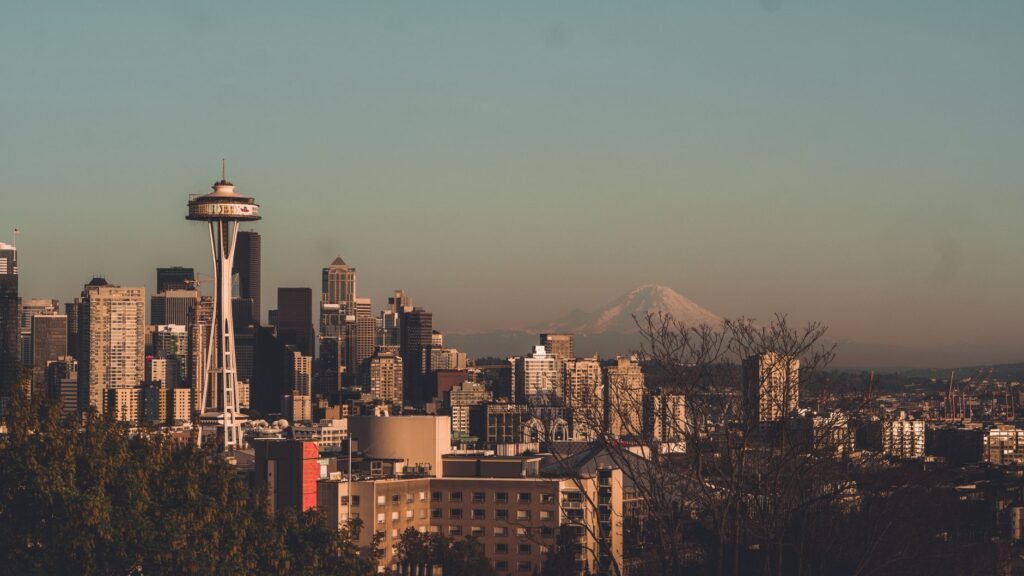
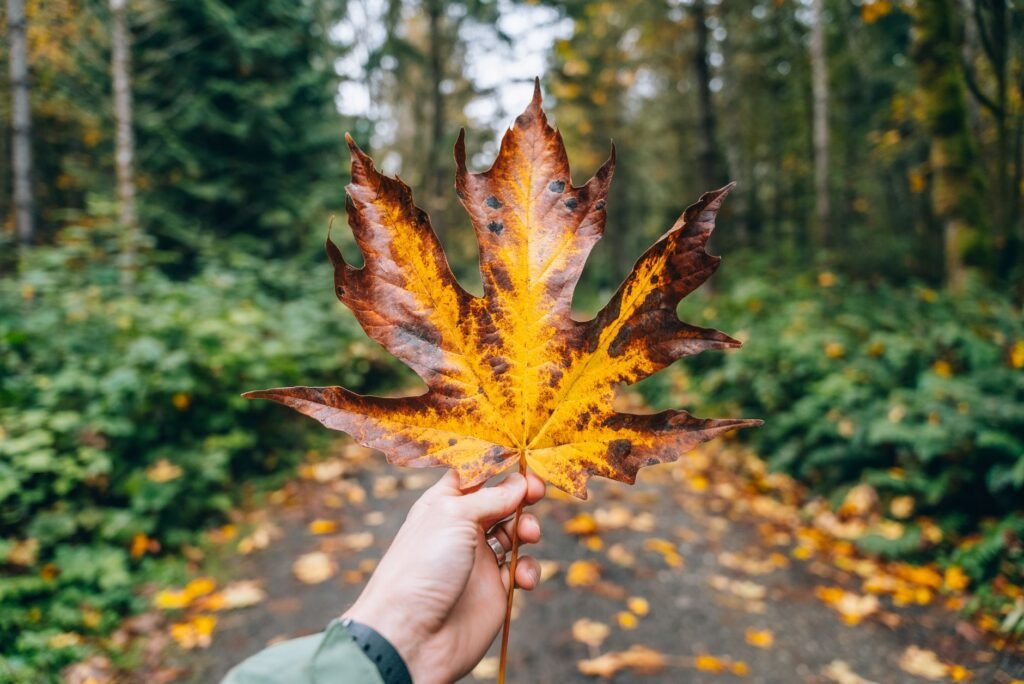
The best Seattle fall activities for adults center on weather that’s crisp enough to move around without melting. September through November transforms the city into something different than summer. Rain comes back. The light changes. And honestly, that’s when the place becomes worth your time.
Most people show up in July expecting mountains and blue sky. Instead they get drizzle and crowds. Fall flips that equation. Fewer tourists means shorter lines and open tables at restaurants you actually want to visit. The rain itself isn’t the problem. You’re from America. You know how to dress for weather. The problem is most visitors underestimate how good the timing is.
What Makes Seattle Fall Different for Adults
The season shifts Seattle’s energy from outdoor-festival mode to something more grounded. The coffee shops fill with actual residents again. Neighborhoods feel like places where people live, not just tourist corridors. You can have a conversation without shouting over street musicians.
Temperatures hover between 50 and 60 degrees for most of the season. That’s cool enough for a jacket but warm enough to walk for hours. Rain isn’t constant despite what you hear. Seattle gets drizzle. That’s different from rain. Drizzle is background weather. You’re not huddling under an awning. You’re just slightly damp.
The real advantage is what you can actually do. September is peak harvest season at farms and orchards. October brings seasonal food to menus. November settles into storm season but also deep comfort food. If you’re eating at a restaurant, the chef is working with what’s in season right now in the region. That means better food than any other time except maybe early summer.
What changes is the pace. Visitors slow down in fall. They stay longer in neighborhoods. They drink more wine. They sit in bars at 4pm when the light turns gray. This is when Seattle’s reputation for being moody makes sense. But moody is better than crowded.
Wine Country and Farm Visits
Skip the Seattle city core entirely for a day. Head east to wine country near Walla Walla and Yakima. The drive is about three to four hours depending on which way you go. Early fall is harvest time. Tasting rooms are busy but not tourist-packed like summer weekends.
You have two real options here. The Yakima Valley sits closer to the city and offers decent tasting rooms spread across about 80 miles of farmland. It’s mostly local crowds and people from Spokane. Walla Walla lies farther east, about 250 miles away, but the wines are better and the town itself has genuine character. The Whitman County College sits in the heart of it all. Downtown feels like an actual place where wine people chose to invest.
Both regions need a full day to work. You can’t taste meaningfully by rushing. The point isn’t to hit as many wineries as possible. Pick four or five that interest you. Sit down. Taste slowly. Eat lunch somewhere in town.
A few things before you go:
- Bring cash. Small tasting rooms don’t all take cards.
- Eat before you start tasting. Food matters for alcohol processing.
- Many places close by 5pm in fall. Check ahead.
- Hire a driver or use a service for this day.
- Book tastings ahead. Walk-ins work but waits happen.
The drive back is long but worth it. You’ll have wine, knowledge, and food you can’t get in the city. That’s a real day.
Pike Place Market in Shoulder Season
Everyone knows about Pike Place Market. Most visitors hit it in summer when it’s thick with crowds and loud. Go in October or early November instead. The market itself doesn’t change, but your experience will.
The farmers bring apples, pears, squash, and mushrooms that don’t exist in summer. The flower stalls have dahlias and late roses instead of tourist-grade tulips. The crowds drop by maybe 60 percent. You can actually stand in front of a flower stall without someone’s backpack hitting you in the head.
Come early. Get there before 10am if you can. The smell of fish and coffee mixes with wet concrete and fresh produce. The stall owners are awake and happy. This is when you can actually talk to vendors instead of just buying things.
The market sits near the waterfront. Walk down to the piers afterward. October and November bring cleaner water and better light for photography. Fewer cruise ships means the water itself is quieter. You notice things. You see the Sound. You don’t just notice the number of other tourists.
Do not expect a meal at the market to be quick or cheap. The famous spots like Pike Place Chowder charge 18 to 22 dollars for soup and bread. It’s good soup. But you could eat better and cheaper two blocks inland. Hit the market for the actual market experience. Fruit. Flowers. Fish. Crowd-watching. Eat real food somewhere else.
Also read: what to do in west seattle a complete local guide
Neighborhood Walks and Coffee Culture
Fremont and Ballard are the two neighborhoods where fall truly works. Both sit north of downtown. Both have independent coffee shops, bars, restaurants, and character that survives the changing seasons.
Fremont is smaller and more walkable. It takes about two hours to see the core. Ballard is bigger and worth at least a full morning. Both have strong coffee cultures. This matters because coffee is where locals actually sit down and linger.
Start with Fremont. The neighborhood sits around the Fremont Sunday Market. The actual Sunday Market runs only in summer and fall. But the neighborhood exists year-round. Wallingford Avenue and nearby cross streets have coffee shops that serve real espresso. Fuel Coffee and The Hideout are not tourist places. People work there. People read. People have conversations that no one is staging for Instagram.
What makes fall coffee shops different is that the noise level drops. Summer brings people hunting for a cool place. Fall brings people who came specifically for the coffee or just needed to sit somewhere warm and dry.
Ballard works differently. It’s the neighborhood where fishing boats still dock. The neighborhood has a real working waterfront, not a polished tourist waterfront. The main strip along 15th Avenue is bars, restaurants, and bakeries. Bastille Cafe makes pastries that you should eat while they’re warm. Pop in before 10am. After that they’re picked over.
Both neighborhoods reward wandering. Don’t plan too hard. Walk side streets. Look at storefronts. Find a bar at 4pm and sit with a drink while light falls. This is what fall in Seattle is actually for. Not sightseeing. Slowing down.
Hiking Without the Summer Crowds
The mountains that ring Seattle are best in fall. September and early October are hiking. The summer heat is gone. The trails are dry. The crowds have vanished. By mid-November, snow starts appearing on higher peaks, which makes some trails trickier.
The most accessible hikes sit about 45 minutes to two hours from downtown. Mount Rainier National Park lies to the south. The Cascades stretch to the east. Both regions have trails a half-day or full-day visit.
Rattlesnake Lake near North Bend is a solid choice for a fall morning. The hike is about two miles and easy. The lake is striking in any season but stunning in fall light. The parking lot doesn’t fill. The trail is quiet.
Snoqualmie Falls lies even closer to the city, maybe 30 minutes away. Most people just look at the falls from the lodge and leave. Walk down to the trail that goes behind the falls. It’s easy and adds an hour to your trip. The noise of the water in fall is different. Seasonal change shows in everything from the water flow to the plants.
If you want something more serious, hike Mailbox Peak or Granite Mountain. Both require 4 to 6 hours. Both are steep. Both offer views that justify the work. Fall makes these better because the weather is predictable. You won’t hit the sudden afternoon thunderstorms that plague summer trips.
Rules for fall hikes near seattle are simple but firm:
- Check conditions the day before you go.
- Start early. Darkness comes by 5:30pm in November.
- Bring layers. Weather changes fast at elevation.
- Wear shoes with real traction, not sneakers.
- Carry water and food even for short walks.
The reason to hike in fall instead of summer is that the mountains feel like mountains again. They’re not just backgrounds for selfies. They’re working landscapes. You’re a person in terrain. That’s the whole point.
Restaurants and Seasonal Eating
Fall food in Seattle is different from summer food. The restaurant scene shifts toward what grows locally and what keeps well. Wine lists get better. Beer selection improves. Menus change faster than in summer because the supply actually changes weekly.
The best way to eat well is to go to restaurants where the chef actually cares about seasonal ingredients. Canlis sits at the top of that list. Dinner costs about 85 dollars per person before drinks and tip. The view of the city and Sound is secondary to the food. Every element on the plate comes from farms within a few hours of the kitchen. That matters most in fall when tomatoes disappear and mushrooms take their place.
If you want good food at lower prices, head to Capitol Hill or Ballard. Both neighborhoods have restaurants where chefs actually cook rather than manage. Serious Pie makes pizza with flour from local mills. Molly Moon’s uses ice cream made from seasonal fruit. These aren’t expensive places. They’re just places where someone cared about the work.
Drink wine while you eat. Washington wines are genuinely good. Pinot Noir, Riesling, and Cabernet all work here. Ask a server what’s local. Most places focus on the state’s wine regions. That’s not snobbery. It’s just good business and good sense.
The food in Seattle falls apart in fast-casual spots and chains. The city has countless restaurants staffed by people who are just filling tables. Eat at places where cooking is the point. Eat when you’re hungry, not when your schedule says it’s time. Food matters more in fall because the quality gap is wider.
What to Actually Do With Your Time
The trap with fall in Seattle is trying to do too much. Plan for maybe one big activity per day. Hike in the morning, walk the neighborhood in the afternoon. Visit wine country on one day, spend the next day resting and eating. This isn’t a city where you’re rushing between attractions at 9am, 11am, and 1pm.
Most visitors get about three to four good days out of Seattle. Use them roughly like this. Day one: arrive, walk Pike Place Market, eat dinner in Ballard or Capitol Hill. Day two: choose either wine country or a serious hike. Day three: walk Fremont or Ballard all morning. Find a coffee shop. Eat lunch. Walk along the waterfront. Drink wine at 4pm. Day four: fly out or spend extra time wherever you liked best.
The mistake is overthinking it. Seattle in fall is good because the pace is slow. Build your trip around slowing down, not speeding up. That’s when the city actually works.
The rain, the cool, the darkness that comes early. These things most people dread are exactly what make Seattle fall worth the trip.