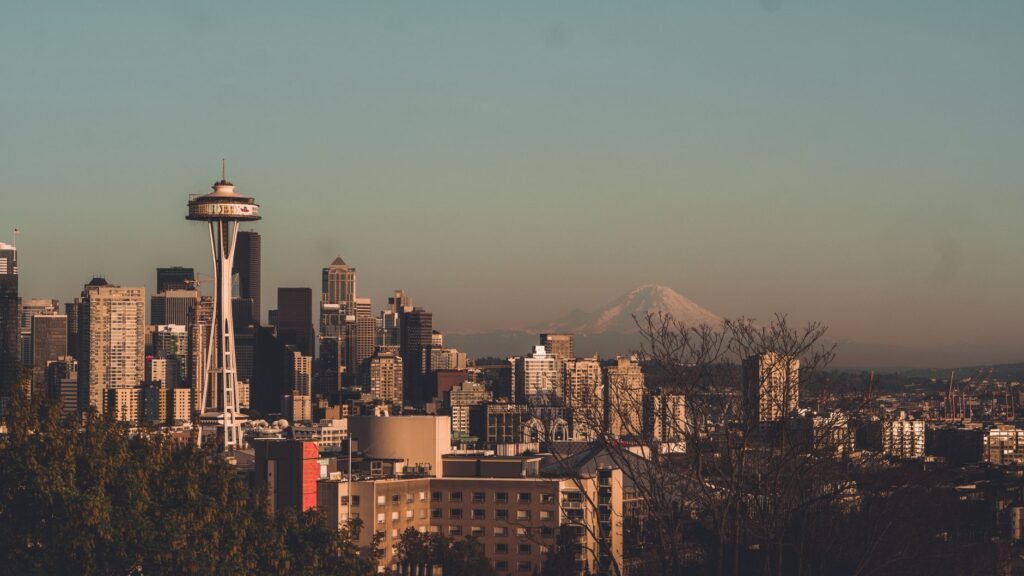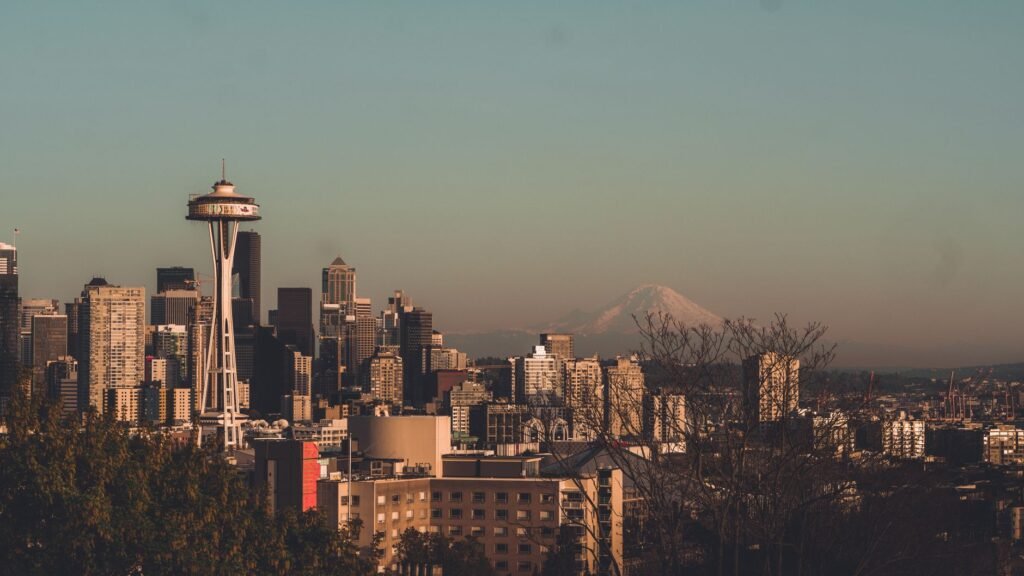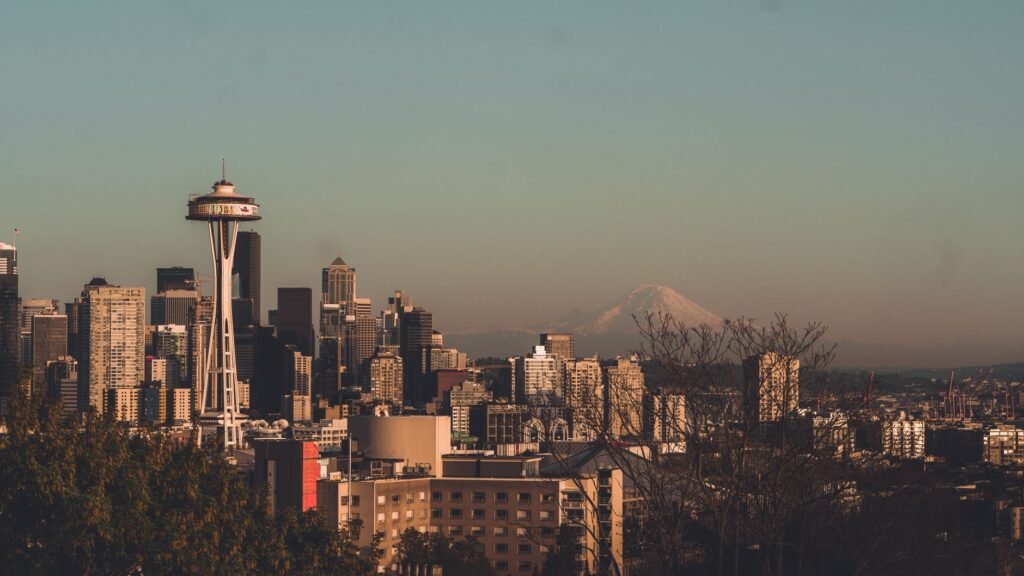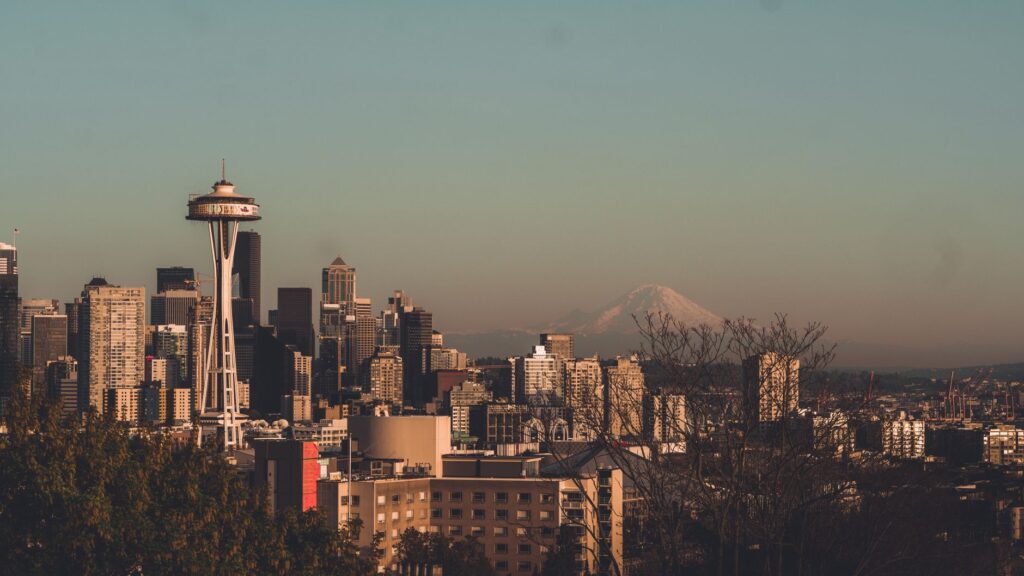
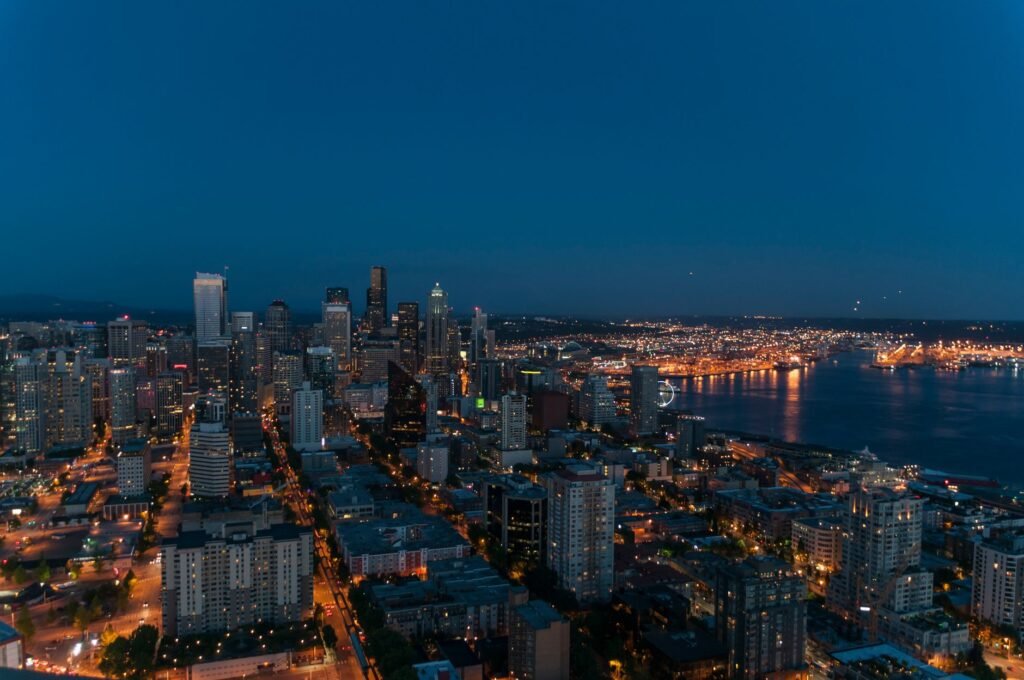
The best inexpensive things to do in Seattle will keep you occupied for days without draining your wallet. Most visitors expect rain and coffee prices to dominate their trip. The truth is sharper. Seattle offers plenty of free and cheap activities. You can walk neighborhoods, explore markets, and catch views that cost nothing. The city rewards exploration more than it rewards spending.
Public Markets and Neighborhoods Cost Almost Nothing
Pike Place Market is the obvious pick. It’s free to walk through, which is the whole point. Most people show up expecting to buy souvenirs or food. Smart visitors browse first. Watch the fish vendors work. Smell the flowers and fresh bread. Then grab a coffee somewhere that isn’t Starbucks. The original Starbucks is there, sure. So is a dozen better cafes. You’ll spend five bucks on a drink instead of four. The market costs you nothing unless you choose to buy things.
The real value is in the neighborhoods beyond Pike Place. Ballard smells like fish and coffee near the market at 7am. Fremont feels like artists moved in and never left. Capitol Hill hums with actual life instead of tourism. You can walk these areas for hours without paying a dime.
Walking is the cheapest and often the best way to see Seattle.
Waterfront Views Without the Tourist Markup
The waterfront is free to access. This is not obvious to first-time visitors. You assume views cost money. They don’t here. Walk along the Alaskan Way. Catch the ferries moving in and out. Watch the Olympics across the water. On clear days, the mountains show. On cloudy days, you still see the water.
The ferry rides themselves are cheap and worth taking:
- Bainbridge Island ferry costs about twelve dollars round-trip. Takes thirty-five minutes each way. The island has shops and a good park on the other side.
- Vashon Island ferry is less crowded than Bainbridge. Takes about an hour. Bring a bike or rent one there.
- West Seattle ferry is brief and mostly locals. Feels less touristy. Good beaches nearby.
You don’t need to buy anything on the other side. Just ride the ferry and come back. That’s a two-hour break from the city for under twenty bucks.
Museums and Galleries on Cheap Days
Most Seattle museums have free or discount hours. Check ahead. These change seasonally. The Museum of Flight has a free evening once a month. The Seattle Art Museum offers discounts on Thursday evenings. The Pacific Science Center offers discounts on certain days too.
Skip the museums if you’re tight on time. Most are standard stuff. The flight museum is the exception. Seeing the original Boeing planes in person hits different. Most other cities charge forty or fifty bucks for this. Seattle feels smarter about it. Still, it’s not free unless you catch the right night.
Walk through the neighborhoods instead. Capitol Hill has street art that beats most galleries. Belltown has galleries that don’t charge entry. Fremont has public sculptures and quirky shops. You see the culture without the admission desk.
Parks and Water Access
Green spaces are what Seattle does best. Most cost nothing. Discovery Park is the largest and sits on water. Views of Puget Sound and the Olympics. Trails wind through forest and along cliffs. Go on a weekday morning if crowds bother you. Sundays mean families and traffic.
Lake Union Park lets you walk right to the water. Trails loop around. No entry fee. Gas Works Park sits on a former factory. Weird architecture. Good views of the city. Sunset there beats most paid activities. People bring blankets and watch the light change.
What to expect in Seattle parks varies by season:
- Spring brings rain and mud but also green growth. Not the prettiest time.
- Summer is dry and packed. June through September is peak tourism. Plan ahead if you go then.
- Fall is mild with fewer crowds. Early fall is ideal.
- Winter is dark but quieter. Rain happens often.
Beach access around Seattle is mostly free. Alki Beach in West Seattle feels like a real beach. Golden Gardens Beach in Ballard is less crowded. These have parking costs sometimes. Walk if you can. Bring a sweater. Water is cold most of the year.
Also read: best skiing snowboarding near seattle resorts
Food on a Budget
Seattle eating doesn’t require spending a lot. The city has strong Vietnamese and Thai food. Quality and price both beat most American cities. A full meal costs eight to twelve dollars. These neighborhoods have better food than touristy downtown spots.
International District has dim sum on Sundays. Arrive before noon. Carts come by your table. Point at what looks good. Full meal for ten bucks. Capital Hill has countless cheap ethnic options. Walk the neighborhood and pick by smell. Belltown is posher and more expensive. Skip it unless you have a specific place.
Pike Place Market has vendors selling prepared food. Skip the tourist traps near the entrance. Walk deeper into the market. You find better prices and real customers instead of camera-toting visitors. Bing (Chinese crepes) costs five bucks. Pho costs seven. These are real meals, not snacks.
Grocery stores sell prepared food too. Safeway and QFC have hot bars. Not as good as restaurants. Cheaper than eating out. Useful if you’re staying somewhere with a kitchen.
Neighborhoods to Explore on Foot
Fremont is where you spend a afternoon walking. It’s quirky without trying. The Fremont Troll sits under a bridge. It’s weird and worth seeing. Cost is free. The Sunday market happens year-round. Artists sell crafts and vintage stuff. Food vendors too. Cheap eats and no-pressure browsing. The neighborhood has cafes and thrift stores. You can kill hours there for nothing.
Capitol Hill is the neighborhood with energy. Vintage shops line the streets. Bars and live music venues are everywhere. Most have cheap or free entry for shows. Walk around and check bulletin boards. Something live happens most nights. The park at the center has trees and benches. People watch from there for free.
Ballard is close to water and has good restaurants. The neighborhood feels less touristy than Capitol Hill. Walk to the locks and watch the boats pass. Fish hatchery is there too. No cost. Ballard Avenue has shops and galleries. Most galleries don’t charge entry. You see local art while killing time.
Wallingford is quieter than the others. Less dramatic. Good for a slow walk. Shops are local not chain. Cafes have locals, not tourists. Park near 45th Street and explore from there. Walk east or west and see what happens. Best neighborhoods reveal themselves to wanderers.
Getting Around Cheap
Rent a bike. Most days you can bike Seattle without getting soaked. Serious rain happens but not every day. Bike rental is fifteen to thirty bucks a day depending on the place. You see more than you would from a bus. You move faster than walking. This is the sweet math.
Public transit works but isn’t free. One ride costs about three dollars. A day pass is about eleven bucks. Buses and light rail run all over. Not as good as biking for exploration. Good when it rains or you’re tired.
Driving is worst. Parking is expensive downtown. Traffic gets bad in the afternoons. Walking or biking beats driving every single time.
Free and Nearly-Free Specific Activities
Chinatown is free to walk through. International District is the same. These aren’t tourist attractions. They’re neighborhoods where actual people live and work. Best way to experience them is wandering and getting lost. Grab lunch while you’re there.
Waterfall hikes are worth the short drive from downtown. Snoqualmie Falls is about an hour away. View costs nothing. You can walk right to the edge. Trails nearby are free too. Other falls require small parking fees. Splurge the five or ten bucks. Beats paying for a museum.
Volunteer Park in Capitol Hill has a water tower. Climb it. Free. The view is good. The climb takes about ten minutes. People do it. Not crowded most times.
Also read: unique places to stay in seattle cool hotels
Timing Your Trip
Rainy months cost the same as dry months. October through April is cheap season. Hotels drop prices. Tourist crowds vanish. Rain is real but manageable. Bring a jacket. Most days aren’t all-day downpours. You can work around them.
Summer is expensive and packed. June through August is peak. Prices double. Hotels are booked. Neighborhoods feel touristy. Winter is dark but you won’t be disappointed. April and May feel good. Not too hot. Not too wet. Fewer crowds than summer.
What You Actually Need to Spend Money On
Accommodation is the big cost. Budget hotels run sixty to ninety bucks a night outside downtown. Downtown is pricier. Airbnb is competitive. Expect to spend eighty to one hundred twenty bucks a night if you’re traveling as a couple. That’s unavoidable.
Food adds up but doesn’t have to kill you. Cheap meals cost seven to twelve bucks. Mid-range restaurants are twenty to thirty bucks. Splurge meals run forty and up. Plan one nice dinner. Eat cheap the other meals. That’s honest budgeting.
Activities themselves are mostly free or cheap. Museums are optional. Ferries are under twenty bucks. Hikes cost nothing. Walking costs nothing. Biking costs about twenty-five bucks for rental if you do it one day.
Transport inside the city is cheap. Outside the city requires driving or a tour. Driving costs gas and parking. Tours cost money. Neither is necessary. The city itself is the activity.
The math works like this. Spend your money on a decent hotel and food. Do everything else for free or cheap. You see more that way. You also see the real city instead of the tourist version. Seattle rewards that kind of travel.
Reference: Seattle