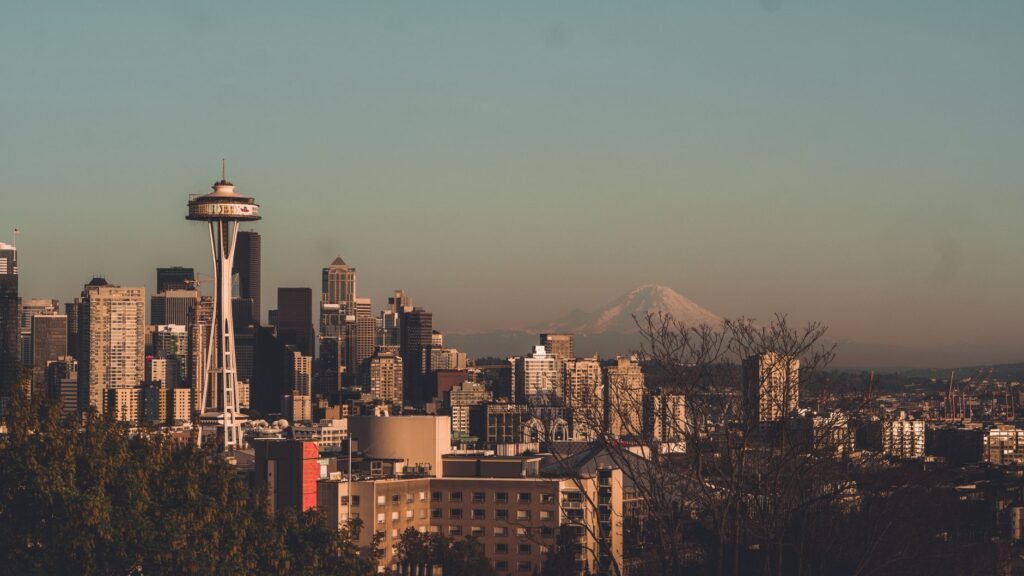
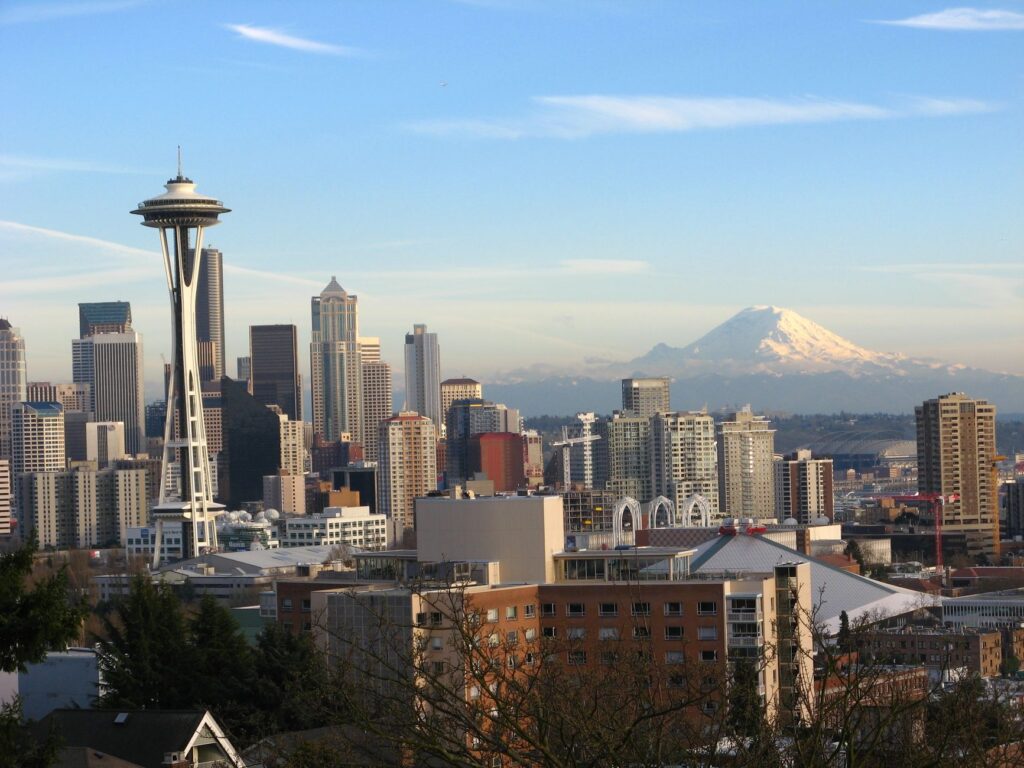
You can reach Mount Rainier from Seattle by car in about two to three hours. The mountain sits roughly 60 miles southeast of the city. It’s close enough for a solid day trip or an easy overnight. Most people take the car option and skip the rest.
That said, the route you pick matters a lot. Road conditions change fast once you leave the interstate. Weather can turn on you without warning. And the park itself has multiple entrances. Know which one you want before you go. This guide will walk you through the choices. By the end, you’ll know exactly how to make the drive. You’ll also know what to expect when you get there.
Why the Drive Isn’t as Simple as It Seems
Mount Rainier isn’t like a typical city day trip. Distance isn’t the main issue. The real trick is the road setup and the mountain’s moods. The peak sits on a volcanic plateau. Snow can block passages from October through June. Summer means clear roads, but also crowds. The park has a main visitor center. It also has a quieter northwest entrance. Each requires a different route from Seattle. Choose wrong and you’ll waste an hour. Choose right and the day flows smooth.
The other wrinkle is that the mountain itself calls the shots. You might plan an early morning drive. Then weather closes the summit road halfway up. Or a storm rolls in and forces the gates shut. This isn’t rare. Not zero, but happens enough that you should plan for it. Always have a backup plan. Maybe a walk around the lodge. Or a hike in the lower forest. That beats sitting in your car hoping the road opens.
Sound like a lot? It’s really not. Most summer days are clear. Roads stay open. You show up, you hike, you drive back. The trick is knowing the basics and respecting the weather. That’s exactly what this guide covers.
Also read: how to get from seattle to mt rainier
The Route From Seattle to the Paradise Entrance
The main gateway to Mount Rainier is the Paradise entrance. It’s the most popular. It has the best facilities. And the drive route is straightforward. Head south from Seattle on I-5 toward Olympia. You’ll drive about 40 miles. Then take exit 133 for Highway 7. This route curves east through the town of Morton. The road narrows once you pass the small towns. You’re now in forest. The road winds up the mountain. The whole drive takes roughly two and a half hours from downtown Seattle.
The route itself is simple and well signed. Google Maps will guide you. You won’t get lost. The real question is timing. Summer traffic heading to the mountain starts early. If you leave Seattle at 8am on a weekend, you’ll hit congestion. If you leave at 6am, the road is empty. The trade-off is an earlier wake-up. For most trips, the early start pays off.
Highway 7 has gas stations and a couple small diners. Don’t skip these if you’re hungry. The lodge restaurant serves food. It’s often crowded. And it’s pricier than the diner back in Morton.
Road conditions matter. Winter and early spring, check the National Park Service website before you go. They post road status updates. Chains might be required. Sometimes the road closes entirely above Ashford. Call ahead if there’s any snow in the forecast. A 90-minute drive can become impossible in 30 minutes of bad weather.
Here’s a basic timeline for the route from Seattle:
- Leave downtown Seattle heading south on I-5
- Drive about 40 miles to exit 133 for Highway 7
- Take Highway 7 east for 45 minutes through Morton
- Continue on Highway 7 as it becomes more winding and mountainous
- Follow signs toward Paradise, the main visitor area
- Park entrance is reached after roughly 2.5 hours total
Parking at Paradise fills up fast on weekends. Arrive by 8am or expect to hunt for a spot. In summer, the lot reaches capacity around 9 or 10am. When it’s full, the rangers turn people away. Plan around this. Either get there early or go on a weekday.
The Nisqually Entrance Route
The Nisqually entrance is the same gate as Paradise. Same parking issues. Same crowds. The route in is slightly different, though. Some people come from the south and east and find this entrance closer. It’s not closer from Seattle. But if you’re combining the trip with other stops, it might make sense.
From Seattle, you take I-5 south past Olympia. Then Highway 702 east, then Highway 7. It’s longer than the direct Morton route. Unless you’re hitting other destinations in the south sound, skip it. The direct Paradise route is faster.
The Sunrise Entrance Option
Sunrise sits on the northeast side of the mountain. It’s higher and often snowier than Paradise. The road to Sunrise doesn’t open until July most years. Sunrise is less crowded than Paradise. The hikes are different. The views can be better. The trade-off is a longer drive.
From Seattle, head I-5 south. Then take I-405 south. Then Highway 18 east toward Enumclaw. Then Highway 410 south toward the park. This route takes three to three and a half hours. It’s longer, but the mountain side is quieter.
A key point: Sunrise opens later than Paradise. If you’re going in early summer, call the park first. The gate might not be open yet. Paradise opens earlier. But Sunrise is worth the extra time if you want fewer people on the trails. The higher elevation also means better views of the peak when weather is clear.
Driving Your Own Car Versus Renting
Most people drive their own car and park at the mountain. That works fine if your car runs. Seattle winters are mild. Ice and snow aren’t common in the city. But the mountain is different. Tire condition matters more than you might think. Summer tires won’t cut it in late spring or early fall. If your car has summer tires, rent a set of all-season tires for the trip. Or rent a different car.
Rental cars at Seattle’s airport run about 40 to 60 dollars a day for a basic sedan. Depending on when you book, prices can be lower. A four-wheel drive vehicle rents for more. It’s not needed in summer. In shoulder season, it’s nice insurance. The extra cost might be worth the peace of mind.
Most visitors drive themselves. The roads are simple. Navigation is easy. Parking at the mountain is abundant unless you arrive late. Your own car also gives you flexibility. You can leave when you want. You can explore side roads. You can stop for photos. You can turn back if the weather looks bad.
The one catch: parking at Paradise lodge costs 30 dollars. Some people gripe about it. That’s the cost. It includes park admission. You can park at various trailheads for free if you walk to them from the lodge parking area. But if you want vehicle access to the lodge, you pay.
Weather and Seasonal Driving Differences
Spring and fall bring unpredictable weather. Snow can fall in May. Rain is common in September. Summer is the safest bet. July and August are nearly always clear. The trade-off is crowds. Plan a summer trip if you hate driving in bad weather. Plan a shoulder season trip if you want fewer people. Just accept that roads might close or chains might be required.
Winter driving to the mountain is possible but not advised. Paradise closes above Ashford often. Sunrise is closed entirely. The drive takes longer. The reward is solitude and great winter views. The risk is getting stuck or sliding off the road. Unless you have serious winter driving experience, skip it.
Spring is gamble time. Some days are perfect and sunny. Other days bring heavy wet snow. The road opens and closes without warning. Check conditions the day before. Call the park. Read recent trip reports. Then make your call.
Fall weather mirrors spring. September can be lovely. October gets iffy. By November, chains are likely. The season shortens quick.
Fuel and Supplies
Fill up your gas tank in Seattle or Olympia. Gas at the park and in the small towns nearby is pricier. A rental car tank costs a bit more to fill. A regular vehicle uses about a half tank for the round trip. So fill before you go. You won’t need much fuel on the return drive.
Bring water. Bring snacks. The lodge has food. It’s overpriced. A sandwich and a drink run 15 to 20 dollars. Bring your own if you’re budget-conscious. The vending machines at the visitor center also have snacks.
Sunscreen matters at high elevation. The sun reflects off snow. Your face will burn. Bring sunscreen even on cloudy days.
The Drive Back to Seattle
The return drive is identical to the way in. No new challenges. You’ve already driven it once. The only variable is weather and time of day. If you leave the mountain at 5pm, you’ll hit some Seattle area traffic around 7 or 8pm. Weekday afternoon drives are smoother. Summer Saturdays mean stop-and-go on I-5 as you approach the city.
Budget three hours for the return. Sometimes it’s faster. Sometimes it’s slower. Stop if you’re tired. A 20-minute break at a rest area is better than falling asleep at the wheel.
Also read: drive from seattle to portland oregon
Bottom Line
The drive from Seattle to Mount Rainier is straightforward. It’s short. It’s scenic. The main route heads south on I-5, then east on Highway 7 toward Paradise. Two and a half hours, tops. The mountain itself is the variable. Weather, crowds, and road conditions change the experience. Plan for summer if you want certainty. Plan for shoulder season if you want quiet. Either way, leave early, check road status, and respect the peak. It’s close to Seattle. Close enough that you can drive it on a whim. That’s the appeal. That’s also why everyone does it. Get there early. The drive is easy. The parking is the real bottleneck.