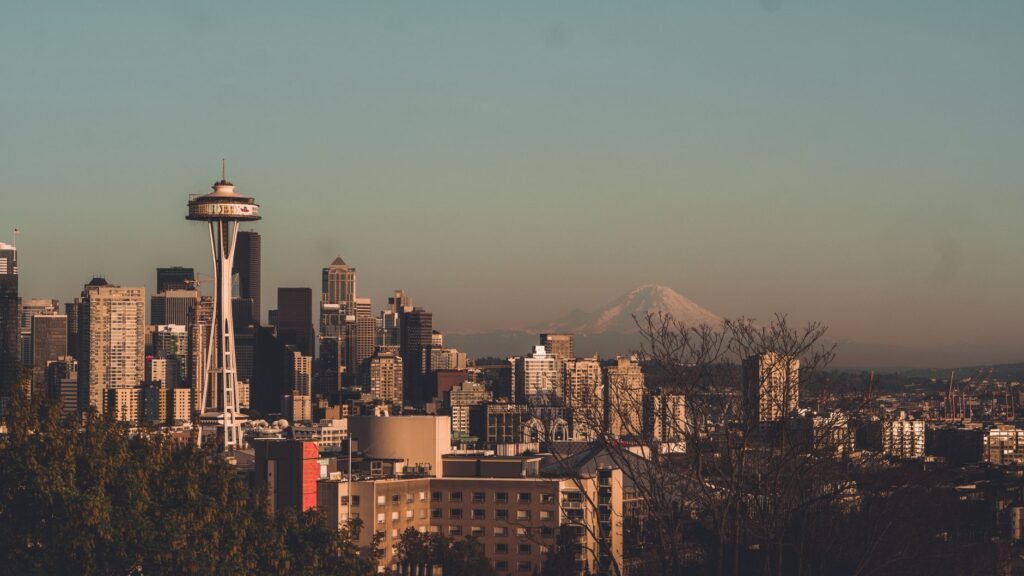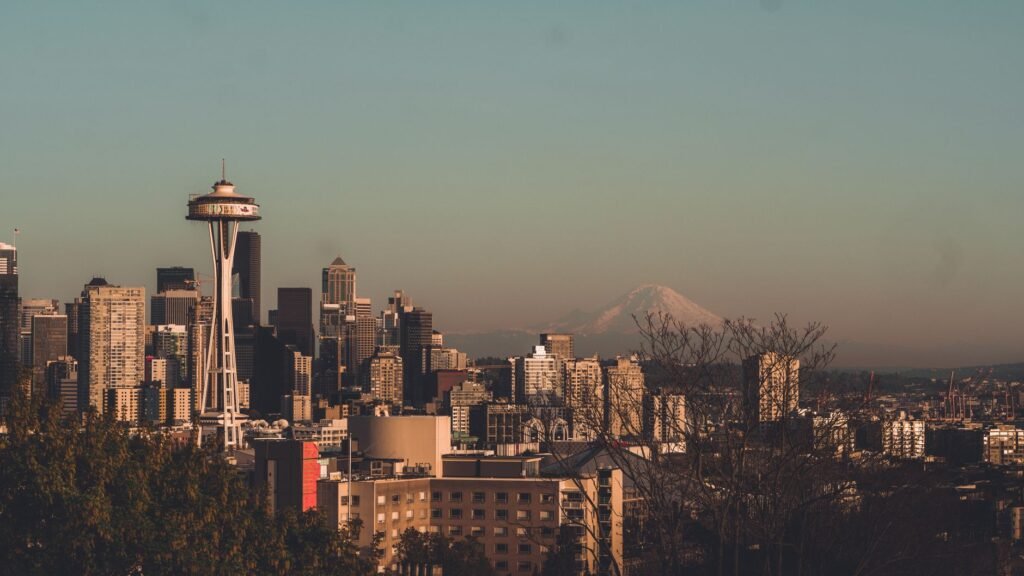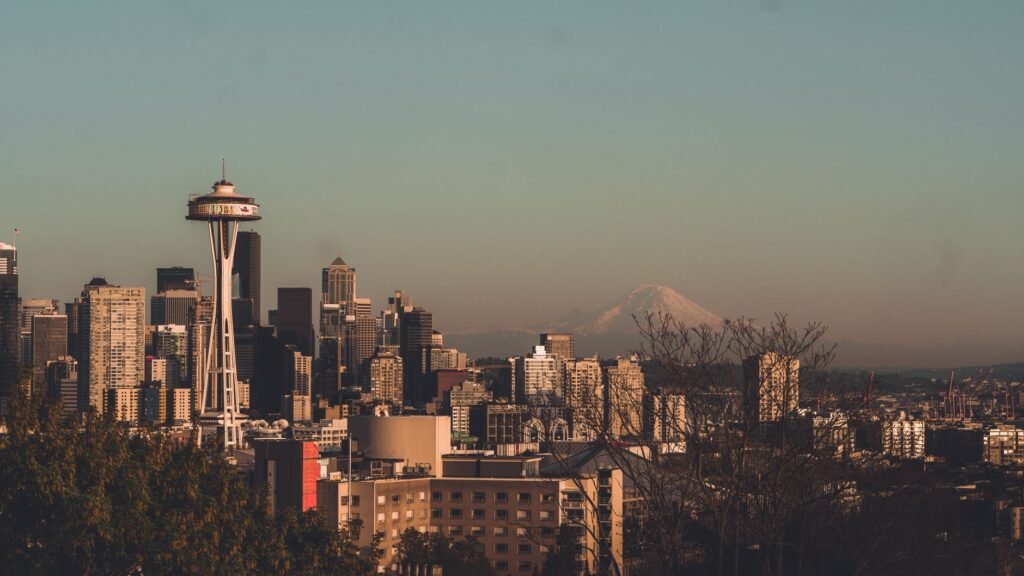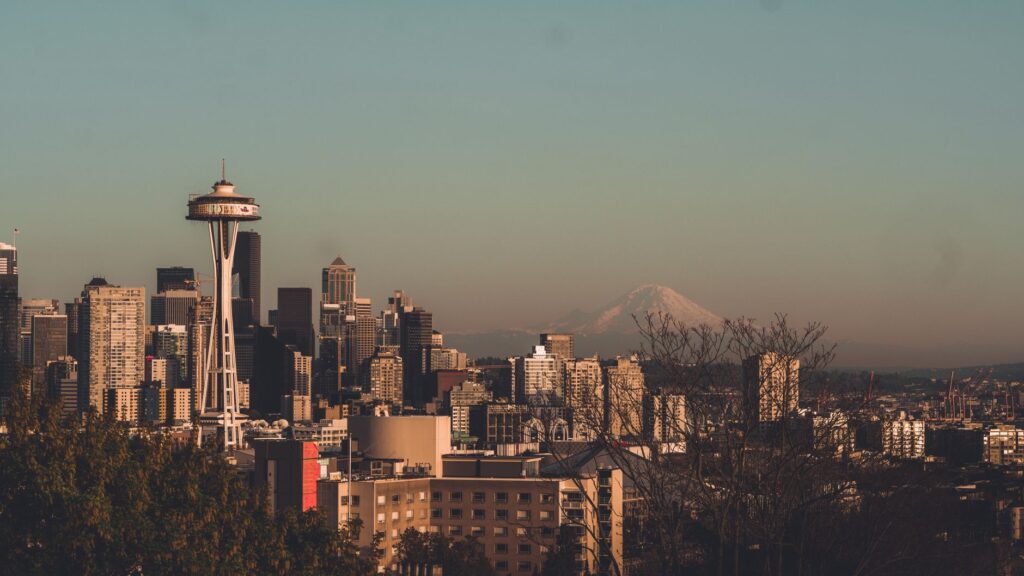
The best winter day trips from Seattle take you into the mountains, to coastal towns, or to quiet forest hikes that feel worlds away from the city. Most of them sit within 90 minutes of downtown. The drive alone often beats staying put on a gray January afternoon.
Seattle winters are gray, not brutal. Temperatures hover in the 40s. What kills you is the flatness of the light and the weeks without sun. A day trip becomes less about adventure and more about changing your surroundings. You need the break.
Snoqualmie Falls and the Surrounding Trails
Head east from Seattle toward the Cascade foothills and you hit Snoqualmie Falls within an hour. The waterfall itself is 268 feet tall. It’s a short walk from the parking lot to the viewing platform. The real trip, though, lives in what comes after.
The lodge at the base offers good food and a warm room. But the trails around the falls are what make the drive worth it. You can walk down to the base of the falls. The sound of water hitting the pool below is loud enough that you forget the city exists. That’s the point.
Winter here means fewer people and a clearer view of the geology. The rock faces shine after rain. Moss covers everything in shades of green and gray. Bring good boots. The ground stays wet most of the season.
The walk to the lodge takes 15 minutes from the parking area. From there, you have options. The lower trail down to the pool is steep and gets muddy fast. Don’t wear shoes you care about. The upper trail loops through the forest above the falls. It’s longer and quieter. Most visitors skip it.
Plan to spend three hours here. Two hours on trails plus time for lunch and coffee. The lodge restaurant serves nothing fancy but makes solid soups and sandwiches. A bowl of clam chowder costs about $12. Coffee runs $3. You can eat slowly and watch the water without rushing.
Stop on the drive back at the town of North Bend. It’s a real working town, not a tourist strip. The bakery there makes good bread. The grocery store feels like something from 1985. You’re only 30 minutes from Seattle, but you might as well be in a different decade.
Read more: Places to visit near Seattle in winter
The San Juan Islands by Ferry
The San Juan Islands sit in the water between Seattle and Canada. Getting there requires a ferry from Anacortes, a port town about 90 minutes north. Winter is the off-season. Ferries run, but the crowds thin out. This changes everything about the trip.
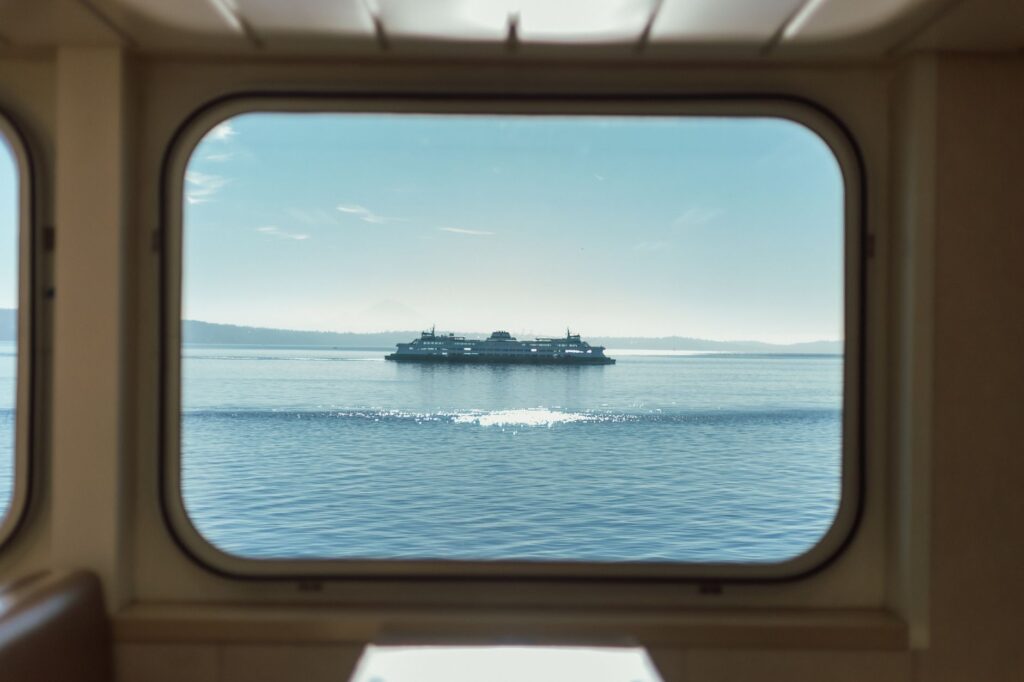
Friday Harbor on San Juan Island is the main stop. The ferry ride takes 90 minutes one way. You sit on the deck in cold wind and watch the water. Eagles appear in winter here. You see them perched in trees along the shore. It’s not rare. Not zero, but rare enough to feel like a gift.
The island itself is small. You can walk the main street in 20 minutes. The Friday Harbor House is a strong hotel if you decide to stay overnight. But the real draw is just being on the island. The air changes. The light is different. You’re on an island in January. Something about that fact loosens the grip of the gray.
Bring cash. Many small shops on the island operate on limited hours in winter. Some close Tuesday and Wednesday. Call ahead if you want to hit a specific restaurant or gallery. The ferry terminal has a restaurant that serves acceptable fish and chips. Expect to spend $16 on a meal there.
What makes this trip work in winter is the ferry itself. Most people see it as a hurdle to cross. In winter, the ferry ride becomes the point. You get motion, water, air, and distance from Seattle. By the time you reach the island, you’ve already had a full experience. The island visit is just the bonus.
The overnight ferry is another option entirely. It leaves Seattle at 10pm and reaches Anacortes at 7am the next morning. A cabin costs about $120. It feels absurd to sleep on a ferry and then drive right back. But you’re on the water at night. You wake up on the islands. Something shifts in your head.
Mount Rainier in Winter
Mount Rainier sits about 90 miles south of Seattle. In winter, the park stays open but the high elevation roads close. You can’t drive to Paradise, the main viewpoint. That’s actually good news.
The road to Longmire, a historic lodge area, stays open. Longmire sits lower on the mountain. It gets less snow than Paradise. In winter it feels like stepping into a different world. The forest gets thicker. The light fades faster. Snow hangs on the branches.
Longmire has a hotel, a small restaurant, and several trail options. The walk around the meadow near Longmire takes about an hour. The forest closes in tight. You see massive old-growth trees. The smell of wet fir needles .
The drive from Seattle takes about two hours. The road itself is straightforward. But check conditions before you go. A winter storm can close the highway fast. Winter weather on mountains moves quick. What’s clear at 8am can be closed by noon.
Bring chains or a vehicle with good traction. The park service requires them. Most people rent them at the gate. A set costs about $15. The rental process takes five minutes. The road to Longmire doesn’t get steep, but it climbs steadily. Your car tires matter less than your decision-making.
The lodge restaurant serves warm food. Nothing fancy. A burger costs $14. A bowl of soup runs $11. You’re paying for the setting. The restaurant overlooks a snow-covered meadow. In winter that’s everything.
The best time to visit is mid-week in January or February. Weekends bring more traffic. Weekdays bring quiet and clearer roads. You reach Longmire by 10am. You hike until your legs tire. You eat. You drive back. You’re home by 6pm.
Also read: Road trip from Seattle to Yellowstone National Park
Orcas Island for a Longer Push
Orcas Island is the San Juans’ larger neighbor. Getting there requires a ferry from Anacortes, but you drive your car onto the boat. The ferry ride is longer but smoother. More room to move. The island itself feels less tourist-focused than San Juan.
Moran State Park occupies the center of the island. The park has trails, a lake, and the highest point in the San Juans. Mount Constitution sits 2,409 feet up. In winter the road to the summit closes. The peak trail is worth the hike.
The walk to Mount Constitution takes about two hours. It’s steep. Your legs will hurt. The view from the top reaches all the way to Mount Baker on clear days. Winter brings clear days more often than summer. The sun sits low. The light turns golden.
The island has fewer restaurants than Friday Harbor. Bring your own food or plan to eat at the lodge near the ferry terminal. The general store in Eastsound, the main town, sells sandwiches and coffee. Buy lunch there. It costs less and tastes better than ferry terminal food.
This trip needs more time than an Anacortes afternoon. Plan for a full day or overnight. The ferry rides eat time. The walks take longer in winter. Your legs are colder. The stops for views happen more often. You can’t rush it.
Concrete and the Upper Skagit
Head north from Seattle toward the town of Concrete. The drive takes about 90 minutes. The Upper Skagit River runs through this area. In winter, bald eagles congregate here by the thousands. This is the largest gathering of eagles in the lower 48 states.
The town of Concrete is small. It sits where the Skagit River widens. A few pullouts let you stop and watch the water. The eagles perch in trees along the banks. Bring binoculars. You see them clearly from the road.
The best viewing happens along the main highway through town. Pull into marked areas and scan the trees. Early morning is best. The light comes from the east. You see the white head feathers. Eagles are bigger than you think. Even from 100 yards away, they’re unmissable.
Concrete has a diner that serves breakfast. The food is honest. Eggs and toast. Hash browns. The coffee is hot. Sit at the counter. Talk to locals. This is not a tourist town. Most people here live on the river.
The drive back to Seattle gives you hours to think. That’s the real point. You watched thousands of birds. You drank bad coffee in a real diner. You saw the actual work of the river. None of it felt curated.
Practical Details for Any Winter Trip
Winter travel from Seattle requires attention to small details that make the difference between a good day and a frustrating one.
The weather changes fast. Dress in layers. Bring a rain jacket even if the forecast says sun. Winter rain here feels personal. It soaks through normal coats. A good jacket costs $100 and lasts years. It’s an investment in actually enjoying these trips.
Roads get slick without looking icy. The temperature hovers near freezing. Snow melts during the day. It refreezes at night. The first icy patch appears when you least expect it. Drive slower than the speed limit. Leave earlier than you think necessary.
Gas up before you leave the city. Mountain and rural gas stations sometimes close early or run out. The small towns between Seattle and these destinations don’t have much infrastructure. Plan like you’re going somewhere remote. You kind of are.
Bring snacks and water. The restaurants in these areas close early or have limited menus. A protein bar and a water bottle weigh nothing. They matter when you’re hungry and the kitchen closes at 3pm.
Check road conditions before you leave. WSDOT has a website that shows real-time closures. Ferries sometimes run on reduced schedules in winter. Call ahead to confirm your sailing.
Bundle up for the walks. Winter hiking means your fingers get cold. Cheap gloves help. A wool hat works better than you’d think. Numb hands ruin a good view.
Most of these trips cost between $30 and $80 in gas. Food runs another $20 to $40 depending on how much you eat out. Ferry tickets for Orcas or San Juan run about $25 round trip per person plus $15 for the car. These aren’t expensive outings. They’re accessible.
The real cost is time. A full day trip means leaving by 7am and returning by 7pm. That’s ten hours of your day. The payoff is a reset. The gray lifts for a few hours. You remember that Seattle sits surrounded by things worth seeing.
Winter day trips from Seattle aren’t luxurious. They’re not exotic. But they work. The crowds disappear. The rain clears sometimes. You drive out early, change your location, and drive back. The roads are empty. The ferries are calm. The mountains watch.
Reference: Seattle