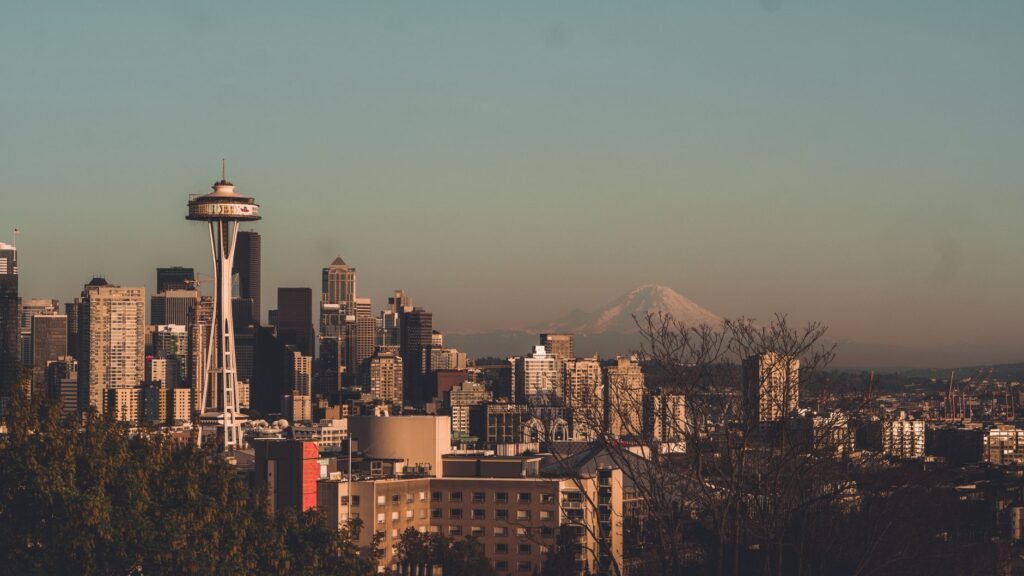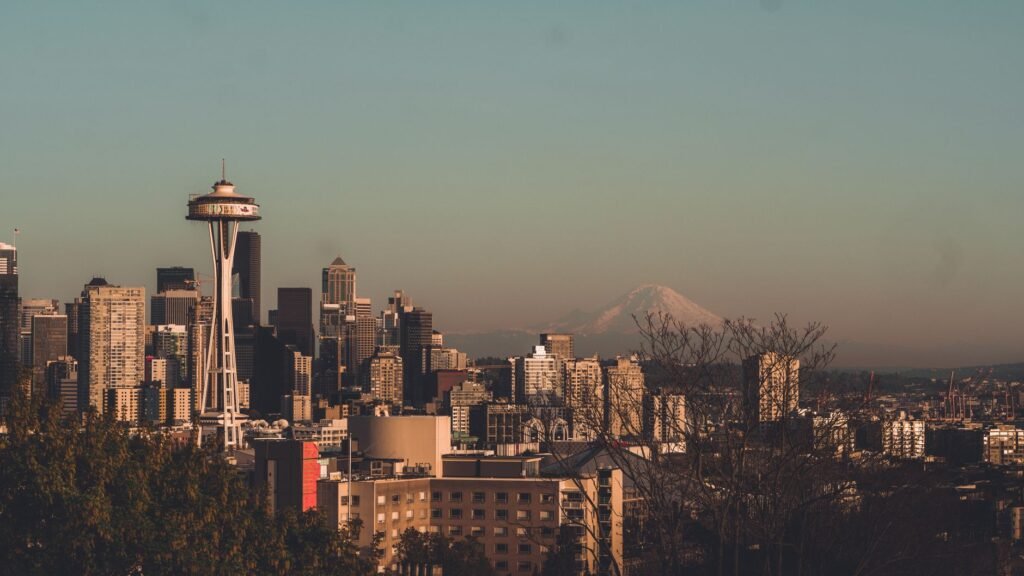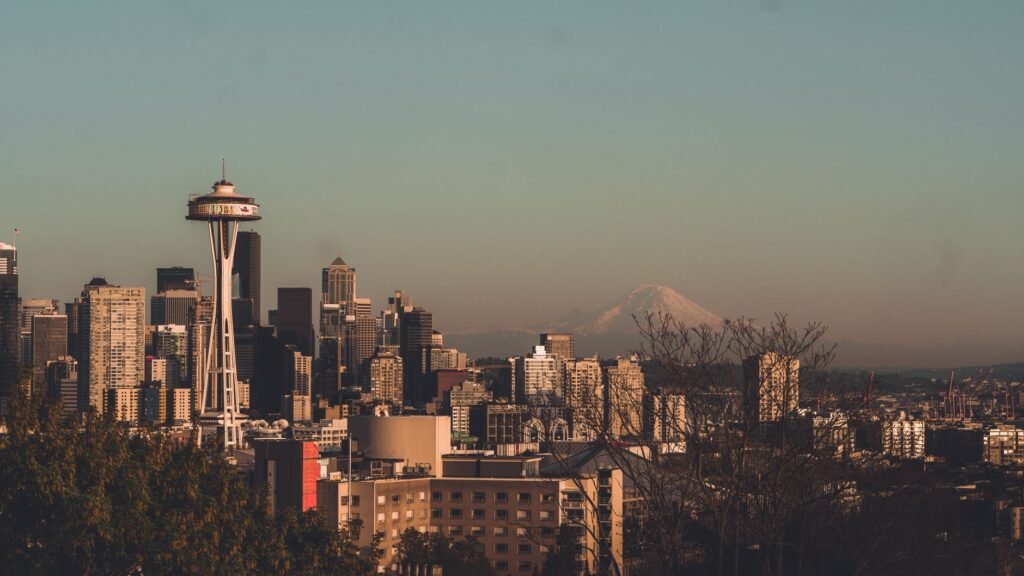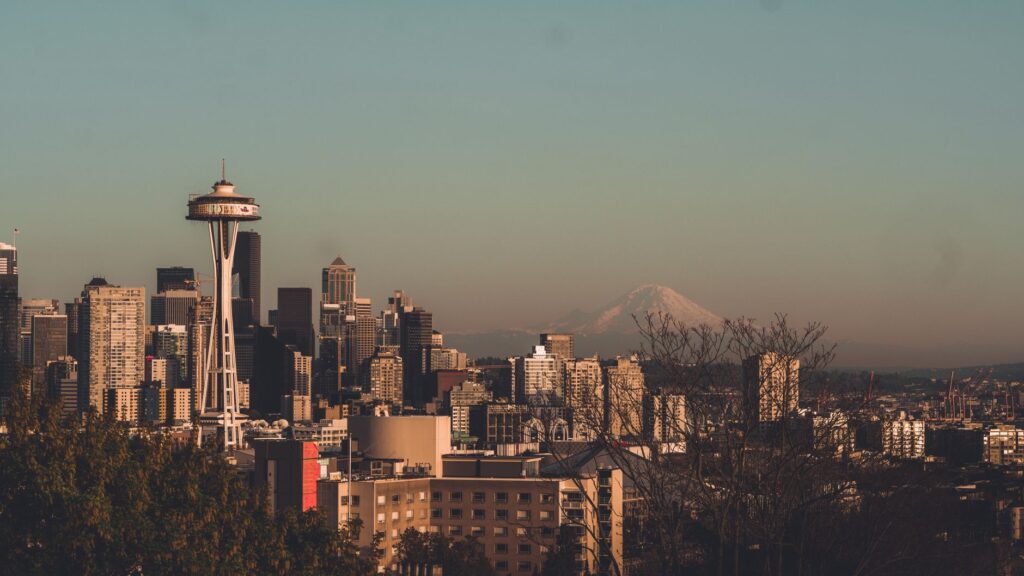
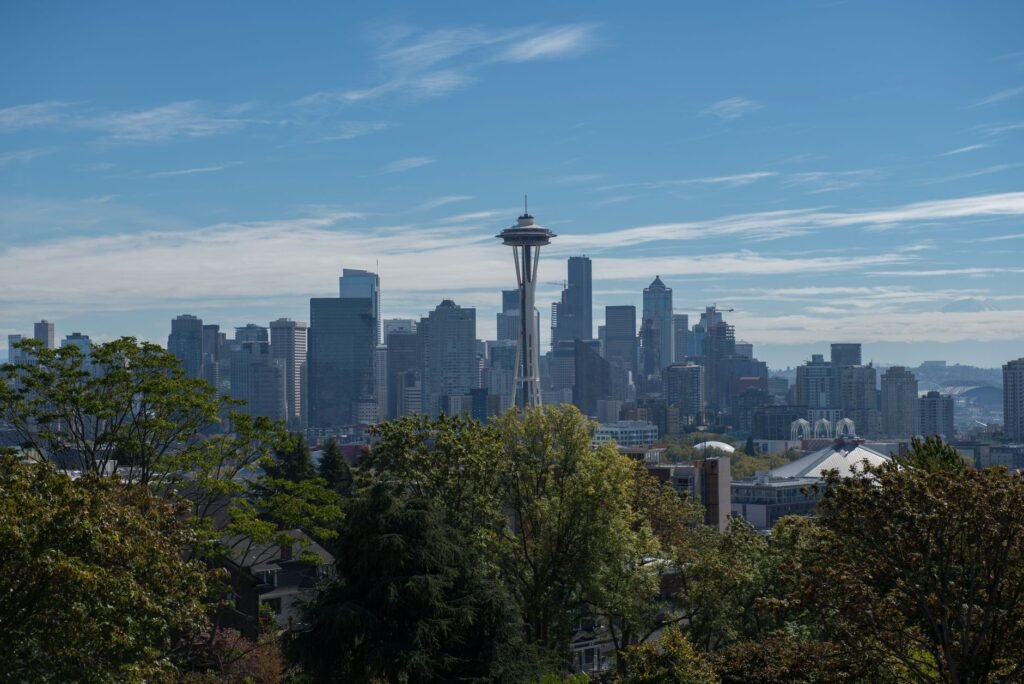
The best outdoor things to do in Seattle center on water, mountains, and parks. The city sits between Puget Sound and the Cascades. That geography is not incidental. It’s the whole reason to visit. Rain is real here, but clear days reward you with scenery that justifies the gloom in between. You can hike alpine trails in the morning and kayak past seal colonies in the afternoon. Most visitors miss this because they stick to Pike Place Market and the waterfront. That’s fine for them. You’re going to do better.
Pike Place Market and the Waterfront
Skip the idea that the waterfront is just a scenic walk with bad fish and photo crowds. The actual outdoor activities seattle offers start here. The market itself sits on a working waterfront. That matters. You’re looking at commercial docks, not a theme park. The smell of fish and coffee near the market at 7am tells you this is a real place.
The waterfront walk itself spans about 1.5 miles of paved path along Elliott Bay. Start early. By 10am on a nice day, you’re shoulder-to-shoulder with tour groups. Go at 6:30am instead. The light is better. The crowd is gone. You see the Sound clearly and the Olympics across the water. The walk takes 20 minutes at a normal pace. You can extend it north another mile to the Ballard neighborhood and its locks, where you watch fish migrate upstream and boats pass through daily. The locks are free and genuinely worth your time.
One real option here is a kayak tour out into the Sound proper. Several outfitters run them from the waterfront. Morning tours depart around 8am. You’ll paddle past the West Seattle Bridge, around Blake Island, and through channels where seals haul out on rocks. Tours run three to four hours and cost $95 to $125 per person. The water is cold year-round. The outfitter provides a wetsuit. Morning trips have better light and calmer water than afternoon runs. Many people book these online weeks ahead. Wait until you arrive and call ahead the night before. Half the time you’ll get on the next day’s tour at less than half price.
Also read: what to do in west seattle a complete local guide
Discovery Park
Discovery Park is Seattle’s largest park at 534 acres. Most visitors don’t bother with it because they think they’ll find the same trails as anywhere else. That assumption is wrong. The park sits on Magnolia, a peninsula west of downtown. It has actual old-growth forest. Trails descend to secluded beach coves. You finish at the water’s edge with views across the Sound to the Olympic Mountains.
The main loop trail is called the Loop Trail, which runs roughly 2.8 miles round trip. It’s well-marked and moderately easy. The real move is parking at the Ballard Avenue lot rather than the main entrance. This puts you lower on the slope. You avoid the crowds at the top. Start on the Loop Trail and descend toward the water. The forest here is thick. Firs tower overhead. The light filters through green. You cross a small bridge over a creek. Twenty minutes down, you hit the beach at Discovery Point. The beach is rocky, not sand. The view north toward Ballard is excellent. The walk back up takes the same time. Most people budget 90 minutes total, including stops.
Alternatively, park at the main entrance on the hill and walk to the lighthouse. This is shorter and stays mostly level. Five minutes gets you there. The views are less dramatic, but the lighthouse itself is historic and the views of Puget Sound are direct. This version works well if you have limited time or kids.
Timing matters here because Discovery Park can be soggy. The trails drain poorly after rain. Go in the morning on the day after a clear night, not during a wet spell. Check the forecast. Rain here doesn’t mean light drizzle. It means actual rain. The trails are muddy. You’ll regret it.
The Cascades and Mount Rainier
The most popular single outdoor activity in the Seattle area is a day trip to Mount Rainier. The mountain sits about 60 miles southeast. The drive takes 90 minutes to two hours depending on which approach you take. Most people aim for the Paradise area on the south side. Paradise sits at 5,400 feet and offers meadow hiking with the mountain as backdrop. The meadows bloom in July and August. Clear days offer unobstructed views. Cloudy days are common and ruin the trip.
A full day hike here might be the Skyline Trail, which runs 5.5 miles with 1,600 feet of elevation gain. This is a moderate hike, not easy. The meadows are open and the views constant. Wildflowers line the trail in summer. You’ll see marmots standing on rocks. The hike takes four to five hours depending on pace and stops. Most people start by 8am to finish by early afternoon. Parking fills up. Get there before 9am or plan to return without hiking. Paid parking is about $30 per vehicle. This is not cheap, but it includes parking for the day. The lot opens at dawn.
A better option for most people is the Reflection Lakes trail, a gentler loop of about 2 miles with minimal elevation gain. The lakes are lower than Paradise and less crowded. Reflections of the mountain bounce off the water on calm mornings. The walk takes 45 minutes. No parking hassle. This works well if you have kids or limited fitness. It also works well if you want to be guaranteed a view of the mountain without fighting the crowds at higher elevations.
The route from Seattle to Mount Rainier offers its own beauty. Drive south on Interstate 5, then east on Route 706. The approach through the White River valley is striking. Trees thicken. The road narrows. The mountain appears suddenly around a bend, enormous. This drive itself is worth the trip. Budget time for stops and photos. Don’t rush it.
Read more: best skiing snowboarding near seattle resorts
Urban Parks and the Arboretum
The University of Washington Botanical Garden, usually called the Arboretum, is a 230-acre park in the middle of the city. It’s not a formal manicured garden. It’s open woodland with labeled specimens scattered throughout. You can walk for hours without seeing another person. Spring brings cherry blossoms. Fall brings color. The trails are flat and easy. No elevation gain. Most people do a loop between one and two hours.
The main parking lot sits on the west side along Lake Union. Walk down to the water level. Look for the Japanese Garden and the Japanese Teahouse. The teahouse sits on a small peninsula with views across the lake toward the city. It’s peaceful and costs nothing to walk through. This is as close as Seattle gets to a traditional Japanese garden.
Green Lake is a different beast entirely. It’s a 2.8-mile paved loop around a lake in a dense residential neighborhood. The path is busy. You’ll see joggers, cyclists, dog walkers, strollers, and tourists. The lake itself is pleasant. The mountains aren’t visible. The loop is flat and easy. It’s a workout route, not a destination route. Do this if you’re staying nearby and want a quick morning jog. Don’t make it a priority over the other options.
Also read: unique places to stay in seattle cool hotels
When to Go
The window for outdoor activities in Seattle narrows sharply by season. Late spring and early fall are ideal. May through June offers long days and stable weather. September through early October brings similar conditions with less rain. Summer is dry and warm but crowded. Expect temperatures in the mid-70s (Fahrenheit). Winter is dark and wet. If you visit in winter, go for the waterfront and urban parks only. Alpine trails are often snow-covered.
The Cascades and Mount Rainier are accessible late June through September. Snow blocks higher trails until mid-July most years. September weather is more stable than August. August brings heat and afternoon thunderstorms in the mountains. Check conditions before driving out.
Logistics and Costs
Transportation in Seattle is simple if you rent a car. Public transit exists but doesn’t reach most outdoor activities efficiently. A rental car costs $40 to $60 per day. Gas is standard. Most drives are under two hours. Park carefully downtown. Parking lots cost $15 to $25 per day. Street parking is metered and limited. Use paid lots. Don’t leave valuables visible in your car.
Bring a light rain jacket even on clear days. Weather changes fast. Layers matter more than one heavy coat. The sun can be intense once it appears. Bring sunscreen. The water is cold year-round. If you’re swimming or kayaking, expect 50 to 55 degrees (Fahrenheit). You’ll need a wetsuit or it’s unpleasant. Outfitters provide them. Hiking boots are worth it for the trails. Sneakers work for the waterfront.
Most outdoor activities are free or have minimal costs beyond parking and equipment rentals. Kayak tours are the main paid activity at $100 to $125. Mount Rainier entry is $30. The rest is gas and your time. Budget for one good meal. Fresh fish near the waterfront is worth $20 to $30 per person.
Seattle’s outdoor activities reward early starts and simple planning. Skip the crowded tourist boxes and head to the water or the trails. You’ll see why people live here despite the rain.
Reference: Seattle