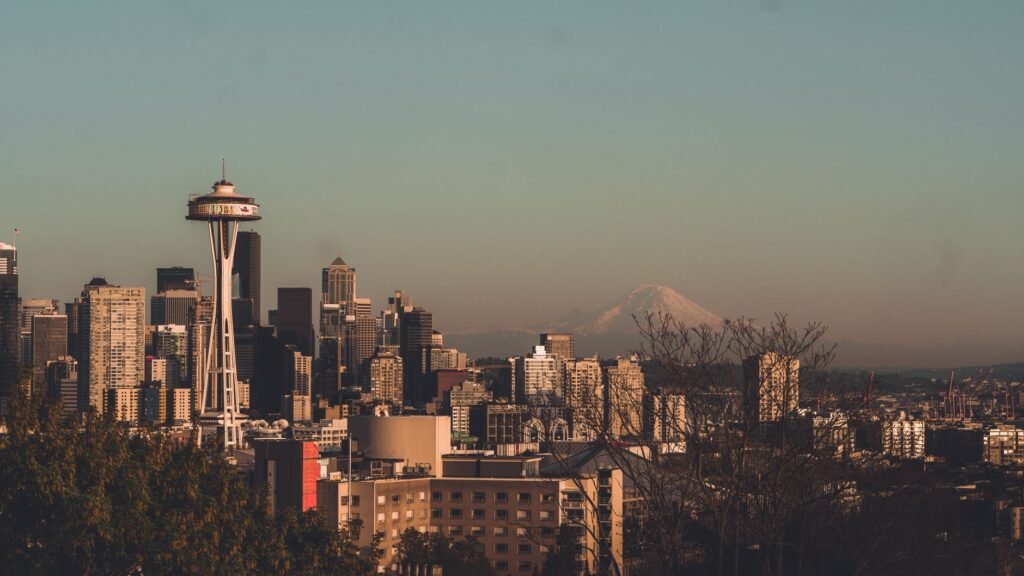
Three days in Seattle is enough time to see the best of the city and know whether you want to stay longer. Most visitors pack Pike Place Market, the Space Needle, and a waterfront walk into a long weekend. That works fine. But you can do better by skipping the tourist traps and spending your time where locals actually go.
Seattle’s real draw is not one landmark. It’s the way the city sits between water and mountains. The rain is real, but it’s not the constant downpour people joke about. It’s a light, steady drizzle that clears fast. Bring a jacket and move on.
Day One: Downtown and the Market
Start downtown early, which means 7 or 8 in the morning. The smell of fish and coffee near Pike Place Market at dawn tells you the whole city in one breath. Tourists arrive in waves starting at 10am. You want to be halfway through by then.
Pike Place Market runs from the waterfront uphill. The famous fish stall where vendors throw salmon gets crowded by noon. Watch it if you want, but the real market is the three floors below. That’s where you find local flowers, produce, and the kind of coffee shops Seattle is actually known for.
Head to the bottom level for seafood and prepared food stalls. The Goldberg’s New York Bagels stand is worth the line. Grab breakfast there and eat it on the water looking at the Olympics. Sound simple? It’s the best meal you’ll have all weekend.
After market time, walk down to the waterfront. The Aquarium is there if you want it, but honestly, skip it. The crowds are massive and the tanks feel small. Instead, walk the piers. The water is cold and gray. Local ferries move back and forth to Bainbridge Island and Vashon. The view from the pier south toward the industrial area is where you see what Seattle actually is, not what it sells to tourists.
Around noon, head into the Pike Place area and walk the side streets. Post Alley has good vintage shops and quiet corners. The Gum Wall is there too if you care about that sort of thing. Most people do. Most people find it sort of gross.
Lunch should be something fast. Piroshky Piroshky sells Russian pastries that are cheap and filling. Or grab something from one of the Asian food stalls tucked into the market. Seattle’s food scene is not fancy restaurants. It’s neighborhoods where people actually eat.
Afternoon is the time to head to Capitol Hill. The neighborhood sits east of downtown and takes 15 minutes by bus or car. Capitol Hill is where you see the real Seattle. The music venues, the bookstores, the coffee culture, the young people who make the city feel alive. It’s not as polished as the waterfront, and that’s why it matters.
Walk Broadway from Pine to Roy. Dip into the side streets. You’ll find vintage record stores, cafes with a real crowd, and the kind of casual energy that downtown lost a decade ago. The Crocodile is the venue where local bands play most nights. You do not need a show to appreciate what the neighborhood is about.
End your first day at dinner in the Hill. Serious Pie makes pizza in a wood oven. Tall Grass Bakery makes sandwiches. Salumi sells cured meats and wine in a space so small you stand shoulder to shoulder with neighbors. This is where Seattle eats when it’s not being Seattle for tourists.
Day Two: Water and Views
Spend your second day getting out of the city center and onto water. This is where the setting matters more than the sights. The sound, the ferries, the weight of the mountains across the water. You need to feel it.
Start by taking a ferry to Bainbridge Island. The ferry terminal is at the waterfront, walking distance from your hotel downtown. Buy a round-trip ticket for about $8. The ride takes 35 minutes.
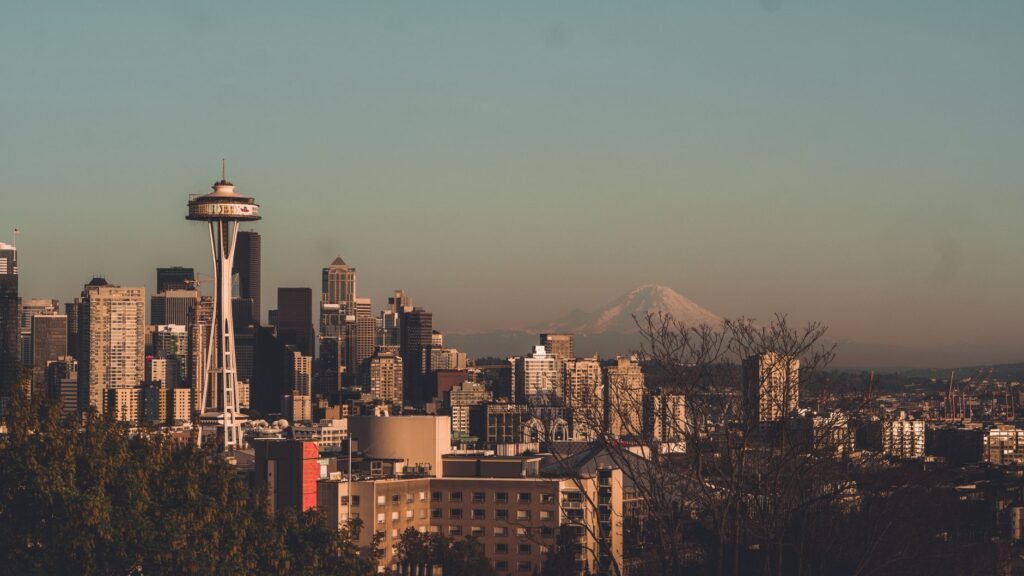
On the ferry, stand outside. Do not sit inside looking at a phone. The view of downtown Seattle leaving is the postcard image everyone takes. It’s there for a reason. The Space Needle gets smaller. The sound opens up. The mountains appear.
Bainbridge Island is a short, quiet suburb across the water. The main town has good cafes and a bookstore worth 30 minutes. But the real reason to go is the ferry ride itself. Coming back to Seattle on the afternoon ferry is better than the morning ride. The light is different. The city looks different from the water than from the ground.
If you want more activity on the island, rent a bike and ride to the park on the south shore. It’s about 8 miles. The ride is flat and easy. The park has a good beach and a view back across the sound toward the city. Most days the light is soft and the water is calm.
Read more: Day trips from Seattle
After the ferry returns, head to the Museum of Flight. It sits south of downtown on the water, where the old Boeing field is. The building itself is worth the trip. It’s a giant airplane hangar converted into gallery space. The collection is serious, not a tourist trap. Even if you don’t care about planes, the scale and light of the space make the visit worth an hour.
Early evening is the time to head to Gasworks Park. The park sits on the north shore of Lake Union. It’s a short drive or 20-minute bus ride from downtown. The park is built on the grounds of an old coal gasification plant. The ruins are still there, towers and metal pipes and industrial decay painted in bright colors.
Walk to the top of the hill in the park as the light drops. The view is south across the lake toward downtown. The city lights come on as you watch. The Space Needle glows. The buildings turn gold. This is the image most people come to Seattle to photograph.
Dinner should be on the water or with a water view. Ray’s Boathouse serves fresh fish at a price. Wallingford, the neighborhood north of the lake, has more casual options. Taneda is a small sushi place that’s serious and not crowded. Serious Pie has another location in Wallingford if you want pizza again.
Day Three: Neighborhoods and Coffee
Your third day is the one where you move slower. You’ve seen the main sights. Now you see how the city actually lives.
Start with coffee. Real Seattle coffee is not about Starbucks, though the company started there. Find a neighborhood roaster. Zoka Coffee in Wallingford roasts beans you can taste. Seattle Coffee Works downtown is small and loud and correct. Espresso Vivace is a counter-service place where the espresso matters more than the room. Order a drink and drink it standing up. Watch the barista. That’s the Seattle ritual, not the Starbucks line.
After coffee, pick a neighborhood you missed and spend the day walking. Queen Anne is hilly and quiet with good views. Fremont is weird and full of art and restaurants. Ballard is where the waterfront is being rebuilt and the fishing industry still exists alongside new bars and shops.
For most visitors, I recommend Ballard. The neighborhood sits northwest of downtown. It’s close enough to reach easily but far enough that you feel removed from the tourist loop. There’s a waterfront with working fishing boats. There are old Scandinavian buildings and new restaurants. Market Street runs through the center with shops and cafes.
Walk to the water in Ballard and look at what’s there. Real boats. Real fishing. Real work. This is what Seattle was before tech money changed things. The neighborhood is changing fast. A lot of money is moving in. But the bones of the place are still visible.
Lunch in Ballard is easy. Le Panier is a French bakery that’s been in the neighborhood for 30 years. Bastille Cafe is French bistro food done right. Ray’s Boathouse has another location here with cheaper food than downtown.
Afternoon walks matter on your last day. Walk back from the water toward Market Street. Duck into side streets. Look at how people live. Seattle is a city of small houses, gardens, and quiet blocks. The noise and crowds downtown are not where most people spend their time.
Here are a few things you should know before you go:
- Rain is normal but light most days. Bring a jacket, not an umbrella. Wind makes umbrellas pointless.
- Public transit is good downtown but slow outside the core. A rental car gives you more flexibility on day two or three.
- Most restaurants close by 10pm. Dinner at 8pm is safer than 9pm.
- Tipping is 18 to 20 percent. This is a union town and workers depend on it.
- Petty theft is real downtown. Do not leave bags on car seats or valuable gear visible.
The biggest mistake visitors make is staying downtown the whole time. The waterfront hotels are convenient. They are also where you miss the actual city. Stay downtown if it’s easier for flights. But spend your daylight hours in neighborhoods. That’s where Seattle lives.
Also read: 2 days in Seattle
Three days is short. You will leave wanting more time. That’s the sign of a good trip. Spend your last night thinking about which neighborhood you would come back to, not which landmark you saw. That’s Seattle.
Reference: Seattle