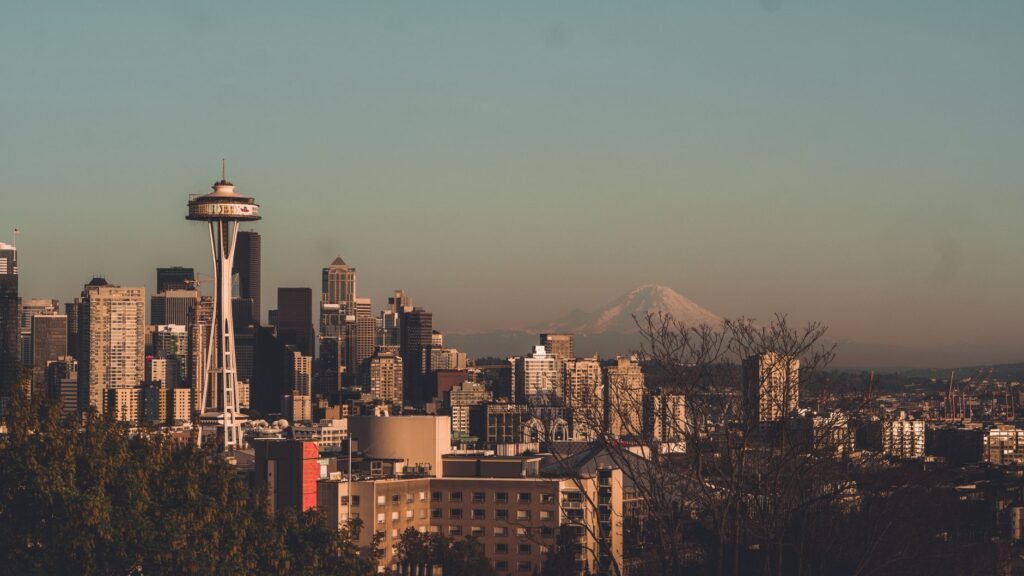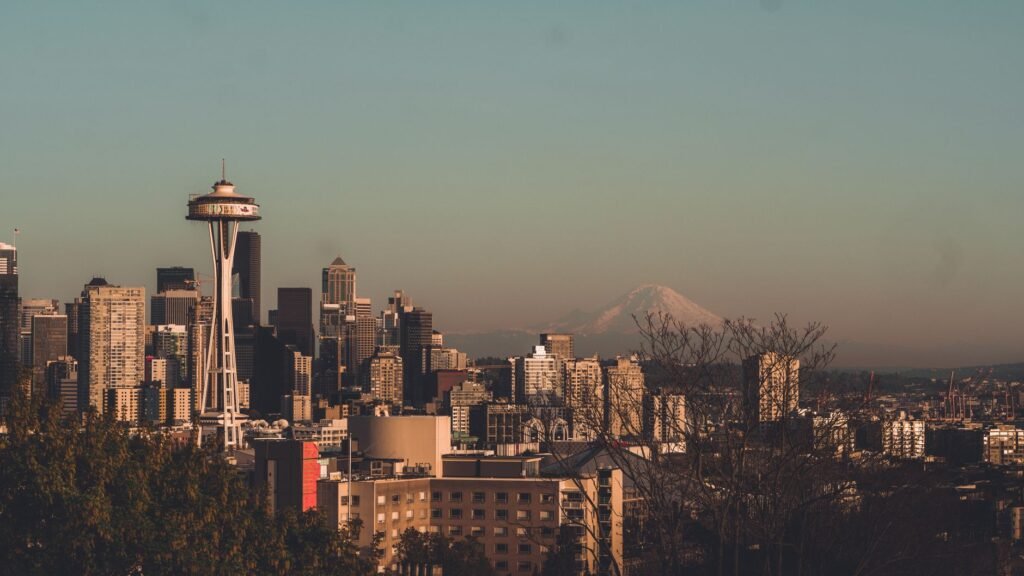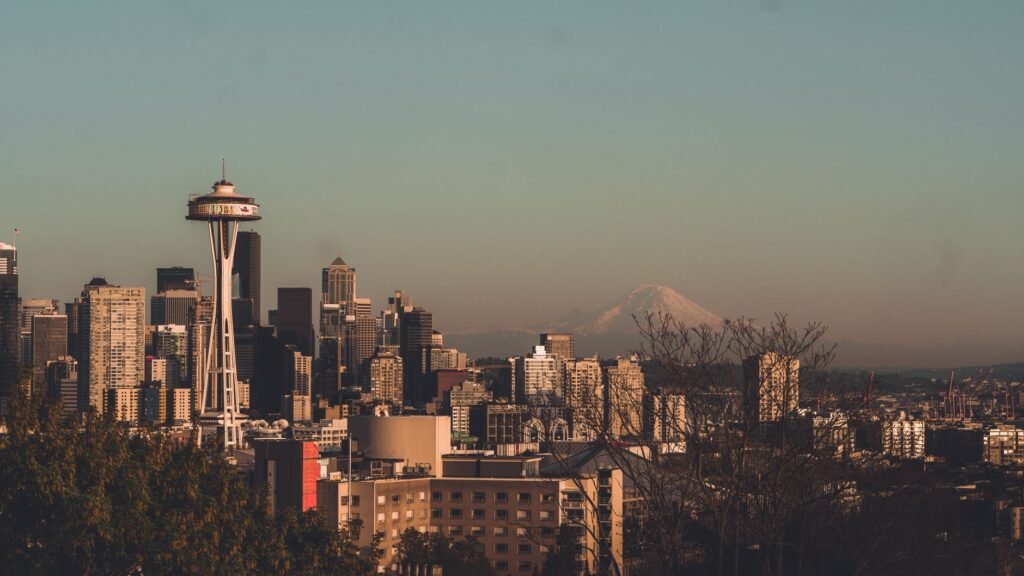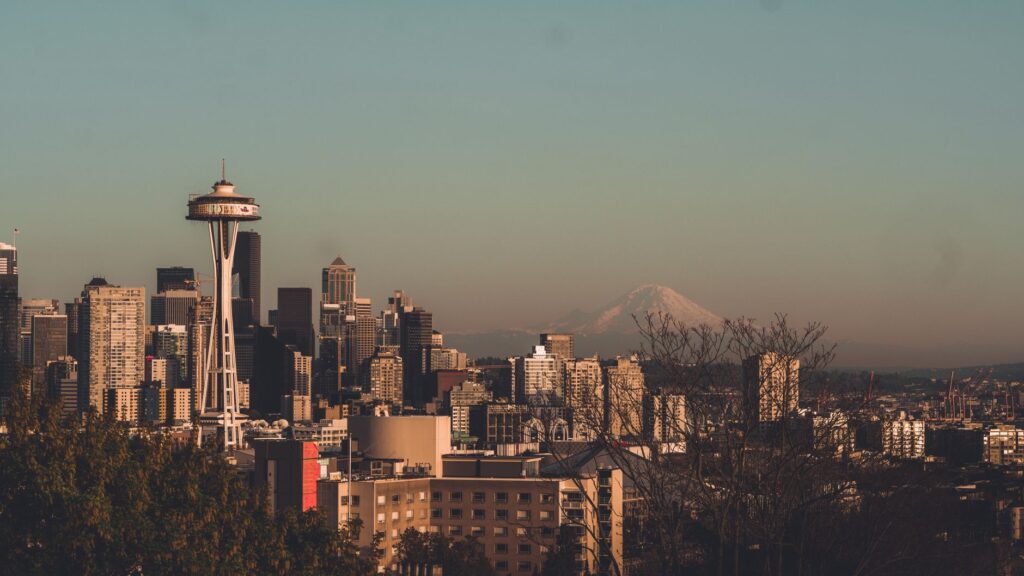
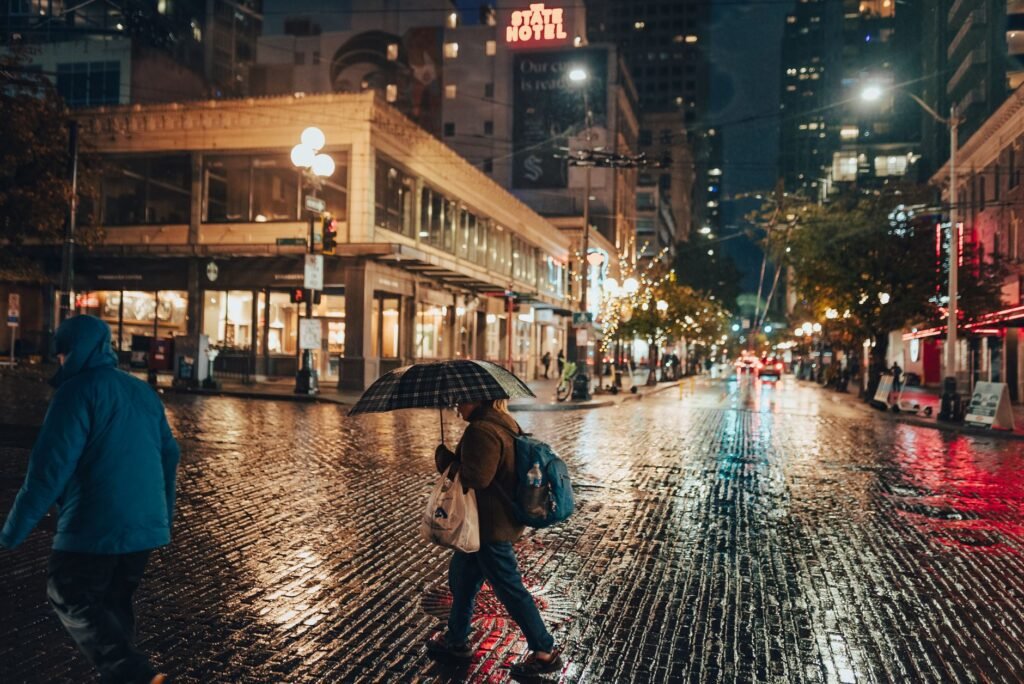
Seattle gets so much rain because it sits where Pacific Ocean moisture meets the Cascade Mountains. The wet air gets forced upward. It cools. It drops moisture. That cycle repeats constantly from fall through spring. The city is not actually the rainiest in America. Surprise. New York and Miami both get more total annual rainfall. But Seattle’s rain feels relentless because it falls as a constant drizzle rather than downpours. You step outside and it hits you. Nothing heavy. Just persistent. That’s the real texture of why does it rain in Seattle so much.
Most visitors get the story wrong before they arrive. They picture clouds so thick you can’t see the Space Needle. That happens maybe five days a year. What you’ll actually find is gray skies and light mist. Some days the rain is barely noticeable. You’ll walk around and only notice your jacket is damp when you stop moving. Other days it’s more obvious. But torrential storms are rare. The nuisance is not the intensity. It’s the consistency and the gloom.
The Geographic Reason for Seattle’s Wet Climate
The Pacific Ocean is the real culprit here. Warm, moist air flows east from the water. It hits the Cascade Range about 100 miles inland. The mountains force the air upward. As it rises, it cools. Cool air cannot hold as much moisture. Water condenses and falls as rain. This process is called orographic precipitation. The ocean keeps feeding moisture into the system. Seattle sits in the path. The mountains sit as a barrier to the east.
The jet stream matters too. In winter, it dips south. This pulls storm systems toward the Pacific Northwest. One storm can sit over the region for days. The moisture piles up. The rain keeps falling. Spring brings some relief. But even then, the air stays moist. Summer finally dries things out. But by September, the pattern starts again.
What’s curious is how the mountains protect Seattle’s eastern side. On the far side of the Cascades, places like Spokane get far less moisture. The air has already dropped its water over Seattle. By the time it crosses the mountains, it’s dry. So your drive from Seattle to the mountains looks like this:
- Leave Seattle under gray skies and drizzle
- Drive east toward Snoqualmie Pass about 60 miles
- Watch the clouds get darker and heavier
- Cross the pass and suddenly enter sun
- Arrive at drier terrain within another 20 miles
The contrast is striking. You understand the geography of why does it rain in Seattle so much when you make that drive. The mountains are not just scenery. They’re a water trap.
Read more: Vancouver to Seattle drive distance time route
Why the Rain Feels Worse Than Statistics Suggest
Numbers lie about Seattle’s weather. The city gets about 38 inches of rain per year. That’s less than the national average. So why does it feel like the wettest place on Earth? Frequency beats totality. Seattle gets rain on about 150 days each year. Most other cities get more inches in fewer days.
Think of it this way. New Orleans gets 60 inches annually. But much of that comes in summer downpours. You can plan around it. Seattle’s rain spreads across the calendar. You plan a hiking trip. Slight chance of rain. You plan a weekend at the beach. Chance of showers. You go out for coffee. Maybe you need a jacket. The unpredictability compounds. It’s not that Seattle is drowning. It’s that dryness is never quite guaranteed.
The drizzle itself changes how you perceive wetness. A downpour lasts an hour. You wait it out. A Seattle drizzle lasts all day. You accept it. You adjust. Your jacket gets slowly wetter. Your pants get slowly damper. By evening, you’re soaked from a day of “light rain.” A visitor from Arizona might count twelve hours of barely-visible moisture as the worst storm of their life.
Cloud cover deepens this feeling. Gray skies show up about 225 days yearly. Not all of those bring rain. But the lack of sun shapes your mood. Vitamin D takes a hit. Your mental model of the day shifts. Even when rain doesn’t fall, the sky threatens it. You carry an umbrella just in case. You dress in layers. Your body stays tense, ready for moisture.
The Seasonal Pattern You’ll Actually Experience
Winter is the rainy season. November through January brings the bulk of it. During this stretch, expect drizzle most days. Rain five to seven days per week is common. The temperatures hover in the 40s Fahrenheit. Cold rain is worse than warm rain. Your hands get numb. Your face gets wet. The experience feels miserable even when the actual rainfall amounts are modest.
February and March still bring rain, but it starts to ease. You might get a few sunny days. Hope builds. The skies clear for a week. Then the pattern returns. It’s a tease more than a relief. By late March, things genuinely improve. April is transition month. Some weeks are dry. Others catch a wet system. But more often than not, you’ll get at least a few clear days.
May through September is your window. This is when you come to Seattle if you care about avoiding rain. Sunshine becomes the norm. Rain is rare. The Puget Sound sparkles. Mountains appear crisp in the distance. This is the Seattle that makes people move here. The other nine months are why people leave.
Here’s what you need to know practically. If you visit October through April, assume rain in your planning. Not constant downpour. Not floods. Just assume moisture. Bring good waterproof layers. Waterproof boots matter. Plan indoor activities. Museums, Pike Place Market, coffeehouses, restaurants. These are your friends. The rain doesn’t ruin anything. It just shifts your approach. If you visit May through September, bring a light jacket for evenings. But plan outdoor activities. The odds favor you.
Also read: Does it snow in Seattle in November
What Seattle’s Rain Actually Costs You
The rain affects your trip in concrete ways beyond getting wet. Your gear costs more. You need a real rain jacket, not a sweatshirt. Good waterproof boots run $100 to $200. An umbrella you actually like might cost $30 to $50. That’s not devastating. But it’s worth budgeting.
Time is the bigger cost. Walking takes longer when wet. Your shoes stick to sidewalks. Your balance changes. What took 20 minutes takes 25. If you’re doing a walking tour, drizzle adds 10 to 20 percent to the duration. You also move slower because you’re less comfortable. Your legs work harder to stay steady. Mental fatigue sets in. By evening, you’re worn down more than you should be from walking five miles.
Photography becomes trickier. Raindrops on your phone camera ruin shots. Drops on real lenses are equally bad. You’re constantly wiping. Windows fog up. Moody gray skies actually work for some shots. But if you came for postcard images of the skyline, rain reduces your success rate. Plan for that. Bring a small cloth. Accept that some hours won’t work for pictures.
Your pace through activities slows. Outdoor museums and markets require constant attention to weather. Is that mist intensifying? Should we move to cover? These micro decisions drain energy. Indoor attractions get crowded because everyone else had the same idea. The experience becomes a bit more rushed. A bit more crowded. A bit less relaxed.
How to Actually Handle Seattle Rain
The key is not fighting it. Visitors who plan to stay dry waste energy. Visitors who plan to get damp, accept it, and move forward have better trips. Your attitude matters more than the weather.
Invest in one good waterproof jacket before you arrive. Not a rain poncho. Not a cheap nylon shell. A real jacket with sealed seams. Spend $100 to $150 on something you’ll keep forever. Wear it. Get wet. The protection is mental more than physical. You know you’ll dry off. You stop caring. You actually enjoy the drizzle. It feels moody and real. The city reveals a different character when it’s wet. Coffee tastes better. Neighborhoods feel quieter. Bookstores become destinations rather than distractions.
Waterproof pants matter less than you think. Regular jeans are fine if you’re only out a few hours. Bring them if you plan all-day hiking in the mountains. Otherwise, accept that your legs might get damp. It’s not a catastrophe.
Here’s what works: accept the rain fully. Do not try to avoid it. Do not complain about it. Plan around it for logistics, but mentally embrace it. Seattle residents do not hate their rain. Many of them like it. It makes the summers feel earned. It keeps the city green and lush. It filters out people who need constant sunshine. And yes, the rain is real. But it’s not an obstacle if you stop treating it as one.
Water-resistant shoes help, but again, not essential. Regular shoes dry out. Your feet dry out. Move on. Umbrellas are personal choice. Many locals skip them. They get blown around. They’re awkward in crowds. Hoods work fine. Rain jackets have hoods. Use them.
Also read: Unique places to stay in Seattle cool hotels
When to Visit Despite the Rain
The answer is not May through September. Yes, those months have better odds of sun. But you’ll share the city with thousands of other visitors. Hotels cost 30 to 50 percent more. Restaurants get crowded. Parking becomes a battle. The Space Needle has lines around the block.
October and April sit in a weird middle zone. Rain is possible but not guaranteed. Some days are beautiful. Some are wet. You’re gambling. The tradeoff is fewer tourists. Better hotel rates. Shorter restaurant waits. If you can handle uncertainty, these months reward you.
Winter rain is actually fine if you prepare correctly. November through January brings the wettest weather. It also brings empty streets. Museum queues are short. You can get reservations at popular restaurants. Prices drop noticeably. And rain, honestly, creates atmosphere. Pike Place Market in drizzle is moody and genuine. The waterfront feels alive and raw. This is Seattle as locals know it. Not the postcard version. The real one.
Skip planning around the weather. Plan around the crowds. Plan around the rates. And accept that in Seattle, rain is part of the deal. It’s not a problem to solve. It’s a characteristic to work with. Pack accordingly. Keep a good attitude. Enjoy the trip regardless of what the sky does.
Reference: Seattle