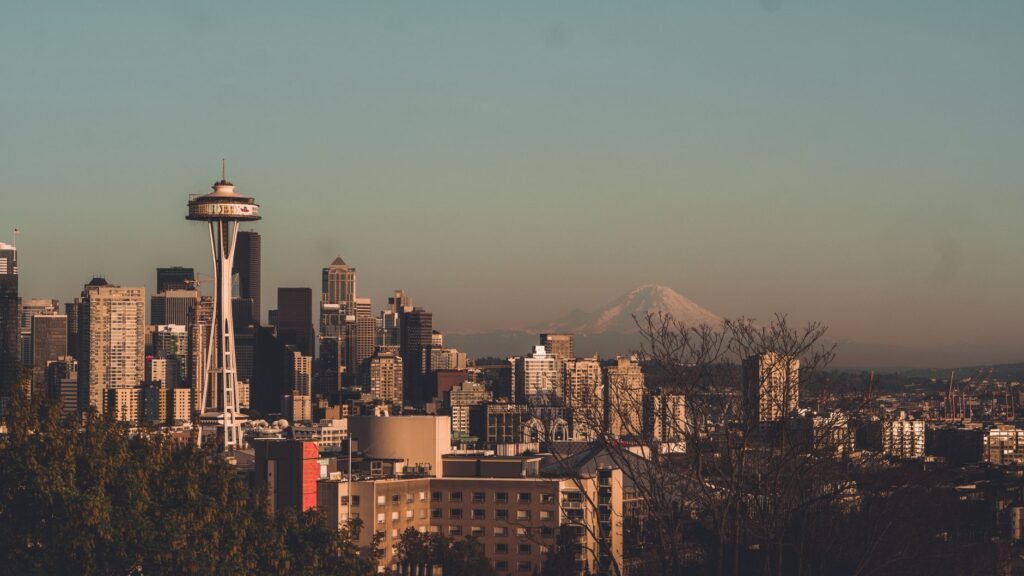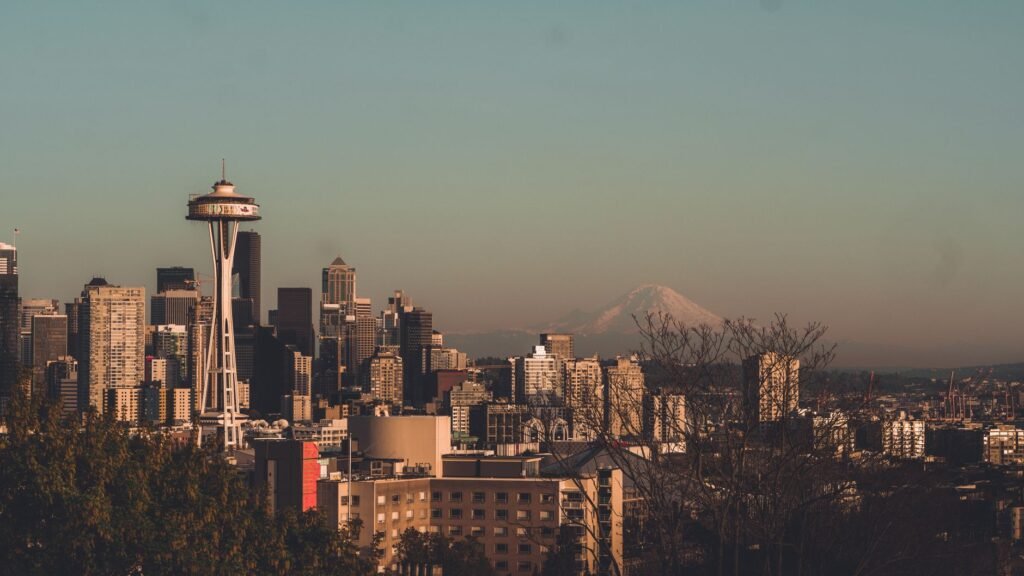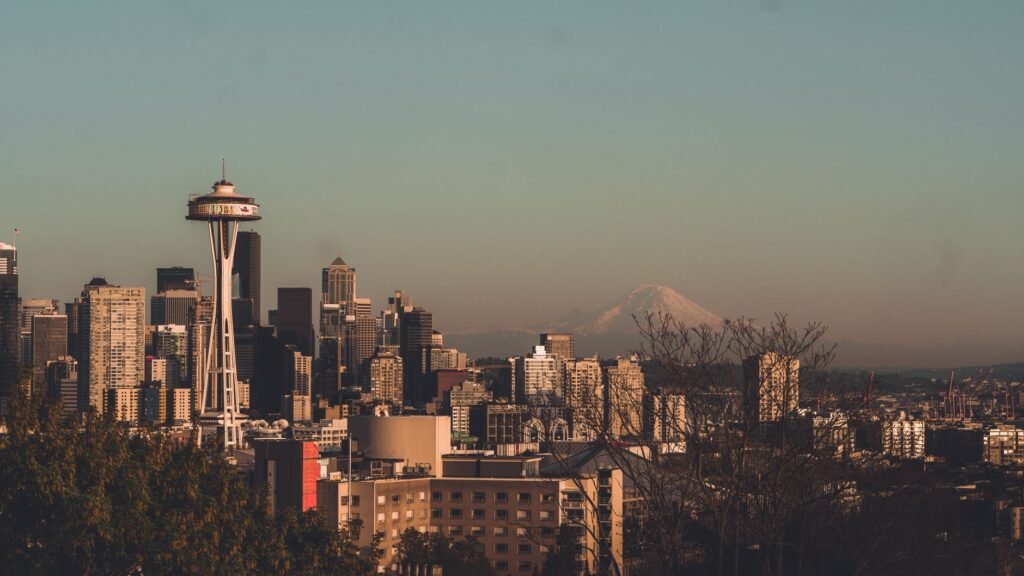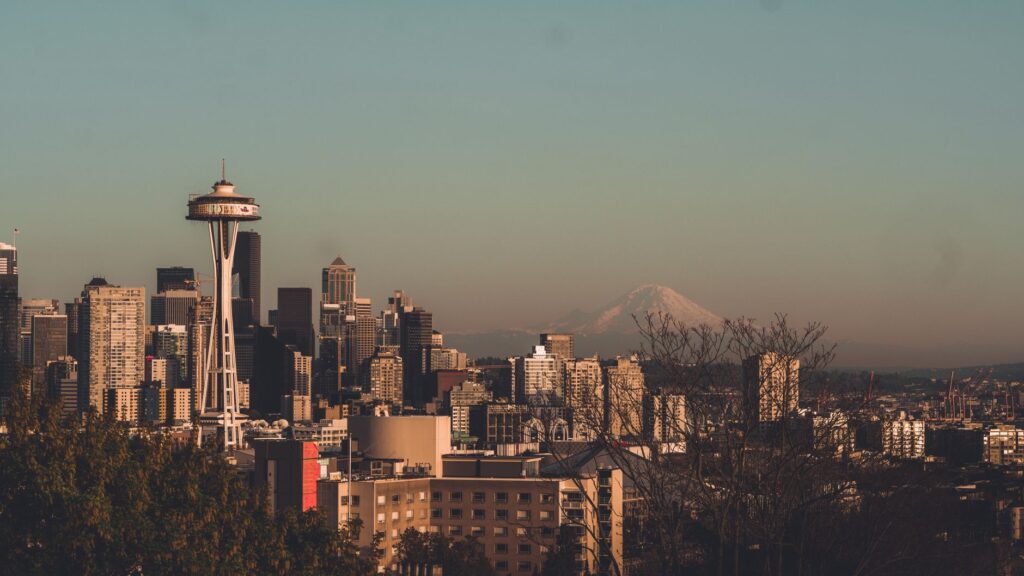
It’s about 420 miles from Twin Falls, Idaho to Seattle, Washington. The drive takes roughly 7 to 8 hours depending on your route and stops. Most people handle it in a day. Some break it into two comfortable legs. Either way, the road is straightforward and the payoff is real.
Why Make This Trip at All
Twin Falls sits in the high desert of southern Idaho. It’s a solid town. People live there, work there, enjoy themselves. But Seattle pulls you north for good reasons. The Puget Sound, the mountains, the coffee culture, the food scene. You can’t get that in Twin Falls. The route itself isn’t boring either. You pass through some decent country. Wheat fields give way to forests. Elevation shifts. The light changes as you move west.
Sound like you need another reason? Most trips between these two places happen because someone is relocating. Or visiting family. Or chasing work. But plenty of people make it a road trip on purpose. They want to see what’s between the start and end. They want to stop along the way. That’s the smarter move if you have the time.
The Direct Route: I-84 West to I-90 North
The fastest path is simple and nearly unavoidable. Head north from Twin Falls on I-84 toward the Oregon border. After about 90 miles you’ll hit I-90 near the Idaho-Oregon line. Turn north on I-90 and stay on it straight through Oregon and Washington into Seattle. The route is flat enough for the first two hours. Then it rolls a little. Then it climbs. By the time you’re in Washington state, you’re driving through real forest.
Why take this route? It works. The interstate is maintained year-round. Gas stations sit every 30 to 40 miles. Rest areas are frequent. You won’t fight traffic until you’re nearly in the Seattle metro area. That happens about 30 miles before downtown. Once you hit Snoqualmie Pass, the road climbs. It’s never dramatic or dangerous on clear days. Rain is another story. In winter or wet weather, chains or all-wheel drive become useful.
The road is boring in stretches. Honestly, some of it is truly dull. Eastern Oregon looks the same for 100 miles. But that’s fine. Boring roads are safe roads. You can make good time. You can listen to podcasts. You can think. If you’re moving at 70 miles per hour, you’ll cover the distance in 6 to 6.5 hours of actual driving. Add stops and fuel and bathroom breaks. You’re at seven to eight hours total.
The Scenic Pause: Crater Lake and the Klamath Basin
If you have a full day or want to make this a two-day trip, a detour to Crater Lake is worth the extra miles. This adds roughly 150 miles round-trip to your journey. But it changes the whole feeling of the drive. From Twin Falls, you drop south to Klamath Falls. Then you drive east to the crater. Then you backtrack west and rejoin I-90. It’s not efficient. It is memorable.
Crater Lake sits at over 7,000 feet. The water is impossibly blue. The caldera is massive. You’ve probably seen photos that made you roll your eyes. The reality is actually that good. The rim road is open roughly mid-July through mid-October. Outside those months, snow closes most of it. If you arrive in June or September, call ahead. Conditions change fast once you leave the interstate.
The lake itself has no crowds like Yellowstone does. You’ll share it with other visitors. But it’s not a theme park. Most people stay 1 to 2 hours. You walk a trail. You stand at the rim. You take photos. Then you drive on. The stop works best if you’re splitting the journey across two days anyway. Sleep in Klamath Falls. Drive to Crater Lake in the morning. Head to Seattle in the afternoon. Or reverse it. Either way, the lake justifies the time.
Read more: Crater Lake
Transportation Options Beyond Driving
Not everyone wants to drive this route. Fair enough. The alternatives exist but they’re not equally good.
Flying is possible but clunky. Twin Falls has a small commercial airport. You can fly to Boise and rent a car. Or fly a regional route to Seattle. But once you factor in getting to an airport early, security lines, and rental costs, you’re not saving much time. You’re certainly not saving money. Driving beats flying for this distance unless someone else is buying the ticket.
Amtrak runs through the region but not conveniently. There’s no direct service from Twin Falls to Seattle. You’d have to drive to Boise first. Then take a train north. The journey would take 20 hours or more. The cost is comparable to driving. The schedule is inflexible. Skip it unless you love trains enough to waste half a day.
Bus services like Greyhound offer cheap tickets. But you’re sitting on a bus for 10 to 12 hours. The stops are frequent. The experience is grim. Save it for emergencies only.
Driving your own car remains the best choice for this distance. You control your schedule. You choose your stops. You listen to what you want. You’re comfortable.
What to Pack and Know Before You Leave
The drive itself doesn’t demand much. But a few things make it easier.
- A full tank before you leave Twin Falls
- Water and snacks you actually like to eat
- Phone charger and a car charger for your phone
- Sunglasses and sunscreen for the reflective parts
- Rain jacket or light sweater for elevation changes
- Cash for tolls if you take certain routes
Check your tire pressure before you go. Highway miles pile up fast. A slow leak becomes a problem 200 miles from town. Your oil doesn’t need checking for this trip unless your car is old. But it doesn’t hurt to look.
Know your route before you leave. Use a GPS. Or write down the basic sequence. I-84 west, I-90 north, stay north until Seattle. That’s it. You don’t need GPS for that. But GPS helps when you’re navigating into your final destination. Seattle neighborhoods can be confusing if you don’t know them.
Timing and Weather Reality
The drive is safe year-round on the I-84 to I-90 corridor. But seasons matter. Summer is fastest and warmest. July and August mean clear skies and warm days around 85 to 90 degrees. Traffic into Seattle picks up on weekends. Leave early on Friday or Sunday if you’re chasing time.
Fall brings changing colors in the forests. October is genuinely lovely. Temperatures drop to the 60s and 70s. Rain starts to appear. Nothing dangerous. Just wet.
Winter closes some alternative routes. But the main interstate stays open. Snoqualmie Pass does get snow. Chains or all-wheel drive help. But the state clears it regularly. Delays happen. Accidents happen too. If you’re driving in December through February, give yourself extra time.
Spring is wet and muddy. Nothing you’ll see from the car matters much. Rain is constant. Temperatures hover around 50 to 60 degrees.
What time of day should you leave? Early morning is safest. You reach the mountain pass with full daylight. You’re not fighting evening traffic in Seattle. If you leave at 6am from Twin Falls, you’re in Seattle by 3pm. That’s a day well used.
Also read: unique places to stay in seattle cool hotels
Budget and Costs
Fuel is your main expense. A typical car uses about 30 miles per gallon. So 420 miles costs roughly 14 gallons. At three dollars per gallon, that’s about 40 dollars in fuel. Gas prices fluctuate. But 40 to 60 dollars is realistic for this drive.
Tolls don’t apply on I-84 or I-90 in this section. No hidden charges. No toll roads. You pay for fuel. That’s all.
Food and hotels are your choice. If you’re driving straight through, pack snacks. Stop at a rest area. Save 50 to 100 dollars. If you split it into two days, add 100 to 150 dollars for a modest room. Fast food or a diner meal runs 10 to 15 dollars.
Getting to Seattle Proper
Once you reach the Seattle metro, the hard part is done. But congestion builds fast once you’re on I-90 heading into the city. You’ll see it coming. Traffic gets heavier around Snoqualmie. It stays heavy through Bellevue. Then you hit Seattle proper.
Know where you’re going before you arrive. Seattle has neighborhoods. Downtown is one option. But it’s cramped and parking is expensive. Neighborhoods like Ballard, Capitol Hill, or Wallingford are friendlier. They have character. They have parking. They’re worth the extra GPS work. Use your phone’s GPS to navigate straight to your hotel or friend’s house. Don’t try to improvise. The water, the hills, and the one-way streets will confuse you fast.
Also read: what to do in west seattle a complete local guide
The Return Trip and One Last Thing
Coming back to Twin Falls is the same drive in reverse. I-90 south, then I-84 east. It’s equally easy and equally long. Most people are more tired on the return. You’ve been traveling. You’re done with the road. Leave early. Push through. Or break it into two days and enjoy the scenery more on the way back.
The drive from Twin Falls to Seattle is not spectacular. It’s functional. It’s safe. It’s doable in a day if you want speed. It’s pleasant across two days if you want some breathing room. Pack snacks, charge your phone, and go. You’ll be in the Pacific Northwest before you know it.