Seattle offers plenty of great things to do for young adults who want food, drinks, live music, and outdoor time all in one trip. The city sits on water, surrounded by mountains and rain. Most people come for Pike Place Market and leave wondering what else they missed. The reality is there is a lot more, and you can pack a solid four or five days without repeating yourself once.
I spent two weeks there across three different seasons. The rain is real but not constant. The coffee is good but not a religion. The prices are high but not shocking if you know where to look. What stands out is that the city feels walkable in patches, then suddenly car-dependent. You need a plan or you waste time hunting for parking and transit connections.
The Waterfront and Pike Place Market
Pike Place Market is where most visitors start, and that is the right call. The market runs year-round and stays lively even in winter. You go for the fish throwing, the flowers, the fresh produce, and the people-watching. You stay for the coffee, the crepes, the bookstores tucked into the corners, and the smell of fish and coffee near the market at 7am.
Get there early on a weekday if you can. Weekends pack in tourists four deep. The market opens around 9am, and you want to arrive by 10am at the latest. The crowds thin out after lunch and pick up again around 4pm when people hunt for dinner options.
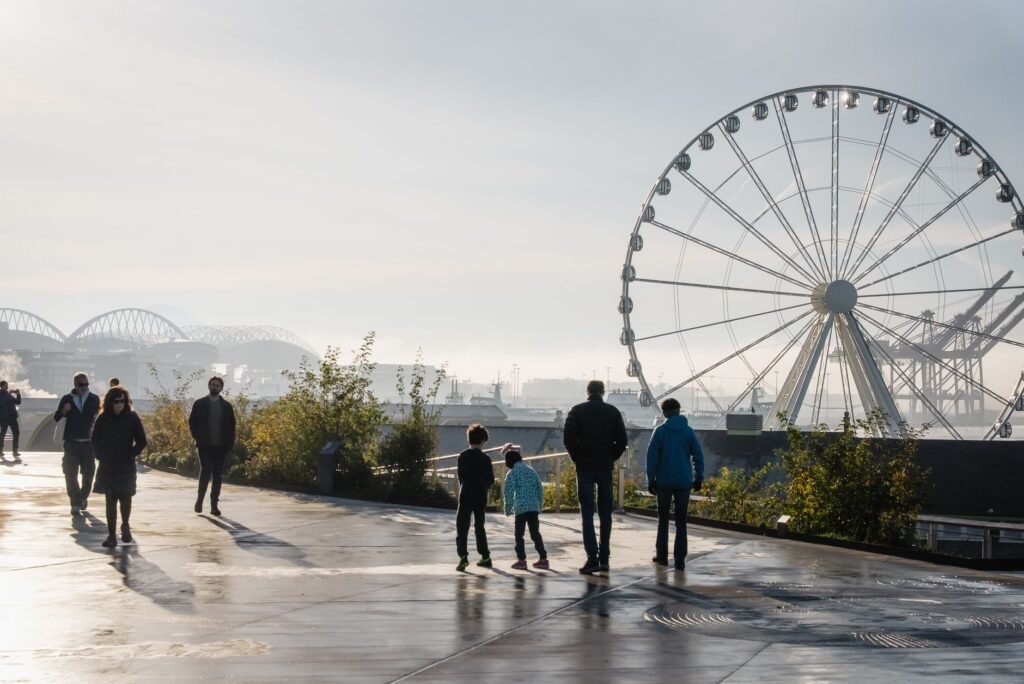
The waterfront itself has changed a lot in recent years. The old viaduct is gone. What replaced it is mostly new construction, parks, and a waterfront promenade that stretches for miles. Walk north from Pike Place toward the Olympic Sculpture Park. The walk takes about 20 minutes and costs nothing. The views of the Sound and the Olympic Mountains are worth the time alone. On a clear day you can see across the water to the mountains on the other side.
South of Pike Place, the area around Pioneer Square has older brick buildings and vintage shops. The neighborhood also hosts galleries, small breweries, and restaurants that serve local food without the tourist markup. The historic underground tour runs from this area if you want to learn how Seattle was built and then rebuilt above its original streets. It is touristy but quick and actually interesting. Budget about 90 minutes total with waiting.
Neighborhoods Worth Your Time
Capitol Hill is where young adults in Seattle actually spend their evenings. The neighborhood has bars, music venues, coffee shops, and restaurants crammed into a dense, walkable grid. You can park once and walk for hours. Broadway is the main spine. The Pike Place Market area, by contrast, feels more like a destination you visit then leave. Capitol Hill feels like a place where you could live.
The music scene is the real draw for most visitors in this part of town. The Paramount Theatre hosts larger touring acts. The Crocodile and Q Nightclub are smaller venues with good sound systems and local and touring bands most nights. Neumos is tucked around the corner. All three venues are within a few blocks of each other. You can walk between them. The cover charges typically run $15 to $35 depending on the band. Most shows start at 8pm or 9pm and run until 11pm or midnight.
Read more: Seattle fall activities for adults
Fremont sits just north and has a weirder, quieter vibe than Capitol Hill. The neighborhood has a famous statue of a troll under a bridge. There is also a large vintage market that runs weekend mornings. Fremont is good if you want to slow down, browse shops, eat a lunch, and people-watch without the bar scene. The walk from Fremont Bridge south toward the water offers views of downtown and the Sound. Plan about two hours to cover the main streets without rushing.
Ballard is northwest and feels more like a proper neighborhood than a tourist zone. The main street, Market Street, has restaurants, breweries, and shops worth the trip. The Nordic heritage of the area shows in the food and the atmosphere. It feels less staged than Capitol Hill. On weekends the historic farmer’s market runs Saturday mornings. The waterfront here is industrial and less developed than downtown, which is actually part of the appeal. You get a sense of working Seattle rather than tourist Seattle.
Outdoor Activities That Don’t Require Gear
The weather is the big wildcard in Seattle. The summer months run clear and cool. Fall is lovely. Winter brings gray skies and regular rain. Spring is unpredictable. You could visit any season and see either blue sky or clouds all week. Rain in Seattle is rarely heavy. It is more like a persistent drizzle that keeps you moving rather than trapping you indoors.
The Discovery Park trails offer forest walks with views of the Sound and Puget Sound. The park covers 534 acres and has multiple loops. The main trail to the lighthouse and beach takes about two hours round trip. The walk is easy and scenic. Parking is free. This is one of the better urban parks in the country. Most visitors skip it for Pike Place, which is a mistake.
Green Lake runs in a circle in a neighborhood called Green Lake. The loop is 2.8 miles. You can walk, jog, or bike it. The path is flat and stays busy with locals throughout the day. The lake itself has a swimming beach in summer. The neighborhood around the lake has coffee shops, casual restaurants, and a gym if you want to shower and change clothes. The vibe is local and low-pressure. You will not see many tourists.
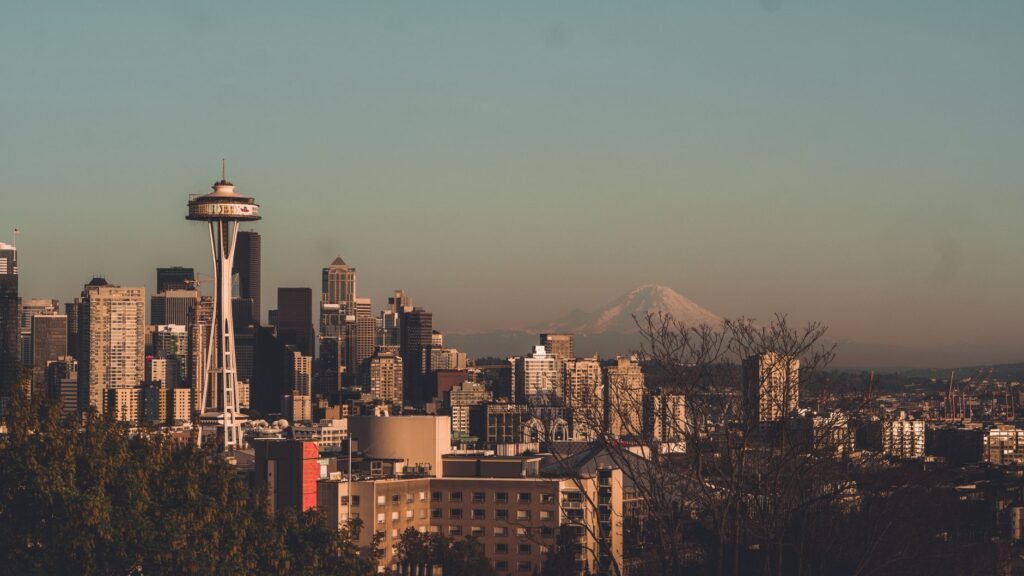
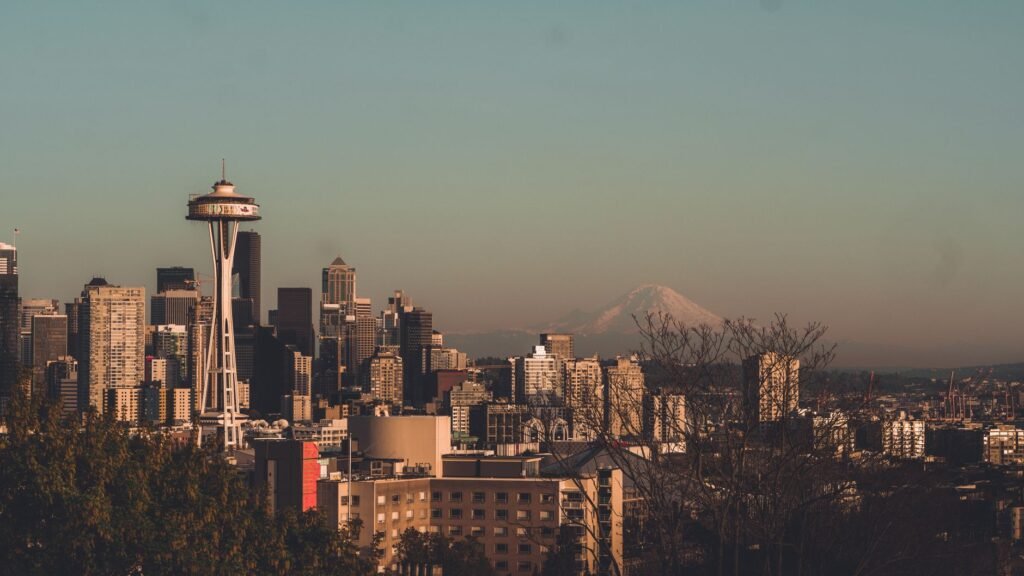
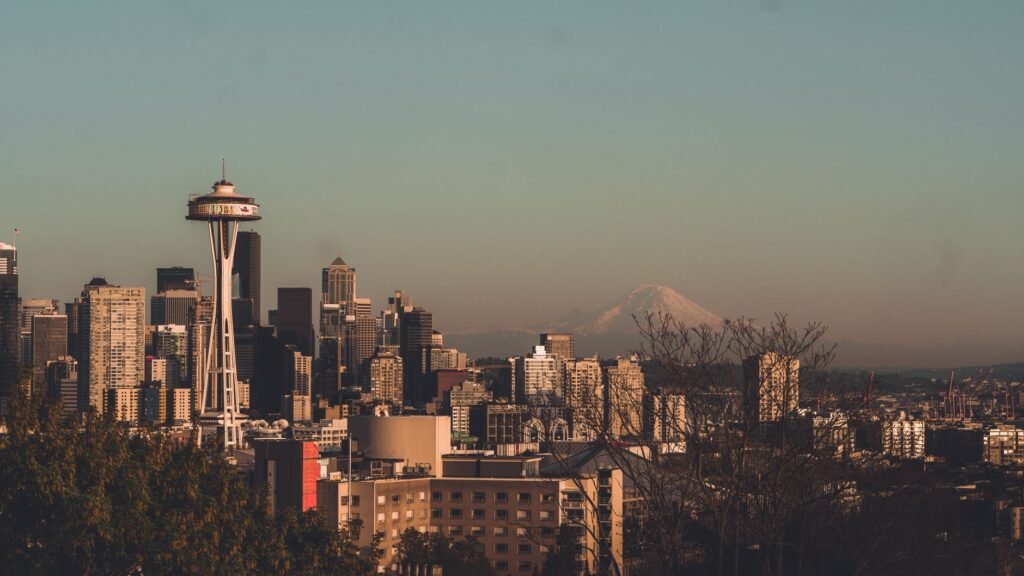
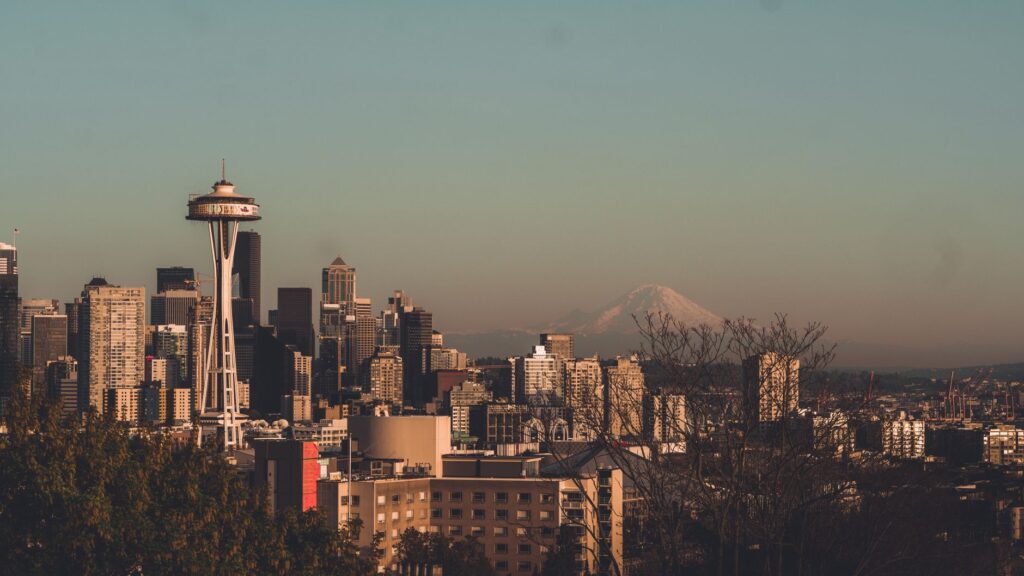
Kerry Park sits on a hill east of downtown and offers the classic postcard view of the skyline with Mount Rainier in the background. There is no admission. Park on the street nearby and walk up. The walk takes five minutes. On a clear day the view is striking. On a cloudy day you see gray. The park stays open until late, so you can come back at sunset if the weather cooperates. Most visitors skip this and then regret it.
Also read: Fun things to do in Seattle with kids
Restaurants and Where to Eat
The restaurant scene in Seattle is solid but not exceptional. The food is heavy on seafood, local vegetables, and Asian fusion. You find good sushi, good Vietnamese, and good Mexican. The prices are high. Budget $25 to $45 per person for dinner without alcohol.
Ivar’s on the waterfront serves fish and chips from a walk-up window. It is a Seattle institution. The food is fried and greasy and good. The views of the water while you eat outdoors are free. Expect a wait during lunch and dinner hours. The quality is consistent and reliable, which is why locals keep coming back.
Tacos are worth seeking out in Seattle. The best ones tend to be in neighborhoods away from the tourist core. Ballard and Fremont both have good taco options. A meal of three tacos and a drink costs about $12 to $15. The meat is well-seasoned and fresh. The owners often run tight operations and care about the quality of the ingredients.
Pike Place has good food but you pay a premium for the location. The original Starbucks sits here and draws crowds. The line moves fast. The coffee is fine. It tastes like Starbucks everywhere. If you want good coffee, walk to Capitol Hill or Fremont instead. Independent roasters offer better drinks and shorter waits.
Breweries cluster in Ballard and around Capitol Hill. The beer quality is solid across the board. Most breweries serve food or allow food trucks on-site. You can spend an afternoon hopping between three or four places. Most pints run $6 to $10. The crowds stay thin on weekday afternoons. Weekends fill up after 4pm.
Museums and Indoor Activities
The Museum of Flight sits south of downtown near the airport. It houses a real collection of aircraft and focuses heavily on Boeing’s history in Seattle. The museum is well-done and takes about three hours to cover at a comfortable pace. Admission runs $30 to $35. You will need to drive or take a rideshare. Public transit works but takes time. This museum appeals most to people who like aviation or engineering. If that is not you, skip it.
The Seattle Art Museum sits downtown on a corner that is easy to reach by foot or transit. The collection is modest but good. You could spend two hours here without rushing. Admission is $20 to $25. The location is useful on a rainy afternoon. The café downstairs serves simple food at tourist prices.
The Experience Music Project is a music museum inside a striking Frank Gehry building. It sits at the Seattle Center. The building itself is more interesting than the content, if you like modern architecture. The admission is pricey at $35. You need a couple of hours. It is less essential than Pike Place or the neighborhoods.
The Chihuly Garden and Glass museum sits next to the Space Needle. It features glass sculptures in indoor and outdoor spaces. The admission runs $30 to $35. It is worth a visit if you like glass art. If you don’t, skip it. The Space Needle itself is the most touristy thing in the city. The views are good but you pay $20 just to ride up. Do it only if you are traveling with people who insist.
Practical Things to Know
The city is walkable in patches. Downtown, Capitol Hill, Ballard, and Fremont are all walkable. The connections between them require transit or a car. The bus system is good but frequent. Download the Metro Transit app before you arrive. Most buses take a card or cash. A day pass costs $5.50. Plan about 15 to 20 minutes for most bus rides within the city.
Parking downtown and in Capitol Hill is a hassle and expensive. Street parking requires a permit or meter feeding. Garages run $20 to $30 per day. If you rent a car, keep it parked at your hotel and use transit or rideshare instead. Uber and Lyft both operate here. Rides within the city typically run $12 to $25 depending on demand and location.
The weather requires a light rain jacket and layers. Even in summer, mornings and evenings cool down. A base layer, a light sweater, and a jacket cover you for most conditions. Bring good walking shoes with grip on wet pavement. The rain is not heavy usually but sidewalks get slick.
Credit cards work everywhere. Tipping is standard at 18 to 20 percent for table service. Bars and coffee shops expect $1 to $2 tips. Most businesses accept card or digital payments. Few require cash.
The best time to visit is late June through early September. The weather is most stable, and prices are highest. April through May and September through early October are also good, with fewer crowds and lower prices. Winter is gray but quieter. Summer in Seattle is warm and clear, and you should take advantage if you have the flexibility.
Most visitors plan for four to five days. Two days covers the market, the waterfront, and a neighborhood or two. Four days lets you add a neighborhood deep dive, some hiking, and a couple of museums. Five days gives you breathing room to stumble on your own discoveries. Less than two days feels rushed. More than a week means you are living there, not visiting.
Reference: Seattle