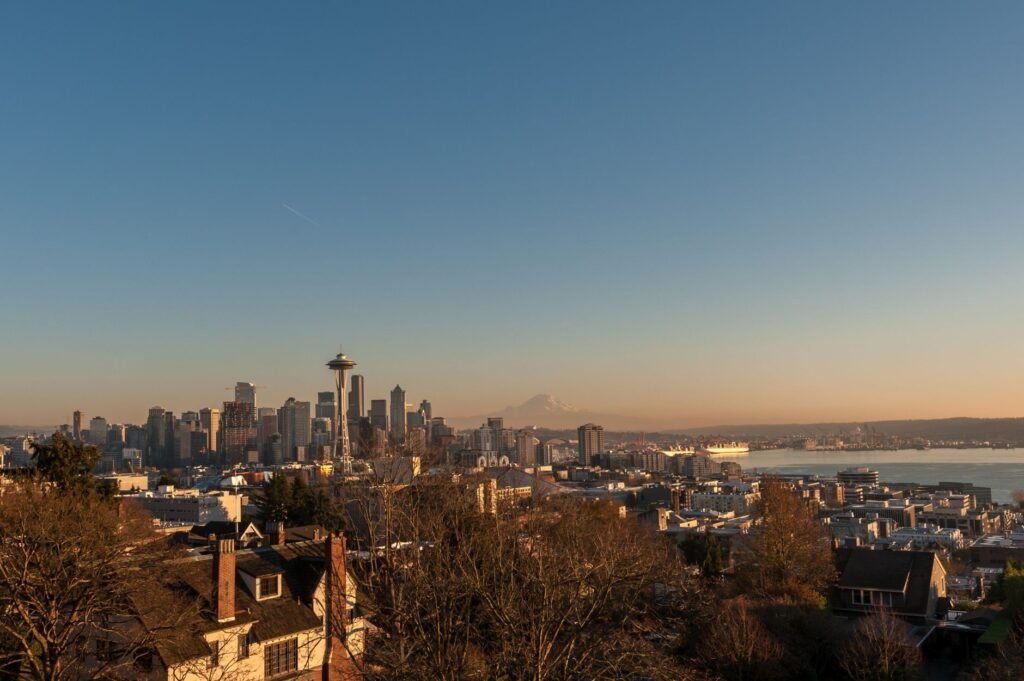
The best things to do in Queen Anne Seattle center on walking a quiet, tree-lined neighborhood. You get good coffee shops, strong museums, and views of the Sound and mountains without the downtown crush. This is where locals actually live and eat, not a tourist zone. You’ll spend less money here than Pike Place Market. You’ll also see how Seattle really works.
Walking the Neighborhood Streets
Queen Anne’s main draw is the walk itself, plain and simple. The streets feel almost like a small town. Victorian homes line the blocks. You notice flowers in yards and people on porches. The neighborhood splits into two zones: Upper Queen Anne and Lower Queen Anne. Upper sits on a hill. Lower spreads down toward the waterfront and Seattle Center. Each has its own rhythm.
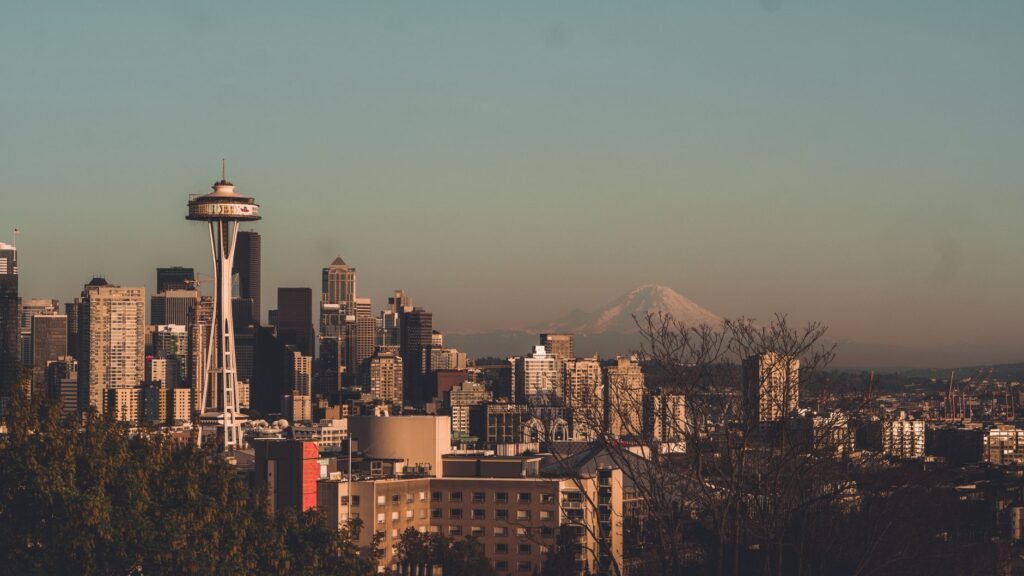
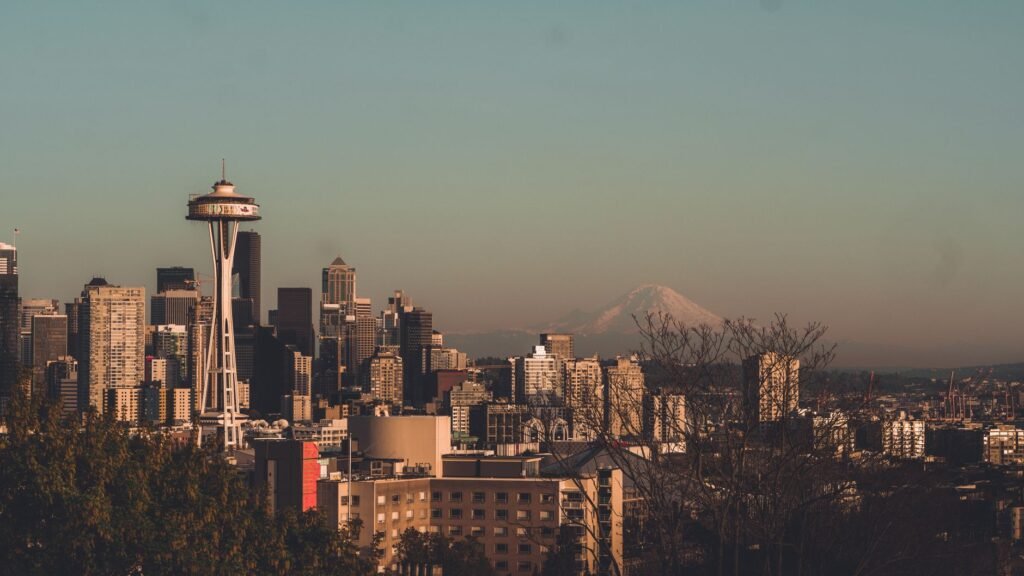
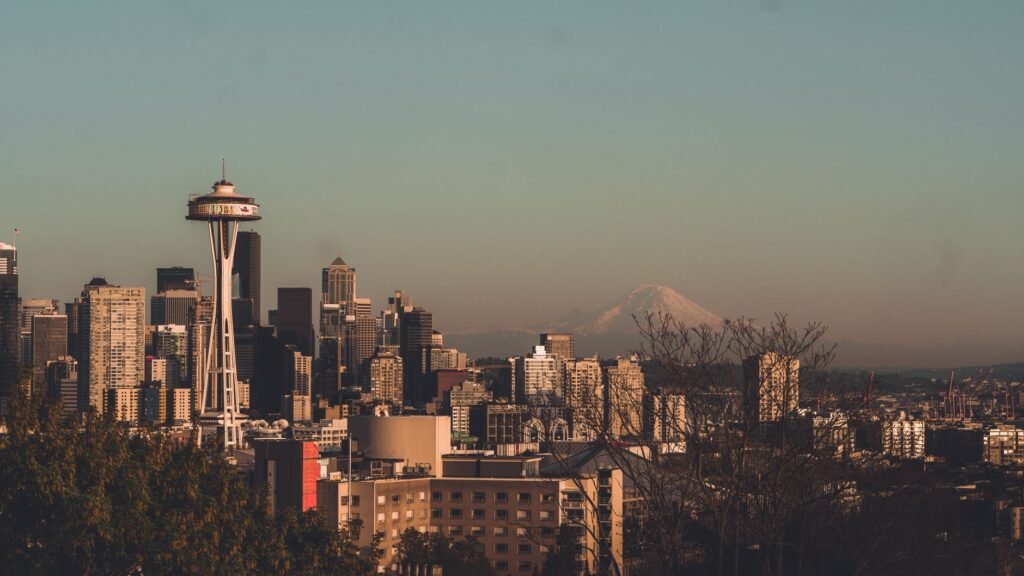
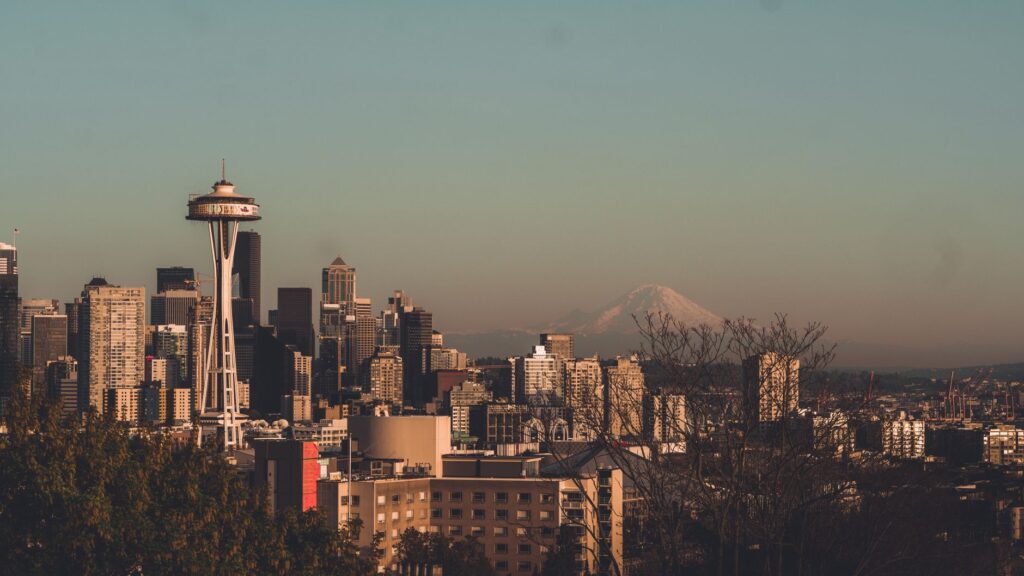
Start by walking Kerry Park in Upper Queen Anne. It’s free and takes about 20 minutes to reach on foot. The park sits high enough to see Elliott Bay, the Olympics, and Mount Rainier on clear days. Bring a camera or just stand there. The view doesn’t change based on the season. It’s one of those spots where you understand why people moved to Seattle. Park nearby on residential streets. The lot fills fast on weekends, especially in daylight hours.
From there, head down the hill toward Magnolia Boulevard and the Ballard Bridge. The walk drops you past quiet blocks and small parks. You pass the old Fremont Troll under the bridge. It’s concrete and weird and locals love it. Stop and take a photo. No entrance fee. No line. Just oddness that works.
Lower Queen Anne sits closer to the waterfront and Seattle Center. This zone has more bars and restaurants. More foot traffic. It stays louder and busier. But it’s still nothing like downtown. The neighborhood keeps its scale. The streets stay walkable. You can see storefronts and people. You’re not lost in shadows between towers.
Pike Place Market and the Waterfront
Pike Place Market sits at the bottom of Lower Queen Anne. It’s a 15-minute walk downhill from Queen Anne Avenue. Most visitors spend two to three hours there. The market itself is free to walk through. You pay for what you buy.
Pike Place works best early in the morning. Get there by 7:30 or 8am. The crowds haven’t arrived yet. You see fishmongers setting up. You smell fresh coffee and fish and flowers. The famous fish throw happens all day, but it’s less of a show at dawn. It becomes more real. You watch them actually work, not perform.
Buy a coffee at one of the small roasters. Skip the chain shops. Ask a vendor which coffee matters. They’ll tell you. Grab fresh fruit. The berries here are good year-round. Local apples in fall. The prices are honest. You’ll see what farmers charge when they don’t have a middleman.
Walk through the lower levels. The Pike Place Fish market is on the main floor. Below, you find antique dealers, artists, and small food shops. Less crowded. More interesting. A vendor might let you handle old books or jewelry. The space smells like time.
After the market, walk onto the waterfront. The path is flat and scenic. You can see ferries leaving for Bainbridge Island and Bremerton. Sit on a bench. Watch the water for a while. Aquariums and museums line the waterfront too. The Seattle Aquarium costs around $25 and takes two hours. Worth it if you care about marine life. Otherwise, the walk alone is free and better.
Also read: drive from seattle to portland oregon
Museums and Quiet Culture
The Seattle Art Museum sits just below Pike Place. It’s a short walk or a quick bus ride from Queen Anne. Entry is around $20. The collection leans toward Pacific Northwest artists and contemporary work. The building itself is good. Natural light. Not a maze. You see what matters without working too hard.
Skip the gift shop. But grab lunch at the cafe downstairs. The food is simple and good. A sandwich costs about $15. The space is quieter than the galleries. You can think about what you saw.
The Museum of Pop Culture sits at Seattle Center, the north edge of Queen Anne. It’s about a 10-minute walk from most Lower Queen Anne spots. Cost runs $25 to $30 depending on what you want to see. This museum works if you care about music or film history. The building is striking. But the content can feel a bit thin if you’re not deeply into pop culture. Go if you have kids. Go if you love music. Skip it otherwise.
What most visitors miss is the Woodland Park Zoo. It’s a short bus ride from Queen Anne. Entry is about $22 for adults. The zoo is well-designed and not packed like bigger zoos in other cities. The animal yards are spacious. The paths are shaded. You can move through at your own pace. Plan three to four hours. Bring water. The zoo sits on a slope so bring comfortable shoes.
Food and Drink Done Right
Queen Anne has strong restaurants. Not famous ones. Not places where you wait 90 minutes. Places where locals eat on a Tuesday night.
Canlis sits on Queen Anne hill. It’s a fine dining spot with views. Dinner costs about $200 per person with wine. The kitchen is serious. The view is included. Go if budget allows and you want a strong meal. Otherwise, it’s not necessary.
Ballard is five minutes away by car. It’s the neighborhood just north across the Ballard Bridge. The food scene there is stronger and more varied than Queen Anne proper. Restaurants stay less crowded. Prices run lower. Walk over the bridge or take a quick ride and explore. You’ll find good pizza, Nordic food, and casual seafood spots. Many places have no reservation option. You arrive and wait 15 to 20 minutes at peak times. The food is worth it.
For coffee, skip the chains. Fuel and Starbucks are both here. Good coffee shops sit scattered through the neighborhood. Ask locals. They’ll point you toward places with real roasts. A good coffee costs $4 to $6. A pastry runs another $3 to $4. Sit and work or watch people. These spots are where Queen Anne people spend their mornings.
Also read: unique places to stay in seattle cool hotels
When to visit Queen Anne and what to expect:
- Spring brings blossoms and mild weather. Crowded weekends at Kerry Park.
- Summer stays warm and dry. Peak tourist season. Come early to beat crowds.
- Fall offers clear days and fewer people. Weather cools fast. Bring a jacket.
- Winter brings rain and gray skies. Locals are out more. Tourist spots are quiet.
The neighborhood has no bad time to visit. Summer crowds are real but manageable. Winter rain is real but infrequent. Plan your main outdoor time for morning or early afternoon. Evening brings fog in often. Layering clothes matters year-round because the temperature drops fast once the sun goes down or a cloud passes.
Getting Around Queen Anne
You don’t need a car here. Seattle’s bus system connects every part of the neighborhood. A single ride costs $2.75. A day pass costs $5.50. Download the King County Metro app and plan routes. The buses run often in this area.
Walking is actually the best way to experience Queen Anne. Streets are safe and well-lit. Sidewalks are maintained. The elevation changes but nothing steep enough to slow most people. Wear shoes with good traction. The rain is usually light but the sidewalks get slick.
Parking exists but it’s street parking. Weekday spots are easier to find than weekend ones. If you drive, budget 10 to 15 minutes to find a spot on busy days. Lots near Pike Place Market charge $10 to $18 for the day. The parking isn’t free but it’s cheaper than downtown Seattle spots.
Also read: what to do in west seattle a complete local guide
What to Skip
Don’t chase the Gum Wall in Post Alley. It’s under Pike Place. It’s sticky and gross and you’ve seen photos. It’s not worth your time in person. The smell alone will tell you why locals avoid it.
Don’t rent a bike to tour the neighborhood. The hills are steep enough that bike routes are confusing. Walking works better. You can stop when you want. You can explore side streets. Bikes lock you into specific paths.
Don’t eat at chains. Queen Anne has enough good restaurants that you have no reason to choose a franchise. Five minutes of walking leads somewhere better.
The Real Value of Queen Anne
Queen Anne Seattle shows you what the city is actually like for people who live here. It’s not a performance. It’s not fake. You walk streets where families have lived for decades. You see the water and mountains that mattered when people first came here. You find good coffee and good food because people here care about those things. You’re not paying tourist prices. You’re not waiting in lines with 200 other people. You’re doing what Seattle people do on a regular day. That’s the whole point. That’s why it matters.
Reference: Wikipedia: Queen Anne, Seattle